Release Of Information Form California In King
Description
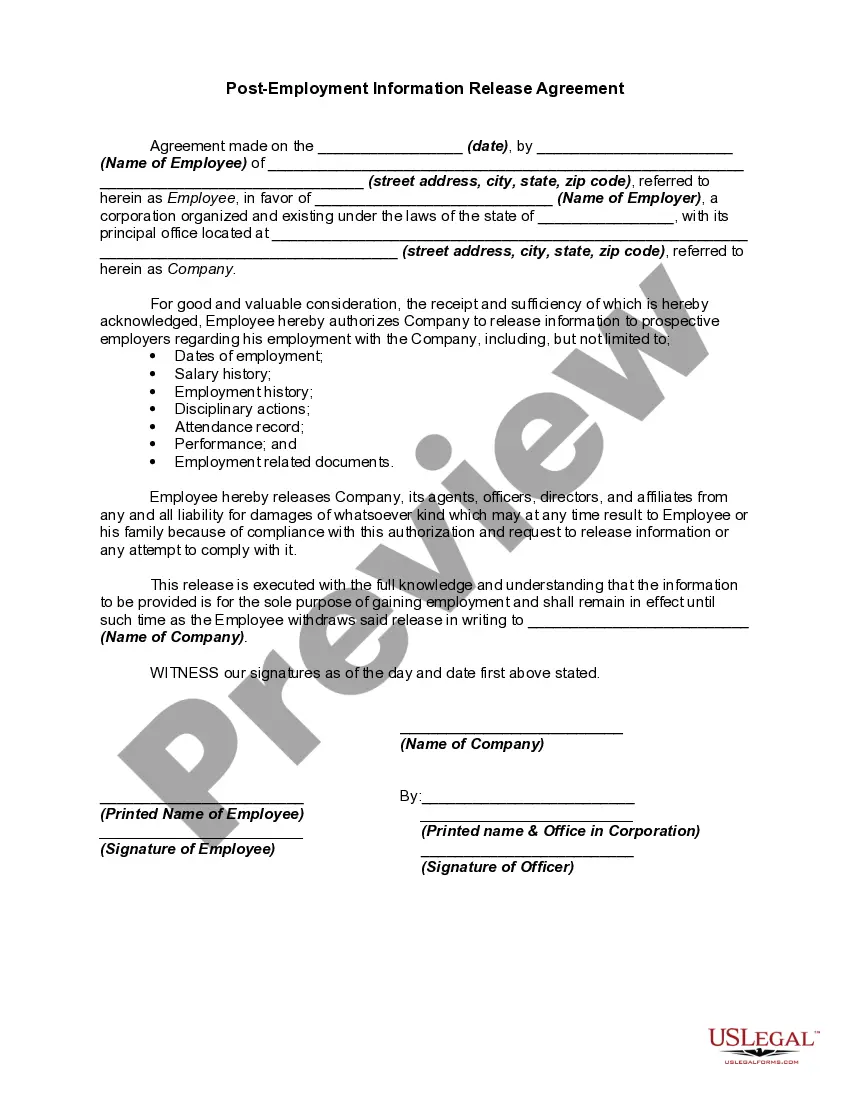
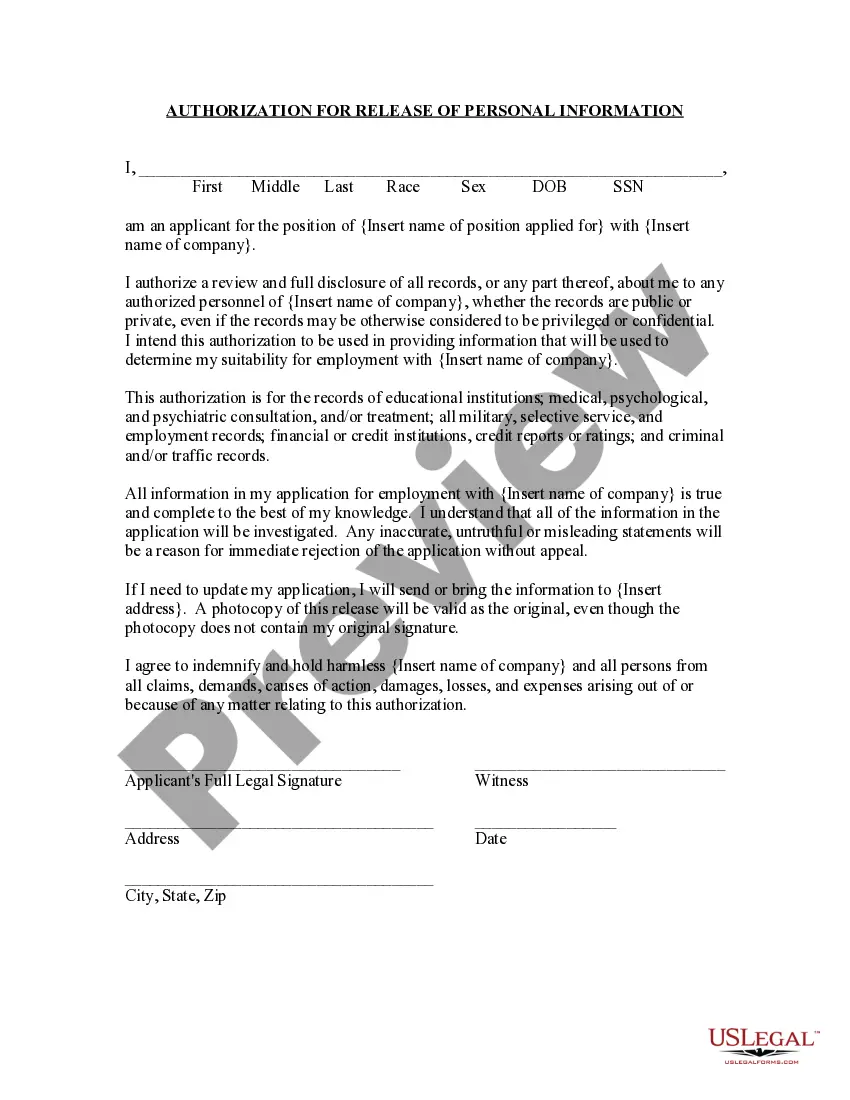
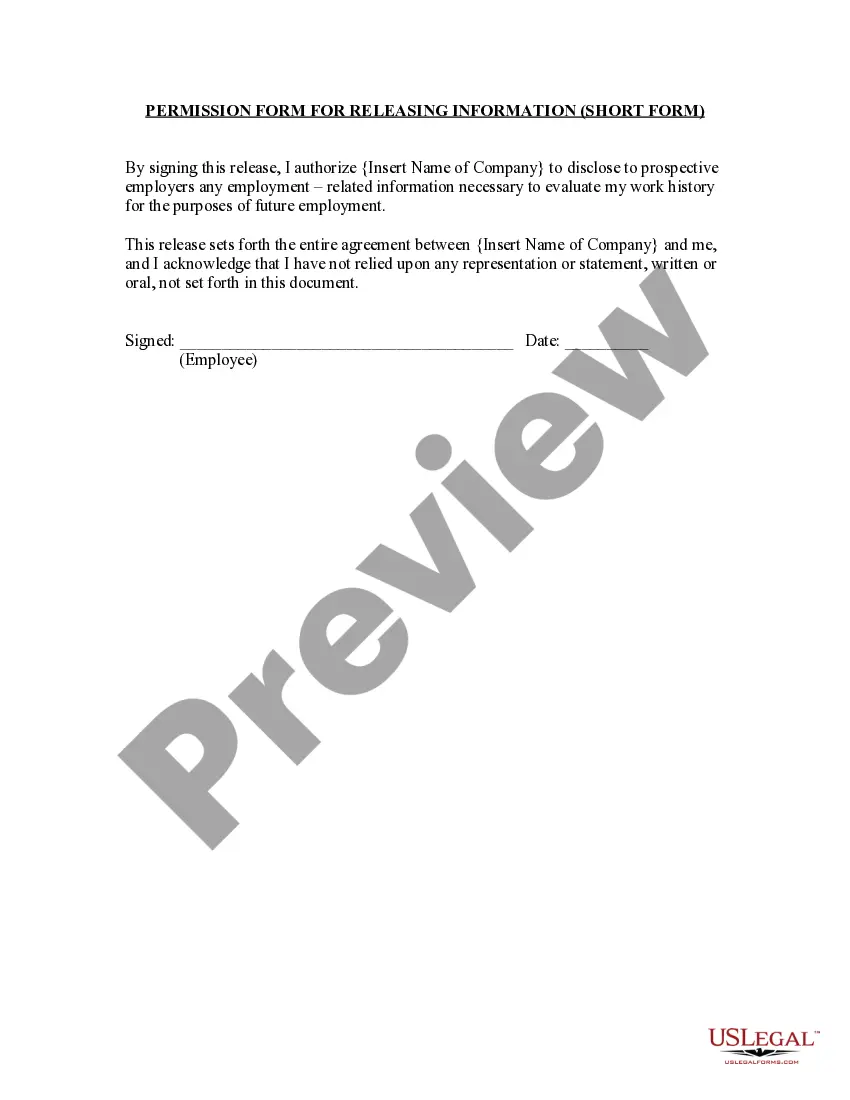
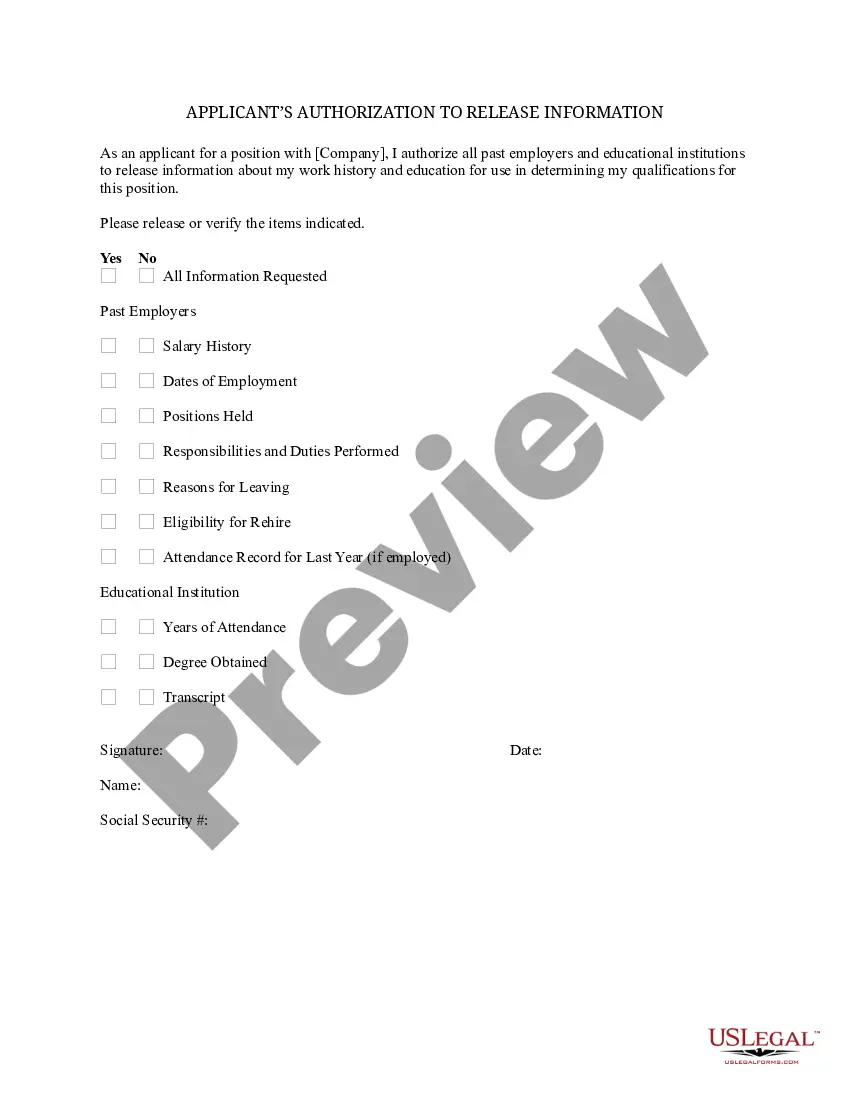
Get your form ready online
Our built-in tools help you complete, sign, share, and store your documents in one place.
Make edits, fill in missing information, and update formatting in US Legal Forms—just like you would in MS Word.
Download a copy, print it, send it by email, or mail it via USPS—whatever works best for your next step.
Sign and collect signatures with our SignNow integration. Send to multiple recipients, set reminders, and more. Go Premium to unlock E-Sign.
If this form requires notarization, complete it online through a secure video call—no need to meet a notary in person or wait for an appointment.
We protect your documents and personal data by following strict security and privacy standards.

Make edits, fill in missing information, and update formatting in US Legal Forms—just like you would in MS Word.

Download a copy, print it, send it by email, or mail it via USPS—whatever works best for your next step.

Sign and collect signatures with our SignNow integration. Send to multiple recipients, set reminders, and more. Go Premium to unlock E-Sign.

If this form requires notarization, complete it online through a secure video call—no need to meet a notary in person or wait for an appointment.

We protect your documents and personal data by following strict security and privacy standards.
Looking for another form?




Form popularity
FAQ
The patient may enter a date range of information to be shared. If no expiration date is specified, this authorization is good for 12 months from the date signed in Section IX.
The California Public Records Act (Statutes of 1968, Chapter 1473; currently codified as Division 10 of Title 1 of the California Government Code) was a law passed by the California State Legislature and signed by governor Ronald Reagan in 1968 requiring inspection or disclosure of governmental records to the public ...
For civil cases, important papers or property should be kept for a minimum of five years after closing the case, ing to the California Rule of Professional Conduct. It's wise to keep files for closer to ten years, and some files should be retained for even longer.
A Statement of Information is submitted. after the initial or required filing. requirements have been met to update. information including changes to the. agent for service of process.
All health records of discharged patients shall be completed and filed within 30 days after discharge date and such records shall be kept for a minimum of 7 years, except for minors whose records shall be kept at least until 1 year after the minor has reached the age of 18 years, but in no case less than 7 years.
Every California and registered foreign limited liability company must file a Statement of Information with the California Secretary of State, within 90 days of registering with the California Secretary of State, and every two years thereafter during a specific 6-month filing period based on the original registration ...
All health records of discharged patients shall be completed and filed within 30 days after discharge date and such records shall be kept for a minimum of 7 years, except for minors whose records shall be kept at least until 1 year after the minor has reached the age of 18 years, but in no case less than 7 years.
Under the CMIA, medical information must be released when compelled: by court order. by a board, commission or administrative agency for purposes of adjudication. by a party to a legal action before a court, arbitration, or administrative agency, by subpoena or discovery request.
Log in to kp. Scroll down to the directory at the bottom of the page. Under Member support, click Medical Information Requests. You will be directed to a page titled Records, forms and certifications.
You can make a written request to either review or obtain a copy of your medical records pursuant to Health and Safety Code sections 123100 through 123149.5. You can view these laws on the California Legislative Information website.

