Release Of Information In In Harris
Description
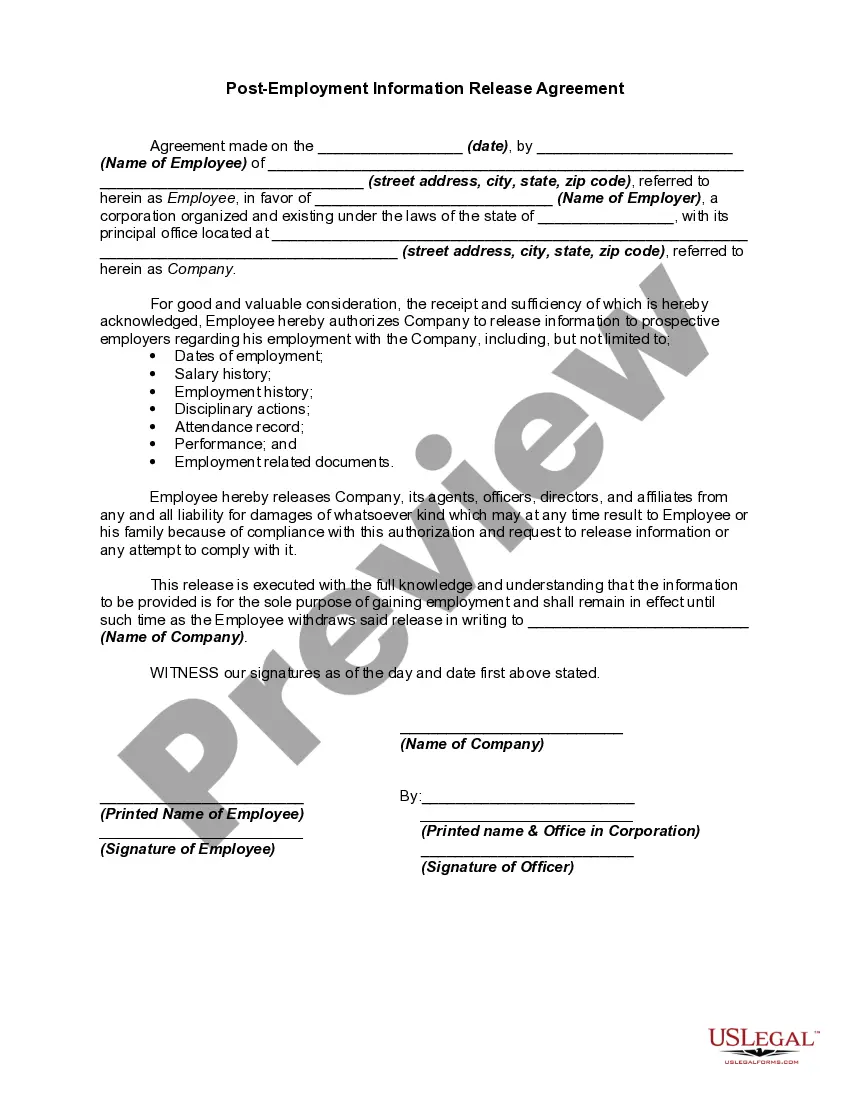
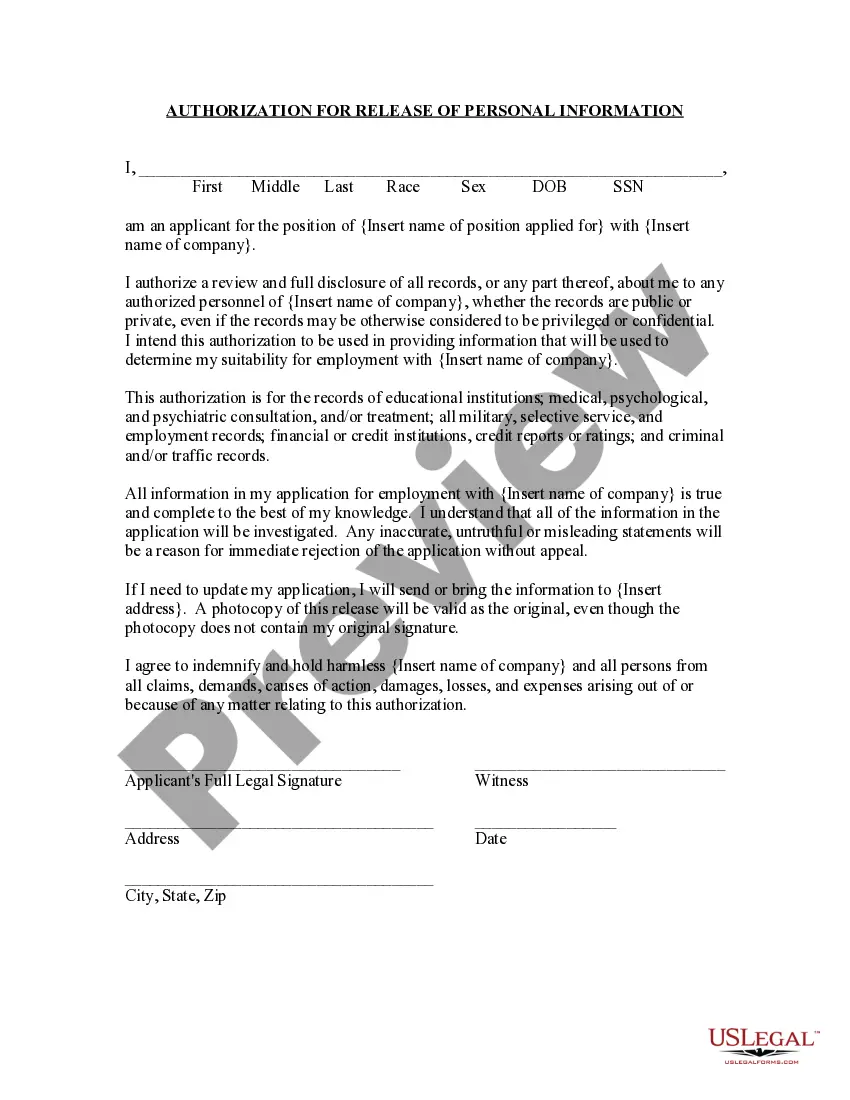
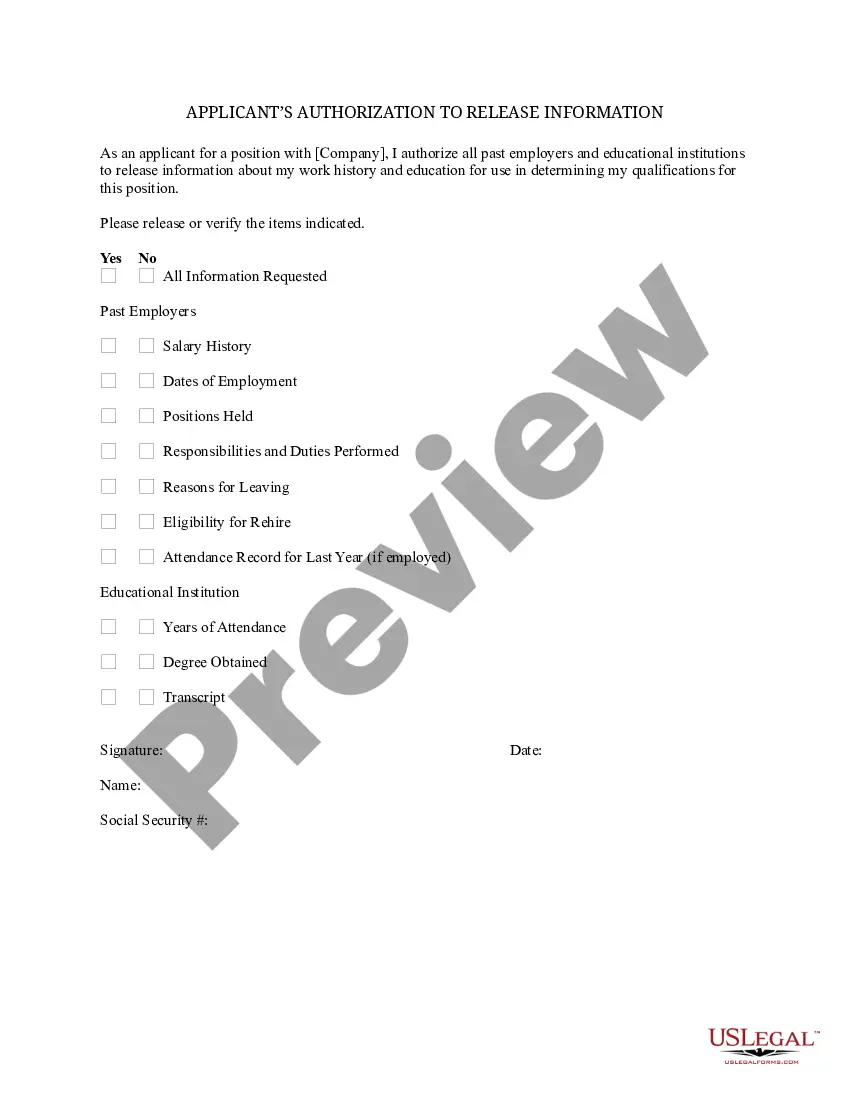
Get your form ready online
Our built-in tools help you complete, sign, share, and store your documents in one place.
Make edits, fill in missing information, and update formatting in US Legal Forms—just like you would in MS Word.
Download a copy, print it, send it by email, or mail it via USPS—whatever works best for your next step.
Sign and collect signatures with our SignNow integration. Send to multiple recipients, set reminders, and more. Go Premium to unlock E-Sign.
If this form requires notarization, complete it online through a secure video call—no need to meet a notary in person or wait for an appointment.
We protect your documents and personal data by following strict security and privacy standards.

Make edits, fill in missing information, and update formatting in US Legal Forms—just like you would in MS Word.

Download a copy, print it, send it by email, or mail it via USPS—whatever works best for your next step.

Sign and collect signatures with our SignNow integration. Send to multiple recipients, set reminders, and more. Go Premium to unlock E-Sign.

If this form requires notarization, complete it online through a secure video call—no need to meet a notary in person or wait for an appointment.

We protect your documents and personal data by following strict security and privacy standards.
Looking for another form?







Form popularity
FAQ
In a hospital setting, medical records comprise comprehensive details about a patient's medical history, diagnosis, course of treatment, and follow-up care.
Components of a medical record include essential patient identification information, detailed medical history, medication and treatment records, lab results, progress notes, and documentation such as consent forms. These elements work together to provide a holistic view of the patient's health status and care journey.
The primary purpose of a release of information form is to protect the patient's privacy and ensure that their medical information is only shared with their consent. It empowers patients to control who has access to their personal health data and under what circumstances.
Each Medical Record shall contain sufficient, accurate information to identify the patient, support the diagnosis, justify the treatment, document the course and results, and promote continuity of care among health care providers.
Health information is the data related to a person's medical history, including symptoms, diagnoses, procedures, and outcomes. A health record includes information such as: a patient's history, lab results, X-rays, clinical information, demographic information, and notes.
An EMR system comprises five components: data capture, information management, decision support systems, order entry systems, and reporting mechanisms. These components are essential for providing providers with timely and accurate patient information to inform treatment decisions.
Content for a valid authorization includes: The name of the person or entity authorized to make the request (usually the patient) The complete name of the person or entity to receive the protected health information (PHI) A specific description of the information to be used or disclosed, including the dates of service.
Content for a valid authorization includes: The name of the person or entity authorized to make the request (usually the patient) The complete name of the person or entity to receive the protected health information (PHI) A specific description of the information to be used or disclosed, including the dates of service.

