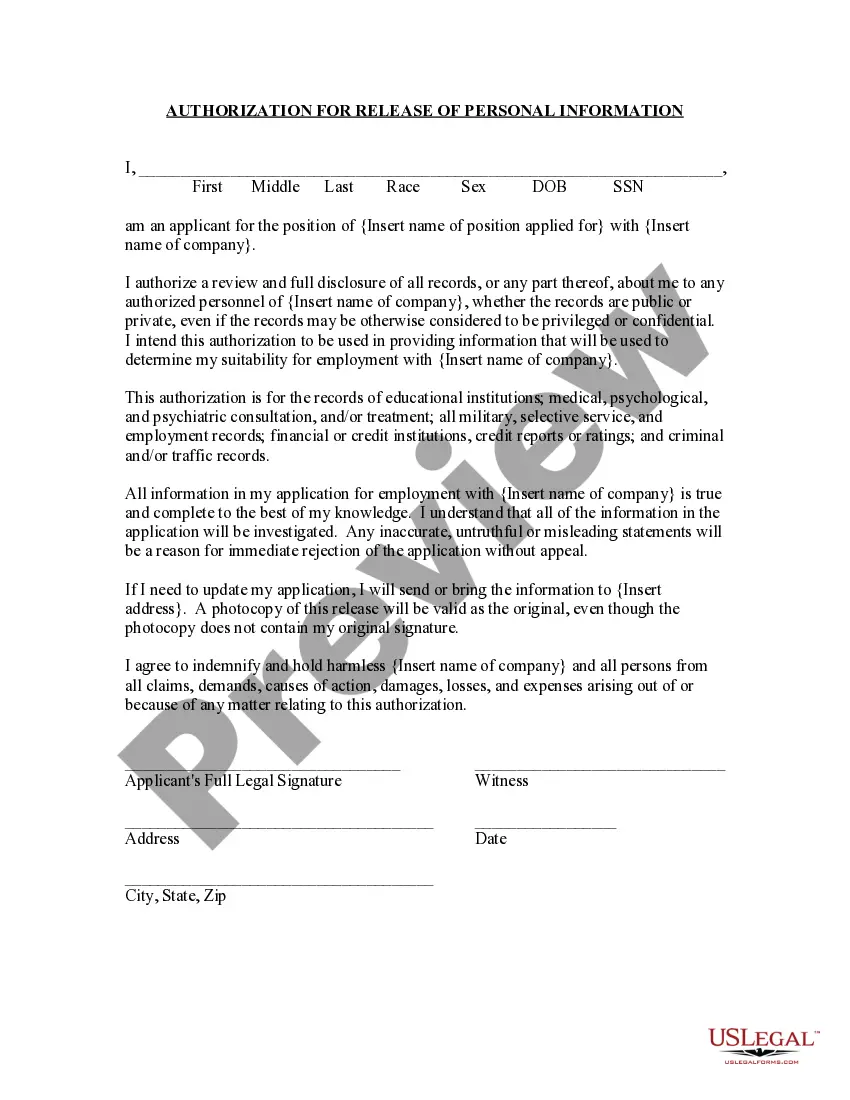
Release Of Information Without Consent In Georgia
Description
Get your form ready online
Our built-in tools help you complete, sign, share, and store your documents in one place.
Make edits, fill in missing information, and update formatting in US Legal Forms—just like you would in MS Word.
Download a copy, print it, send it by email, or mail it via USPS—whatever works best for your next step.
Sign and collect signatures with our SignNow integration. Send to multiple recipients, set reminders, and more. Go Premium to unlock E-Sign.
If this form requires notarization, complete it online through a secure video call—no need to meet a notary in person or wait for an appointment.
We protect your documents and personal data by following strict security and privacy standards.

Make edits, fill in missing information, and update formatting in US Legal Forms—just like you would in MS Word.

Download a copy, print it, send it by email, or mail it via USPS—whatever works best for your next step.

Sign and collect signatures with our SignNow integration. Send to multiple recipients, set reminders, and more. Go Premium to unlock E-Sign.

If this form requires notarization, complete it online through a secure video call—no need to meet a notary in person or wait for an appointment.

We protect your documents and personal data by following strict security and privacy standards.
Looking for another form?

Form popularity
FAQ
✓ Georgia does not recognize a common-law or statutory physician-patient privilege. Veasley v. State, 275 Ga.
50-18-71. (a) All public records shall be open for personal inspection and copying, except those which by order of a court of this state or by law are specifically exempted from disclosure. Records shall be maintained by agencies to the extent and in the manner required by Article 5 of this chapter.
HIPAA complaints can be submitted via the OCR's Complaint Page, although OCR will also accept complaints via fax, mail, or email.
There is no private cause of action in HIPAA, so it is not possible for a patient to directly sue for a HIPAA violation under HIPAA.
Access to information containing personal data cannot be denied, and entities must provide such data to third parties upon receiving a written request and the explicit consent of the individual concerned, ensuring confidentiality is maintained.
Any citizen of the state can request public records and requesters do not have to state a purpose. Once they have been obtained, there is no restriction on how records can be used, and agencies have three days to supply a response. Open Records Act O.C.G.A. §50-18-70 et seq.
Georgia's wiretapping law is a "one-party consent" law for purposes of making audio recordings of conversations. Georgia makes it a crime to secretly record a phone call or in-person conversation "originating in any private place" unless one party to the conversation consents.
The Health Insurance Portability and Accountability Act of 1996 (HIPAA) requires the Georgia Department of Public Health (DPH) to maintain the privacy of your health information, inform you of its legal duties and privacy practices with respect to your health information through this Notice of Privacy Practices, notify ...
You may request a file or copies of documents via email at help@gamdcourts or by contacting the division office where the case was initiated. DO NOT send payment to the Court without first confirming that the record is available.
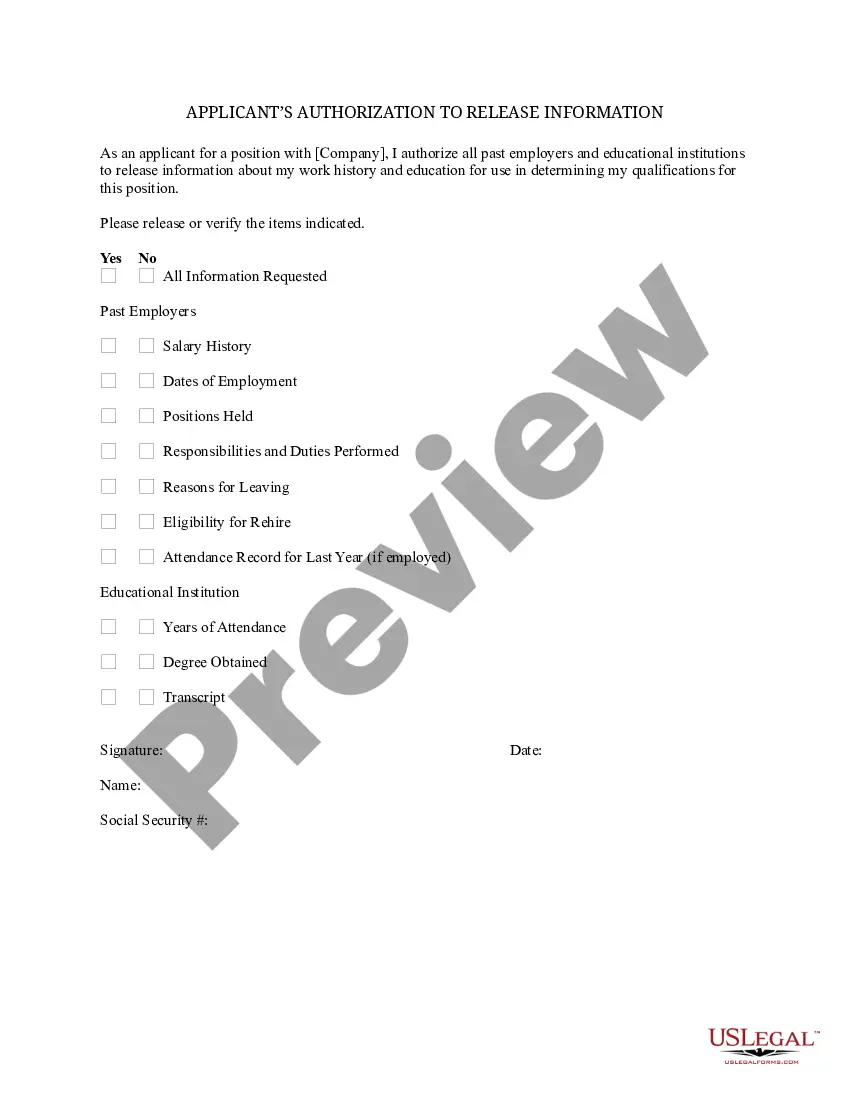
AUTHORIZATION FOR RELEASE OF INFORMATION, FORM 5459 Purpose: This form is used to obtain permission from a CCSP applicant or client to share or secure information about the client.
