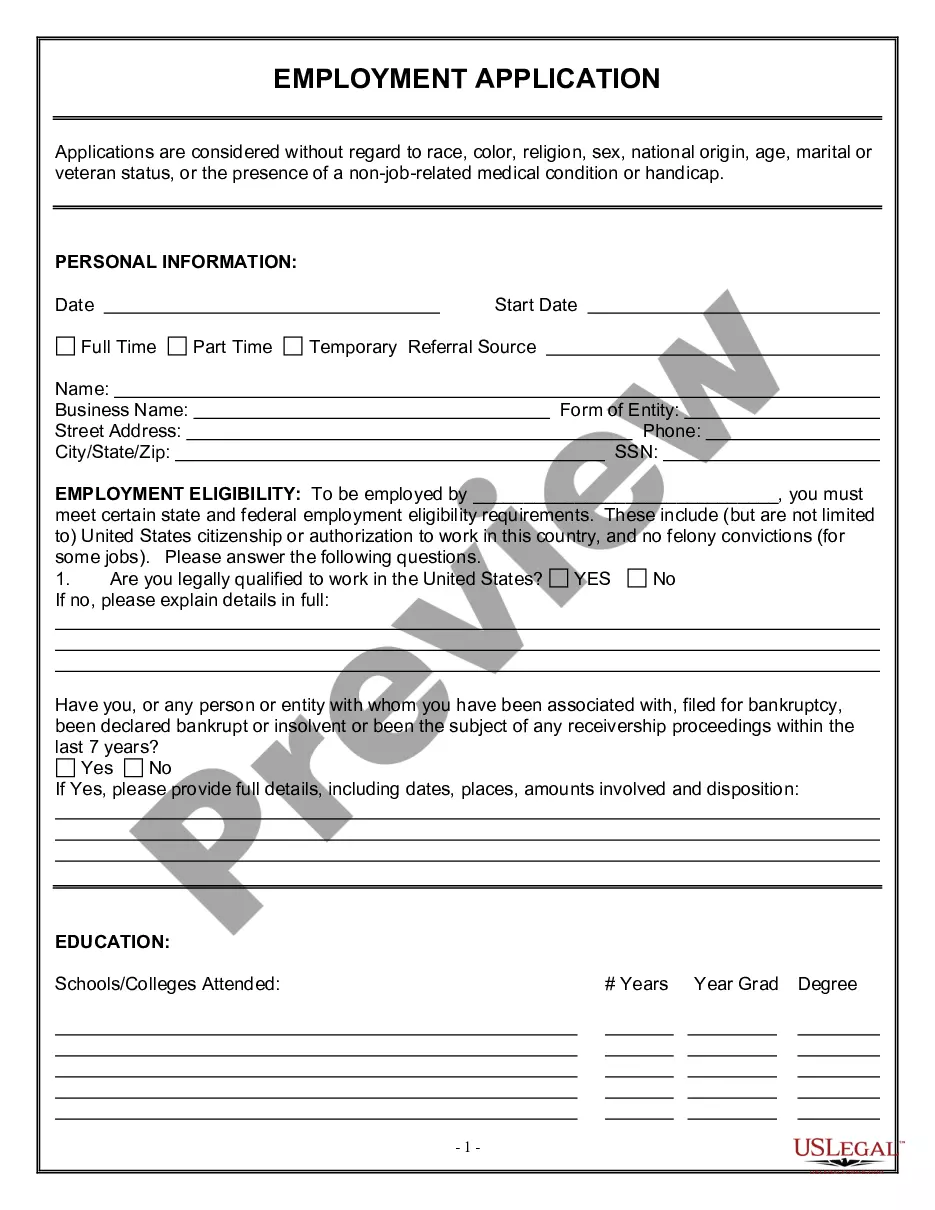
Employment Agreement Format In Fulton
Description
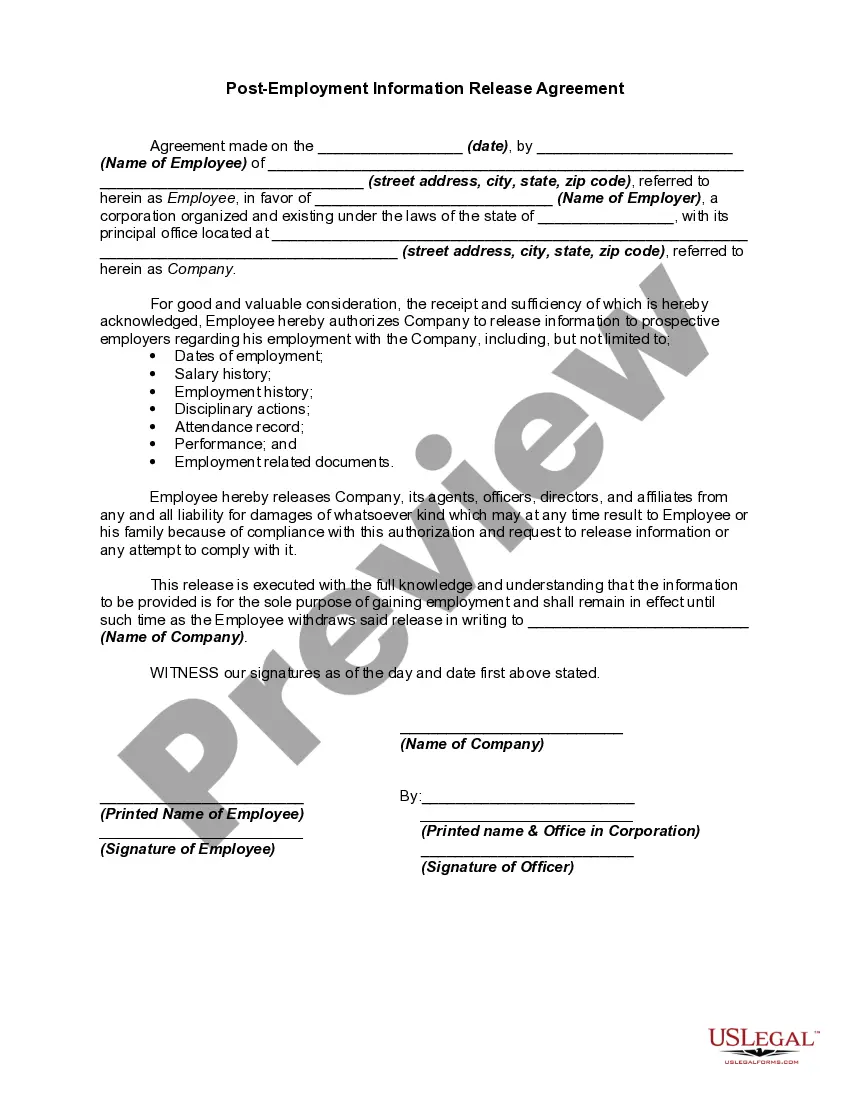
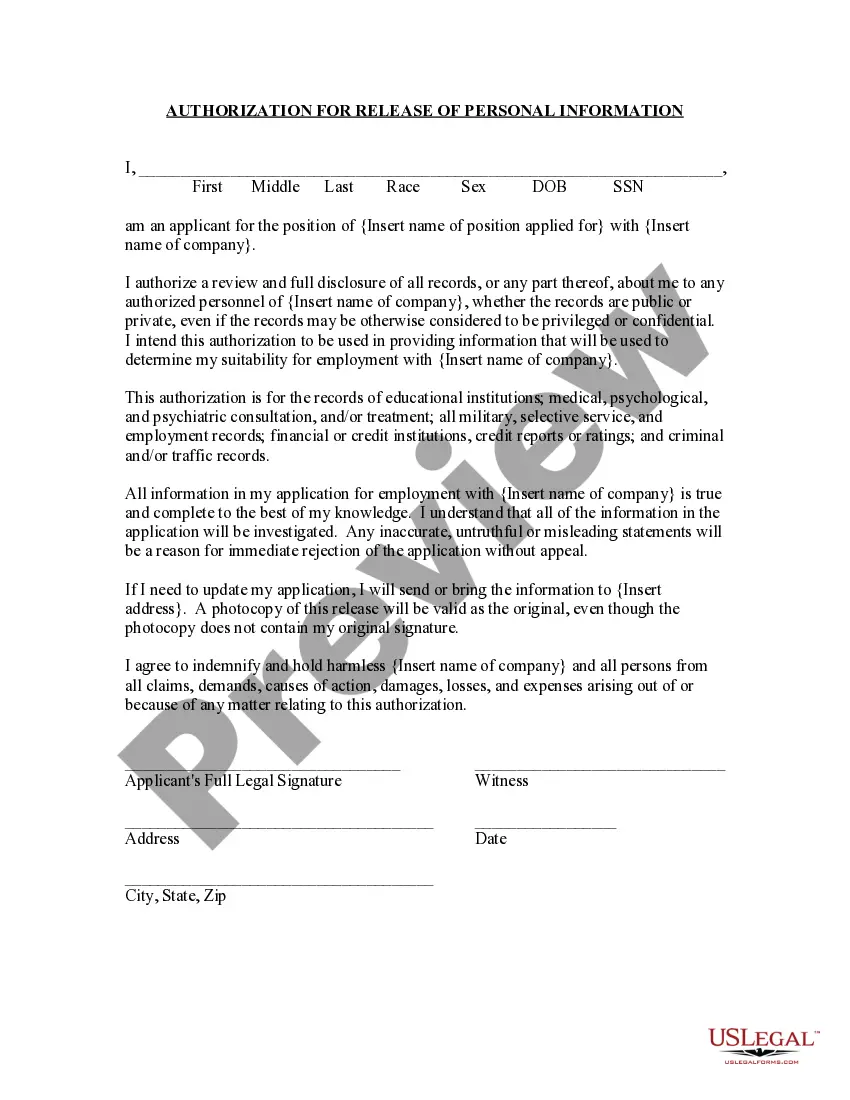
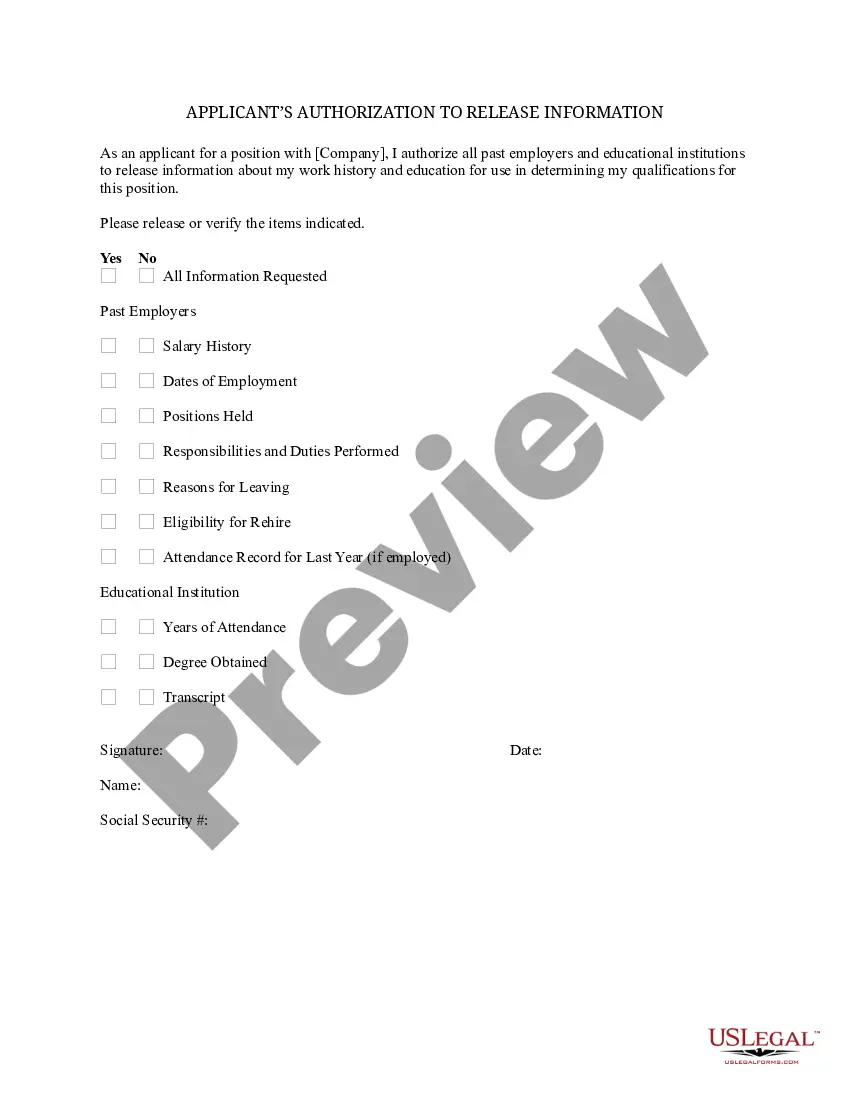
Get your form ready online
Our built-in tools help you complete, sign, share, and store your documents in one place.
Make edits, fill in missing information, and update formatting in US Legal Forms—just like you would in MS Word.
Download a copy, print it, send it by email, or mail it via USPS—whatever works best for your next step.
Sign and collect signatures with our SignNow integration. Send to multiple recipients, set reminders, and more. Go Premium to unlock E-Sign.
If this form requires notarization, complete it online through a secure video call—no need to meet a notary in person or wait for an appointment.
We protect your documents and personal data by following strict security and privacy standards.

Make edits, fill in missing information, and update formatting in US Legal Forms—just like you would in MS Word.

Download a copy, print it, send it by email, or mail it via USPS—whatever works best for your next step.

Sign and collect signatures with our SignNow integration. Send to multiple recipients, set reminders, and more. Go Premium to unlock E-Sign.

If this form requires notarization, complete it online through a secure video call—no need to meet a notary in person or wait for an appointment.

We protect your documents and personal data by following strict security and privacy standards.
Looking for another form?


Form popularity
FAQ
An independent contractor is a worker who often owns their own business and usually enters into contracts with employers to perform a specific project, typically on a short-term basis. In contrast, employees agree to work on a regular basis for a single employer.
Here are some steps you may use to guide you when you write an employment contract: Title the employment contract. Identify the parties. List the term and conditions. Outline the job responsibilities. Include compensation details. Use specific contract terms. Consult with an employment lawyer. Employment.
Both involve the meeting of minds and exchange of promises, but a contract typically entails a more formalized arrangement, often documented in writing, and carries legal enforceability. Conversely, an agreement can be informal and may not always be legally binding.
The employer will set out the hours, days and premises they will work from, and will document it in the employment agreement. Contractors however, have more freedom as they are in control of the hours and days they work for the clients that engage with them, as well as how they carry out that work.
Generally, an employment contract does not need to be notarized – the parties only need to sign the document to make it legally enforceable. A witness may be helpful if the other party attempts to contest the document, but a notary is not necessary.
The final rule provides that a worker who is economically dependent on an employer is not an independent contractor. Economic dependance is determined through a flexible, multifactor totality-of-the-circumstances analysis, considering the following factors: Nature and degree of control.
A comprehensive guide on how to draft a contract Know your parties. Agree on the terms. Set clear boundaries. Spell out the consequences. Specify how you will resolve disputes. Cover confidentiality. Check the legality of the contract. Open it up to negotiation.
WHAT ARE THE REQUIREMENTS FOR A VALID EMPLOYMENT CONTRACT IN SOUTH AFRICA? Identity of the Employee and Employer; Position/Role of the Employee; Job description; Terms and Conditions of service; Remuneration; Leave and off days provisions; Breach and Termination; Dispute Resolution process.
Write the contract in six steps Start with a contract template. Open with the basic information. Describe in detail what you have agreed to. Include a description of how the contract will be ended. Write into the contract which laws apply and how disputes will be resolved. Include space for signatures.
How to draft a contract between two parties: A step-by-step checklist Know your parties. Agree on the terms. Set clear boundaries. Spell out the consequences. Specify how you will resolve disputes. Cover confidentiality. Check the legality of the contract. Open it up to negotiation.