Employment Agreement With Severance Clause In Florida
Description
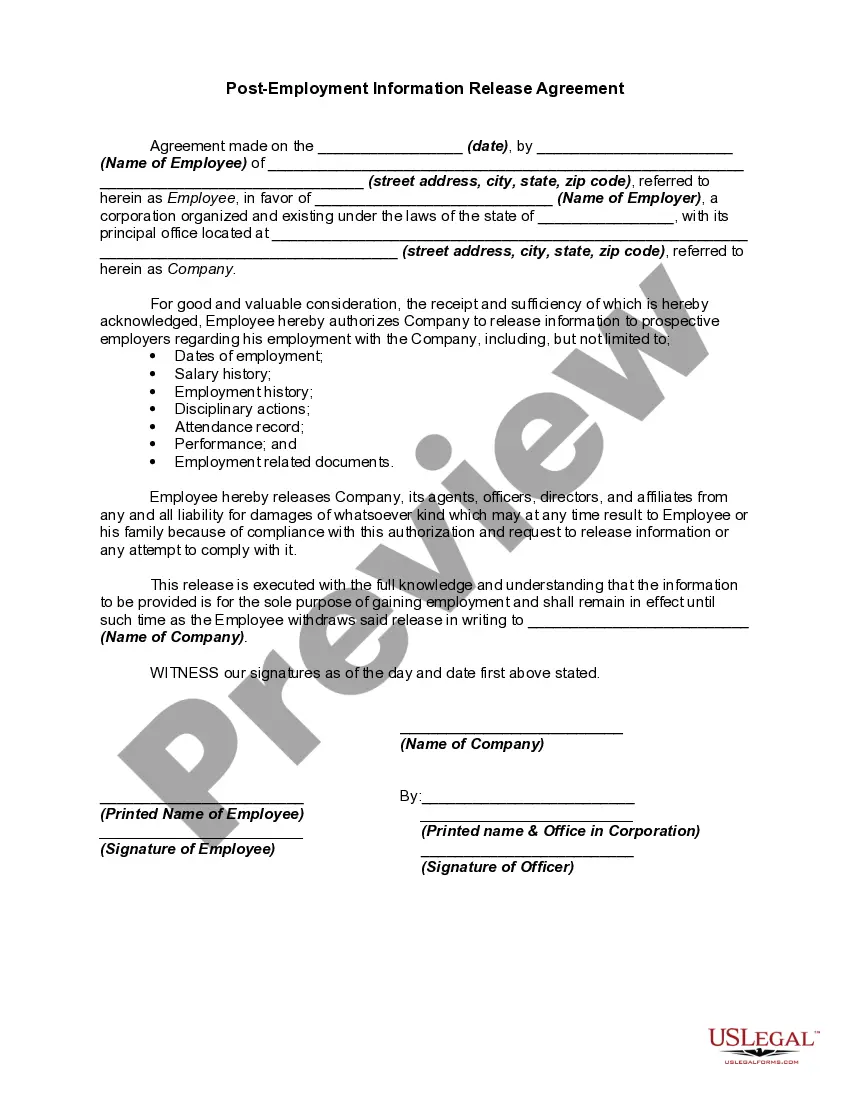
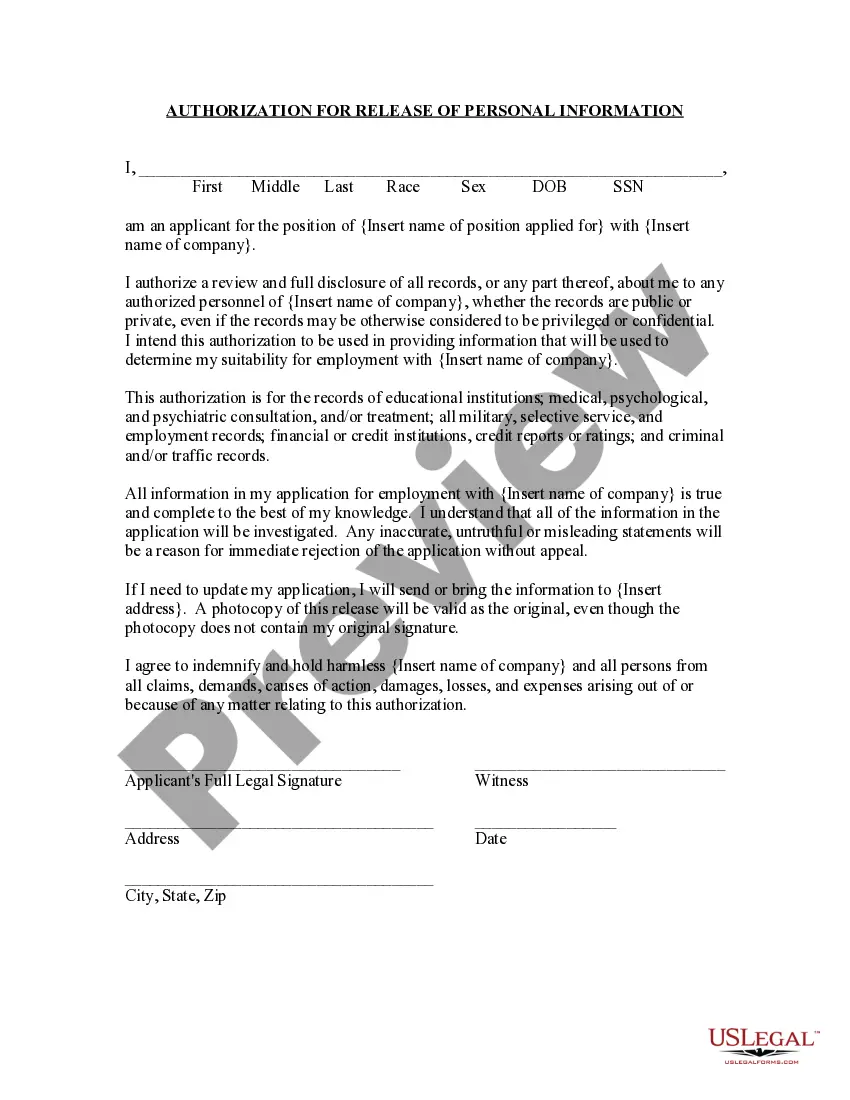
Get your form ready online
Our built-in tools help you complete, sign, share, and store your documents in one place.
Make edits, fill in missing information, and update formatting in US Legal Forms—just like you would in MS Word.
Download a copy, print it, send it by email, or mail it via USPS—whatever works best for your next step.
Sign and collect signatures with our SignNow integration. Send to multiple recipients, set reminders, and more. Go Premium to unlock E-Sign.
If this form requires notarization, complete it online through a secure video call—no need to meet a notary in person or wait for an appointment.
We protect your documents and personal data by following strict security and privacy standards.

Make edits, fill in missing information, and update formatting in US Legal Forms—just like you would in MS Word.

Download a copy, print it, send it by email, or mail it via USPS—whatever works best for your next step.

Sign and collect signatures with our SignNow integration. Send to multiple recipients, set reminders, and more. Go Premium to unlock E-Sign.

If this form requires notarization, complete it online through a secure video call—no need to meet a notary in person or wait for an appointment.

We protect your documents and personal data by following strict security and privacy standards.
Looking for another form?








Form popularity
FAQ
A severance clause is a contractual provision that establishes an employee's right to receive a severance payment when his or her employment with an employer is severed. In many cases, the clause addresses circumstances in which an employer terminates an employee's employment.
In Florida, it is common for companies to allow up to 21 days for you to review the agreement. If you feel that you are being pressured to sign without enough time to review, your employer may not be honoring the agreement. During this review period, you have the right to negotiate the terms to better suit your needs.
What is the downside to severance? The downside to severance includes financial drawbacks such as loss of steady income, potential loss of benefits, and uncertainty about future job prospects, as well as the impact on retirement savings and benefits.
In Florida, it is common for companies to allow up to 21 days for you to review the agreement. If you feel that you are being pressured to sign without enough time to review, your employer may not be honoring the agreement. During this review period, you have the right to negotiate the terms to better suit your needs.
Misconduct as defined in Chapter 443, Florida Statutes (F.S.) includes, but is not limited to: - Conduct showing a conscious disregard of an employer's interest as is found in deliberate violation or disregard of the reasonable standards of behavior which the employer expects of the employee.
What Disqualifies You from Unemployment in Florida? Florida disqualifies unemployment claims if you resign without good cause, are fired for work-related misconduct, or reject suitable job offers.
If you make $1000 per week in Florida, your estimated weekly benefit is $275 for up to 12 weeks. If you make $2000 per week in Florida, your estimated weekly benefit is $275 for up to 12 weeks.