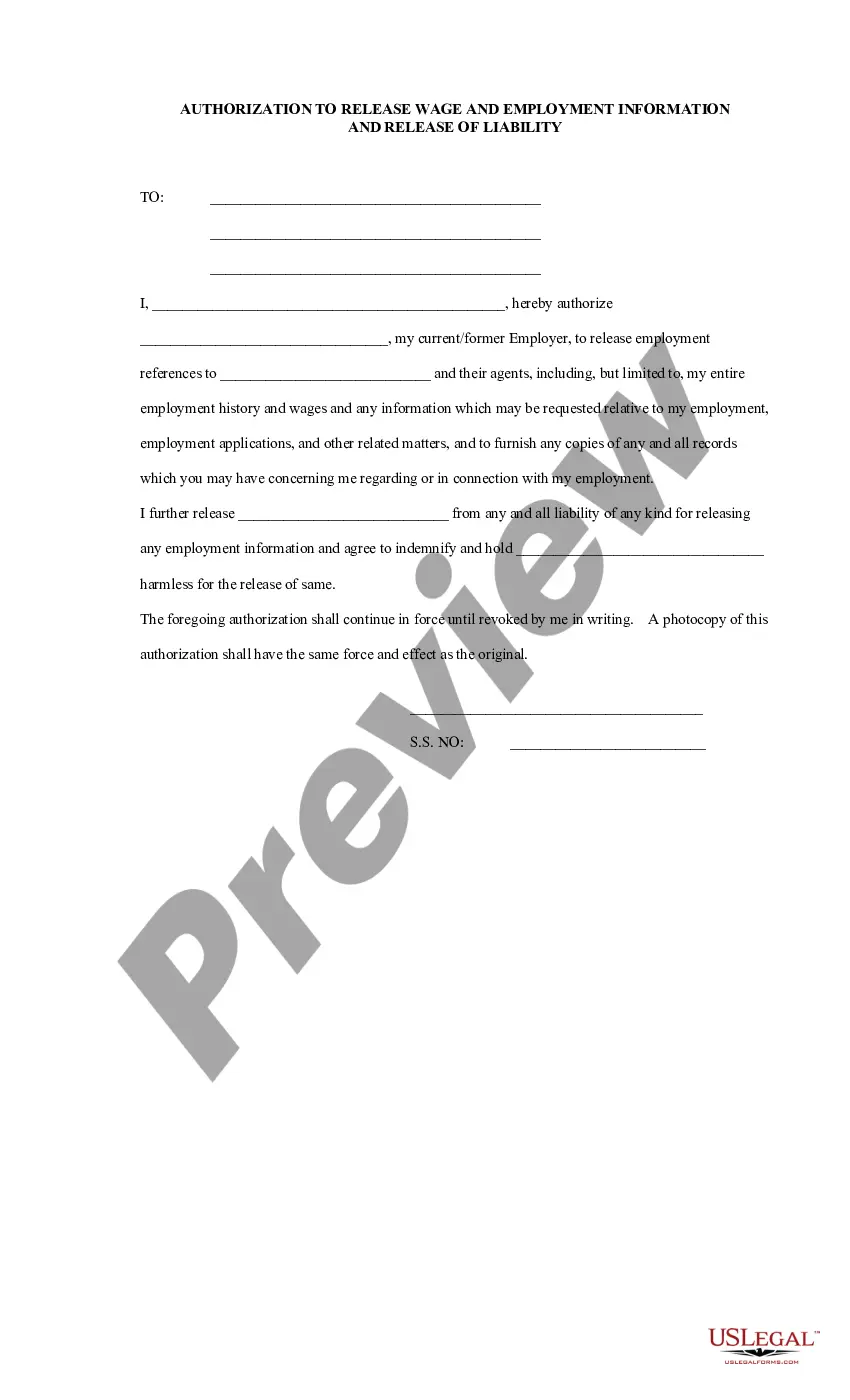
Reasons For Release Of Information In Dallas
Description
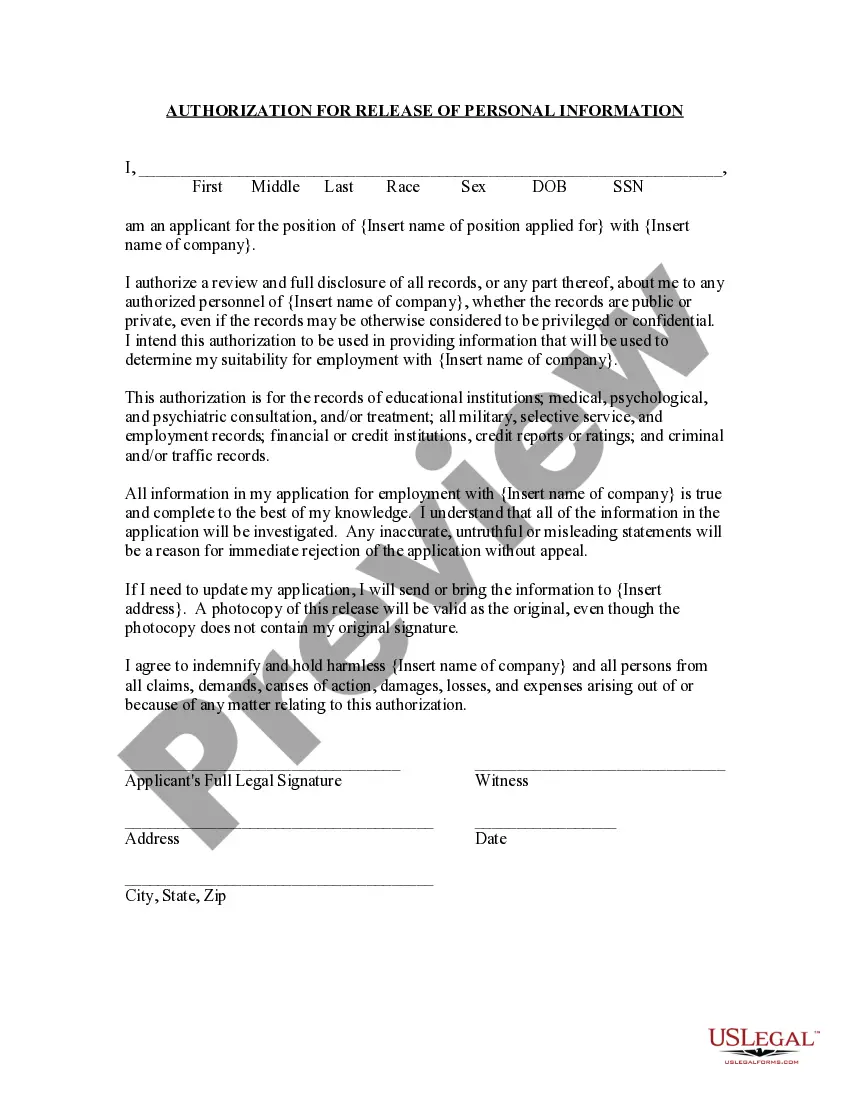
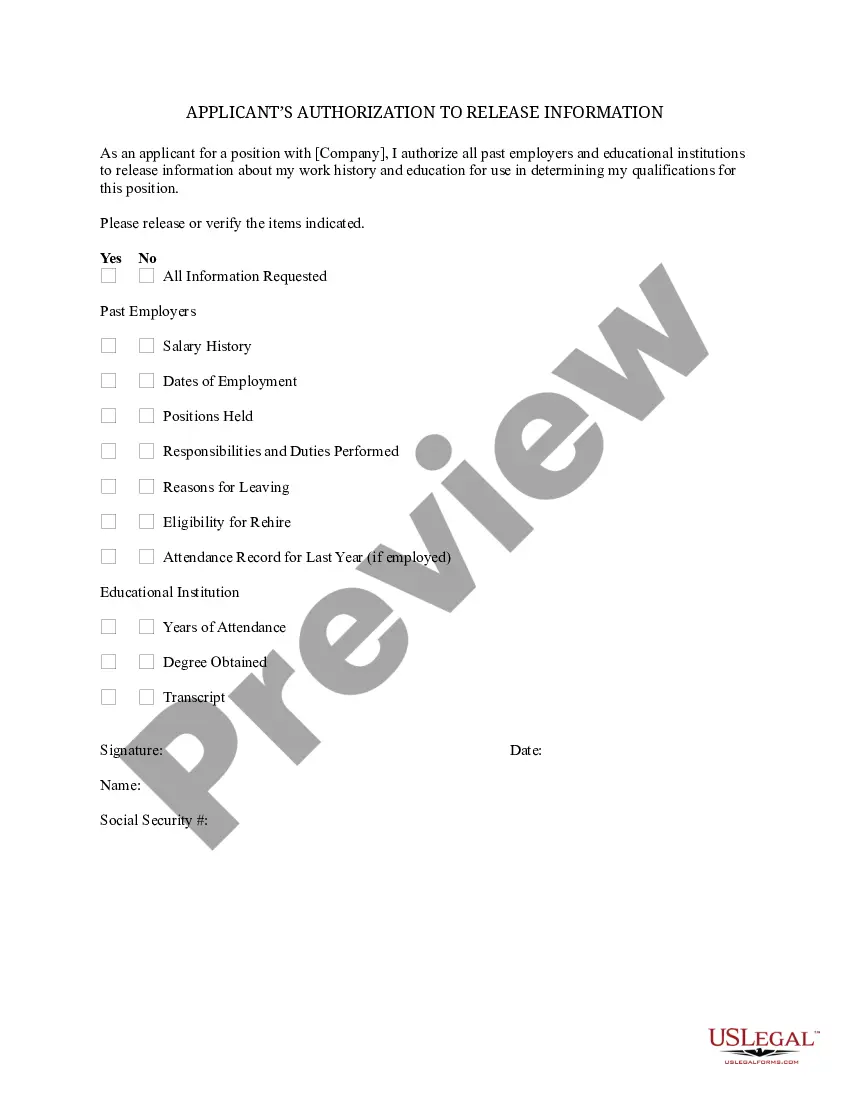
Get your form ready online
Our built-in tools help you complete, sign, share, and store your documents in one place.
Make edits, fill in missing information, and update formatting in US Legal Forms—just like you would in MS Word.
Download a copy, print it, send it by email, or mail it via USPS—whatever works best for your next step.
Sign and collect signatures with our SignNow integration. Send to multiple recipients, set reminders, and more. Go Premium to unlock E-Sign.
If this form requires notarization, complete it online through a secure video call—no need to meet a notary in person or wait for an appointment.
We protect your documents and personal data by following strict security and privacy standards.

Make edits, fill in missing information, and update formatting in US Legal Forms—just like you would in MS Word.

Download a copy, print it, send it by email, or mail it via USPS—whatever works best for your next step.

Sign and collect signatures with our SignNow integration. Send to multiple recipients, set reminders, and more. Go Premium to unlock E-Sign.

If this form requires notarization, complete it online through a secure video call—no need to meet a notary in person or wait for an appointment.

We protect your documents and personal data by following strict security and privacy standards.
Looking for another form?
Form popularity
FAQ
Texas Government Code, Chapter 552, gives you the right to access government records; and an officer for public information and the officer's agent may not ask why you want them. All government information is presumed to be available to the public. Certain exceptions may apply to the disclosure of the information.
To request information from this governmental body, please contact: Open Records Manager at openrecords@dallas or visit the City Secretary's Office at City Hall, 1500 Marilla, 5DS, Dallas Texas 75201. Submit a request by mail, email or in person ing to a governmental body's reasonable procedures.
The Public Information Act (PIA) provides a mechanism for citizens to inspect or copy government records. It also provides that governmental bodies may withhold government records from the public in specific instances.
Texas Government Code, Chapter 552, gives you the right to access government records; and an officer for public information and the officer's agent may not ask why you want them. All government information is presumed to be available to the public. Certain exceptions may apply to the disclosure of the information.
Exempt: Over 30 exemptions including: Confidential information as defined by law; personnel information; litigation or settlement negotiations involving state, competition or bidding information; certain real estate information; certain legislative documents; certain investigation or prosecution documents; certain ...
The Texas Public Information Act, Chapter 552 of the Texas Government Code (the “PIA”), gives the public the right to access government records that are collected, assembled, and maintained by governmental bodies.
In May 2021, Texas passed House Bill 957, known as the Texas Suppressor Freedom Act, which took effect on September 1, 2021. This law allows suppressors made in Texas to be legally possessed and owned without a federal tax stamp, provided they remain within the state's borders.
Any chance gatherings, conferences, ceremonial events, or press conferences which the members of the public body attend but do not deliberate or discuss public policy are exempt from the law.
Requests for Criminal Records may be obtained: in person or in writing: John F. Warren, Dallas County Clerk. ATTN: Central Records. 600 Commerce Street B-1. via e-mail (the preferred method): DC.CriminalRecords@dallascounty.