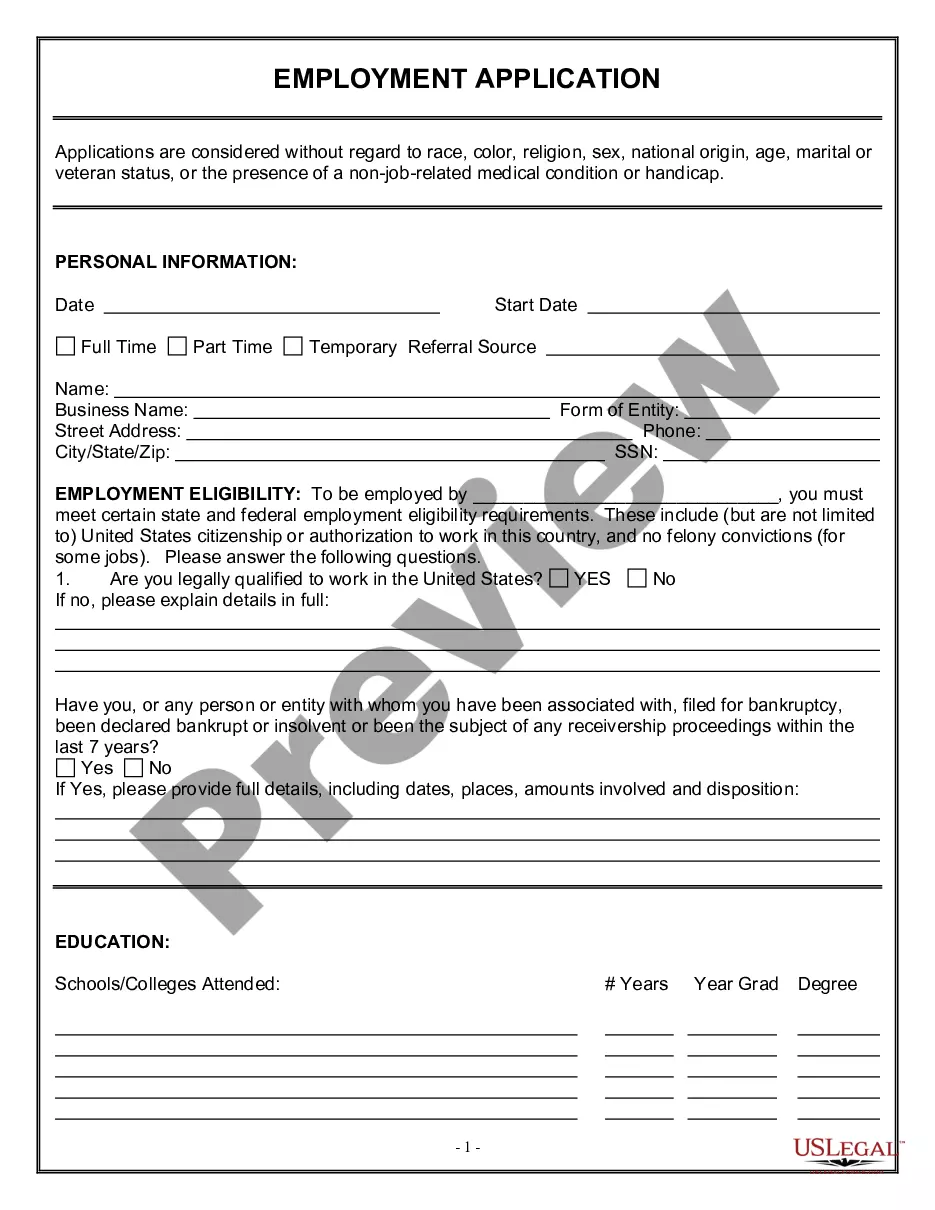
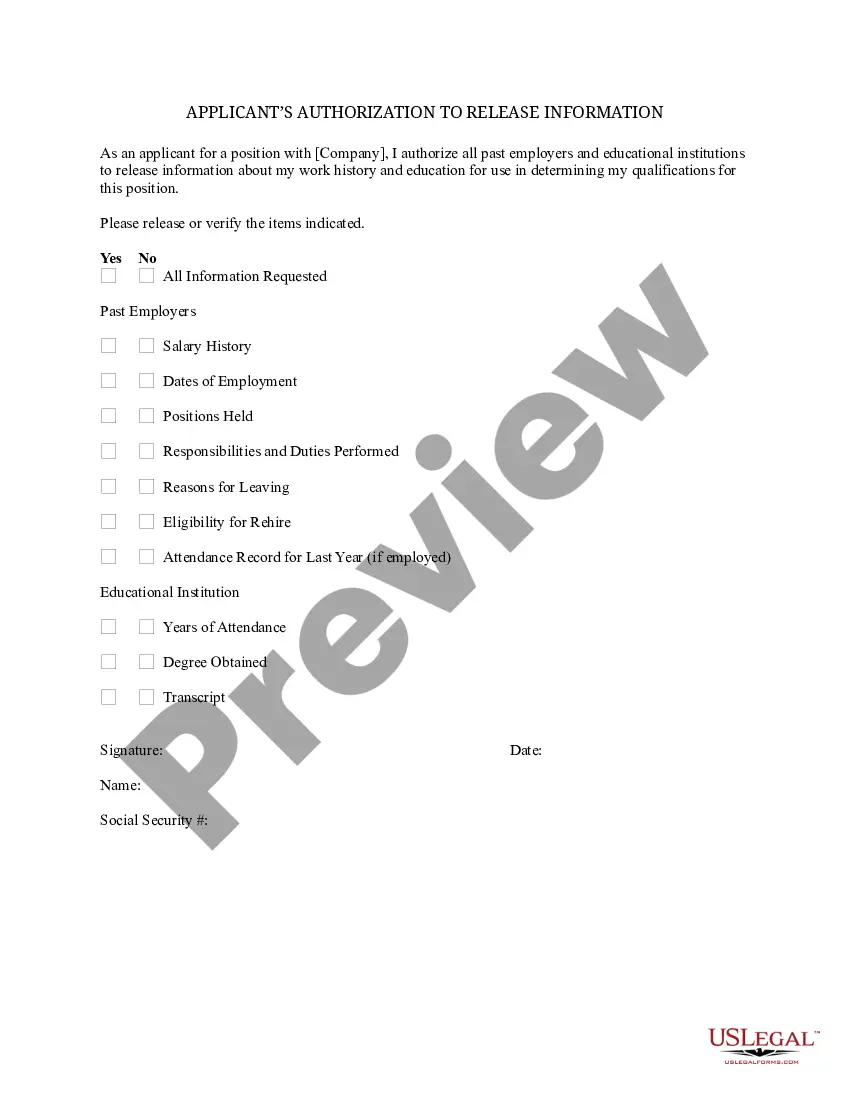
Employee Consent Form Template In Dallas
Description
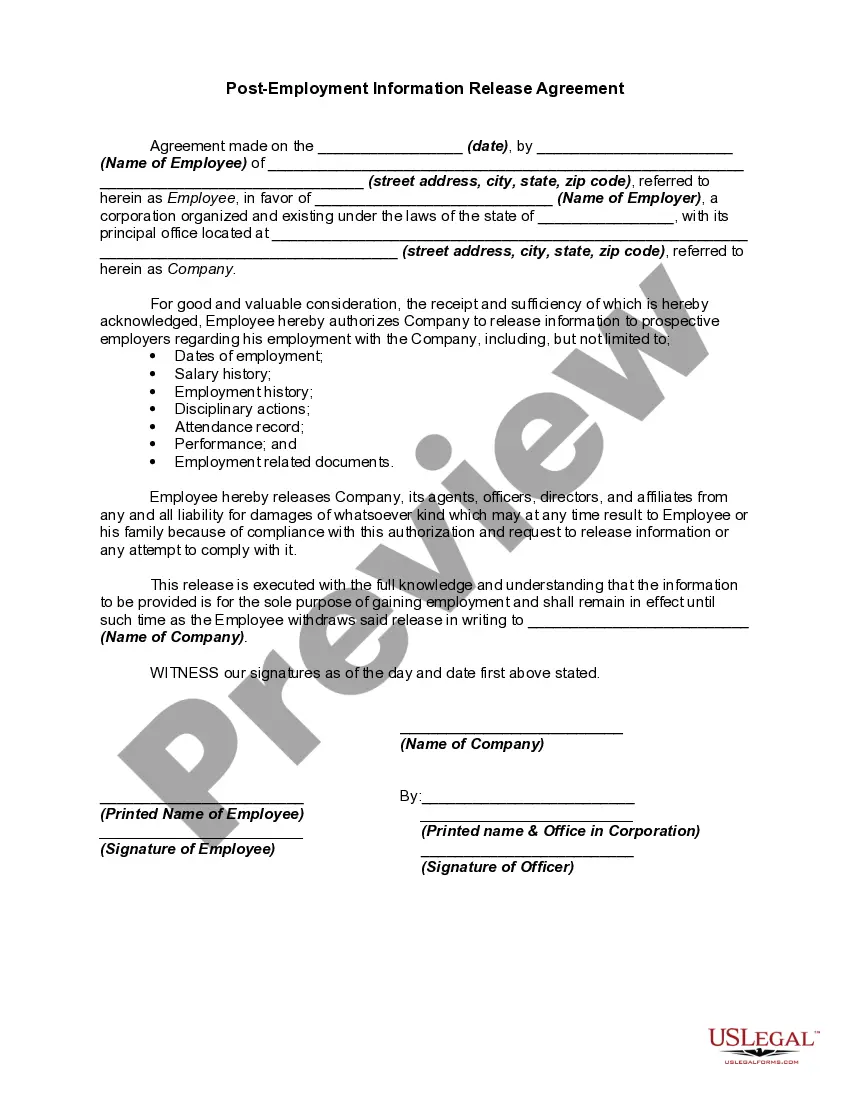
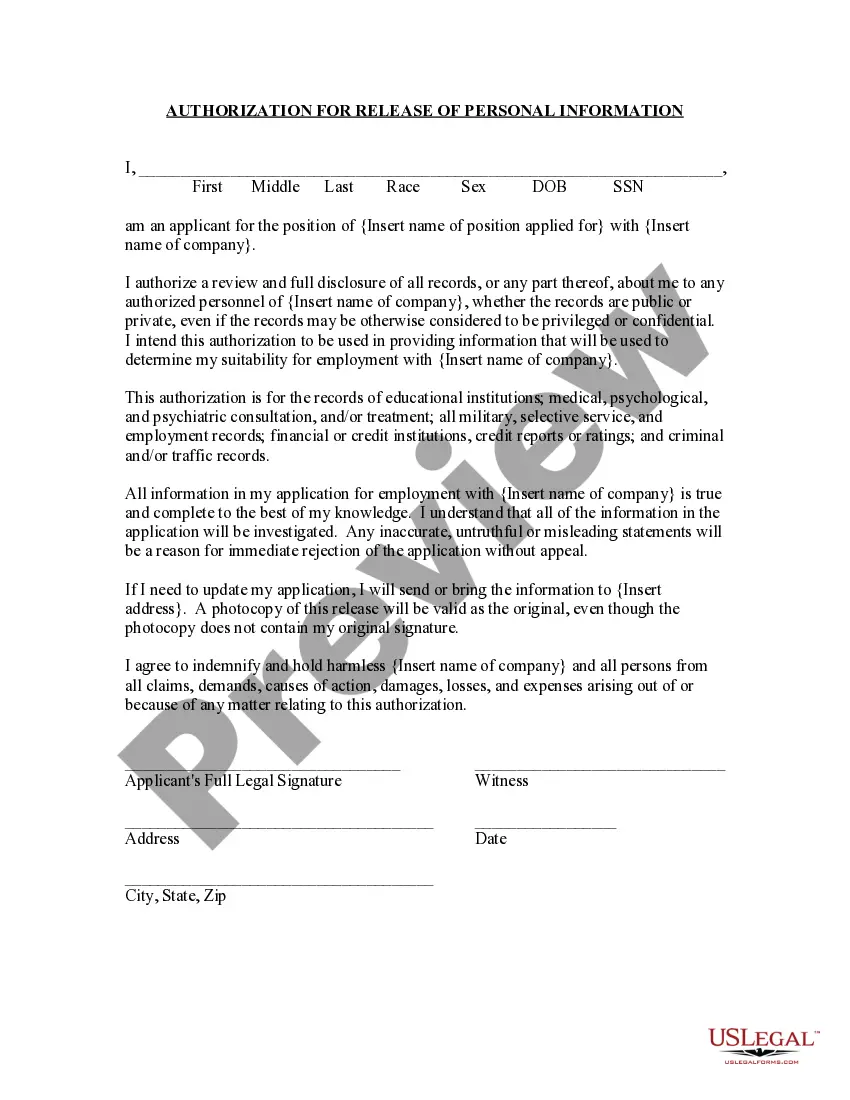
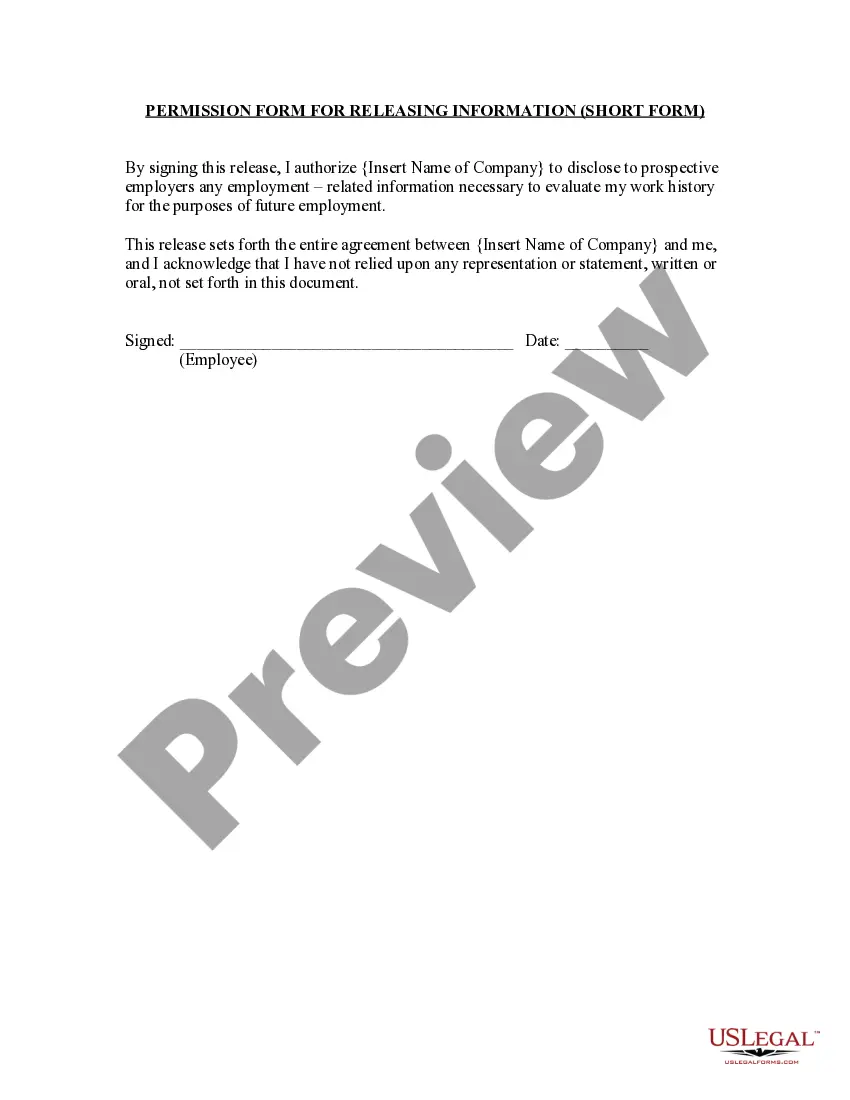
Get your form ready online
Our built-in tools help you complete, sign, share, and store your documents in one place.
Make edits, fill in missing information, and update formatting in US Legal Forms—just like you would in MS Word.
Download a copy, print it, send it by email, or mail it via USPS—whatever works best for your next step.
Sign and collect signatures with our SignNow integration. Send to multiple recipients, set reminders, and more. Go Premium to unlock E-Sign.
If this form requires notarization, complete it online through a secure video call—no need to meet a notary in person or wait for an appointment.
We protect your documents and personal data by following strict security and privacy standards.

Make edits, fill in missing information, and update formatting in US Legal Forms—just like you would in MS Word.

Download a copy, print it, send it by email, or mail it via USPS—whatever works best for your next step.

Sign and collect signatures with our SignNow integration. Send to multiple recipients, set reminders, and more. Go Premium to unlock E-Sign.

If this form requires notarization, complete it online through a secure video call—no need to meet a notary in person or wait for an appointment.

We protect your documents and personal data by following strict security and privacy standards.
Looking for another form?










Form popularity
FAQ
State the Purpose: Mention the letter's purpose and what you consent to. Be specific about the details. Provide Details: Include any relevant details about the consent, such as dates, locations, and conditions. Sign and Date: End with your signature and date.
Documenting informed consent occurs after explaining the research and assessing participant comprehension. At minimum, it involves obtaining the signature of the participant (or the legally-authorized representative or parent(s), when approved) as well as the person obtaining consent.
Follow these steps to write an effective consent form. Step 1: Title and introduction. Step 2: Description of the activity. Step 3: Risks and benefits. Step 4: Confidentiality and data handling. Step 5: Voluntary participation and withdrawal. Step 6: Consent statement. Step 7: Signature and date. Step 8: Contact information.
Documenting informed consent occurs after explaining the research and assessing participant comprehension. At minimum, it involves obtaining the signature of the participant (or the legally-authorized representative or parent(s), when approved) as well as the person obtaining consent.
I consent to participate in the research project and the following has been explained to me: the research may not be of direct benefit to me. my participation is completely voluntary. my right to withdraw from the study at any time without any implications to me.
As technology has advanced, electronic (and digital) signature has become acceptable for documenting legally effective informed consent if implemented correctly by the study team.
You must clearly explain to people what they are consenting to in a way they can easily understand. The request for consent needs to be prominent, concise, separate from other terms and conditions, and in plain language. If the request for consent is vague, sweeping or difficult to understand, then it will be invalid.
Consent must be taken from the patient himself The doctor before performing any procedure must obtain patient's consent. 5 No one can consent on behalf of a competent adult.
A consent letter should include the title, sender and recipient's details, date, statement of consent, relevant details or conditions, acknowledgment of risks (if applicable), and signature.