Consent With Work
Description
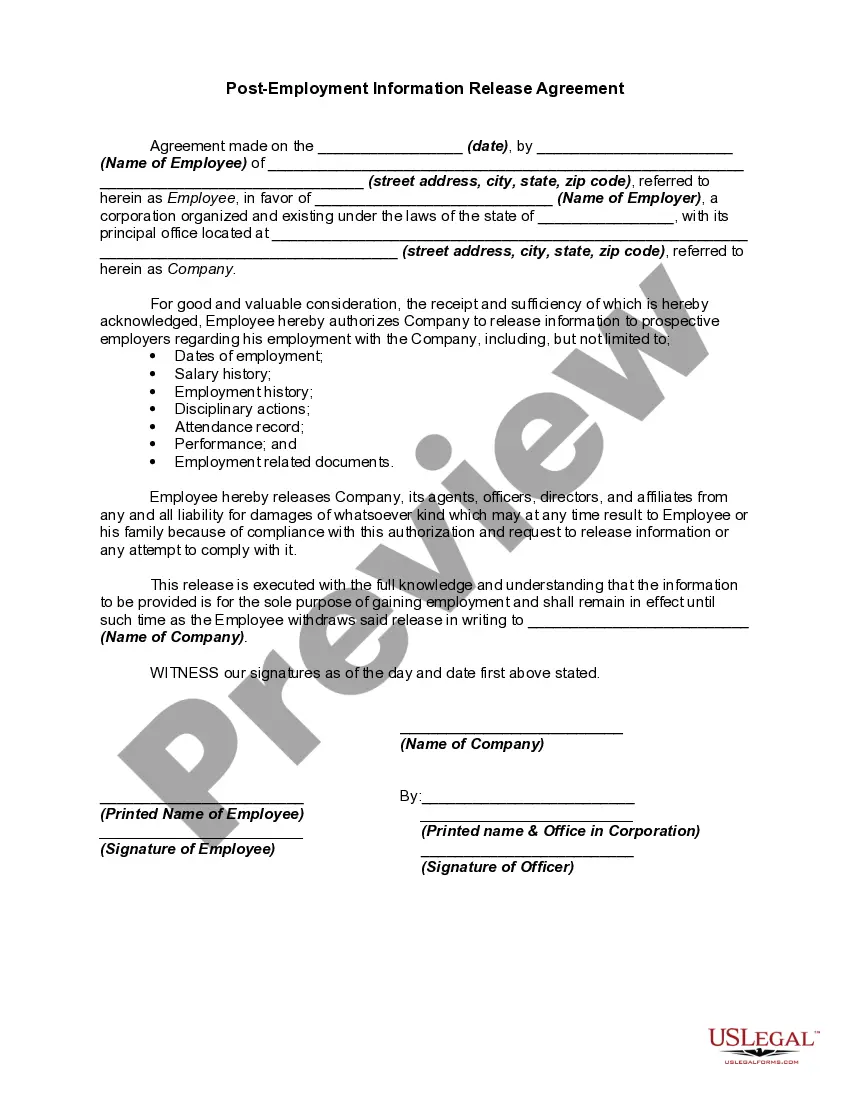
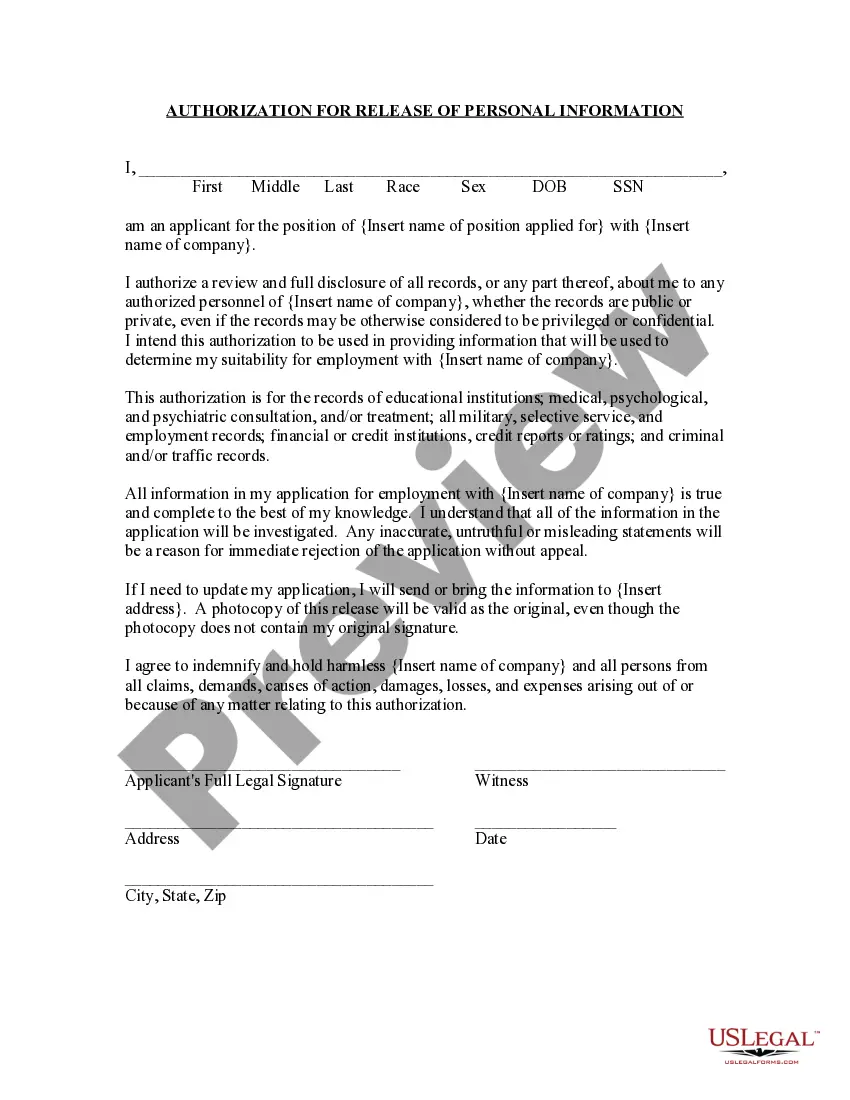
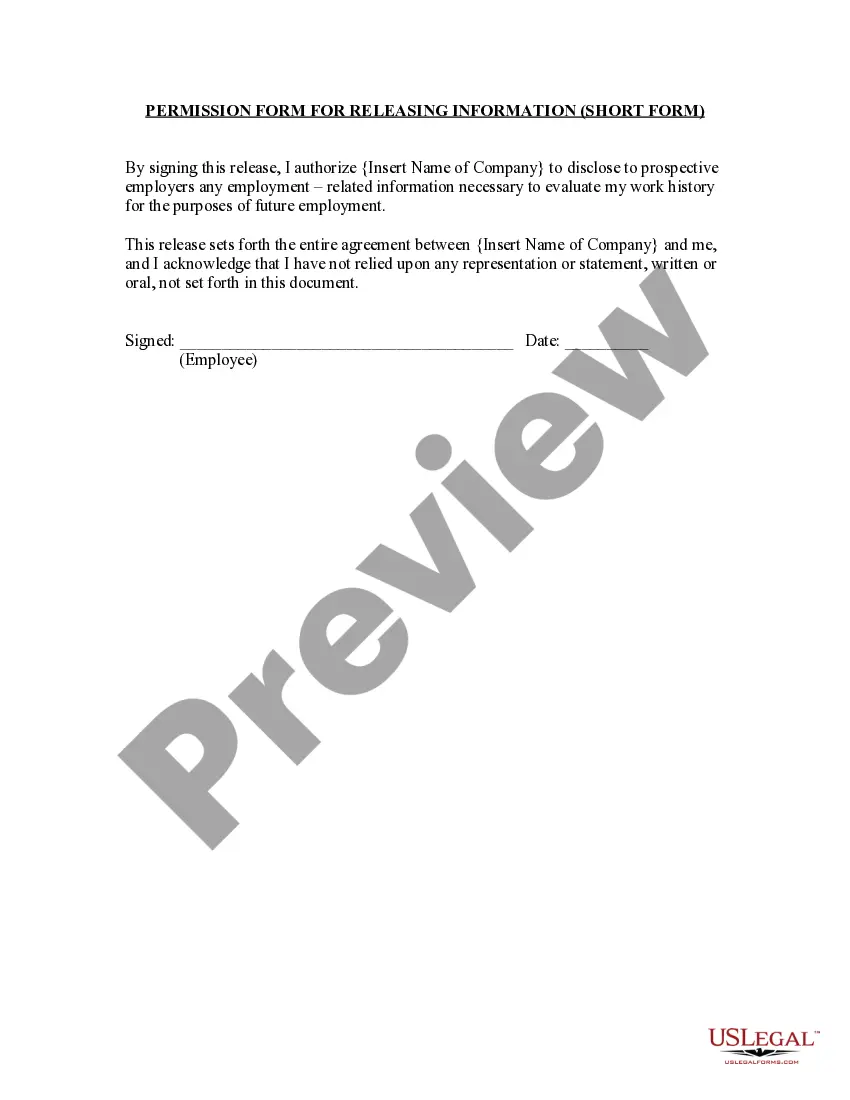
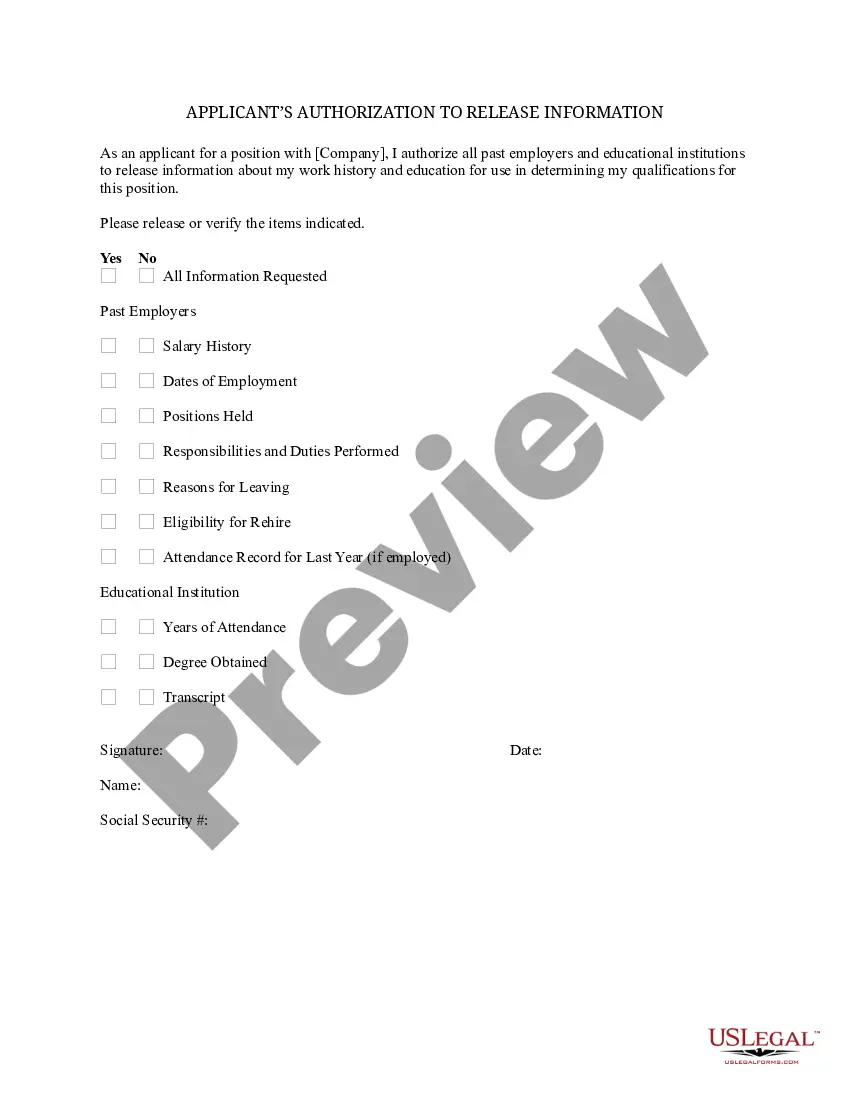
Get your form ready online
Our built-in tools help you complete, sign, share, and store your documents in one place.
Make edits, fill in missing information, and update formatting in US Legal Forms—just like you would in MS Word.
Download a copy, print it, send it by email, or mail it via USPS—whatever works best for your next step.
Sign and collect signatures with our SignNow integration. Send to multiple recipients, set reminders, and more. Go Premium to unlock E-Sign.
If this form requires notarization, complete it online through a secure video call—no need to meet a notary in person or wait for an appointment.
We protect your documents and personal data by following strict security and privacy standards.

Make edits, fill in missing information, and update formatting in US Legal Forms—just like you would in MS Word.

Download a copy, print it, send it by email, or mail it via USPS—whatever works best for your next step.

Sign and collect signatures with our SignNow integration. Send to multiple recipients, set reminders, and more. Go Premium to unlock E-Sign.

If this form requires notarization, complete it online through a secure video call—no need to meet a notary in person or wait for an appointment.

We protect your documents and personal data by following strict security and privacy standards.
Looking for another form?
How to fill out Consent To Release Of Employment Information And Release?
Locating a reliable source to obtain the latest and suitable legal templates constitutes a significant part of managing bureaucracy. Identifying the appropriate legal documents requires precision and meticulousness, which is why it is crucial to acquire samples of Consent With Work exclusively from reputable providers, such as US Legal Forms. An incorrect template can squander your time and hinder your current situation. With US Legal Forms, you have minimal concerns. You can access and review all the information regarding the document’s applicability and significance for your circumstance and in your jurisdiction.
Consider the following steps to finalize your Consent With Work.
Once you have the form on your device, you can edit it using the editor or print it and fill it out manually. Eliminate the inconvenience associated with your legal documentation. Browse the extensive US Legal Forms catalog where you can discover legal templates, verify their applicability to your situation, and download them immediately.
- Utilize the library navigation or search bar to locate your template.
- Examine the form’s description to determine if it meets the criteria of your jurisdiction.
- Check the form preview, if available, to confirm the template is indeed the one you need.
- Continue your search and find the appropriate document if the Consent With Work does not fulfill your criteria.
- When you are confident about the form’s applicability, download it.
- If you are a registered user, click Log in to verify and access your selected forms in My documents.
- If you do not possess an account yet, click Buy now to obtain the template.
- Choose the pricing plan that suits your requirements.
- Proceed to register to complete your transaction.
- Conclude your purchase by selecting a payment option (credit card or PayPal).
- Select the document format for downloading Consent With Work.
Form popularity
FAQ
Writing a letter of consent for a child to work involves a few key steps. Start by including the child's full name, age, and the specific job details. Next, clearly state your consent as a parent or guardian, and include your contact information. For a streamlined process, you can utilize platforms like US Legal Forms, which offer templates to help you create a legally sound letter of consent.
Recording at work without consent can lead to legal issues, as it often violates privacy rights. In many states, consent with work is required from all parties involved in the recording. Therefore, if you feel uncomfortable about being recorded, you should assert your rights and seek clarification on the company's policy regarding recordings.
When discussing consent with work, it is essential to understand three fundamental rules. First, consent must be given voluntarily, without any pressure or coercion. Second, consent should be informed, meaning that all parties understand what they are agreeing to. Lastly, consent can be revoked at any time, allowing individuals to change their minds about their agreement.
To obtain consent, you should first present the necessary information about the work clearly and transparently. After providing this information, invite questions and confirm understanding before moving forward. Documenting the consent process is crucial, and tools like US Legal Forms can assist in creating proper records.
Getting consent involves engaging with individuals in a respectful manner. Clearly explain the purpose of the work and what consenting means for them. It’s also helpful to provide written materials outlining the details, which can reinforce their understanding and comfort with granting consent.
You can obtain consent through direct communication, ensuring that all parties understand the work involved. Providing written documentation can help clarify what consent entails. Using templates from platforms like US Legal Forms can simplify this process and ensure you meet legal standards.
Legally, consent is determined by the clarity of information provided and the willingness of individuals to agree. The law often requires that consent be informed, voluntary, and specific to the work at hand. To ensure compliance, consider using resources like US Legal Forms to navigate the legal requirements surrounding consent.
The process of obtaining consent involves several steps. First, you should clearly inform individuals about the work and its implications. Then, provide them with an opportunity to ask questions and ensure they understand everything before they provide their consent. Document the consent effectively to maintain a clear record.
To obtain consent, start by providing all necessary information about the work involved. Make sure to outline what the consent covers and any potential risks. It’s essential to allow individuals to provide informed consent voluntarily, without pressure or coercion.
The best way to seek consent is to communicate clearly and directly with the involved parties. You should explain the purpose of obtaining consent and how it relates to the work being done. Always ensure that individuals feel comfortable and empowered to ask questions or voice concerns about the consent process.
