Release Of Information Form Mn In Chicago
Description
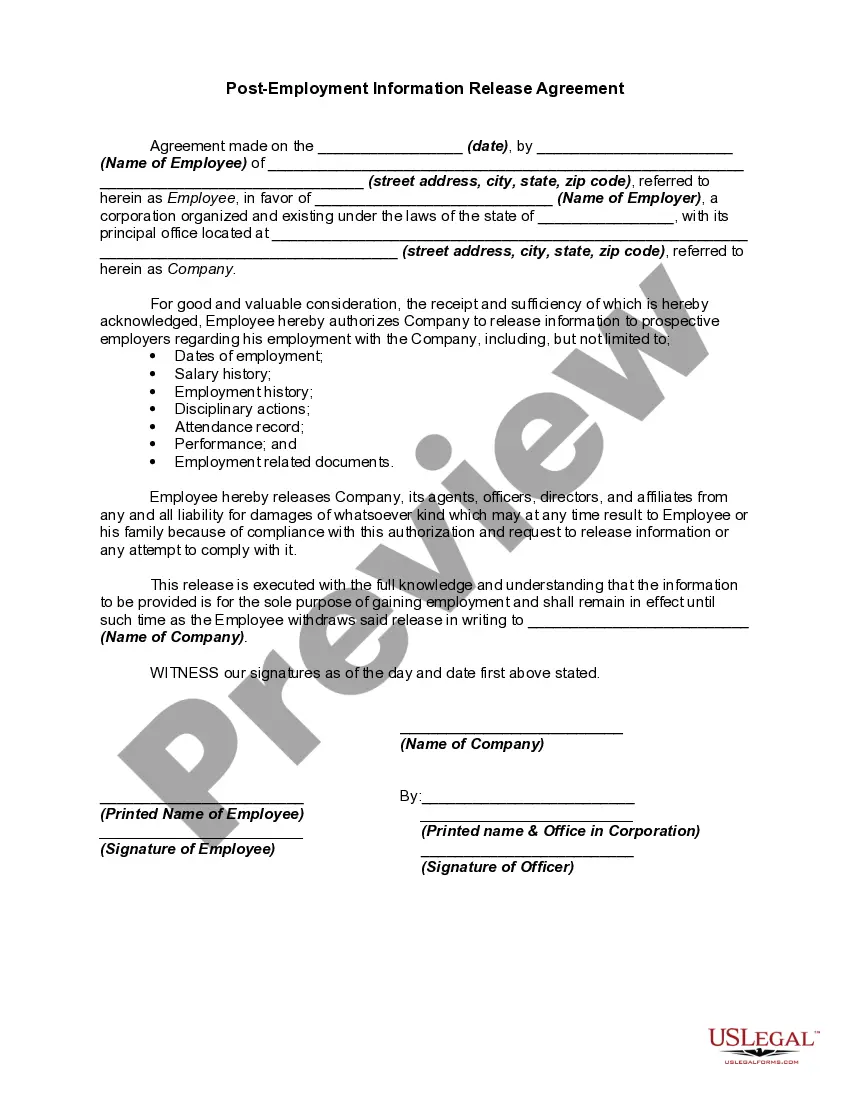
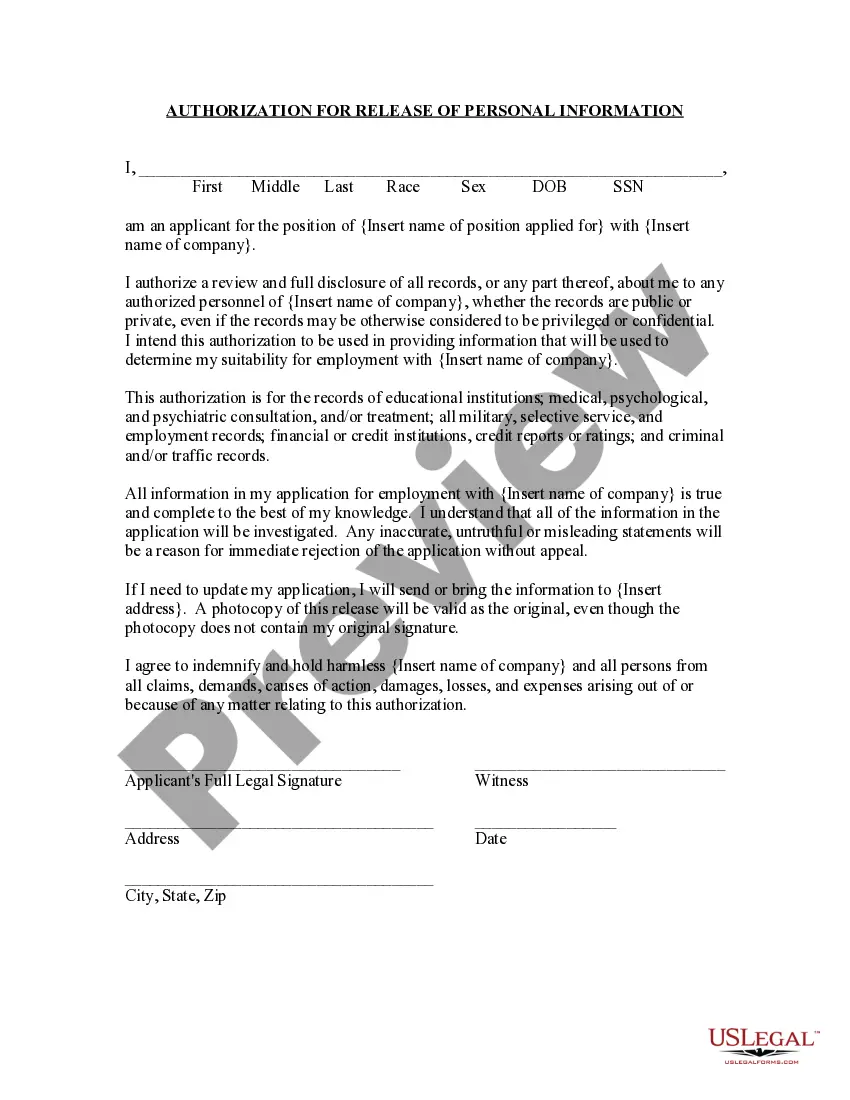
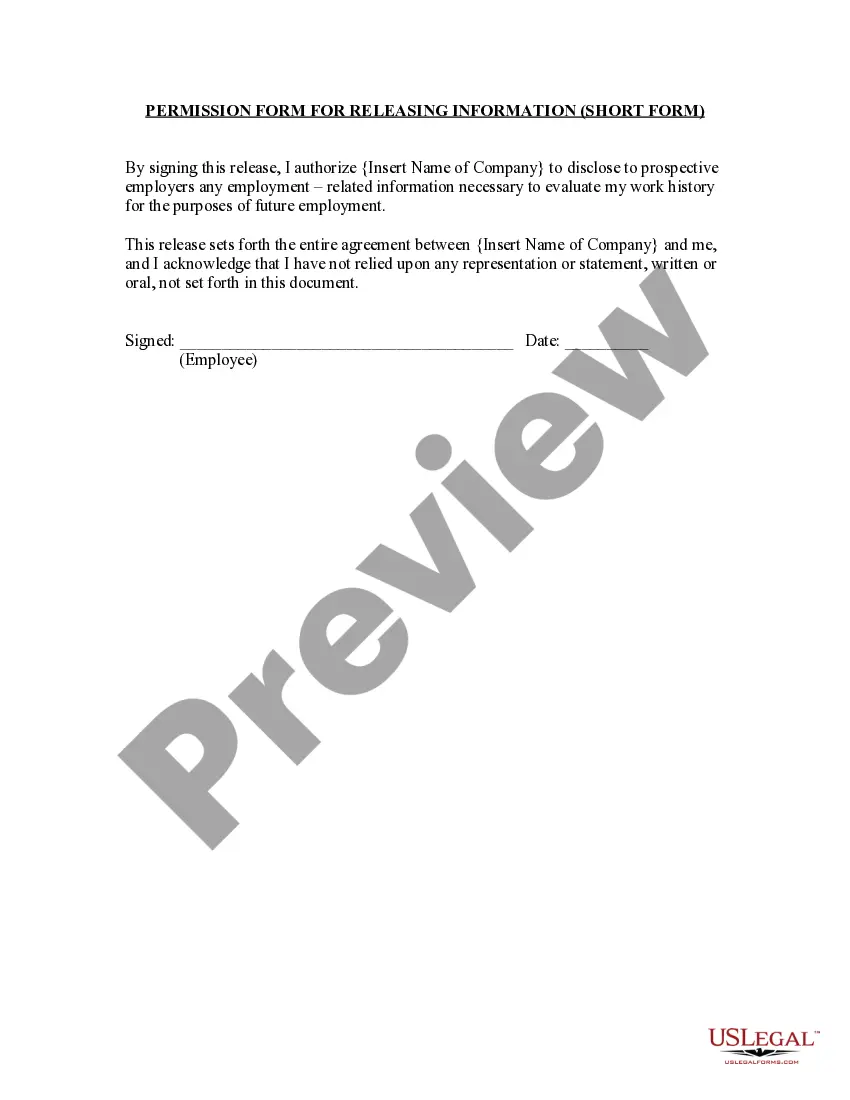
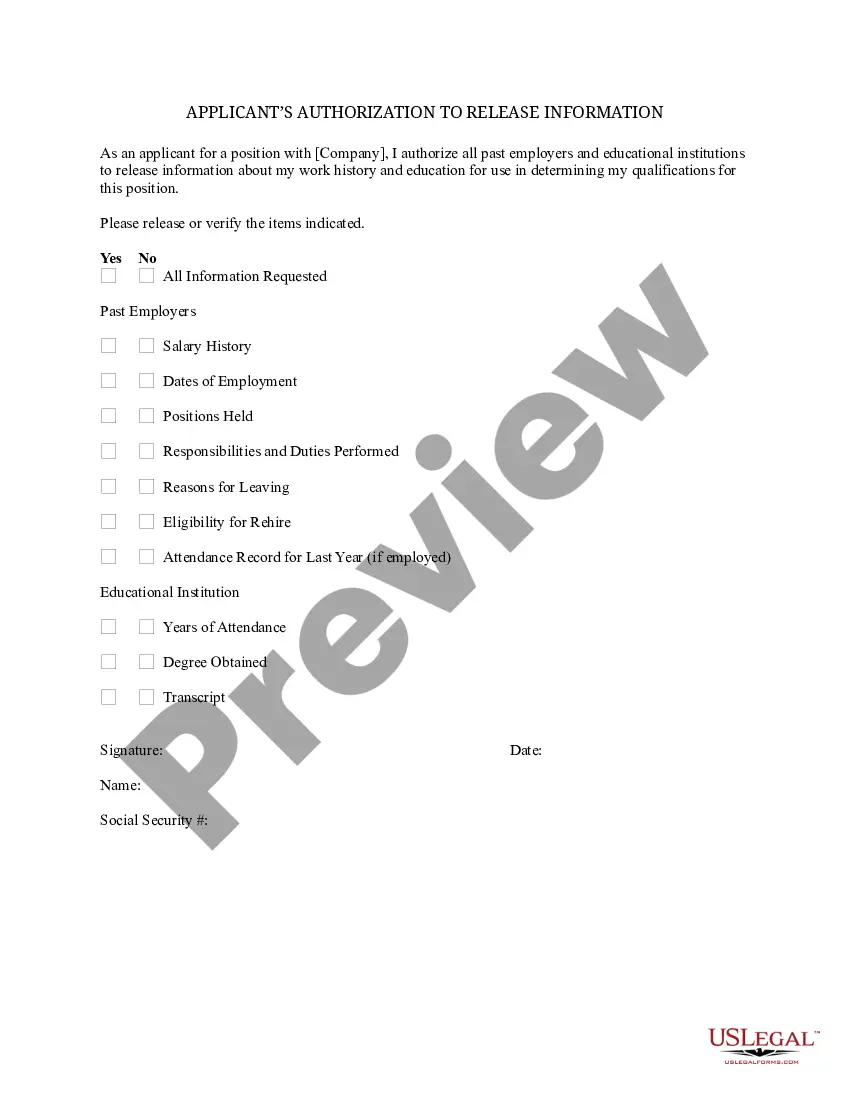
Get your form ready online
Our built-in tools help you complete, sign, share, and store your documents in one place.
Make edits, fill in missing information, and update formatting in US Legal Forms—just like you would in MS Word.
Download a copy, print it, send it by email, or mail it via USPS—whatever works best for your next step.
Sign and collect signatures with our SignNow integration. Send to multiple recipients, set reminders, and more. Go Premium to unlock E-Sign.
If this form requires notarization, complete it online through a secure video call—no need to meet a notary in person or wait for an appointment.
We protect your documents and personal data by following strict security and privacy standards.

Make edits, fill in missing information, and update formatting in US Legal Forms—just like you would in MS Word.

Download a copy, print it, send it by email, or mail it via USPS—whatever works best for your next step.

Sign and collect signatures with our SignNow integration. Send to multiple recipients, set reminders, and more. Go Premium to unlock E-Sign.

If this form requires notarization, complete it online through a secure video call—no need to meet a notary in person or wait for an appointment.

We protect your documents and personal data by following strict security and privacy standards.
Looking for another form?










Form popularity
FAQ
The Rules for the Health Insurance Portability and Accountability Act (“HIPAA”) require that records be maintained for a minimum of 6 years from the date of their creation and that records of any disclosure be maintained for 6 years from the disclosure date.
Under the Illinois Hospital Licensing Act, healthcare facilities must retain the medical records of every patient as per hospital policy and for at least ten years. This act implies that a subpoena for medical records in Illinois can go ten years back.
Check their website: Information about how to get your health record may be found under the Contact Us section of a provider's website. It may direct you to an online portal, a phone number, an email address, or a form. Phone or visit: You can also call or visit your provider and ask them how to get your health record.
: a politically organized body of people usually occupying a definite territory. especially : one that is sovereign. b. : the political organization of such a body of people.
The Minnesota Health Records Act is in Minnesota Statutes 144.291-. 298 (formerly part of Minnesota Statutes 144.335).
You can submit your medical records request via email or mail to the hospital from which you're seeking the records. If you send via mail, please address the envelope to the attention of the Health Information Management Department at the hospital. You also can stop in and drop off your request in person.
You can submit your medical records request via email or mail to the hospital from which you're seeking the records. If you send via mail, please address the envelope to the attention of the Health Information Management Department at the hospital. You also can stop in and drop off your request in person.
The Minnesota Government Data Practices Act (Minnesota Statutes Chapter 13) is a state law that creates both rights and obligations around government data.
Records retention. The provider shall retain a client's records for a minimum of seven years after the date of the provider's last professional service to the client, except as otherwise provided by law.
You can submit your medical records request via email or mail to the hospital from which you're seeking the records. If you send via mail, please address the envelope to the attention of the Health Information Management Department at the hospital. You also can stop in and drop off your request in person.

