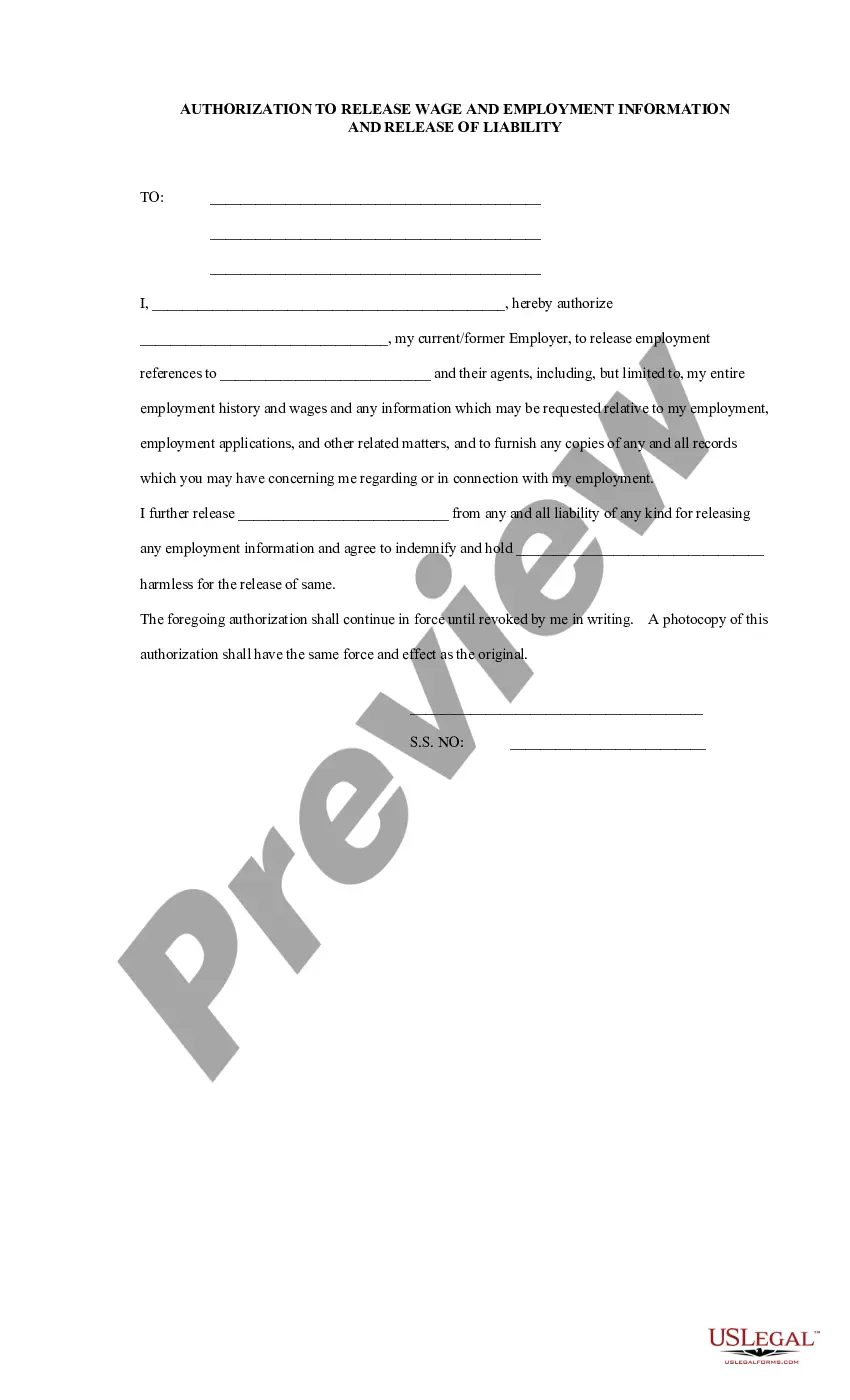
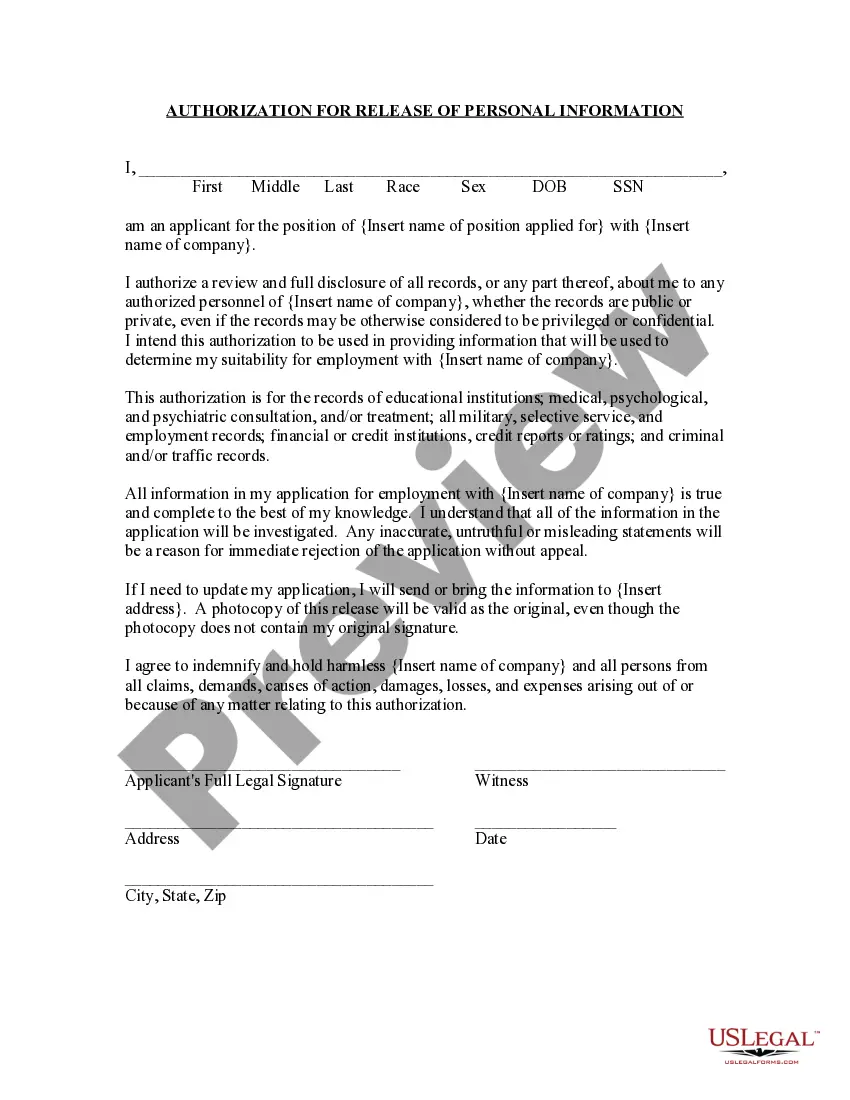
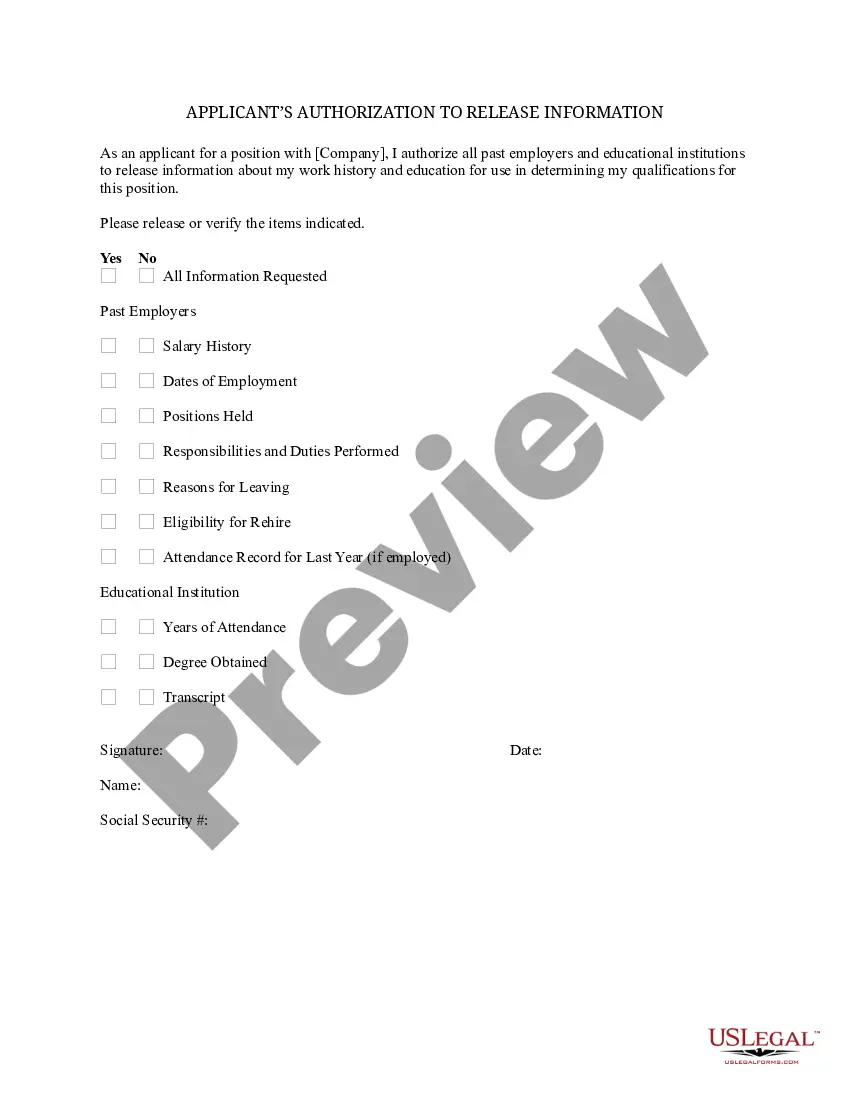
Release Of Information For Therapist In California
Description
Get your form ready online
Our built-in tools help you complete, sign, share, and store your documents in one place.
Make edits, fill in missing information, and update formatting in US Legal Forms—just like you would in MS Word.
Download a copy, print it, send it by email, or mail it via USPS—whatever works best for your next step.
Sign and collect signatures with our SignNow integration. Send to multiple recipients, set reminders, and more. Go Premium to unlock E-Sign.
If this form requires notarization, complete it online through a secure video call—no need to meet a notary in person or wait for an appointment.
We protect your documents and personal data by following strict security and privacy standards.

Make edits, fill in missing information, and update formatting in US Legal Forms—just like you would in MS Word.

Download a copy, print it, send it by email, or mail it via USPS—whatever works best for your next step.

Sign and collect signatures with our SignNow integration. Send to multiple recipients, set reminders, and more. Go Premium to unlock E-Sign.

If this form requires notarization, complete it online through a secure video call—no need to meet a notary in person or wait for an appointment.

We protect your documents and personal data by following strict security and privacy standards.
Looking for another form?




Form popularity
FAQ
Regents of the University of California that took place in the 1970s. “Duty to warn” laws state that if a therapist comes to believe that there is an active threat or specific plan to cause life-threatening harm to someone, the therapist has an ethical responsibility to report it.
In most cases, therapists are bound by confidentiality, and legal reporting is rare. However, there are exceptions if a client poses a serious threat to themselves or others, or if there's suspected child or elder abuse. Additionally, disclosure may occur under court order.
A mental health therapist is considered a mandatory reporter in certain cases under a "duty to warn" and may be subject to legal repercussions if they fail to disclose things like suicide risk, intent to harm, or risk of child abuse.
All health records of discharged patients shall be completed and filed within 30 days after discharge date and such records shall be kept for a minimum of 7 years, except for minors whose records shall be kept at least until 1 year after the minor has reached the age of 18 years, but in no case less than 7 years.
When engaging in interstate practice, psychologists must comply with all laws and regulations relevant to both the psychologist's own state and the place where the patient is. People who provide psychotherapy or counseling to people in California must be licensed in California.
All persons hired into positions included on the list of mandated reporters are required, upon employment, to be provided with a statement, informing them that they are a mandated reporter and their obligations to report suspected cases of abuse and neglect pursuant to California Penal Code Section 11166.5.
The psychotherapist-patient privilege only protects “confidential communication” between a patient and a psychotherapist, that is information that is transmitted as part of the therapeutic relationship, including information obtained from the therapist's examination of the patient, the therapist's diagnosis, and the ...
Exceptions to the Duty of Confidentiality Waiver. A person who confides in a professional can waive the protection of professional secrecy. In Case of Danger. Committing a Crime. Infectious Diseases. Inspection and Investigation by Professional Orders. Search for the Truth. Protection of Children.
The patient may enter the date he/she wants the authorization to expire. The patient may enter an expiration event. The patient may enter a date range of information to be shared. If no expiration date is specified, this authorization is good for 12 months from the date signed in Section IX.
Counseling is confidential The law in the State of California mandates that information may be appropriately shared when the following conditions exist: If you present an imminent threat of harm to yourself or others. When there is an indication of abuse of a child, dependent adult or elderly adult.