Release Of Information Example In California
Description
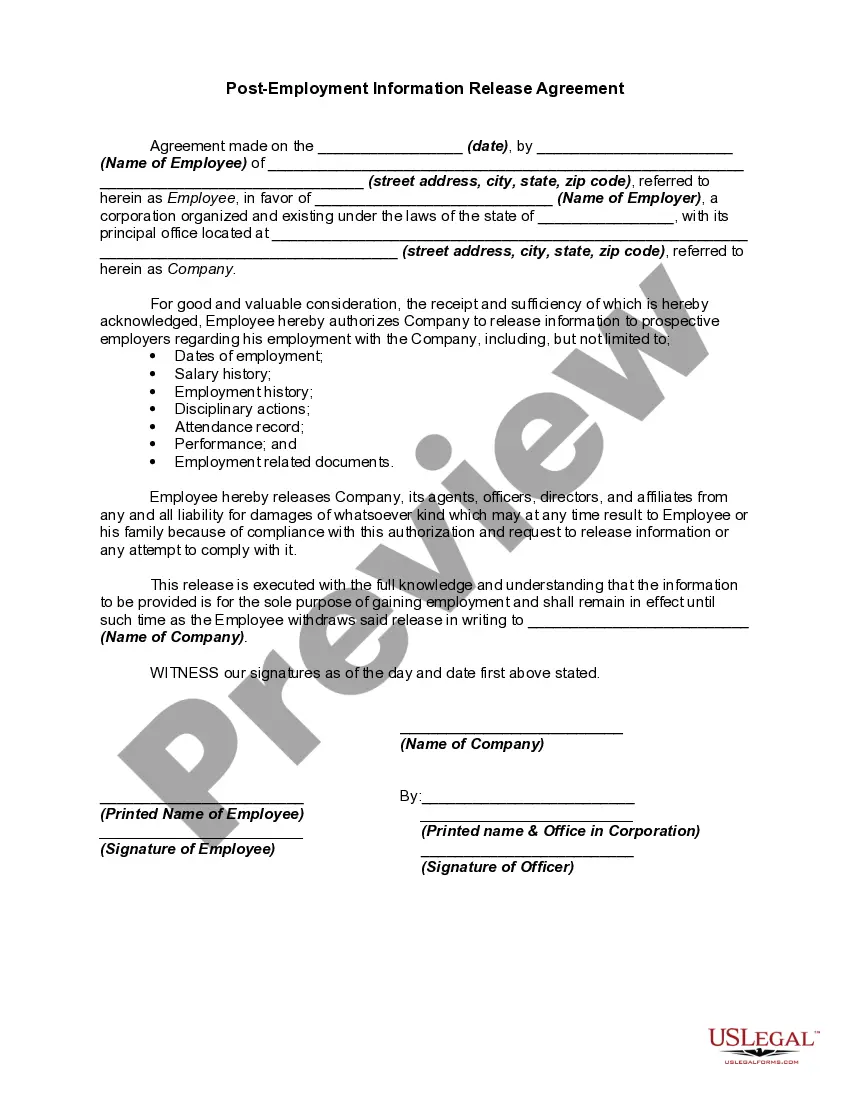
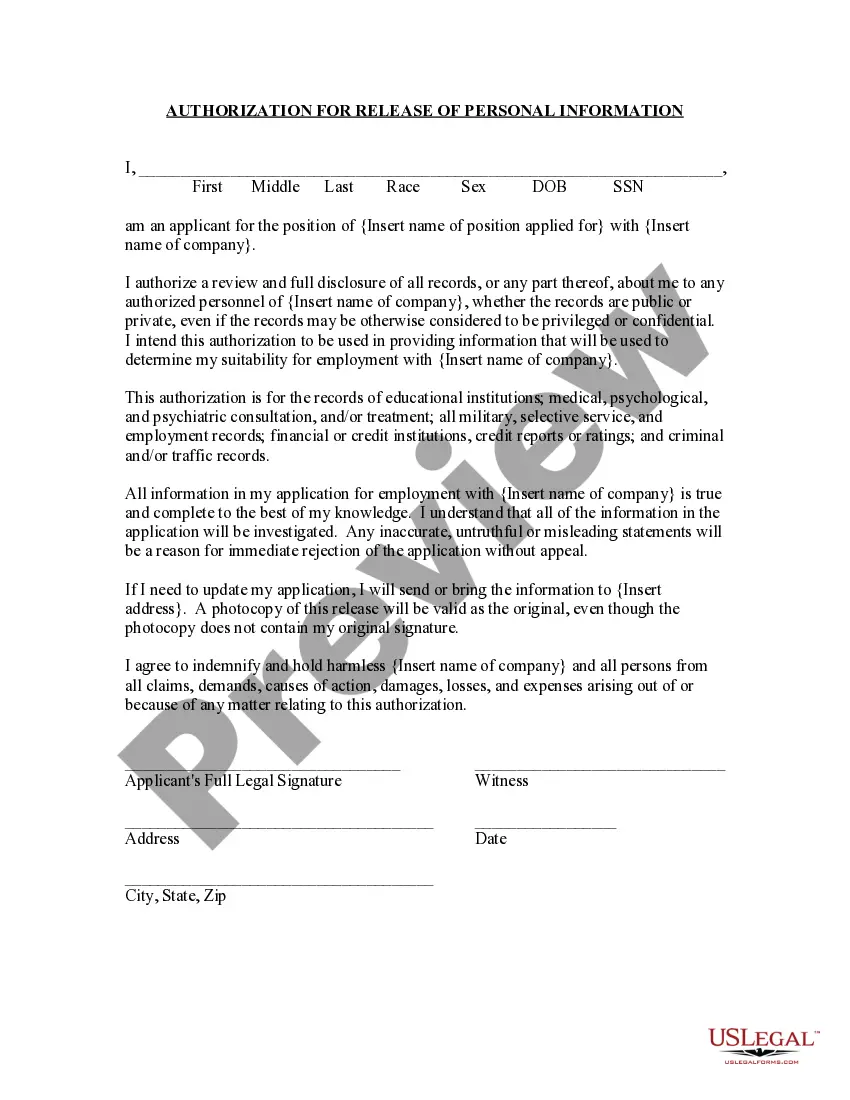
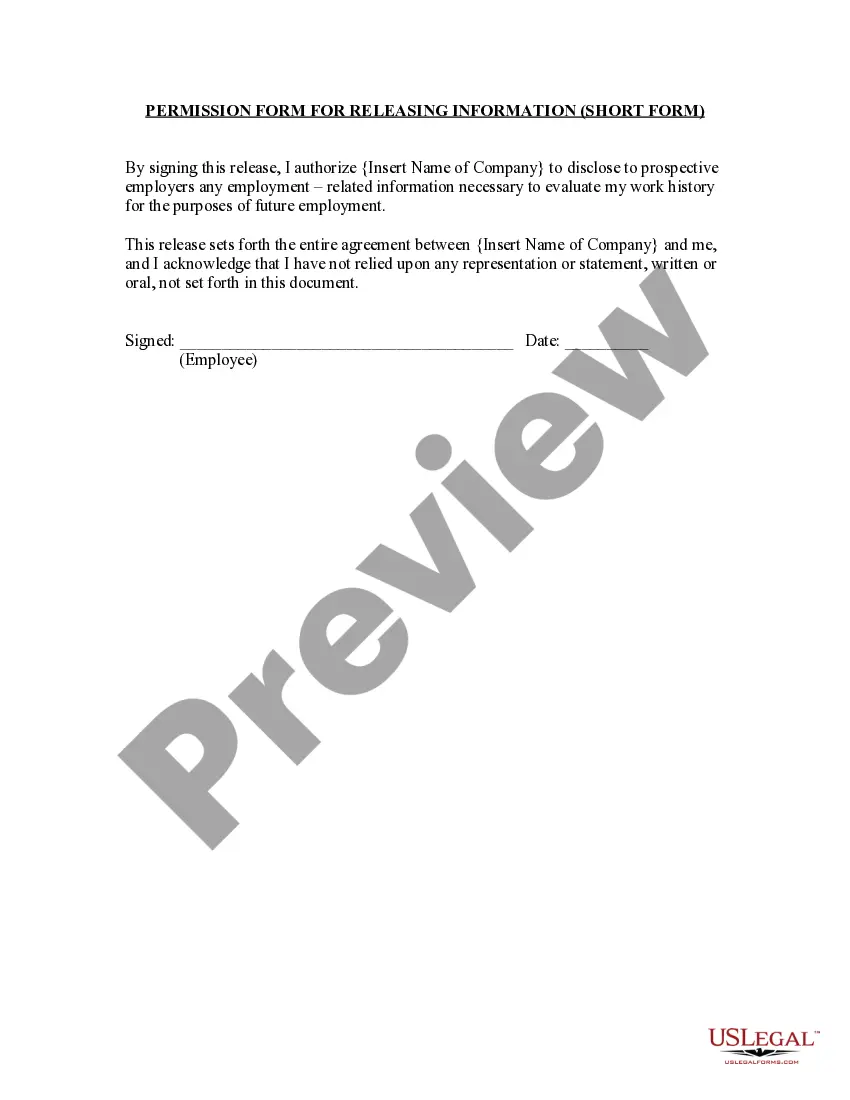
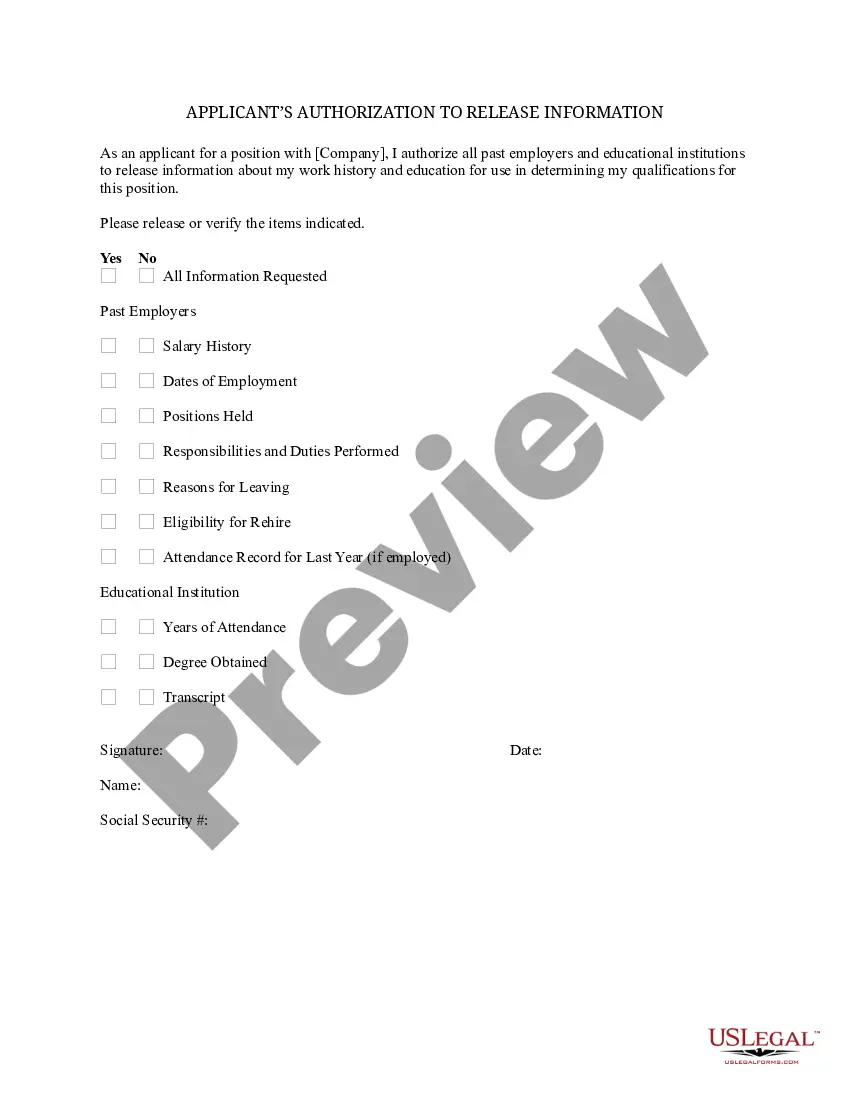
Get your form ready online
Our built-in tools help you complete, sign, share, and store your documents in one place.
Make edits, fill in missing information, and update formatting in US Legal Forms—just like you would in MS Word.
Download a copy, print it, send it by email, or mail it via USPS—whatever works best for your next step.
Sign and collect signatures with our SignNow integration. Send to multiple recipients, set reminders, and more. Go Premium to unlock E-Sign.
If this form requires notarization, complete it online through a secure video call—no need to meet a notary in person or wait for an appointment.
We protect your documents and personal data by following strict security and privacy standards.

Make edits, fill in missing information, and update formatting in US Legal Forms—just like you would in MS Word.

Download a copy, print it, send it by email, or mail it via USPS—whatever works best for your next step.

Sign and collect signatures with our SignNow integration. Send to multiple recipients, set reminders, and more. Go Premium to unlock E-Sign.

If this form requires notarization, complete it online through a secure video call—no need to meet a notary in person or wait for an appointment.

We protect your documents and personal data by following strict security and privacy standards.
Looking for another form?





Form popularity
FAQ
The California Public Records Act (Statutes of 1968, Chapter 1473; currently codified as Division 10 of Title 1 of the California Government Code) was a law passed by the California State Legislature and signed by governor Ronald Reagan in 1968 requiring inspection or disclosure of governmental records to the public ...
CA Public Records Act Similar to FOIA, the California Public Records Act (CPRA) allows anyone to make a request to the California government for information not available via the public record. Like U.S. FOIA, the CPRA does not apply to the legislative branch (Assembly and Senate) or the judicial branch (courts).
The California Public Records Act does not regulate the use of records obtained from public agencies. One should allow 10 days for an agency to comply with a records request. Exempt: Law enforcement investigations: litigation; and proprietary business data and personal privacy.
Right to limit use and disclosure of sensitive personal information: You can direct businesses to only use your sensitive personal information (for example, your social security number, financial account information, your precise geolocation data, or your genetic data) for limited purposes, such as providing you with ...
For legal professionals and healthcare providers, understanding the primary purpose of a Release of Information (ROI) form is vital for managing sensitive data responsibly.
CA Public Records Act Similar to FOIA, the California Public Records Act (CPRA) allows anyone to make a request to the California government for information not available via the public record. Like U.S. FOIA, the CPRA does not apply to the legislative branch (Assembly and Senate) or the judicial branch (courts).
The patient may enter a date range of information to be shared. If no expiration date is specified, this authorization is good for 12 months from the date signed in Section IX.
You may be able to request your record through your provider's patient portal. You may have to fill out a form — called a health or medical record release form, or request for access—send an email, or mail or fax a letter to your provider.
HIPAA is the acronym for the Health Insurance Portability and Accountability Act that was passed by Congress in 1996. The HIPAA Privacy Rule protects the privacy of your health information. HIPPA says who can examine and receive your health information and gives you specific rights over that information.
What is CMIA? The Confidentiality of Medical Information Act (CMIA) is a California law that protects the confidentiality of individually identifiable medical information obtained by health care providers, health insurers, and their contractors.

