Release Of Information Form Pdf In Arizona
Description
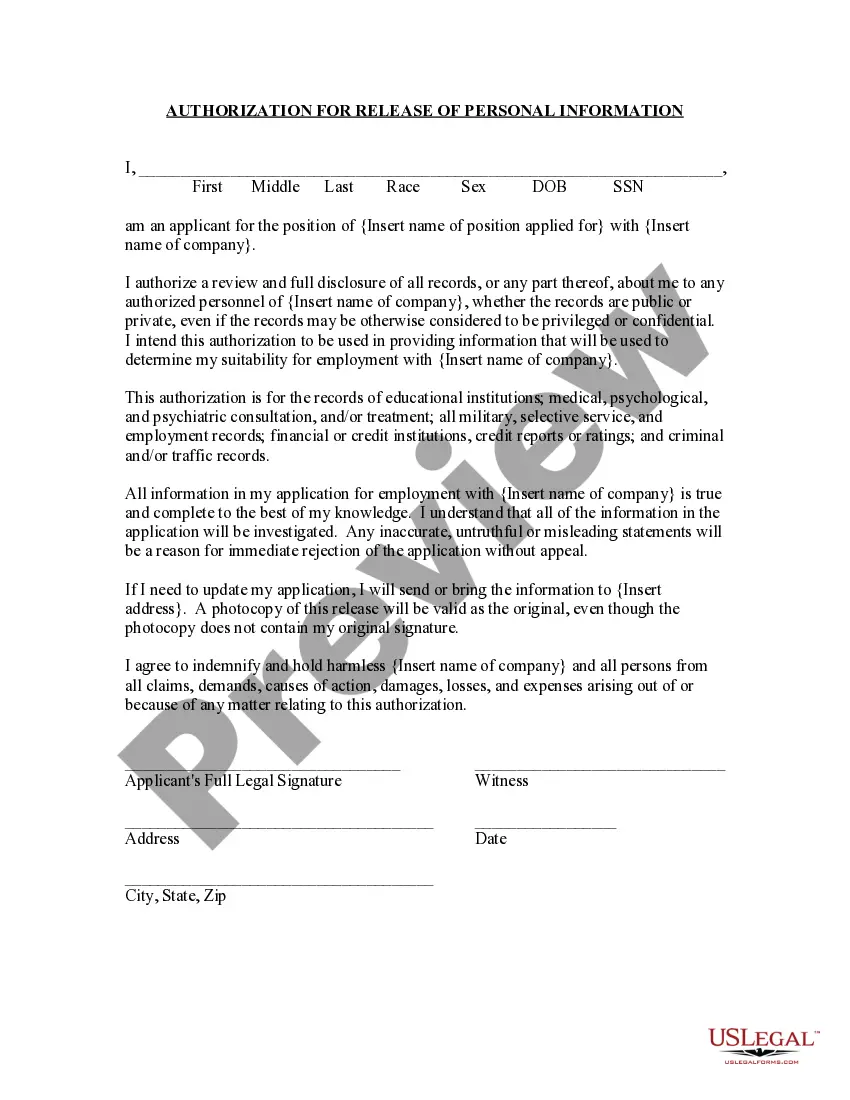
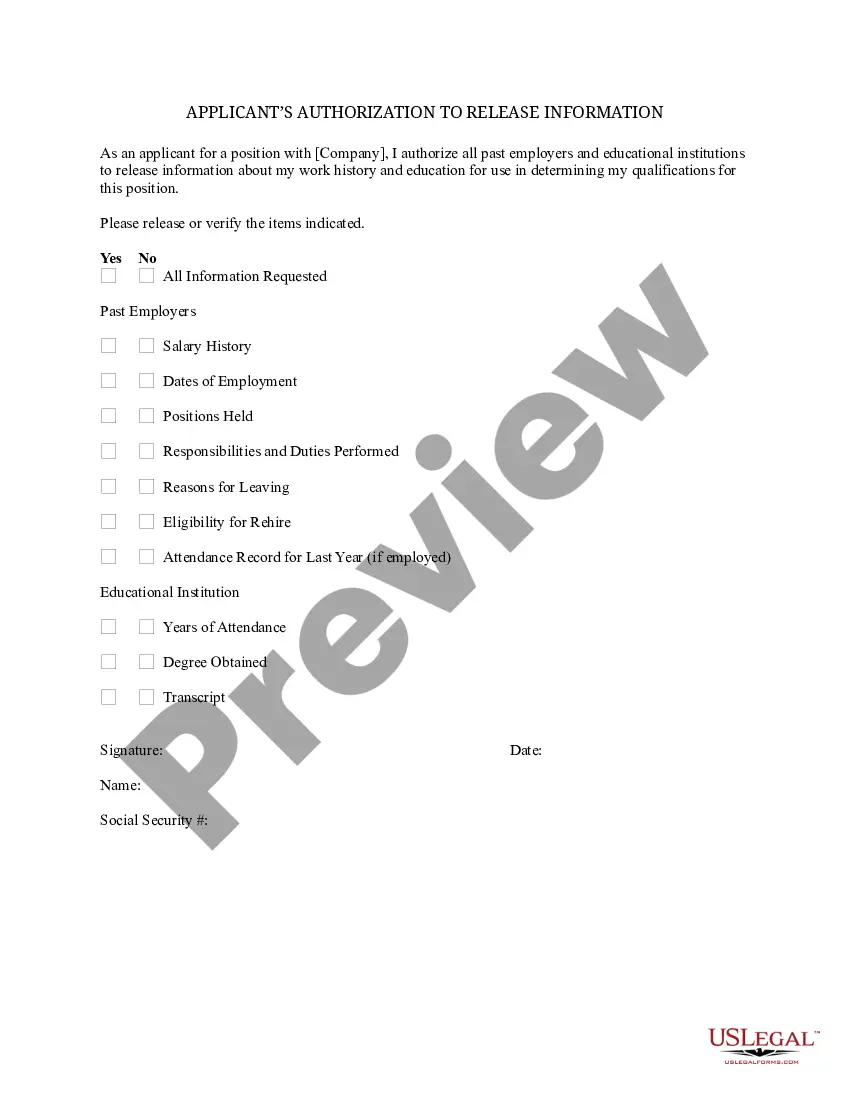
Get your form ready online
Our built-in tools help you complete, sign, share, and store your documents in one place.
Make edits, fill in missing information, and update formatting in US Legal Forms—just like you would in MS Word.
Download a copy, print it, send it by email, or mail it via USPS—whatever works best for your next step.
Sign and collect signatures with our SignNow integration. Send to multiple recipients, set reminders, and more. Go Premium to unlock E-Sign.
If this form requires notarization, complete it online through a secure video call—no need to meet a notary in person or wait for an appointment.
We protect your documents and personal data by following strict security and privacy standards.

Make edits, fill in missing information, and update formatting in US Legal Forms—just like you would in MS Word.

Download a copy, print it, send it by email, or mail it via USPS—whatever works best for your next step.

Sign and collect signatures with our SignNow integration. Send to multiple recipients, set reminders, and more. Go Premium to unlock E-Sign.

If this form requires notarization, complete it online through a secure video call—no need to meet a notary in person or wait for an appointment.

We protect your documents and personal data by following strict security and privacy standards.
Looking for another form?

Form popularity
FAQ
Generally, Arizona law requires health care providers to keep the medical records of adult patients for at least 6 years after the last date the patient received medical care from that provider.
A taxpayer may use Form 285 to authorize the department to release confidential information to the taxpayer's Appointee. The department may have to disclose confidential information to fully discuss tax issues with, or respond to tax questions by, the Appointee.
Generally, Arizona law requires health care providers to keep the medical records of adult patients for at least 6 years after the last date the patient received medical care from that provider.
A health care provider shall disclose medical records or payment records, or the information contained in medical records or payment records, without the patient's written authorization as otherwise required by law or when ordered by a court or tribunal of competent jurisdiction.
The statute of limitation for an alleged action of medical malpractice in Arizona is 2 YEARS. Under the discovery rule followed in Arizona, the cause of action does not accrue until the patient knows or should have known that the malpractice occurred.
Unless otherwise required by statute or by federal law, a health care provider shall retain the original or copies of a patient's medical records as follows: 1. If the patient is an adult, for at least six years after the last date the adult patient received medical or health care services from that provider.
