Indemnity Claims In Construction In San Jose
Description
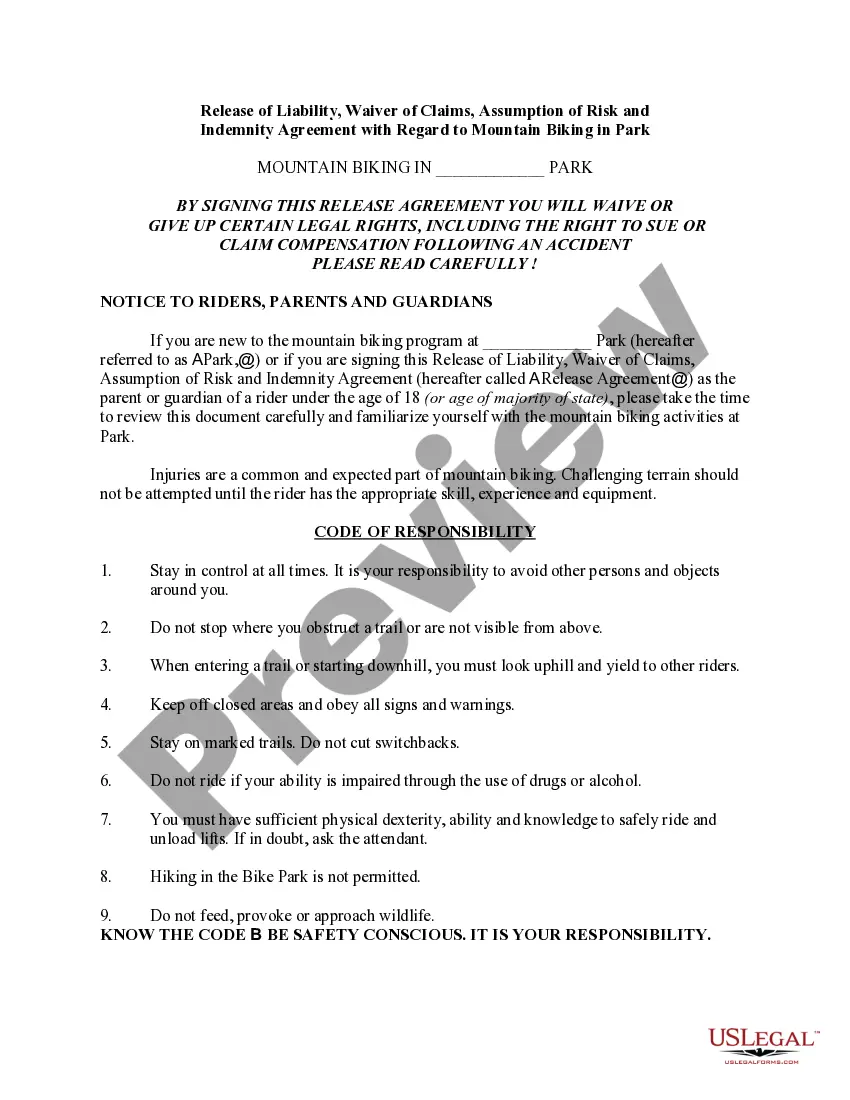
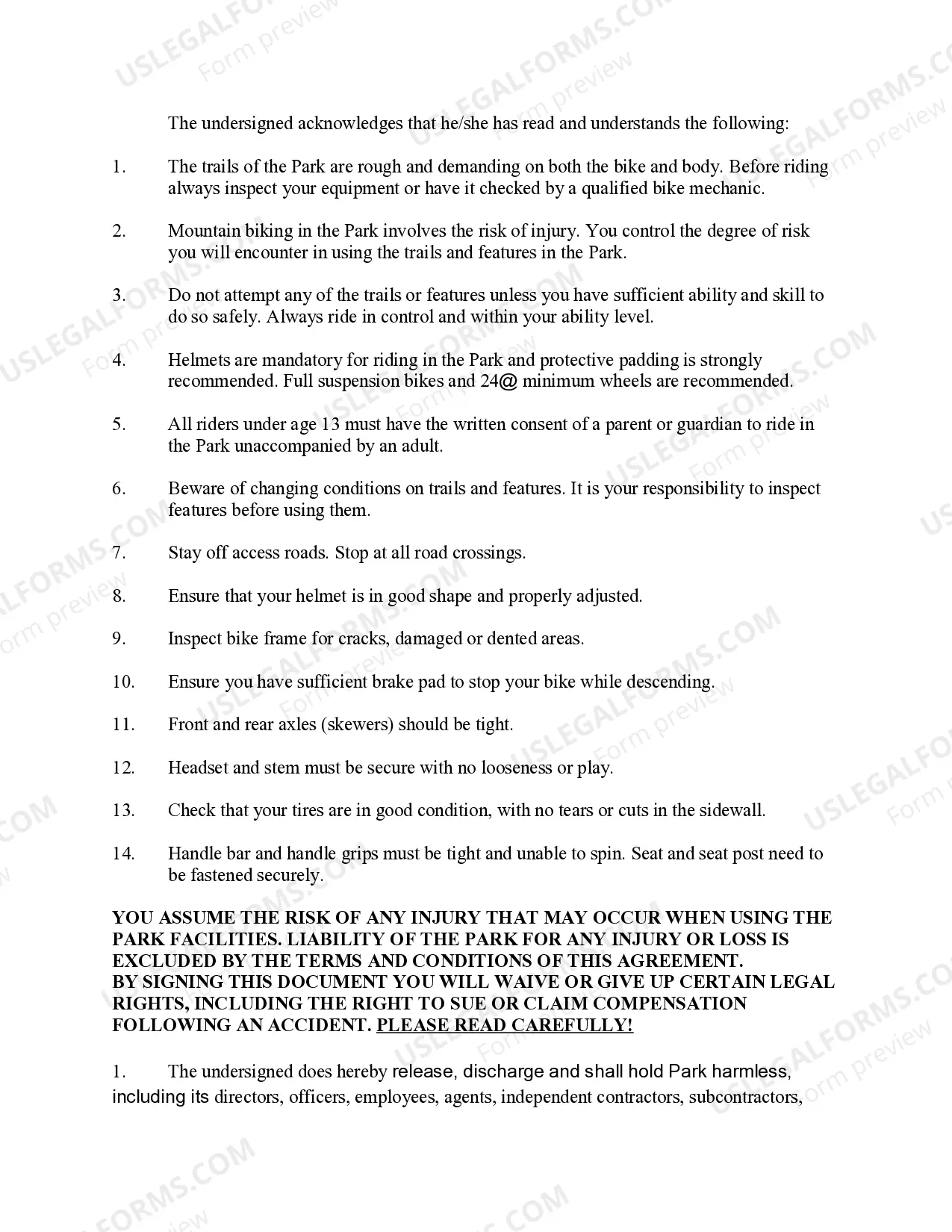
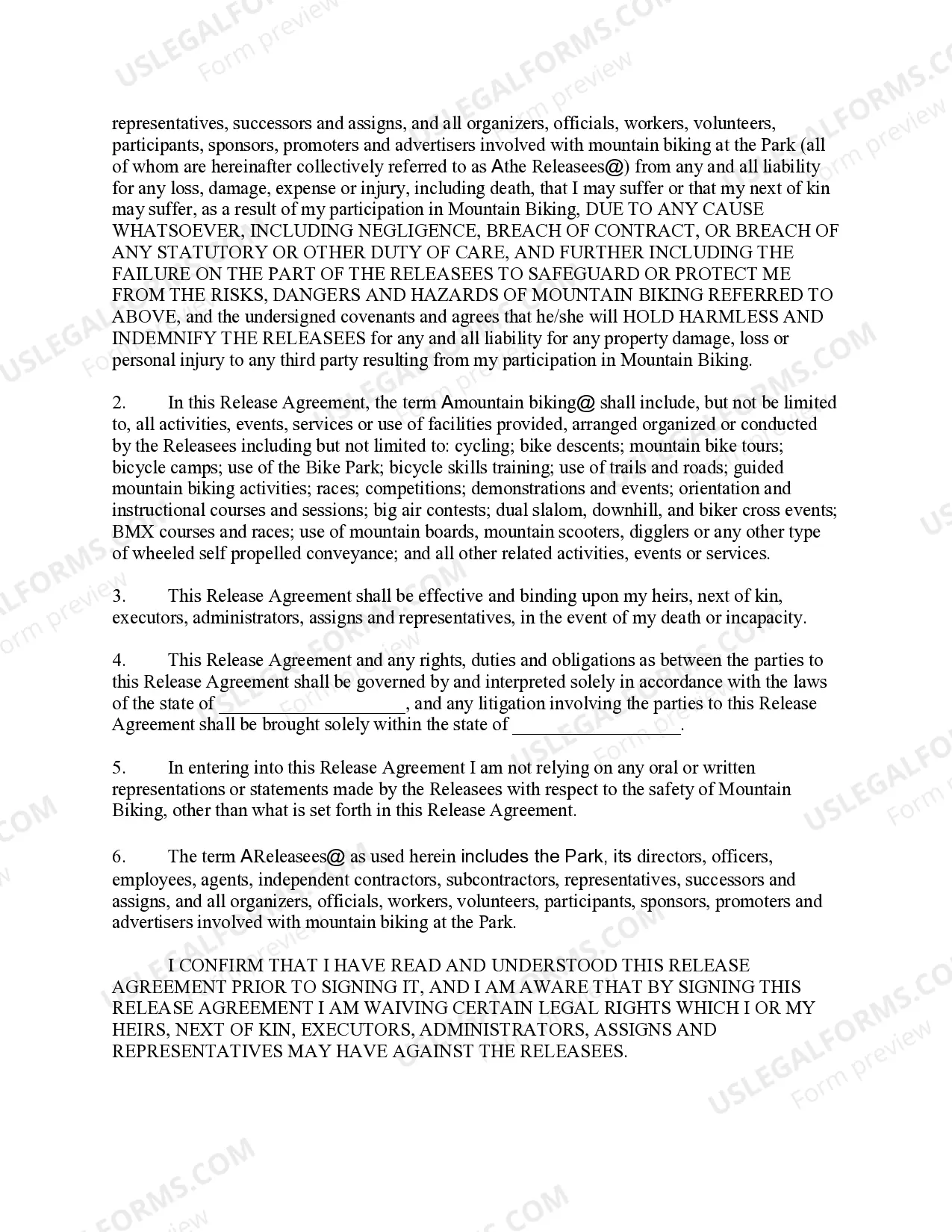
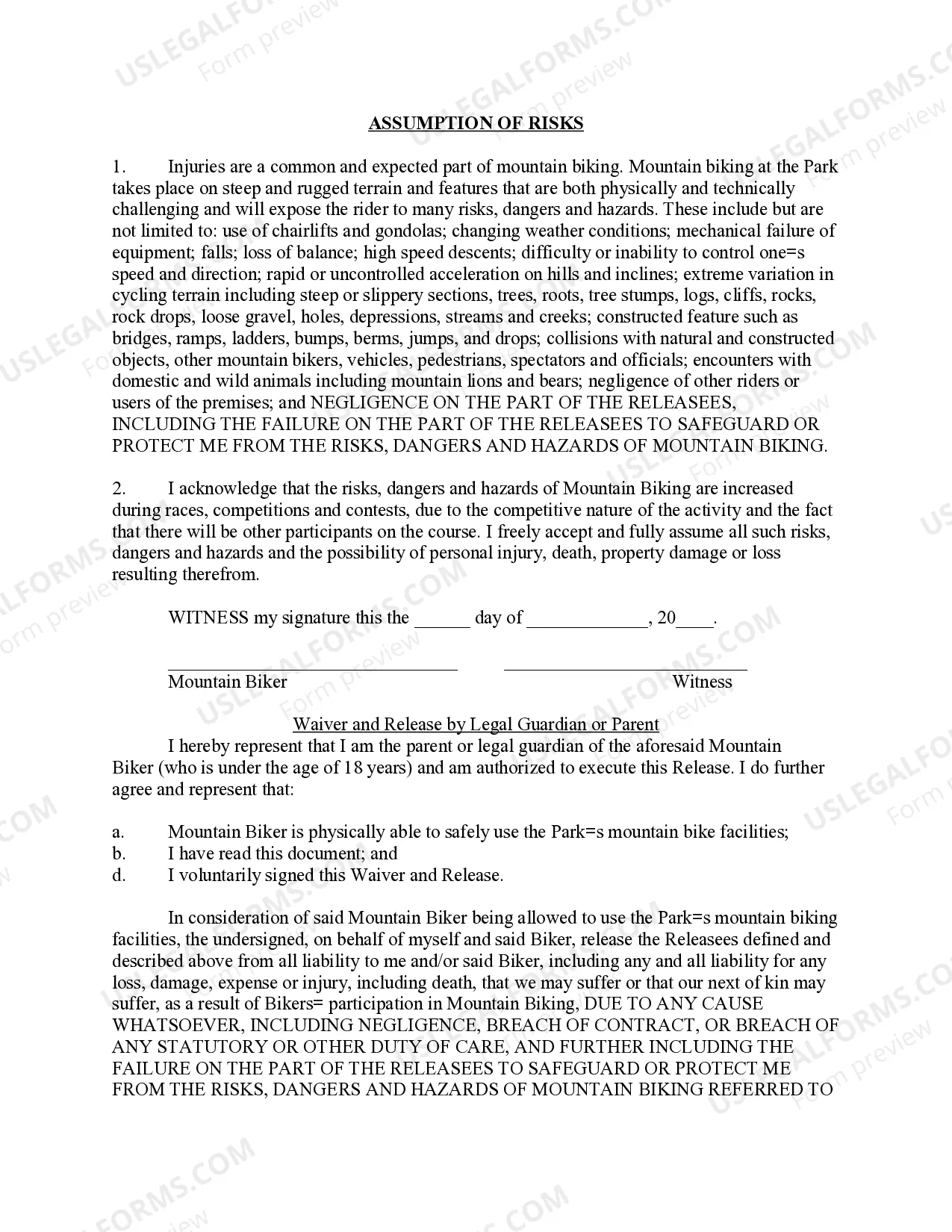
Get your form ready online
Our built-in tools help you complete, sign, share, and store your documents in one place.
Make edits, fill in missing information, and update formatting in US Legal Forms—just like you would in MS Word.
Download a copy, print it, send it by email, or mail it via USPS—whatever works best for your next step.
Sign and collect signatures with our SignNow integration. Send to multiple recipients, set reminders, and more. Go Premium to unlock E-Sign.
If this form requires notarization, complete it online through a secure video call—no need to meet a notary in person or wait for an appointment.
We protect your documents and personal data by following strict security and privacy standards.

Make edits, fill in missing information, and update formatting in US Legal Forms—just like you would in MS Word.

Download a copy, print it, send it by email, or mail it via USPS—whatever works best for your next step.

Sign and collect signatures with our SignNow integration. Send to multiple recipients, set reminders, and more. Go Premium to unlock E-Sign.

If this form requires notarization, complete it online through a secure video call—no need to meet a notary in person or wait for an appointment.

We protect your documents and personal data by following strict security and privacy standards.
Looking for another form?





Form popularity
FAQ
California statutes define indemnity as "a contract by which one engages to save another from a legal consequence of the conduct of one of the parties, or of some other person." (Cal. Civ. Code § 2772.)
Although the three forms of indemnity were once regarded as distinct, California courts have held that there are only two basic types of indemnity: express indemnity and equitable indemnity. Though not extinguished, implied contractual indemnity is now viewed simply as “a form of equitable indemnity.” Prince v.
Indemnification clauses are generally enforceable, but there are important qualifications.
While generally, indemnity contracts for negligence are enforceable, the strict rule of construction in California is that indemnity for active negligence requires explicit language in the clause that negligence of the indemnitee is to be included.
For example, a contract between a general contractor and a subcontractor may include an express indemnification provision whereby the subcontractor agrees to hold harmless the general contractor for all claims arising out of the contract, regardless of who is at fault.
The intent of California's new anti-indemnity law is to “ensure that every construction business in the state is responsible for losses that it, as a business, may cause.” It applies to most construction contracts, and the parties cannot opt out of these provisions by using a non-California choice of law provision in ...
“The elements of a cause of action for indemnity are (1) a showing of fault on the part of the indemnitor and (2) resulting damages to the indemnitee for which the indemnitor is contractually or equitably responsible.” Expressions, supra, 86 Cal. App. 4th at p. 1139, citing Gouvis Engineering v.
Letters of indemnity should include the names and addresses of both parties involved, plus the name and affiliation of the third party, if any. Detailed descriptions of the items and intentions are also required, as are the signatures of the parties and the date the contract is executed.
How can a worker claim their indemnity? Expatriate workers in the private sector can apply to the SIO to claim their end-of-service benefits after their resignation or termination. SIO will make the payment within 10 working days from the date of the claim.
