Indemnity Claims In Construction In Middlesex
Description
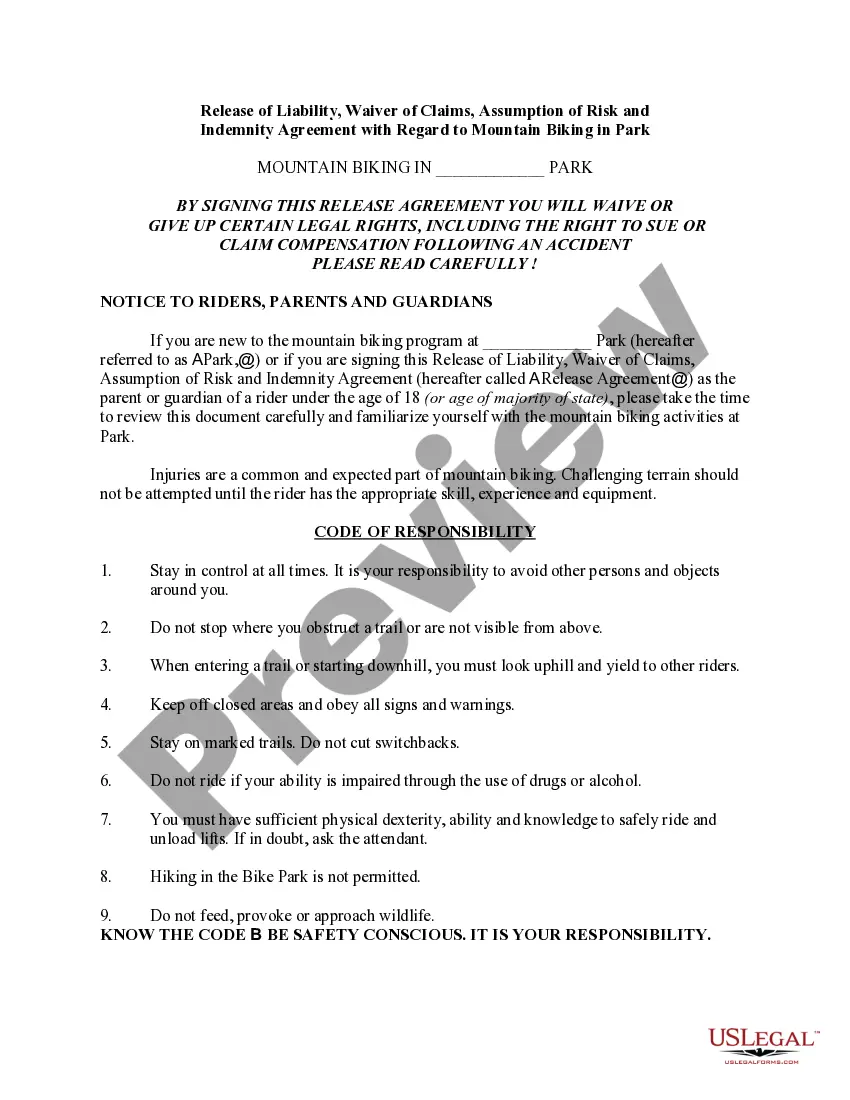
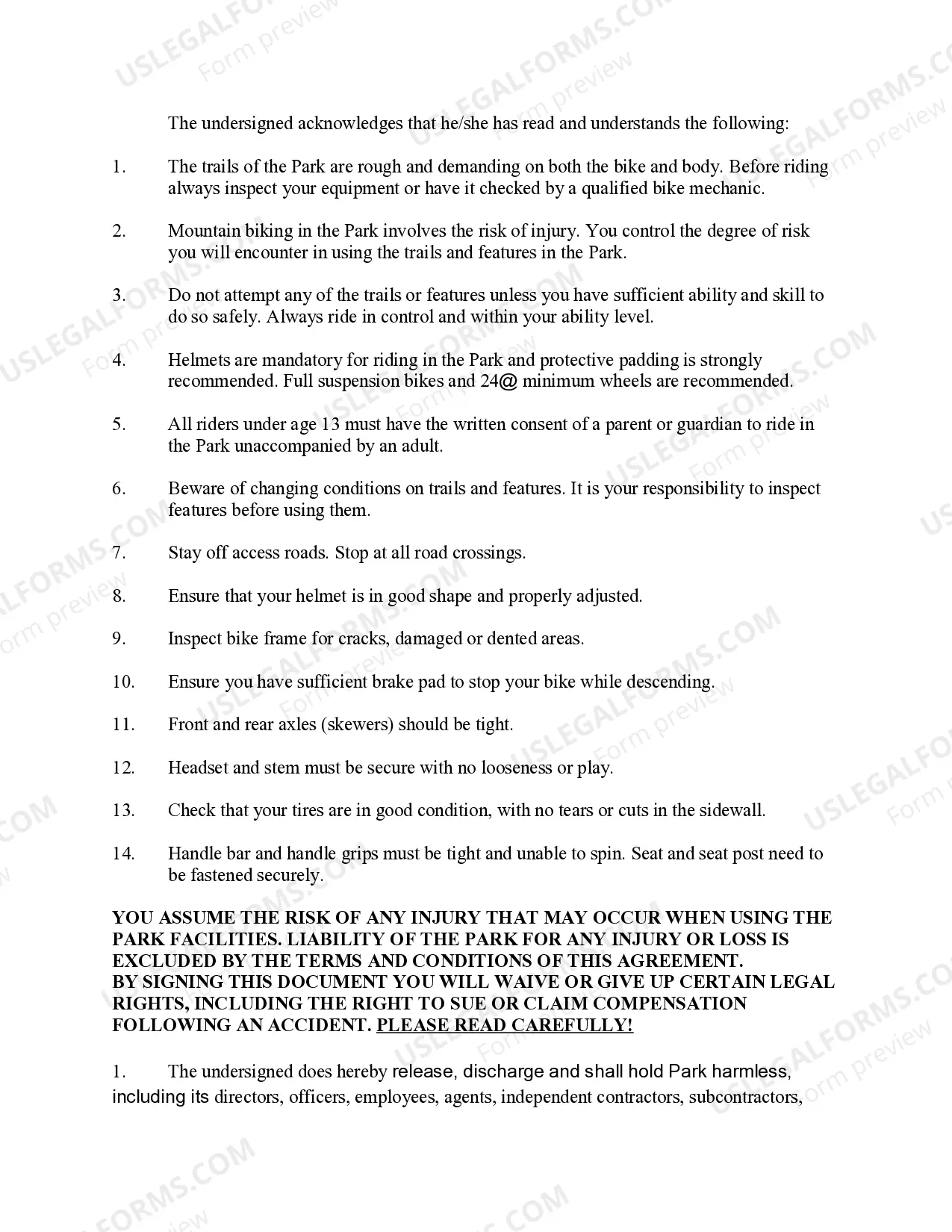
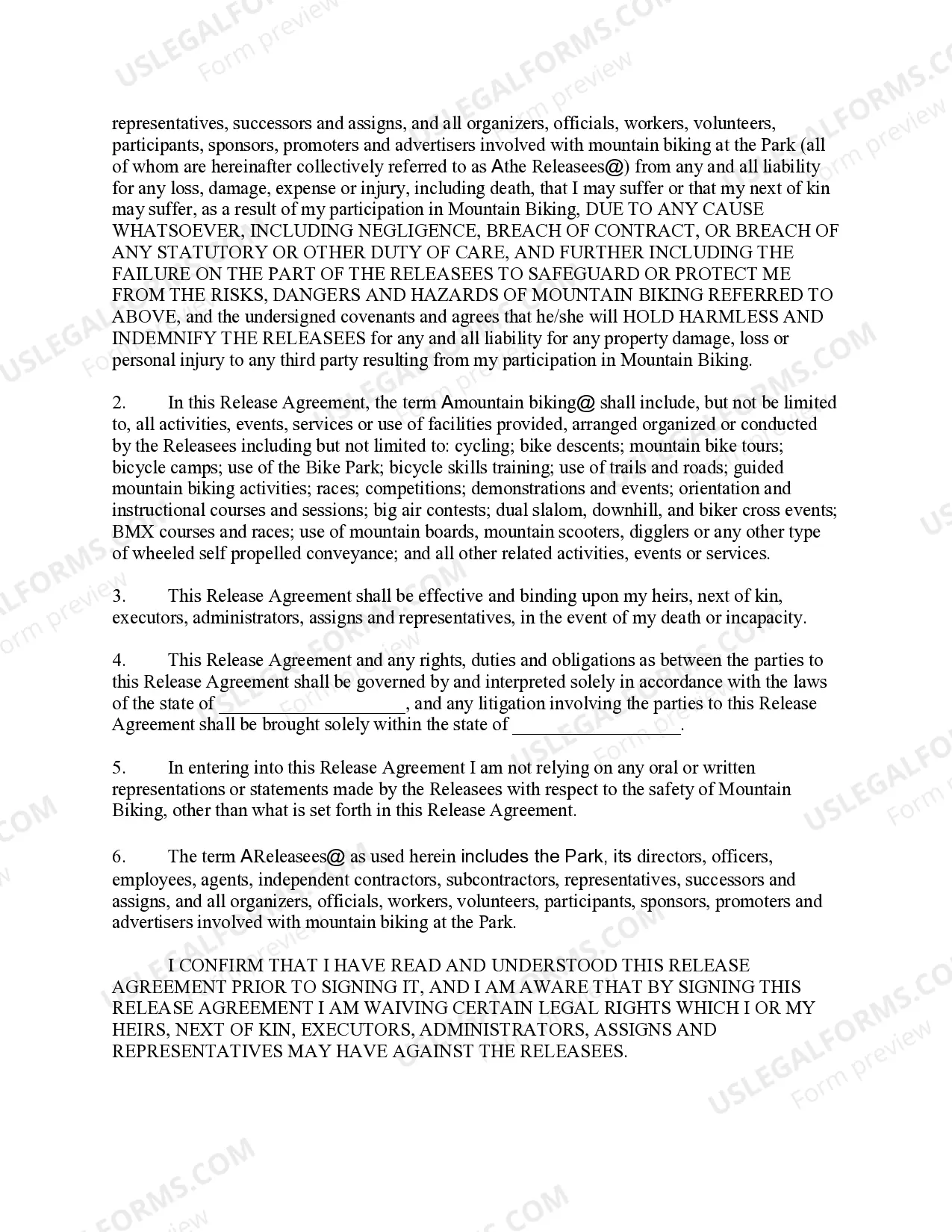
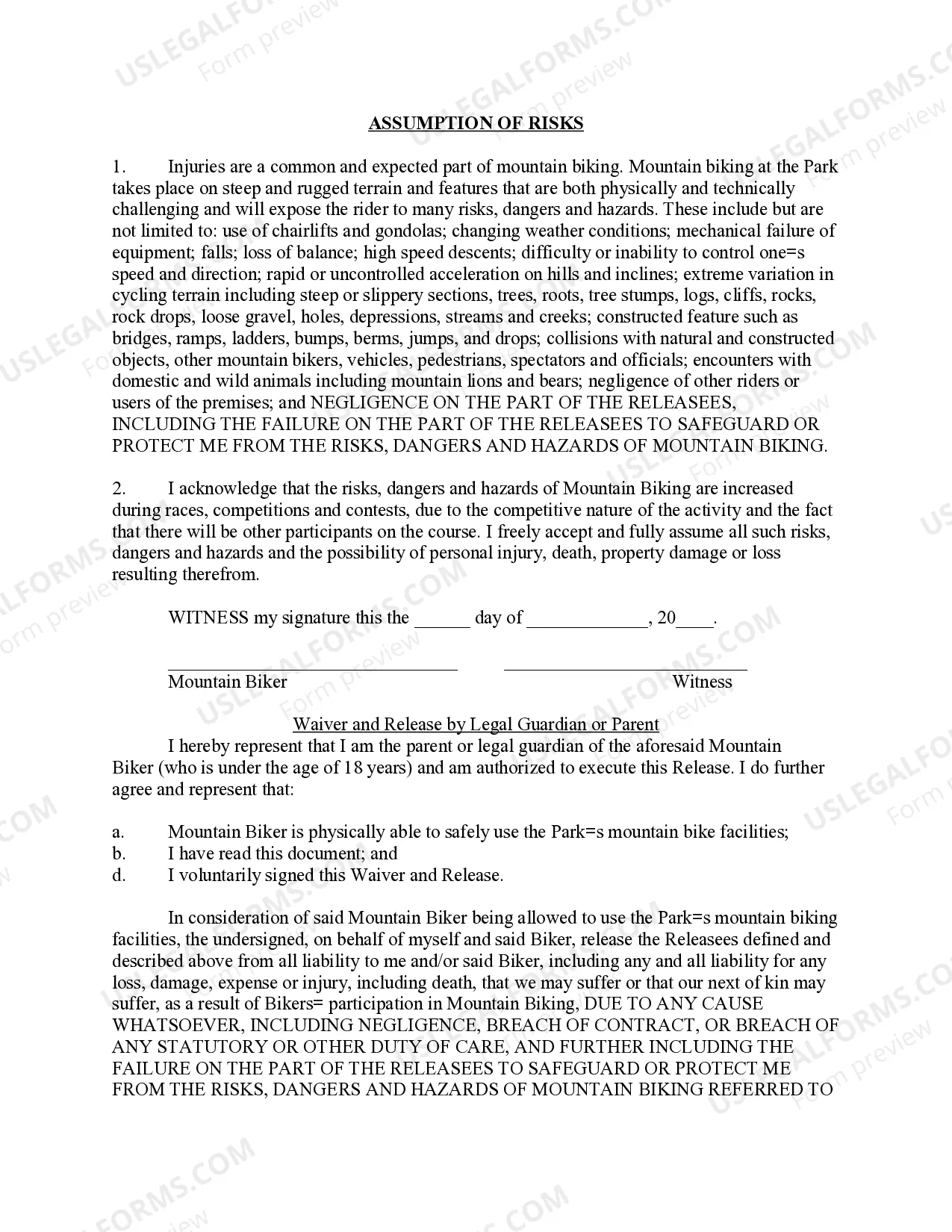
Get your form ready online
Our built-in tools help you complete, sign, share, and store your documents in one place.
Make edits, fill in missing information, and update formatting in US Legal Forms—just like you would in MS Word.
Download a copy, print it, send it by email, or mail it via USPS—whatever works best for your next step.
Sign and collect signatures with our SignNow integration. Send to multiple recipients, set reminders, and more. Go Premium to unlock E-Sign.
If this form requires notarization, complete it online through a secure video call—no need to meet a notary in person or wait for an appointment.
We protect your documents and personal data by following strict security and privacy standards.

Make edits, fill in missing information, and update formatting in US Legal Forms—just like you would in MS Word.

Download a copy, print it, send it by email, or mail it via USPS—whatever works best for your next step.

Sign and collect signatures with our SignNow integration. Send to multiple recipients, set reminders, and more. Go Premium to unlock E-Sign.

If this form requires notarization, complete it online through a secure video call—no need to meet a notary in person or wait for an appointment.

We protect your documents and personal data by following strict security and privacy standards.
Looking for another form?










Form popularity
FAQ
For example, a contract between a general contractor and a subcontractor may include an express indemnification provision whereby the subcontractor agrees to hold harmless the general contractor for all claims arising out of the contract, regardless of who is at fault.
What Is an Indemnification Clause? An indemnification clause is a legally binding agreement between two parties specifying that one party (the indemnifying party) will compensate the other party (the indemnified party) for any losses or damages that may arise from a particular event or circumstance.
An indemnity clause provides protection to a specified party of the construction contract against damages and exempts them from liability caused by their own actions. In simple terms, this clause holds one party harmless for the losses of another.
Indemnity agreements, also known as indemnity clauses, play an integral role in contracts. That's because they are designed to punish the nonperforming party and reassure the damaged one they will be reimbursed for losses caused by the errant entity.
Indemnification, or indemnity, designates one party (the indemnifying party) as being required to compensate the other party (the indemnified party) for certain costs and expenses, typically stemming from third-party damage claims.
What Is an Indemnification Clause? An indemnification clause is a legally binding agreement between two parties specifying that one party (the indemnifying party) will compensate the other party (the indemnified party) for any losses or damages that may arise from a particular event or circumstance.
How can a worker claim their indemnity? Expatriate workers in the private sector can apply to the SIO to claim their end-of-service benefits after their resignation or termination. SIO will make the payment within 10 working days from the date of the claim.
How to Write an Indemnity Agreement Consider the Indemnity Laws in Your Area. Draft the Indemnification Clause. Outline the Indemnification Period and Scope of Coverage. State the Indemnification Exceptions. Specify How the Indemnitee Notifies the Indemnitor About Claims. Write the Settlement and Consent Clause.
For example, a contract between a general contractor and a subcontractor may include an express indemnification provision whereby the subcontractor agrees to hold harmless the general contractor for all claims arising out of the contract, regardless of who is at fault.
