Indemnity Claims In Construction In Massachusetts
Description
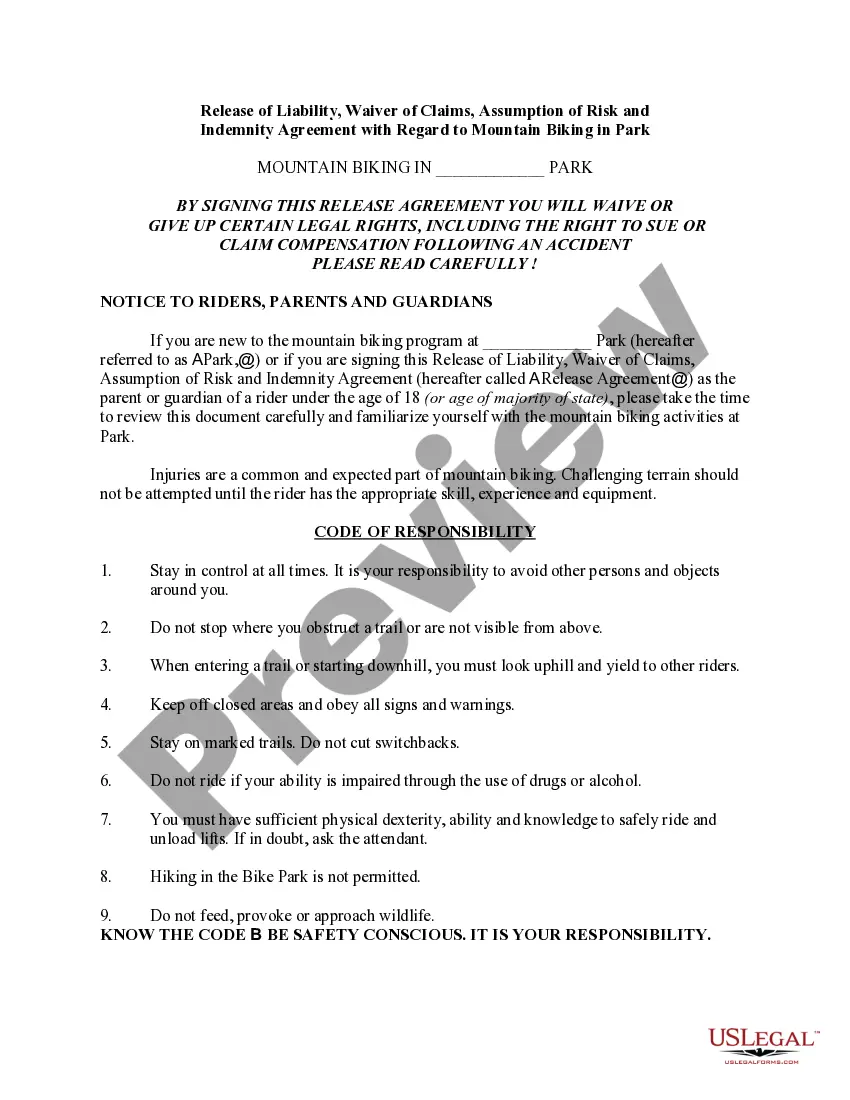
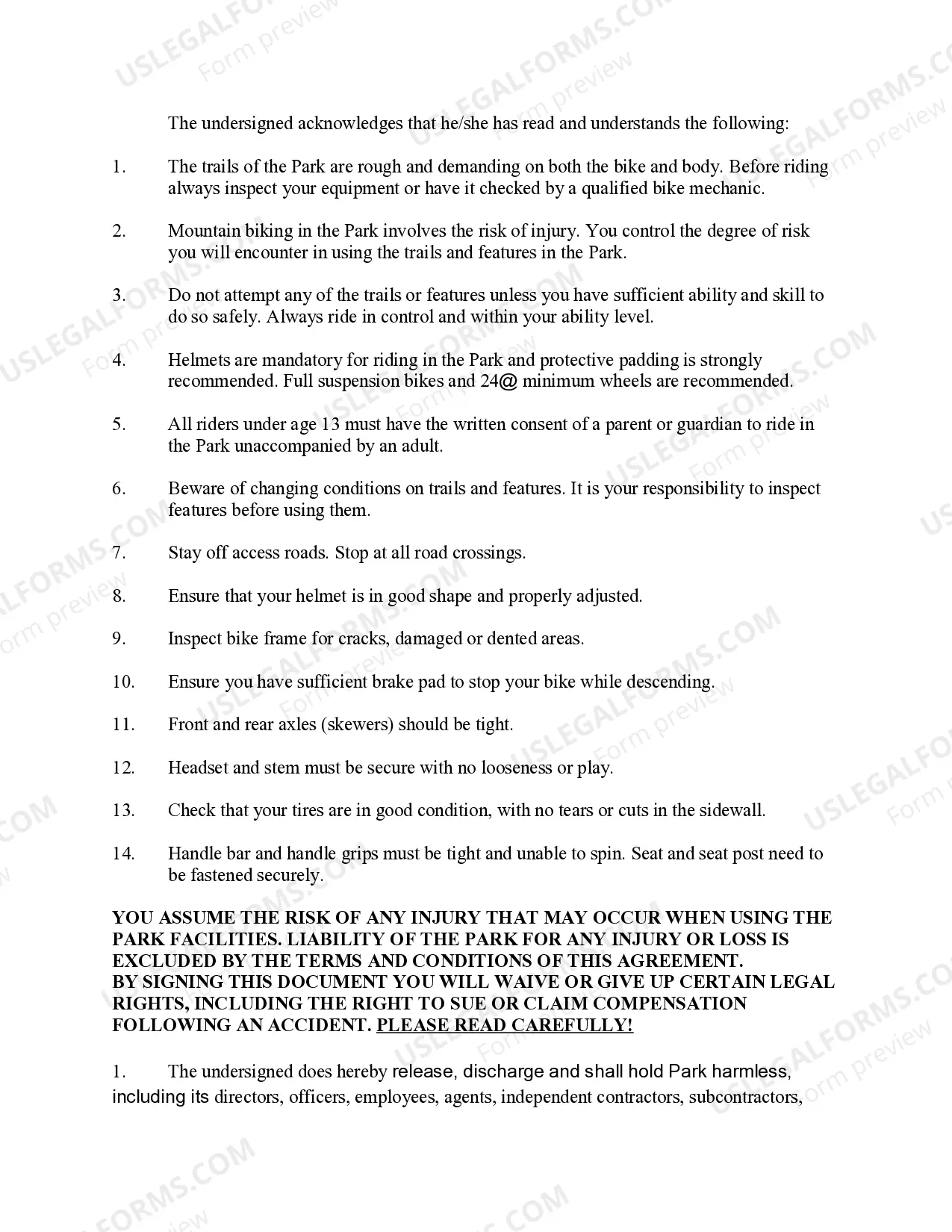
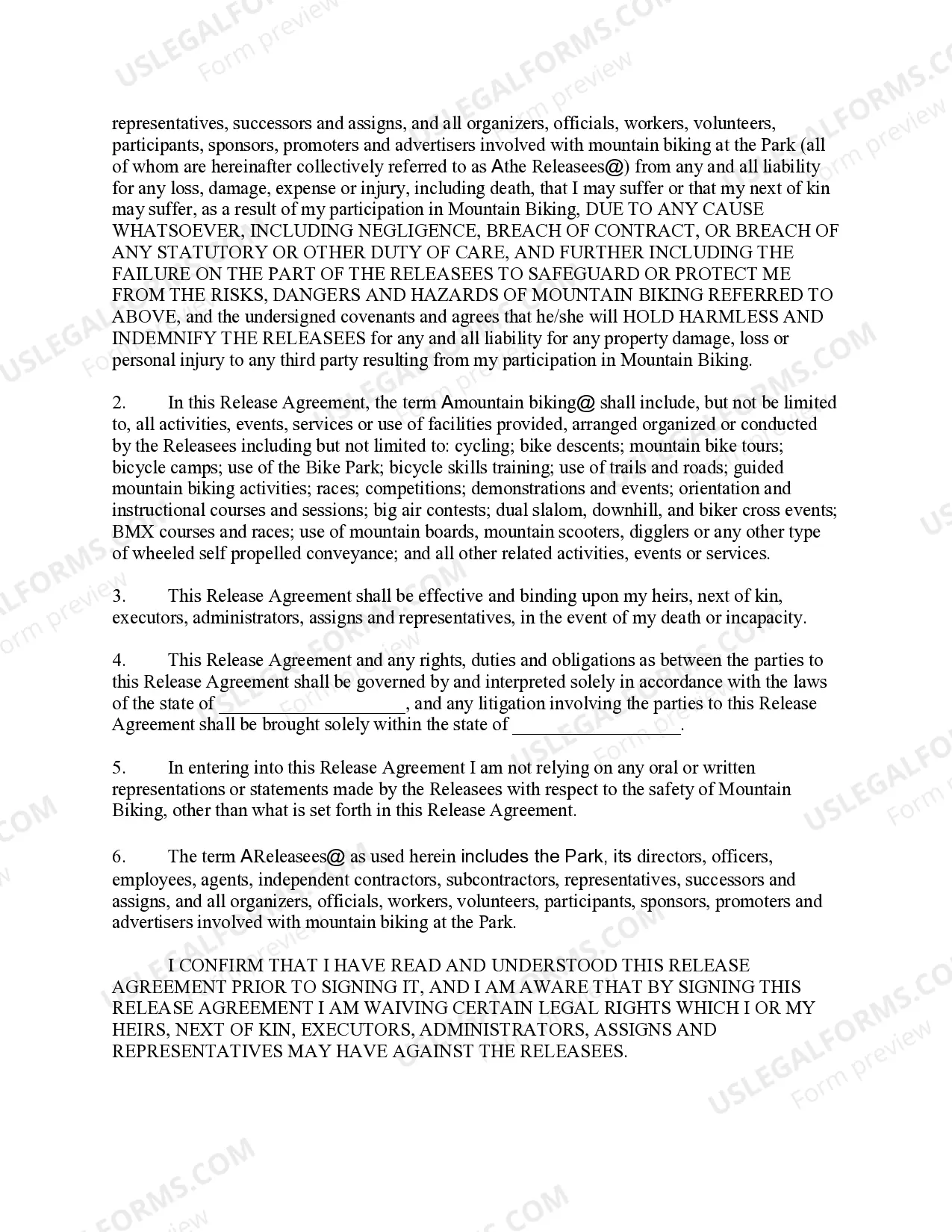
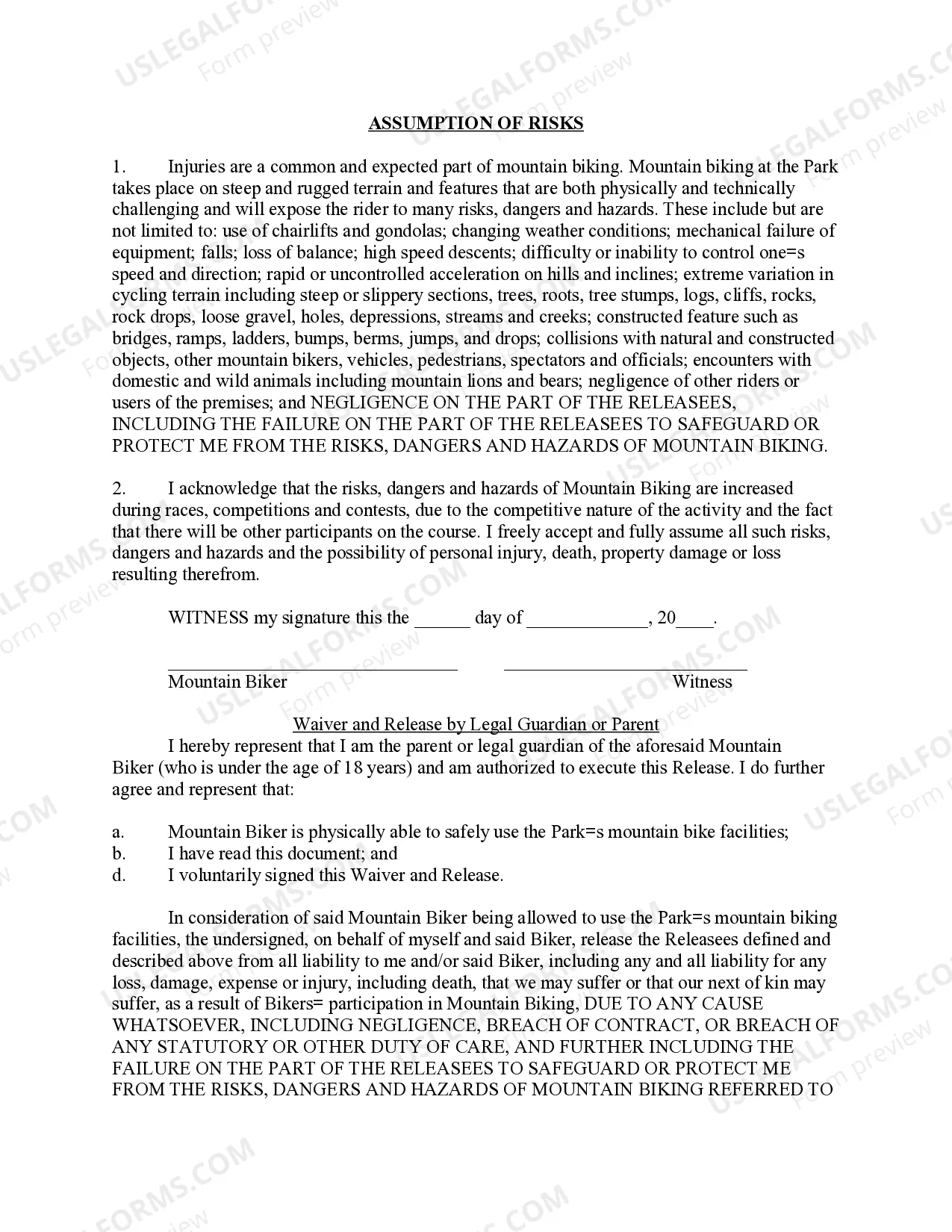
Get your form ready online
Our built-in tools help you complete, sign, share, and store your documents in one place.
Make edits, fill in missing information, and update formatting in US Legal Forms—just like you would in MS Word.
Download a copy, print it, send it by email, or mail it via USPS—whatever works best for your next step.
Sign and collect signatures with our SignNow integration. Send to multiple recipients, set reminders, and more. Go Premium to unlock E-Sign.
If this form requires notarization, complete it online through a secure video call—no need to meet a notary in person or wait for an appointment.
We protect your documents and personal data by following strict security and privacy standards.

Make edits, fill in missing information, and update formatting in US Legal Forms—just like you would in MS Word.

Download a copy, print it, send it by email, or mail it via USPS—whatever works best for your next step.

Sign and collect signatures with our SignNow integration. Send to multiple recipients, set reminders, and more. Go Premium to unlock E-Sign.

If this form requires notarization, complete it online through a secure video call—no need to meet a notary in person or wait for an appointment.

We protect your documents and personal data by following strict security and privacy standards.
Looking for another form?







Form popularity
FAQ
An indemnity agreement is a promise to hold another party harmless when that party suffers some injury, legal harm, or financial harm. Indemnity agreements are rather common in Massachusetts business contracts, but not all of them are enforceable.
What Is an Indemnification Clause? An indemnification clause is a legally binding agreement between two parties specifying that one party (the indemnifying party) will compensate the other party (the indemnified party) for any losses or damages that may arise from a particular event or circumstance.
Types of indemnity clauses #1 Mutual indemnity clauses. Mutual indemnity clauses require both parties to indemnify each other. #2 Unilateral indemnity clauses. Unilateral indemnity clauses require only one party to indemnify the other. #3 Comparative and contributory negligence clauses.
Indemnity Claims London & Zurich can Challenge on your behalf: CODE 1: DETAILS DIFFER FROM THE ADVANCE NOTICE. CODE 2: NO ADVANCE NOTICE WAS RECEIVED. CODE 3: BANK CANCELS THE DIRECT DEBIT. CODE 5: PAYER DISPUTES HAVING GIVEN AUTHORITY. CODE 6: FRAUDULENT SIGNATURE. CODE 8: SERVICE USER IS NOT RECOGNISED. Overview.
Thus, it is critical for every contractor to understand the meaning of indemnification before executing a contract. An indemnification provision is a contractual provision under which one party (the indemnitor) agrees to assume liability for the losses incurred by another party (the indemnitee).
“The elements of a cause of action for indemnity are (1) a showing of fault on the part of the indemnitor and (2) resulting damages to the indemnitee for which the indemnitor is contractually or equitably responsible.” Expressions, supra, 86 Cal. App.
An indemnity agreement is a promise to hold another party harmless when that party suffers some injury, legal harm, or financial harm. Indemnity agreements are rather common in Massachusetts business contracts, but not all of them are enforceable.
“Under Massachusetts law, a right to indemnification can arise under three circumstances, namely, 1) an express agreement, 2) a contractual right implied from the nature of the relationship between the parties, and 3) a common law tort-based right.” Zoll Medical Corp.
No Requirement to Prove Breach: Under an indemnity, the indemnified party does not need to demonstrate that the indemnifier was at fault or that a breach of contract occurred. The primary requirement is showing that the specified event causing the loss has taken place.
