Indemnity Claims In Construction In Harris
Description
Get your form ready online
Our built-in tools help you complete, sign, share, and store your documents in one place.
Make edits, fill in missing information, and update formatting in US Legal Forms—just like you would in MS Word.
Download a copy, print it, send it by email, or mail it via USPS—whatever works best for your next step.
Sign and collect signatures with our SignNow integration. Send to multiple recipients, set reminders, and more. Go Premium to unlock E-Sign.
If this form requires notarization, complete it online through a secure video call—no need to meet a notary in person or wait for an appointment.
We protect your documents and personal data by following strict security and privacy standards.

Make edits, fill in missing information, and update formatting in US Legal Forms—just like you would in MS Word.

Download a copy, print it, send it by email, or mail it via USPS—whatever works best for your next step.

Sign and collect signatures with our SignNow integration. Send to multiple recipients, set reminders, and more. Go Premium to unlock E-Sign.

If this form requires notarization, complete it online through a secure video call—no need to meet a notary in person or wait for an appointment.

We protect your documents and personal data by following strict security and privacy standards.
Looking for another form?





Form popularity
FAQ
Typically prepared by banks or insurers, a letter of indemnity should include: Clear title: 'Letter of Indemnity' Date of issue. Jurisdiction under which it operates.
Who Issues the Letter of Indemnity? The LOI is a crucial document, because it protects the shipper from unforeseen losses. It is typically written by a third party, such as an insurance company or a bank, and clearly defines the terms and obligations that both parties must meet.
Complete a claim notification form If you need to notify a claim or a potential claim, please download the Claim Notification Form and submit this to us fully completed, without delay. Please provide as much information as possible to ensure any required action can be implemented quickly.
Letter of indemnity (LOI) and bill of lading (BOL) This protection, provided by third parties like banks or insurance companies, ensures financial security and mitigates risks. While a bill of lading tracks shipments, an LOI offers financial protection.
Letters of indemnity are issued by a third-party institution, such as a bank or insurance company, to one or both parties of a business transaction. Being legal and binding documents, they need to be signed by a witness.
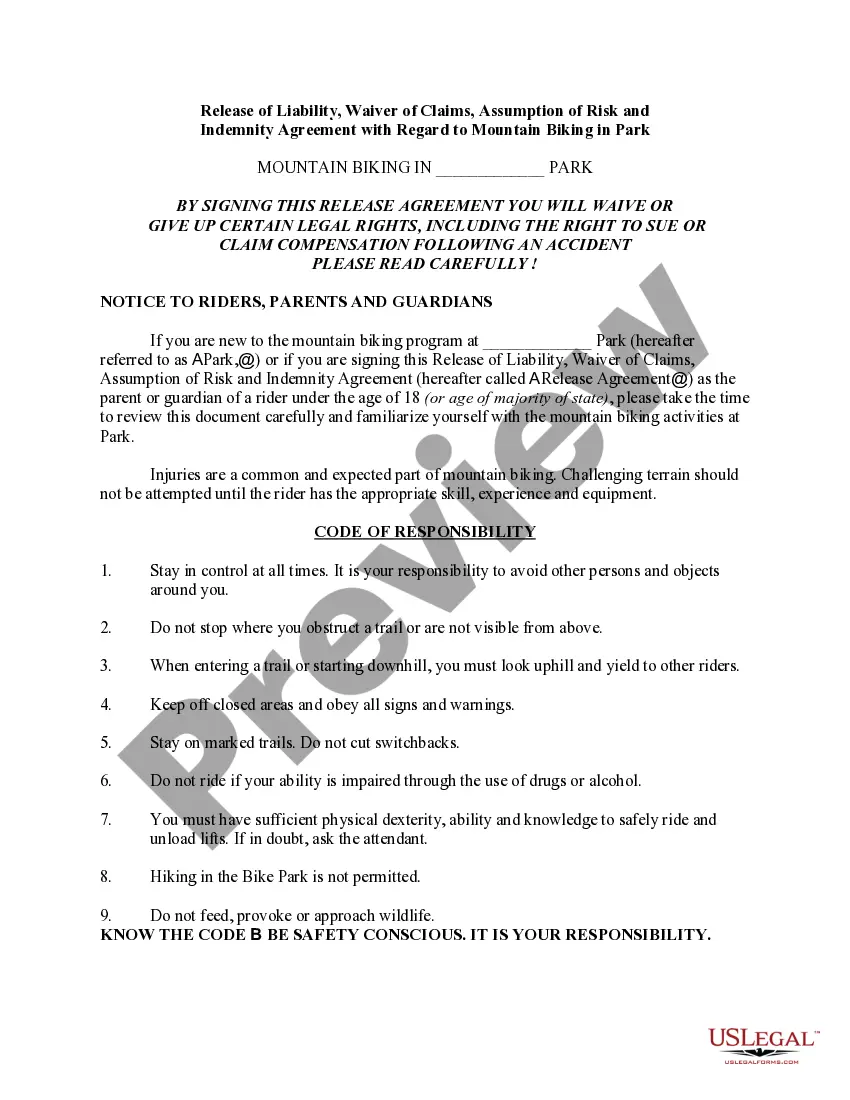
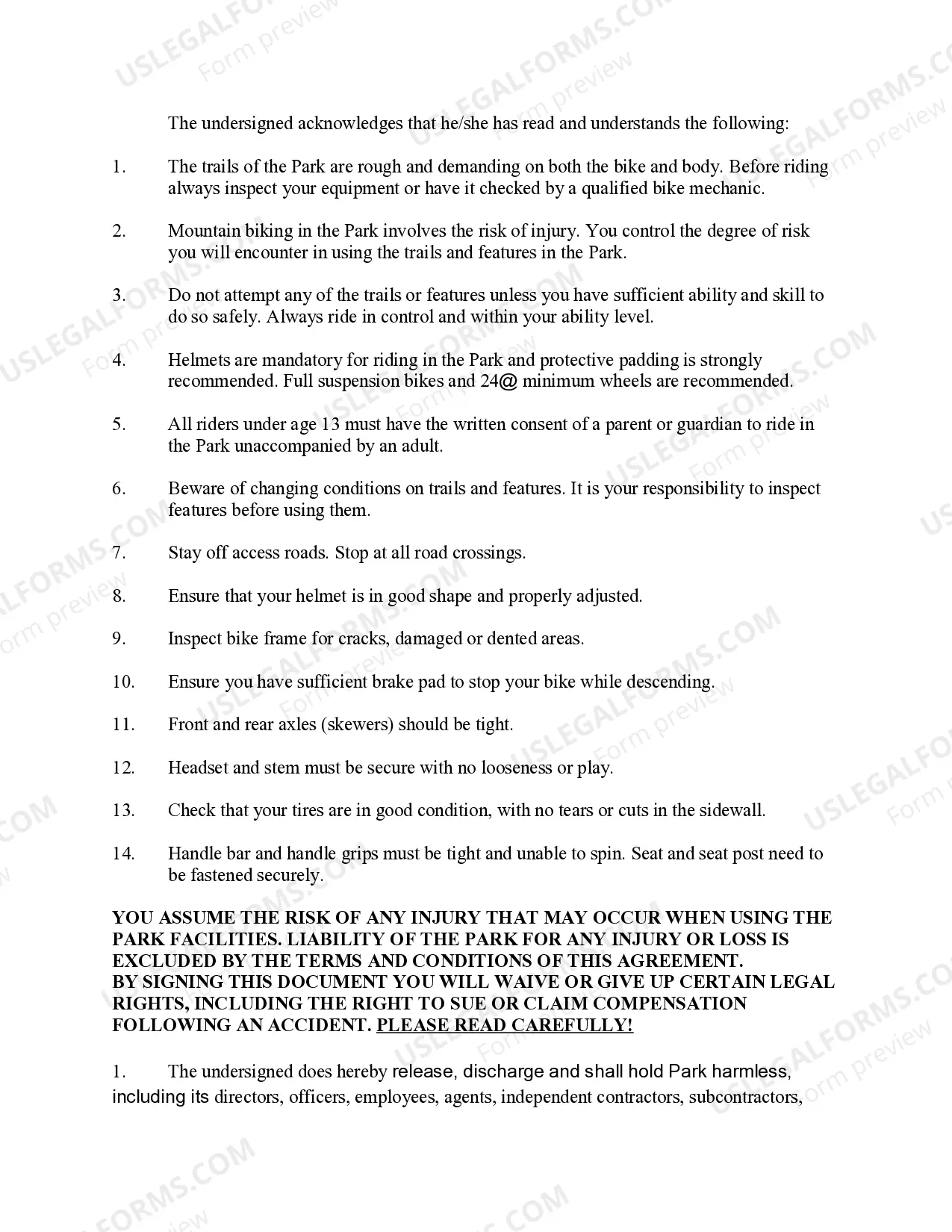
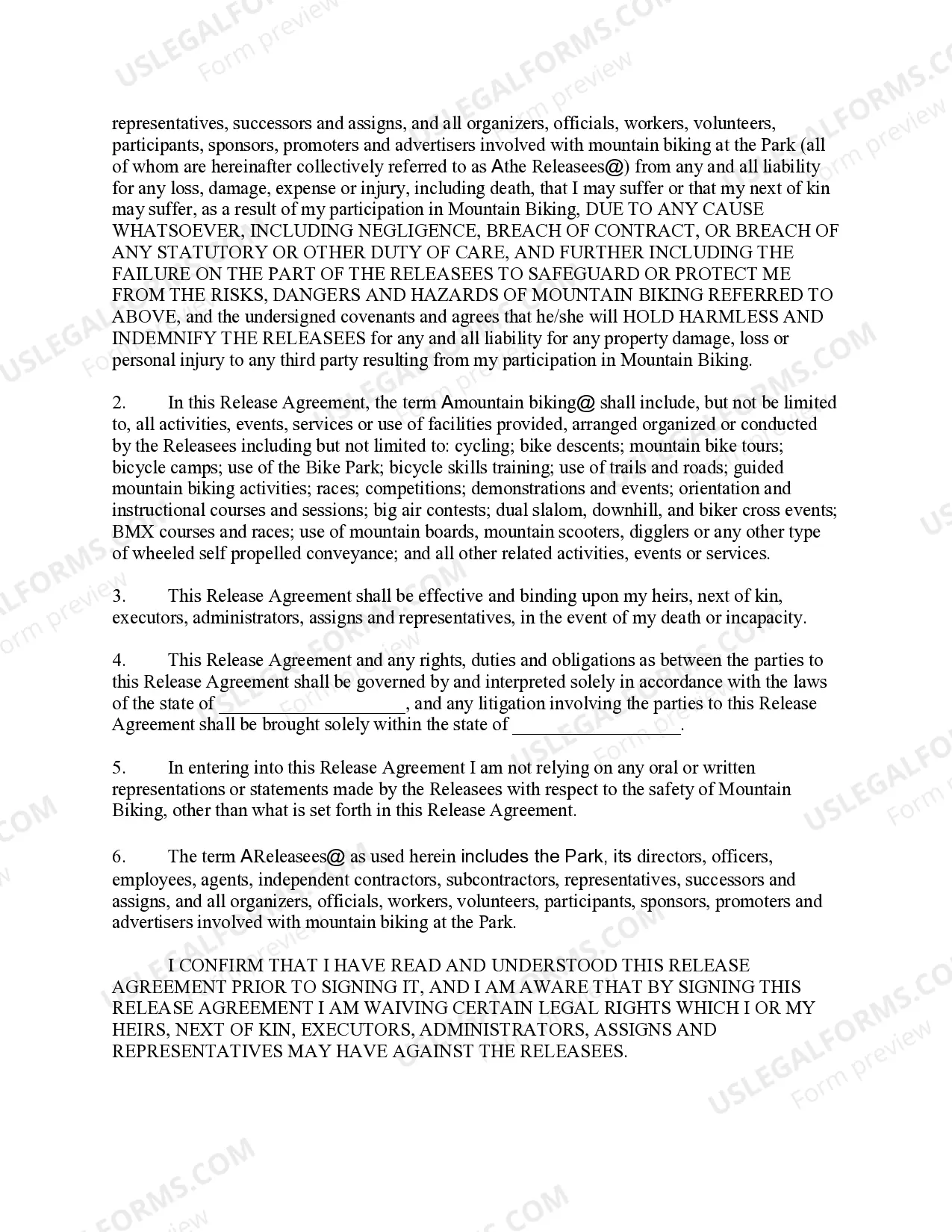
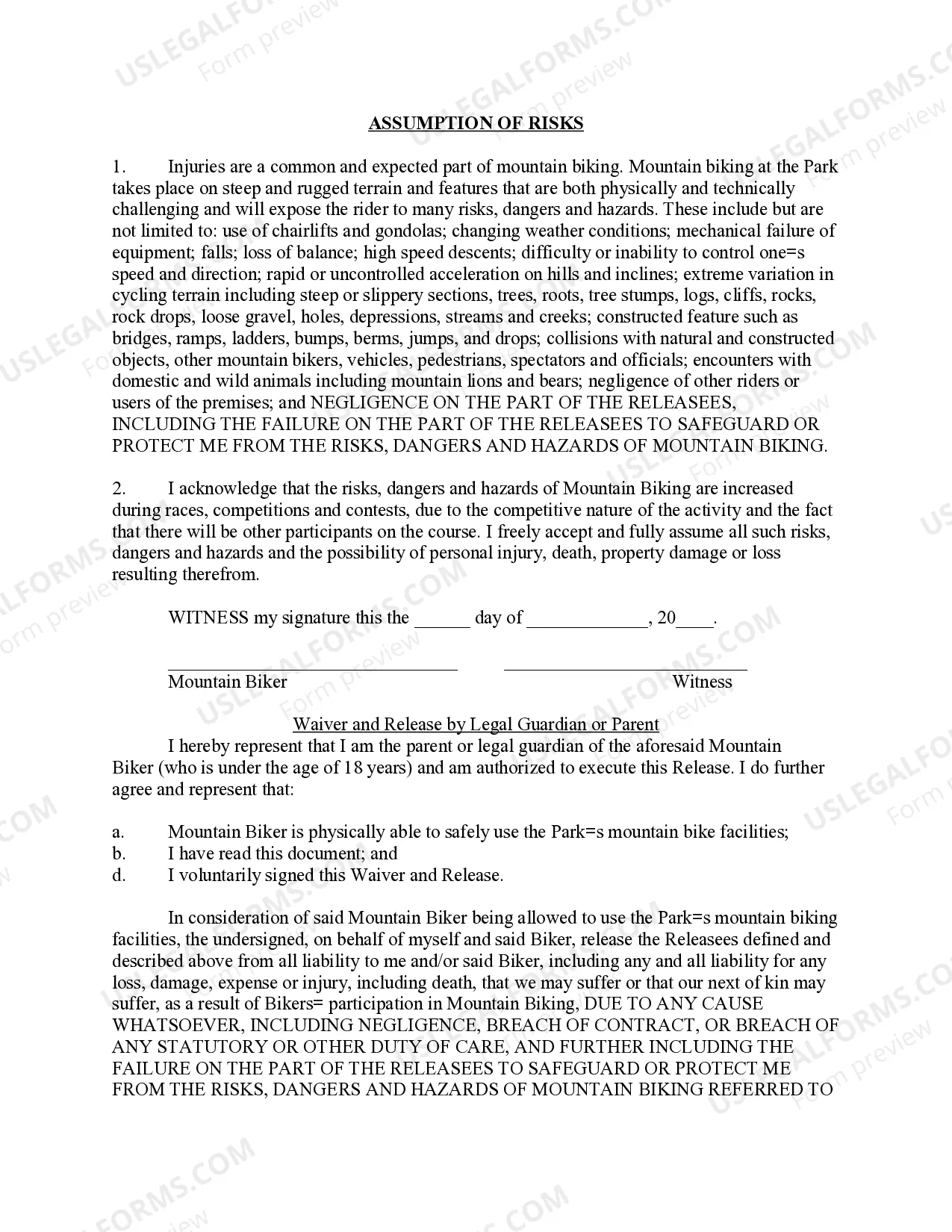
What Is an Indemnification Clause? An indemnification clause is a legally binding agreement between two parties specifying that one party (the indemnifying party) will compensate the other party (the indemnified party) for any losses or damages that may arise from a particular event or circumstance.
In its widest sense, "indemnity" means protection against, or compensation for, a loss or liability. Some indemnity claims arise by operation of law.
Indemnity is the backbone of many surety bonds. In short, indemnity compels a party to compensate another party. Regarding a surety bond, this means that the obligee has the legal right to collect from the surety if the principal of the bond fails to uphold their end of the bond.
A typical example is an insurance company wherein the insurer or indemnitor agrees to compensate the insured or indemnitee for any damages or losses he/she may incur during a period of time.
An indemnity clause provides protection to a specified party of the construction contract against damages and exempts them from liability caused by their own actions. In simple terms, this clause holds one party harmless for the losses of another.
