Confidential Disclosure Agreement With In Texas
Description

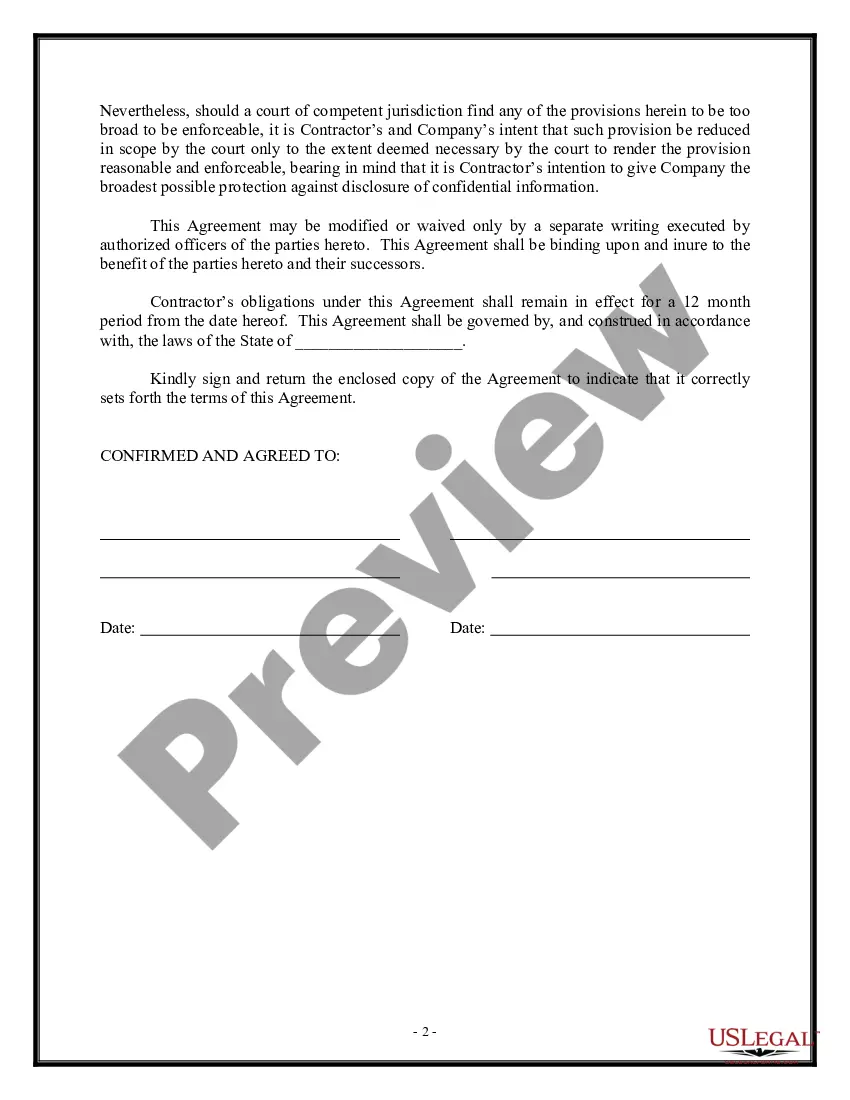
Get your form ready online
Our built-in tools help you complete, sign, share, and store your documents in one place.
Make edits, fill in missing information, and update formatting in US Legal Forms—just like you would in MS Word.
Download a copy, print it, send it by email, or mail it via USPS—whatever works best for your next step.
Sign and collect signatures with our SignNow integration. Send to multiple recipients, set reminders, and more. Go Premium to unlock E-Sign.
If this form requires notarization, complete it online through a secure video call—no need to meet a notary in person or wait for an appointment.
We protect your documents and personal data by following strict security and privacy standards.

Make edits, fill in missing information, and update formatting in US Legal Forms—just like you would in MS Word.

Download a copy, print it, send it by email, or mail it via USPS—whatever works best for your next step.

Sign and collect signatures with our SignNow integration. Send to multiple recipients, set reminders, and more. Go Premium to unlock E-Sign.

If this form requires notarization, complete it online through a secure video call—no need to meet a notary in person or wait for an appointment.

We protect your documents and personal data by following strict security and privacy standards.
Looking for another form?
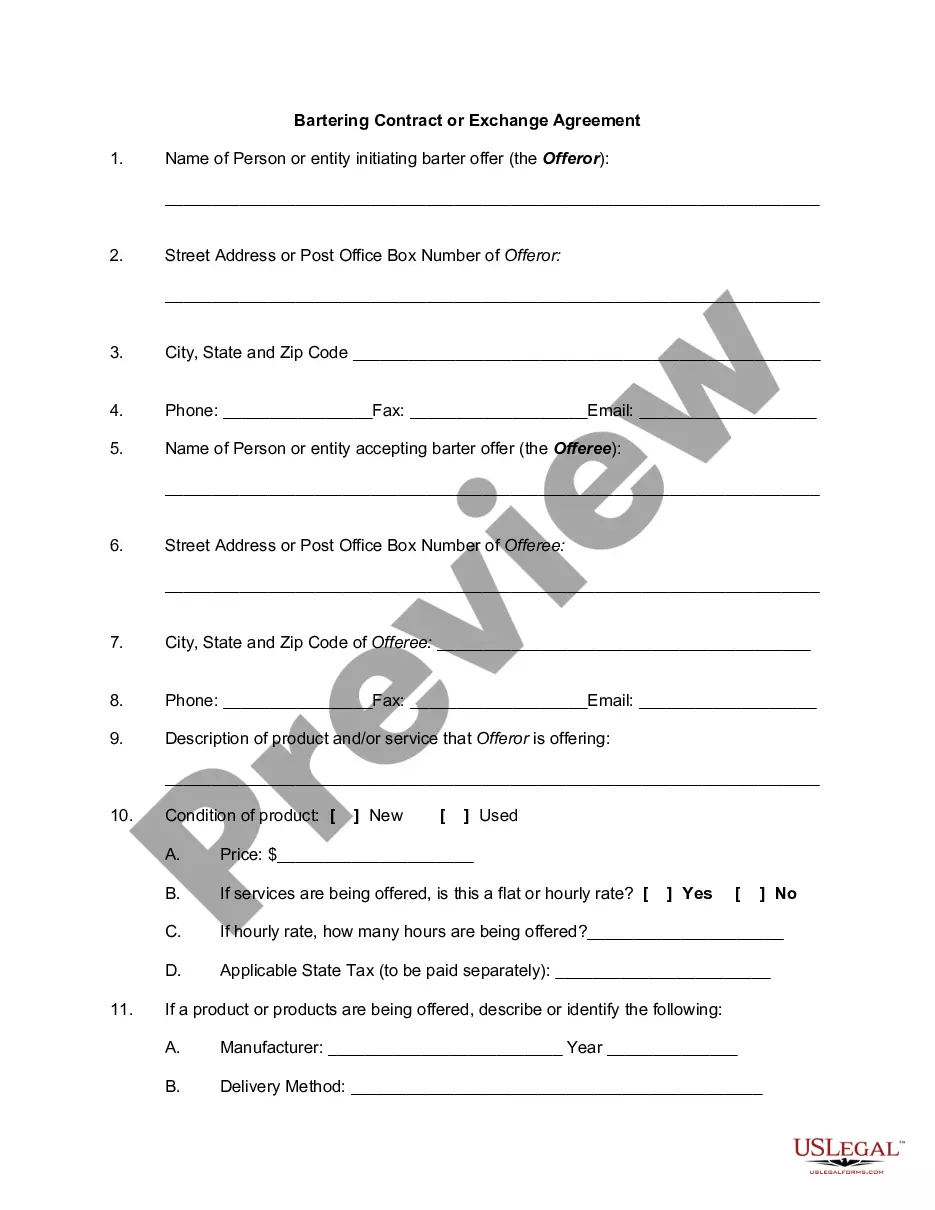

Form popularity
FAQ
Whether or not the overall agreement has a definite term, the parties' nondisclosure obligations can be stated to survive for a set period. Survival periods of one to five years are typical. The term often depends on the type of information involved and how quickly the information changes.
There is no specific time period during which a non-compete agreement is valid in Texas. The duration of a non-compete agreement in Texas must be reasonable, meaning that it must be no longer than necessary to protect the legitimate business interests of the employer.
An NDA can last as long as the parties who sign it agree to make it last. Some NDAs may only last a year or less when information must stay confidential during a negotiation. Other NDAs may have no expiration date, lasting for the foreseeable future.
Typically, a legal professional writing the NDA will complete these steps: Step 1 - Describe the scope. Which information is considered confidential? ... Step 2 - Detail party obligations. Step 3 - Note potential exclusions. Step 4 - Set the term. Step 5 - Spell out consequences.
It doesn't need to be notarized or filed with any state or local administrative office.
Generally, NDAs will be enforced by a court, but some statutes and public policy may prevent the enforcement of an NDA. For example, many NDAs will be voided or partially so regarding criminal acts. Often NDAs may be unenforceable unless certain procedural requirements are met.
Yes, nonsolicitation agreements are still enforceable in Texas, provided they meet certain criteria: Reasonableness: The agreement must be reasonable in scope and duration.
A confidentiality agreement should include the names and addresses of the parties to the contract. Consider also including: Reason for the agreement: Explain why you're sharing this information. The information disclosed: Be specific about the subject matter and what exactly is included in the agreement.
Exceptions to the Duty of Confidentiality Waiver. A person who confides in a professional can waive the protection of professional secrecy. In Case of Danger. Committing a Crime. Infectious Diseases. Inspection and Investigation by Professional Orders. Search for the Truth. Protection of Children.
Some information is not open to the public. These types of information are listed as exceptions in the Texas Public Information Act. They include some information in personnel records, pending litigation, competitive bids, trade secrets, real estate deals and certain legal matters involving attorney-client privilege.
