Gun Registration Requirements In Wayne
Description
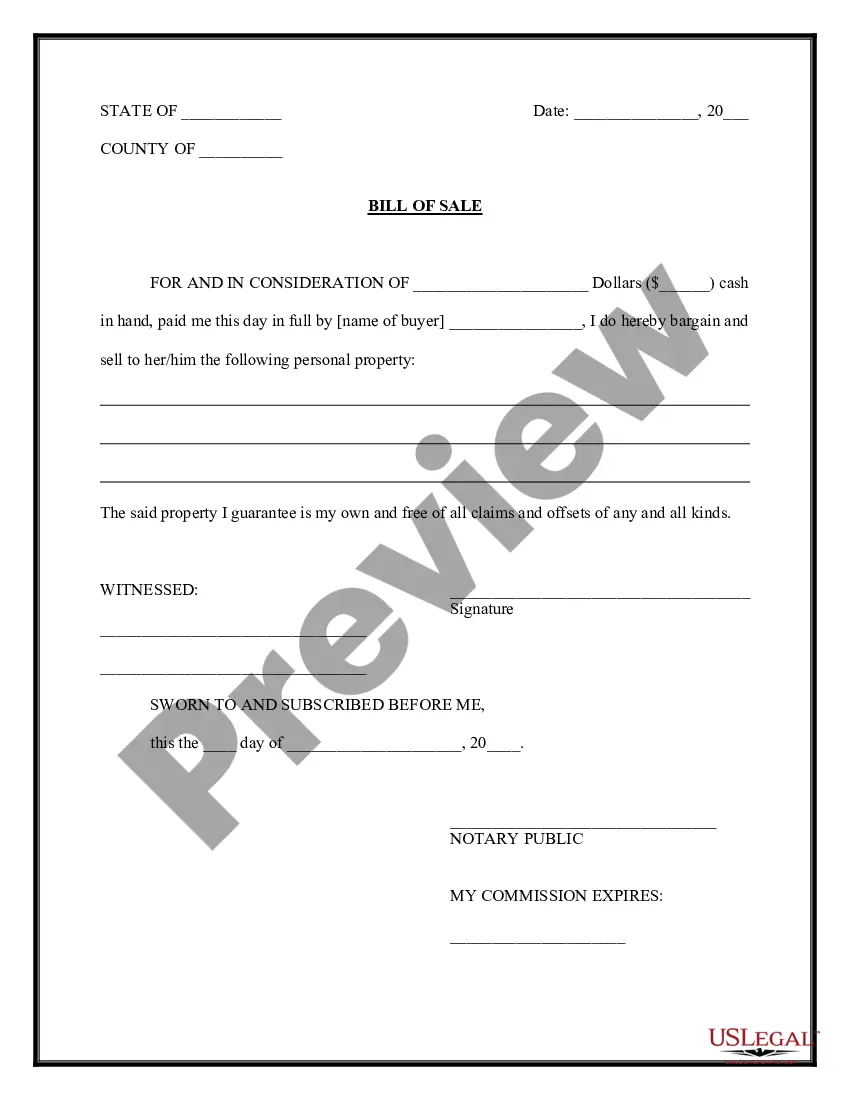
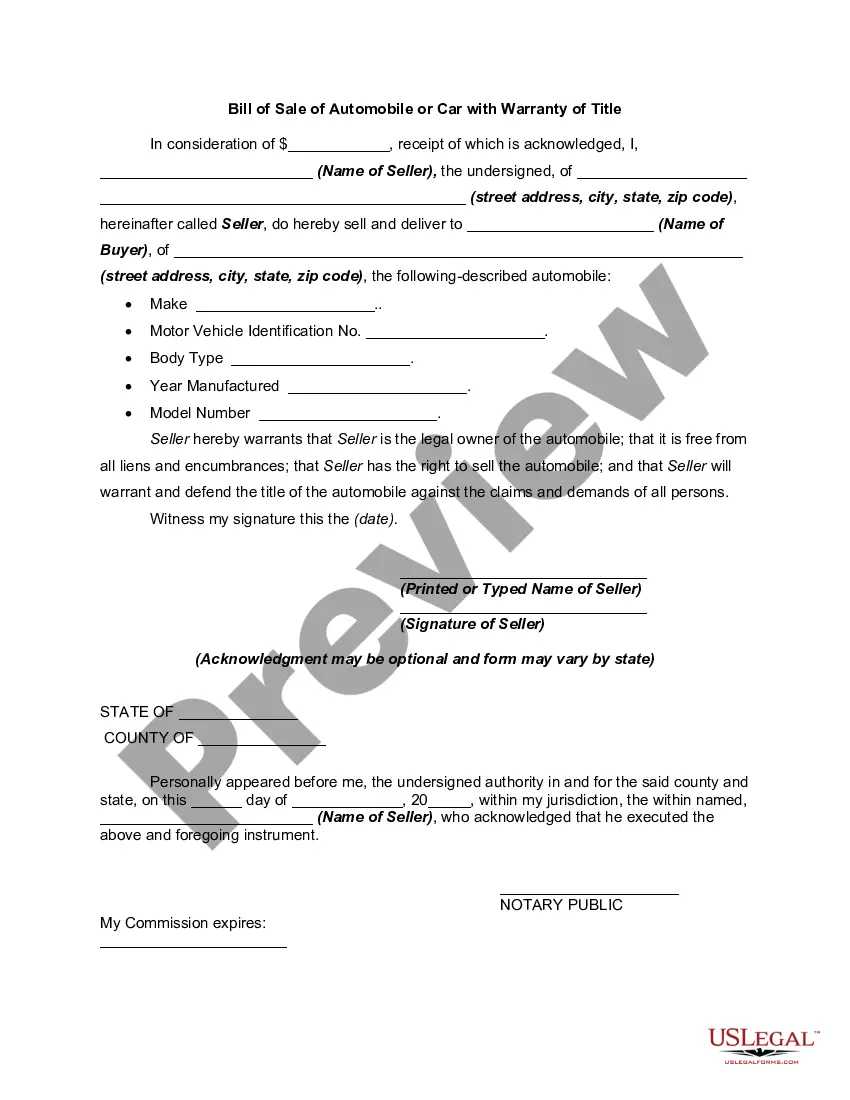
Get your form ready online
Our built-in tools help you complete, sign, share, and store your documents in one place.
Make edits, fill in missing information, and update formatting in US Legal Forms—just like you would in MS Word.
Download a copy, print it, send it by email, or mail it via USPS—whatever works best for your next step.
Sign and collect signatures with our SignNow integration. Send to multiple recipients, set reminders, and more. Go Premium to unlock E-Sign.
If this form requires notarization, complete it online through a secure video call—no need to meet a notary in person or wait for an appointment.
We protect your documents and personal data by following strict security and privacy standards.

Make edits, fill in missing information, and update formatting in US Legal Forms—just like you would in MS Word.

Download a copy, print it, send it by email, or mail it via USPS—whatever works best for your next step.

Sign and collect signatures with our SignNow integration. Send to multiple recipients, set reminders, and more. Go Premium to unlock E-Sign.

If this form requires notarization, complete it online through a secure video call—no need to meet a notary in person or wait for an appointment.

We protect your documents and personal data by following strict security and privacy standards.
Looking for another form?










Form popularity
FAQ
Only those firearms subject to the National Firearms Act (NFA) (e.g., machineguns, short–barreled rifles and shotguns, silencers, destructive devices, and firearms designated as “any other weapons”) must be registered with ATF. Firearms registration may be required by state or local law.
Understanding CPL vs. People who carry a concealed weapon without obtaining a CPL can be charged with “CCW,” which stands for Carrying a Concealed Weapon. This is the Michigan law that makes it illegal to carry a weapon in a concealed manner on your person or in your vehicle without first obtaining a CPL.
Concealed carry is legal for residents with a Michigan Concealed Pistol License (CPL) and for non-residents that are at least 21 years old and who have licenses/permits from their state of residency.
1. APPLICANT MUST BE 21 YEARS OF AGE AND HAVE A VALID DRIVERS LICENSE OR ID CARD. 2. IF YOU ARE A NON-RESIDENT, YOU MUST HAVE AN UNRESTRICTED LICENSE TO CARRY FROM YOUR HOME STATE.
Applicants must be at least 21 years of age, be a citizen of the United States or an alien lawfully admitted into the United States, have knowledge and training in the safe use and handling of a pistol by successfully completing an appropriate pistol safety training course or class and be a legal resident of Michigan ...
Possession of an unregistered firearm is also covered by federal laws and can also be charged as a federal offense. 26 U.S.C. § 5861(d) provides that it is a crime for a person to receive or possess a firearm not registered to them in the National Firearms Registration and Transfer Record.
1. APPLICANT MUST BE 21 YEARS OF AGE AND HAVE A VALID DRIVERS LICENSE OR ID CARD. 2. IF YOU ARE A NON-RESIDENT, YOU MUST HAVE AN UNRESTRICTED LICENSE TO CARRY FROM YOUR HOME STATE.
In the vast majority of states, a person does not need a permit simply to own a gun. A person must be 18 or 21 years old to buy a gun. Generally, laws forbidding the carrying of handguns include limited exceptions.

