Gun Registration Requirements In Harris
Description
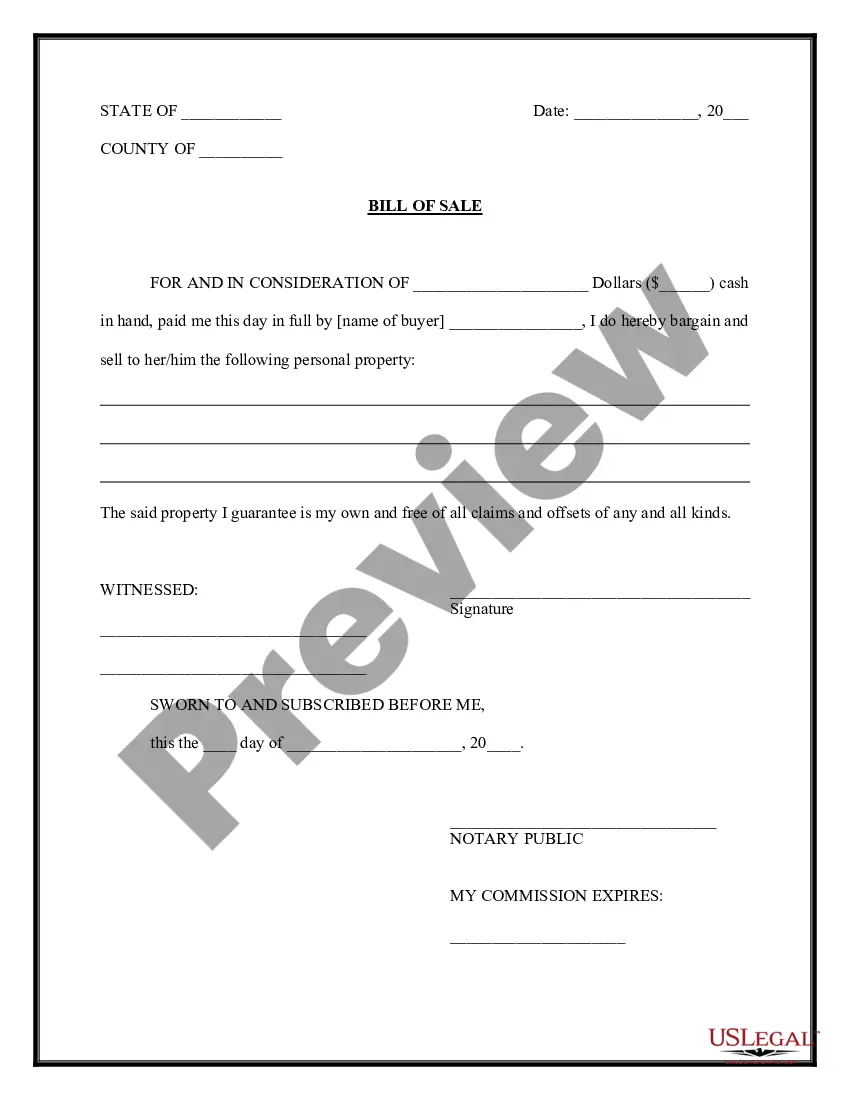
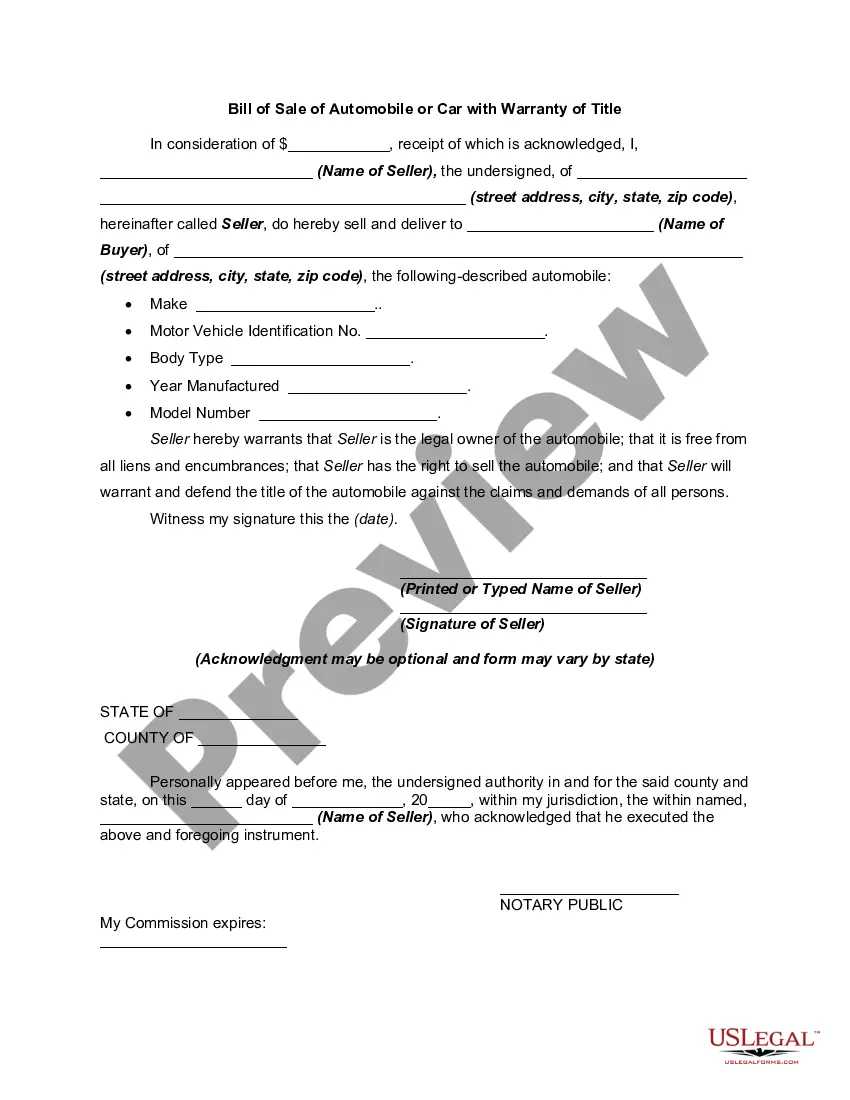
Get your form ready online
Our built-in tools help you complete, sign, share, and store your documents in one place.
Make edits, fill in missing information, and update formatting in US Legal Forms—just like you would in MS Word.
Download a copy, print it, send it by email, or mail it via USPS—whatever works best for your next step.
Sign and collect signatures with our SignNow integration. Send to multiple recipients, set reminders, and more. Go Premium to unlock E-Sign.
If this form requires notarization, complete it online through a secure video call—no need to meet a notary in person or wait for an appointment.
We protect your documents and personal data by following strict security and privacy standards.

Make edits, fill in missing information, and update formatting in US Legal Forms—just like you would in MS Word.

Download a copy, print it, send it by email, or mail it via USPS—whatever works best for your next step.

Sign and collect signatures with our SignNow integration. Send to multiple recipients, set reminders, and more. Go Premium to unlock E-Sign.

If this form requires notarization, complete it online through a secure video call—no need to meet a notary in person or wait for an appointment.

We protect your documents and personal data by following strict security and privacy standards.
Looking for another form?






Form popularity
FAQ
There's no law against gifting a firearm, or buying one with the intent to gift it. You may have to transfer it, depending on your state laws and to whom you're gifting it.
Possession of an unregistered firearm is also covered by federal laws and can also be charged as a federal offense. 26 U.S.C. § 5861(d) provides that it is a crime for a person to receive or possess a firearm not registered to them in the National Firearms Registration and Transfer Record.
No, you do not have to register it. There is no gun registry in Texas or at the federal level. Therefore, there is no one for you to register your gun with. Legally, there is nothing that you have to do in a private sale or when gifting a firearm as far as recording the transaction.
As long as you are legally permitted to own a firearm and the vehicle belongs to you, then the answer is yes; you may have a gun, loaded or unloaded, in your vehicle in the state of Texas.
New York law has interpreted this to mean antique rifles, shotguns, handguns, and replicas thereof, are generally exempt from the above restrictions and can be bought and possessed without a permit. (Persons who shoot muzzle-loading handguns must be properly licensed.)
State laws neither require nor prohibit firearms registries. All . 50 caliber rifles and firearms defined by California law as assault weapons must be registered.
Federal law prohibits a universal, national gun registry. 4 Eight states prohibit state-level gun registries. Only Hawaii requires registration of all firearms, while only a few states require registration of certain firearms. Only three states (Ill., Mass., and N.J.) require a license for all guns.
State laws neither require nor prohibit firearms registries. All . 50 caliber rifles and firearms defined by California law as assault weapons must be registered.
Only those firearms subject to the National Firearms Act (NFA) (e.g., machineguns, short–barreled rifles and shotguns, silencers, destructive devices, and firearms designated as “any other weapons”) must be registered with ATF. Firearms registration may be required by state or local law.
A Bullet Can Be in the Chamber with a License to Carry Concealed carry in Texas is legal for a resident who has a license to carry (LTC). This also applies to a nonresident with a concealed carry license or a permit from another state Texas recognizes for licensing purposes.

