Nondisclosure Confidentiality Agreement With Attorney In Virginia
Description





Form popularity
FAQ
Completing the Confidentiality Agreement The "Receiving Party" is the person or company who receives the confidential information and is obligated to keep it secret. You'll need to fill in information specific to your circumstances in the spaces provided, such as the parties' names and addresses.
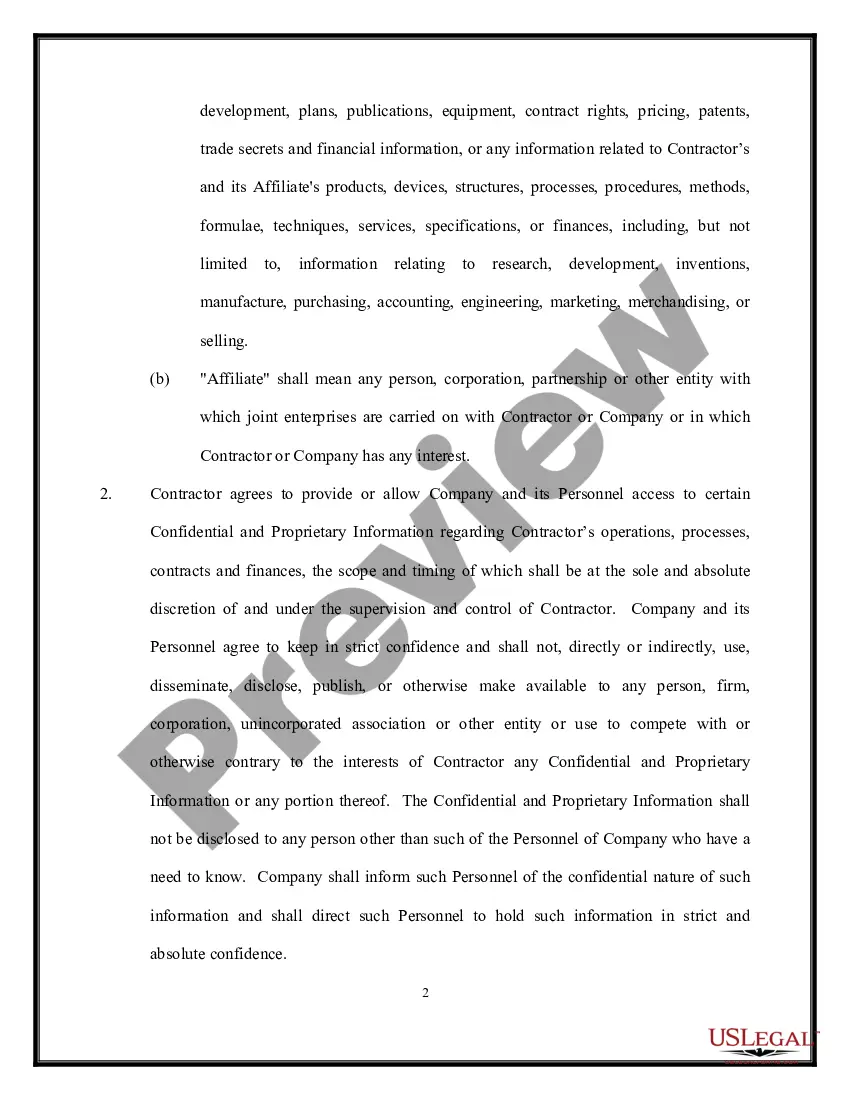
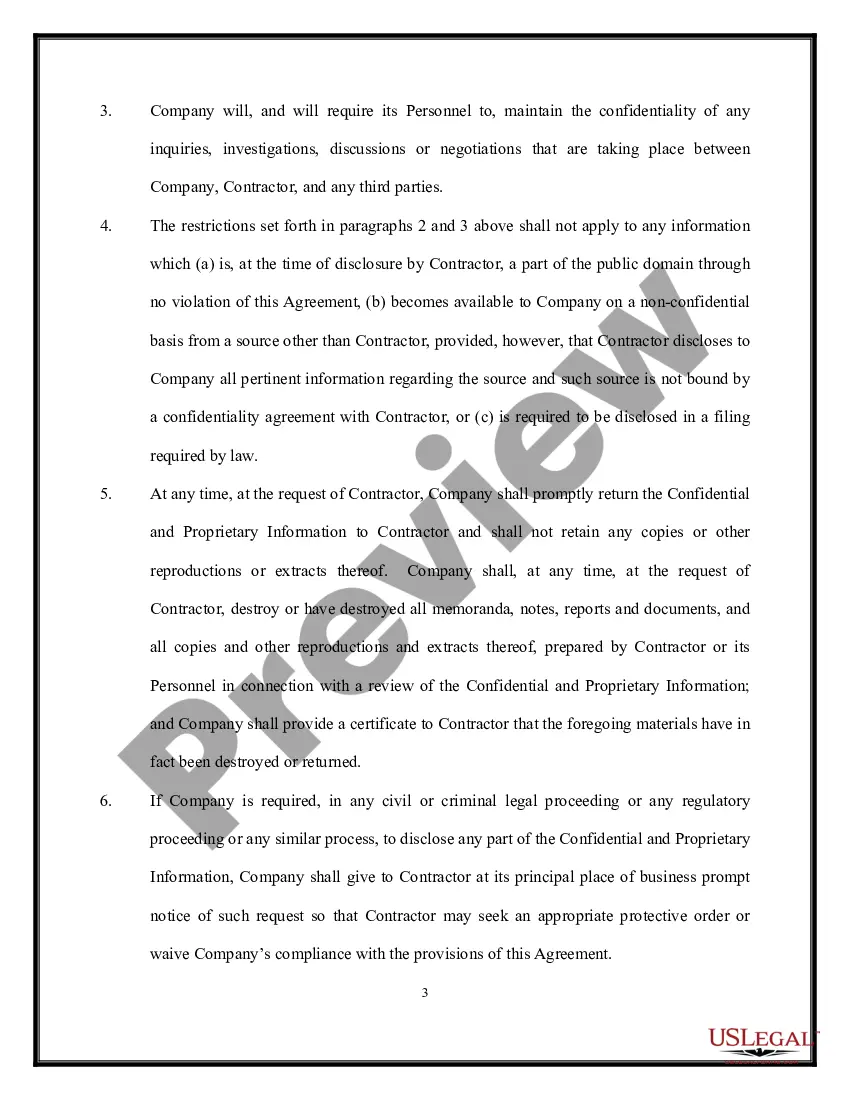
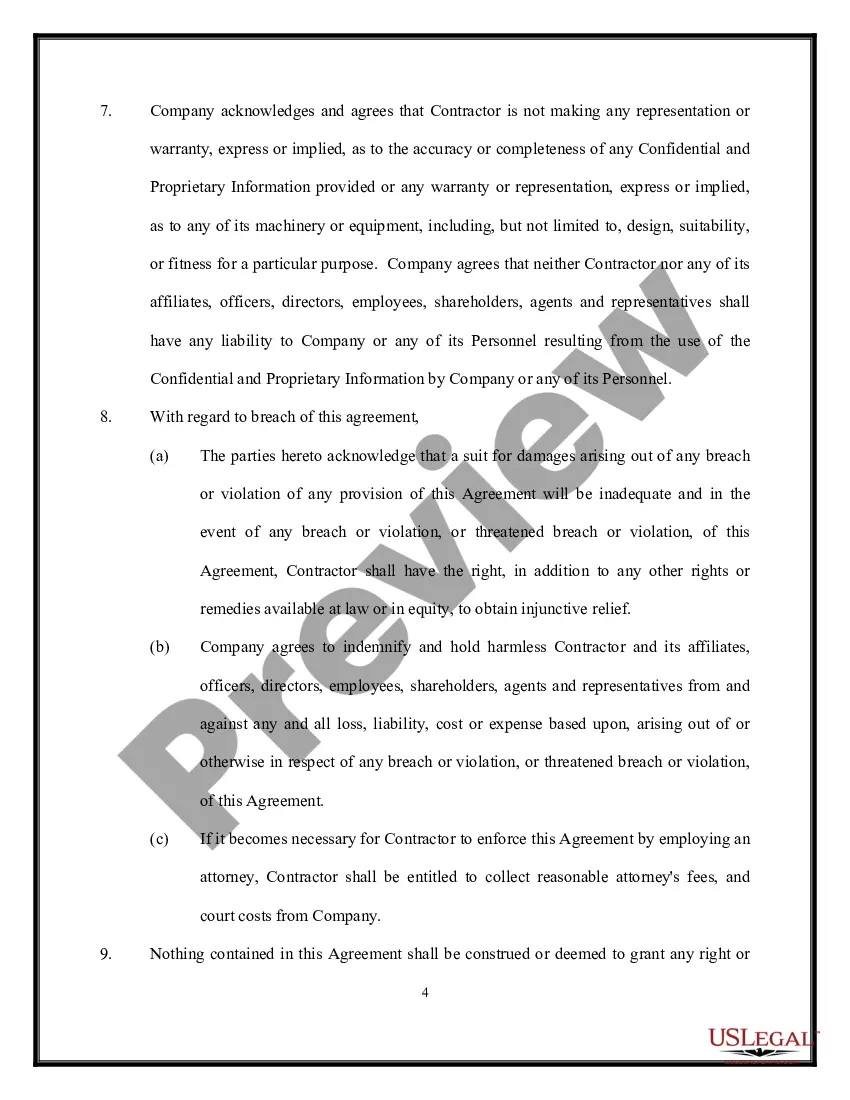
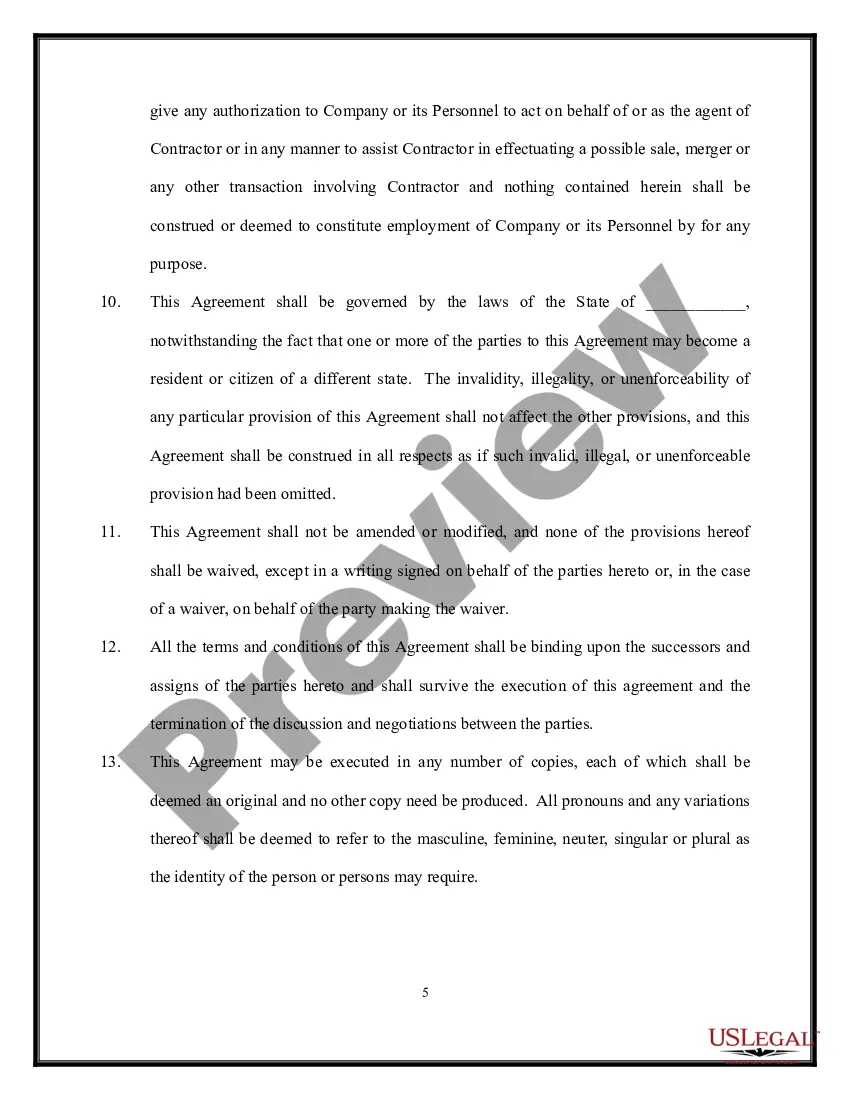
Five other key features must be included in your NDA to ensure it's legally binding, including a description of confidential information, obligations of the parties involved, any exclusions, the term of the agreement and consequences of a breach.
At the top, there are three types, unilateral, bilateral, and multilateral NDAs. The rest of the specific NDA types fall under these three categories. Most are based on who has to sign the NDA. Not all NDAs are created equally, and they can only demand so much secrecy from strangers when compared to their employees.
Whereas confidentiality agreements are typically devised in employment or personal situations to protect sensitive information, NDAs are often used in business and legal settings to protect trade secrets, client lists, and financial data.
Virginia courts generally enforce NDAs ing to their terms, so long as they comply with several common law requirements. You can avoid inadvertently drafting an unenforceable NDA by seeking the counsel of a Richmond employment contract attorney.
Three circumstances making disclosure of confidential information lawful are: where the individual to whom the information relates has consented. where disclosure is necessary to safeguard the individual, or others, or is in the public interest. where there is a legal duty to do so, for example a court order.
§ 40.1-28.01. Nondisclosure or confidentiality agreement; provisions regarding sexual assault or sexual harassment; condition of employment.
No employer shall require an employee or a prospective employee to execute or renew any provision in a nondisclosure or confidentiality agreement, including any provision relating to nondisparagement, that has the purpose or effect of concealing the details relating to a claim of sexual assault pursuant to § 18.2-61, ...
Each party receiving confidential information shall hold such information in confidence and shall not disclose it to any third party nor to the public without the prior written authorization from the party providing that information, except to fulfill obligations under agreements between the parties, or to fulfill ...
