Confidentiality Form For Volunteers In Texas
Description

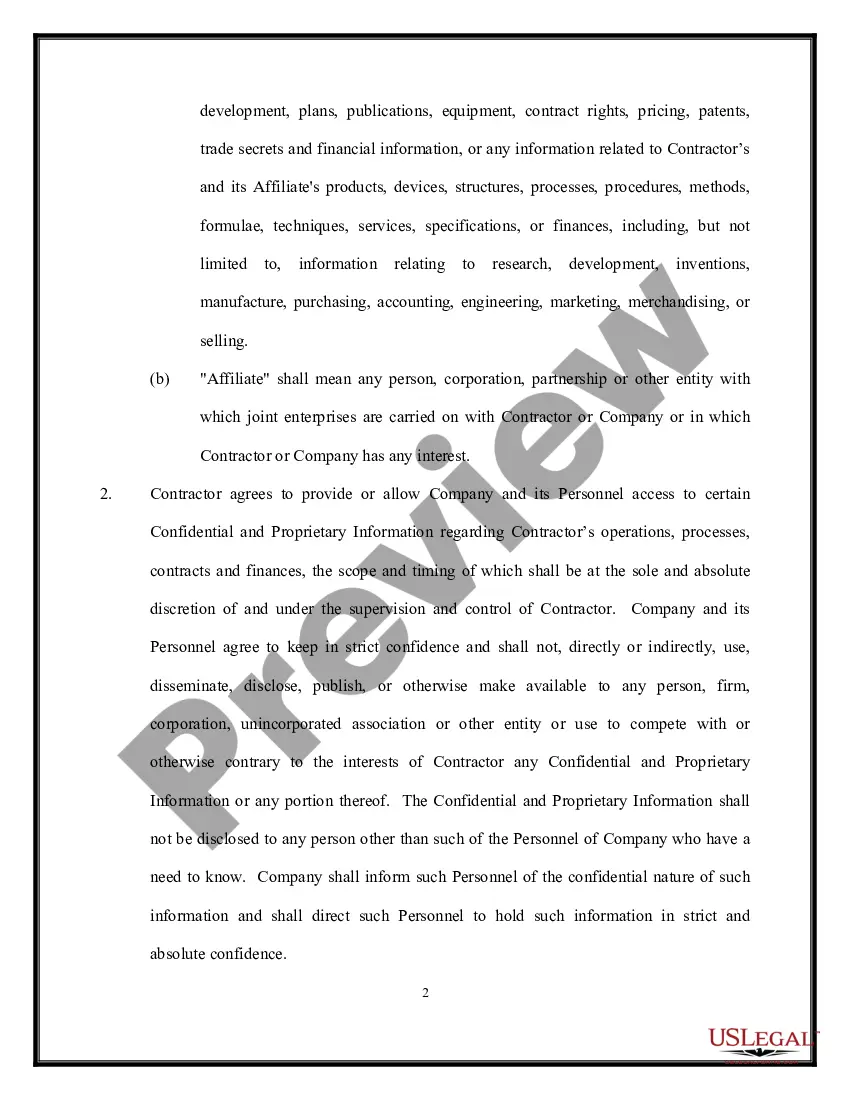
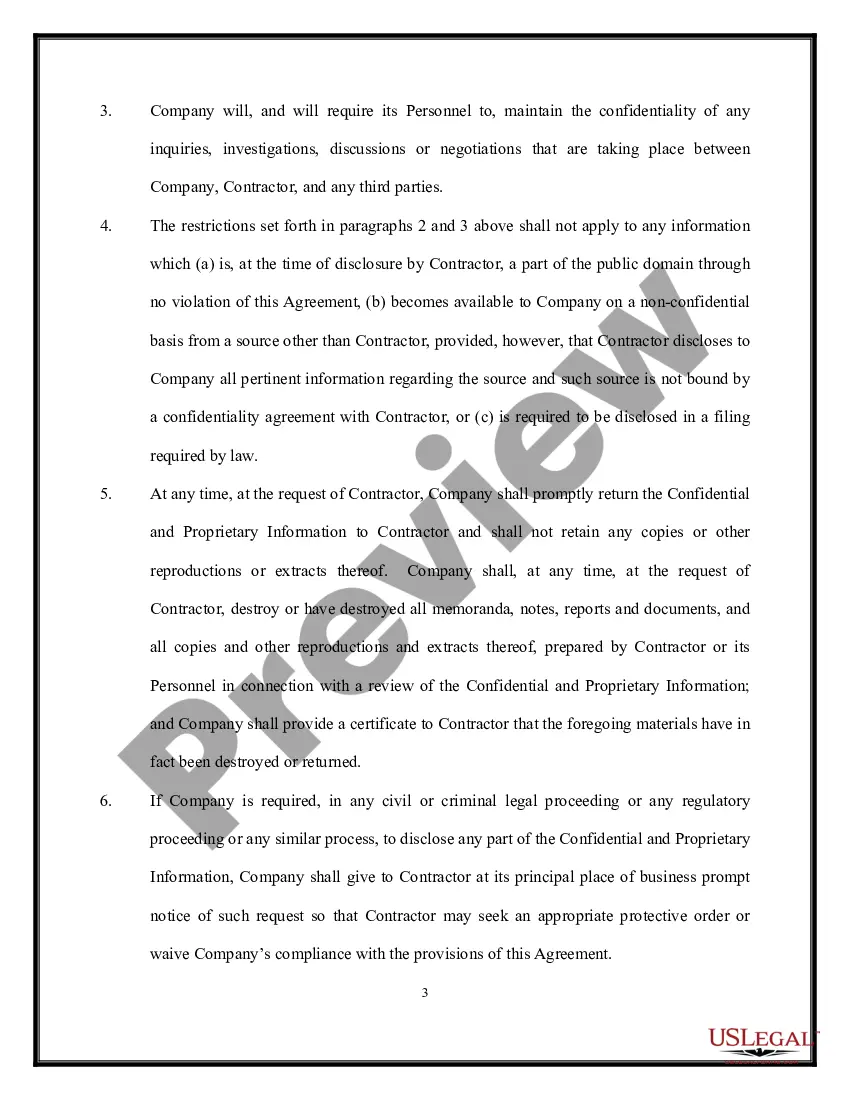
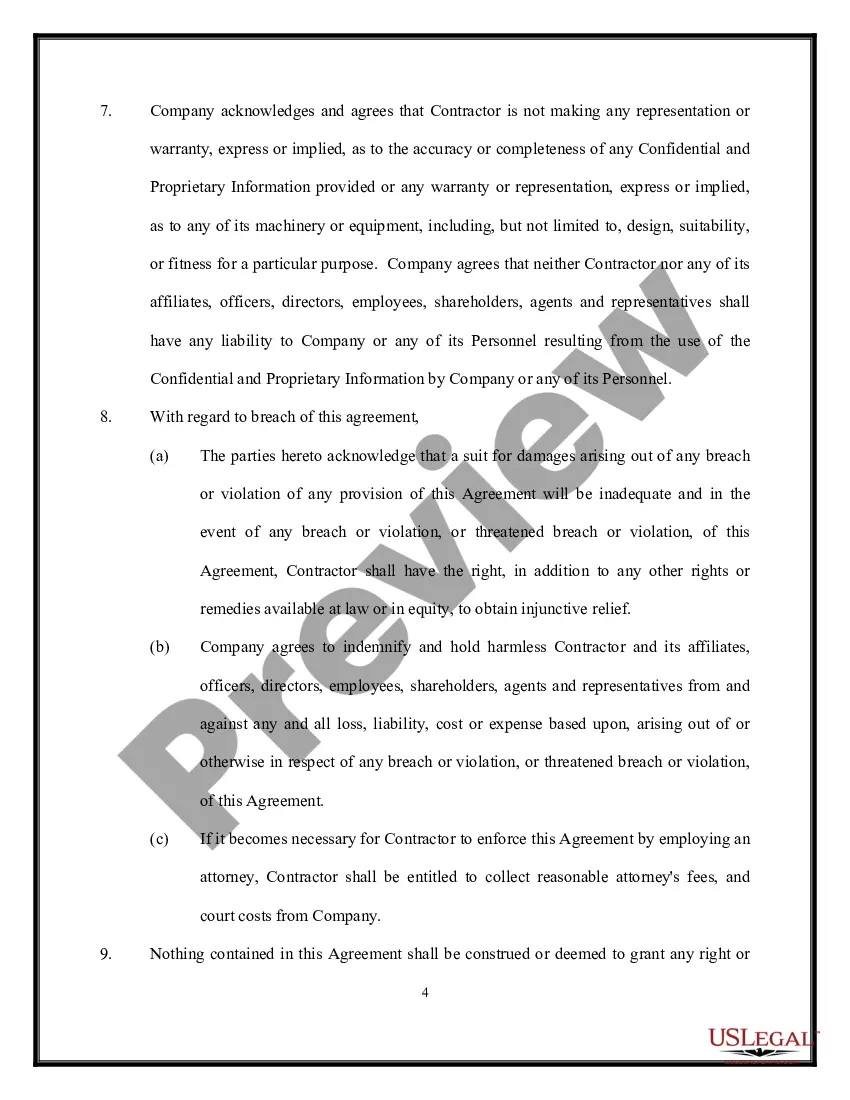
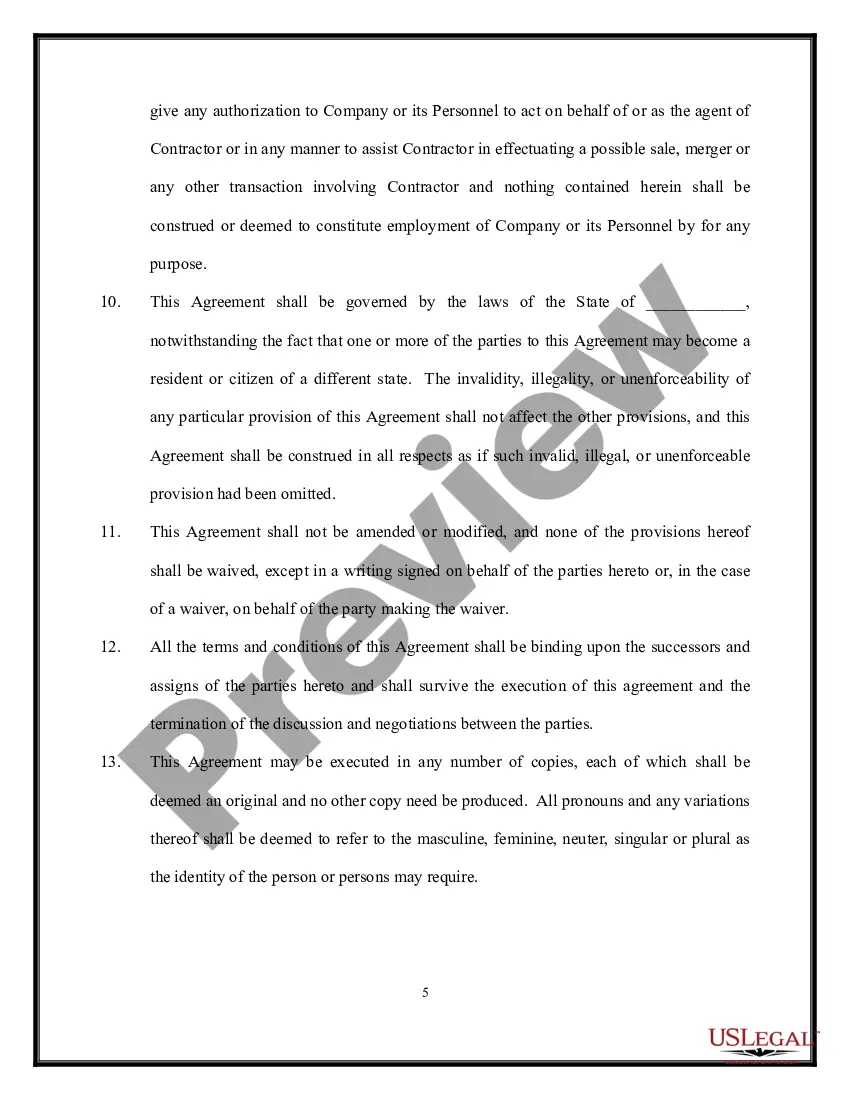
Get your form ready online
Our built-in tools help you complete, sign, share, and store your documents in one place.
Make edits, fill in missing information, and update formatting in US Legal Forms—just like you would in MS Word.
Download a copy, print it, send it by email, or mail it via USPS—whatever works best for your next step.
Sign and collect signatures with our SignNow integration. Send to multiple recipients, set reminders, and more. Go Premium to unlock E-Sign.
If this form requires notarization, complete it online through a secure video call—no need to meet a notary in person or wait for an appointment.
We protect your documents and personal data by following strict security and privacy standards.

Make edits, fill in missing information, and update formatting in US Legal Forms—just like you would in MS Word.

Download a copy, print it, send it by email, or mail it via USPS—whatever works best for your next step.

Sign and collect signatures with our SignNow integration. Send to multiple recipients, set reminders, and more. Go Premium to unlock E-Sign.

If this form requires notarization, complete it online through a secure video call—no need to meet a notary in person or wait for an appointment.

We protect your documents and personal data by following strict security and privacy standards.
Looking for another form?







Form popularity
FAQ
Under Texas law, a non-disclosure agreement is enforceable even if it is coupled with an unenforceable non compete agreement or invalid non-solicitation provision.
(a) "Confidential information" includes both "privileged information " and "unprivileged client information." "Privileged information" refers to the information of a client protected by the lawyer-client privilege of Rule 5.03 of the Texas Rules of Evidence or of Rule 5.03 of the Texas Rules of Criminal Evidence or by ...
In the course of performing their duties, employees may have access to or gain knowledge of confidential information concerning the Company, its customers/clients, and other employees. "Confidential information" is defined as information to which the public does not have general access.
Confidential information is defined as any data or know-how that a disclosing party offers a receiving party, orally or in writing, that is meant to be private. The receiving party reasonably understands its confidential nature and any circumstances that would call for disclosure of said information.
NDAs are enforceable when they are signed — if they are properly drafted and executed. NDAs are enforceable once signed, provided they have been drafted and executed properly. Unilateral NDAs need only the signature of the receiving party, whereas mutual non-disclosure agreements need the signatures of both parties.
A confidentiality agreement should include the names and addresses of the parties to the contract. Consider also including: Reason for the agreement: Explain why you're sharing this information. The information disclosed: Be specific about the subject matter and what exactly is included in the agreement.
The answer is yes and the usefulness of a Rule 11 agreement as a final judgment is important to remember. Here's why: If a Rule 11 agreement operates as a final judgment, then a trial court retains jurisdiction to enforce the agreement well after the underlying lawsuit has been dismissed.
Yes, nonsolicitation agreements are still enforceable in Texas, provided they meet certain criteria: Reasonableness: The agreement must be reasonable in scope and duration.
