Non Disclosure Agreement Format For Freelancer India In San Antonio
Description

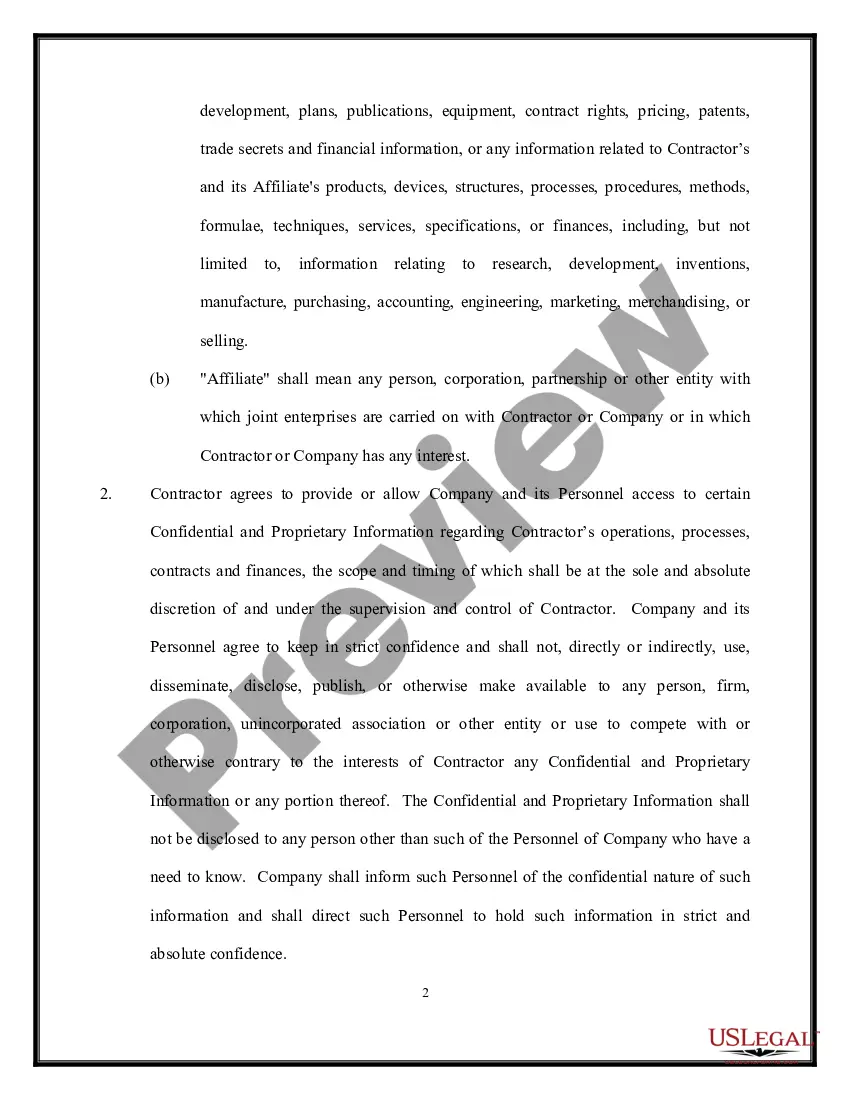
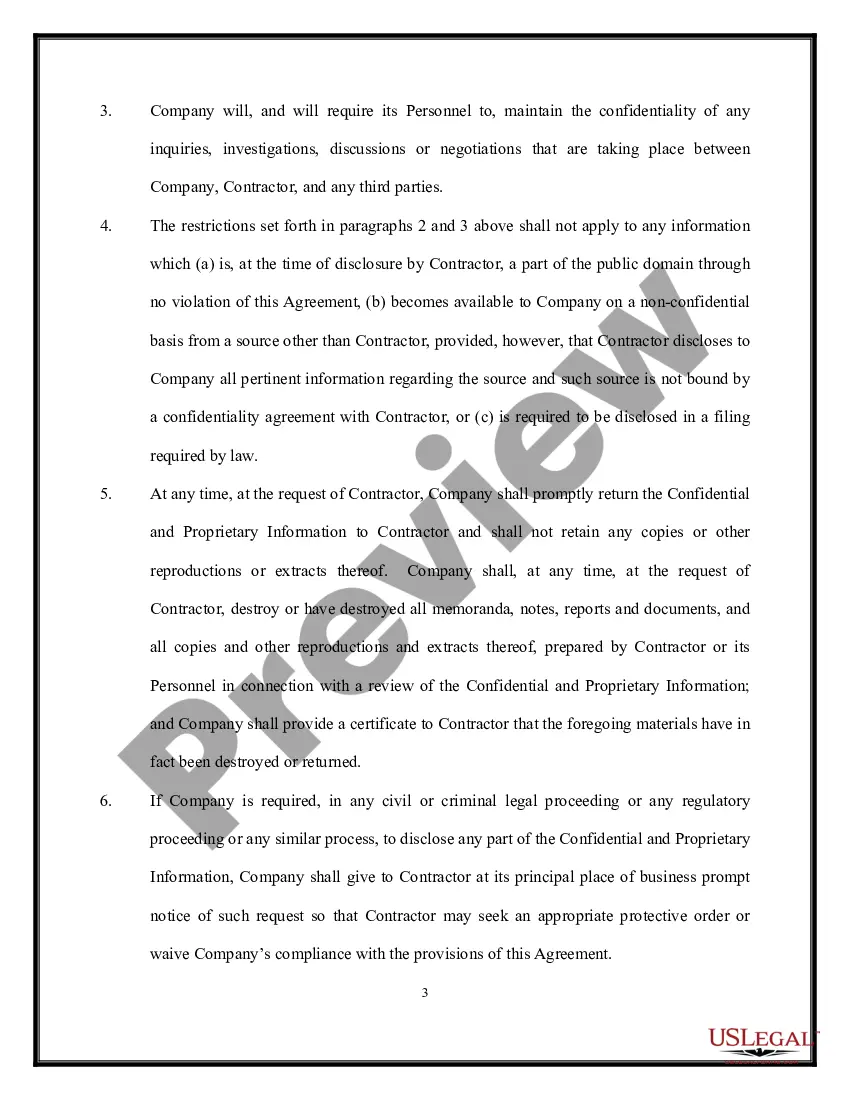
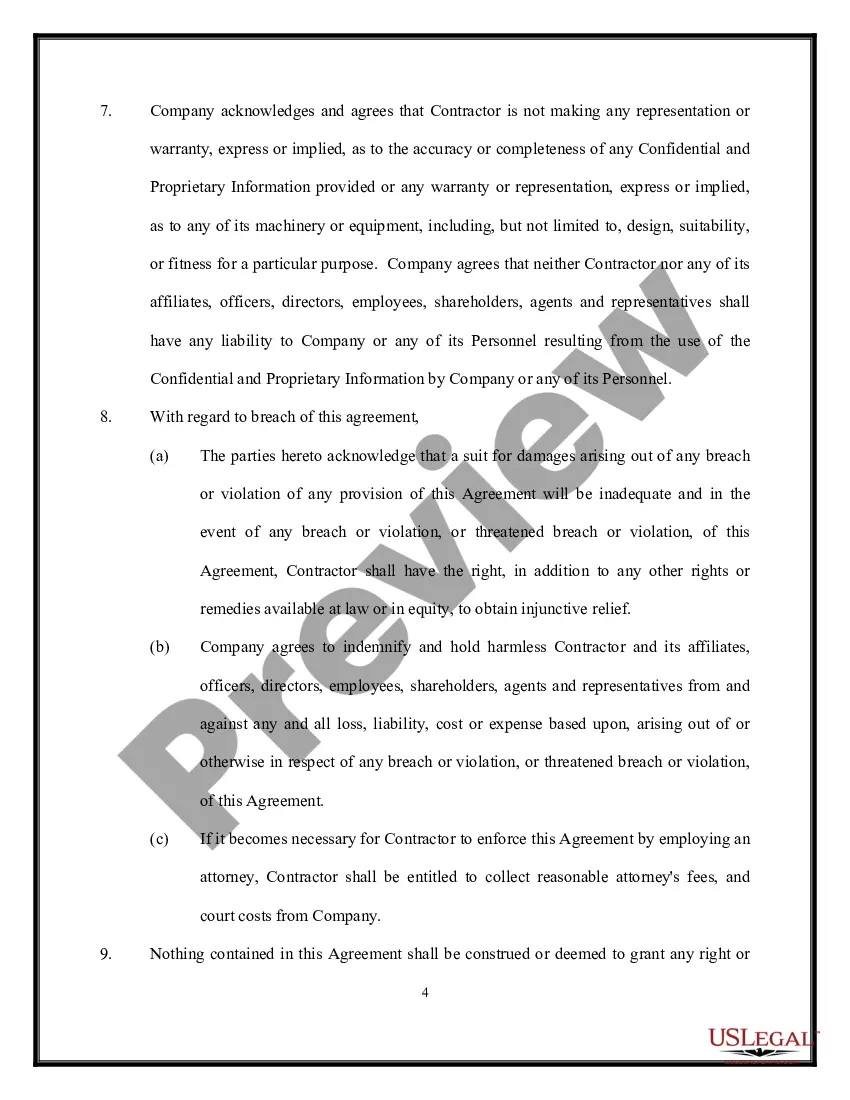
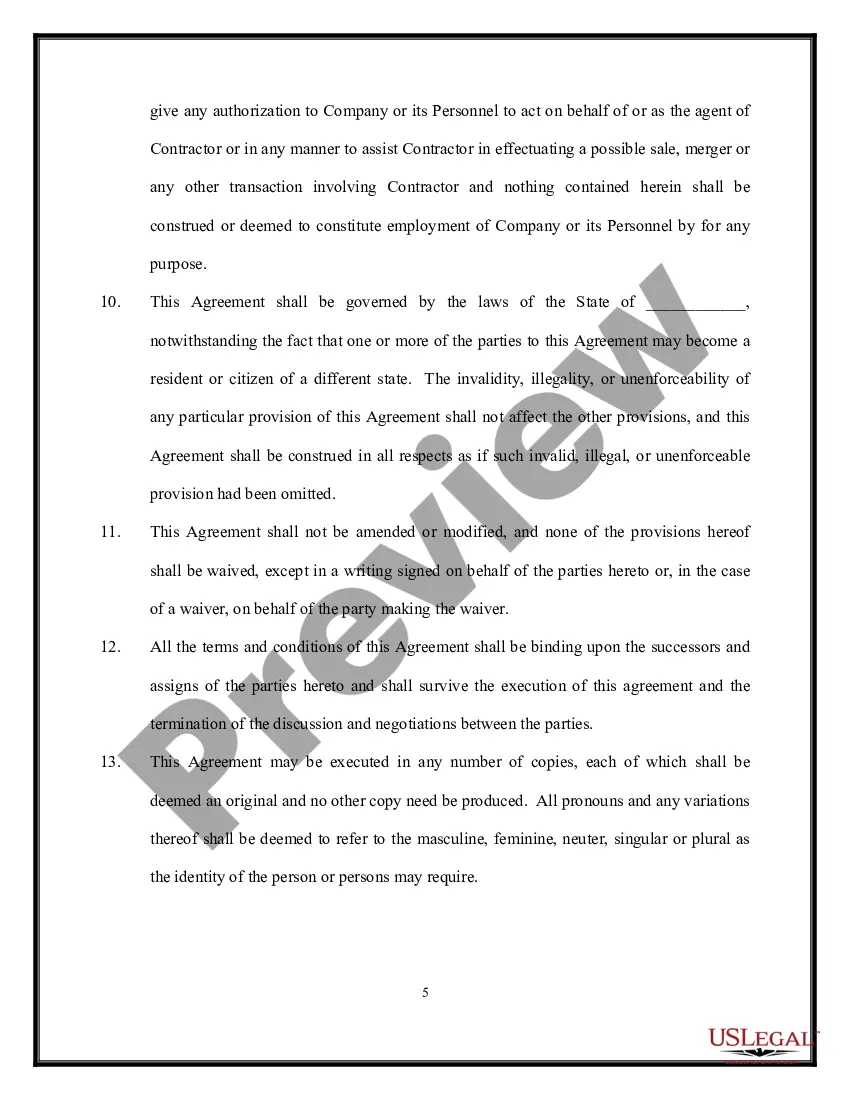
Get your form ready online
Our built-in tools help you complete, sign, share, and store your documents in one place.
Make edits, fill in missing information, and update formatting in US Legal Forms—just like you would in MS Word.
Download a copy, print it, send it by email, or mail it via USPS—whatever works best for your next step.
Sign and collect signatures with our SignNow integration. Send to multiple recipients, set reminders, and more. Go Premium to unlock E-Sign.
If this form requires notarization, complete it online through a secure video call—no need to meet a notary in person or wait for an appointment.
We protect your documents and personal data by following strict security and privacy standards.

Make edits, fill in missing information, and update formatting in US Legal Forms—just like you would in MS Word.

Download a copy, print it, send it by email, or mail it via USPS—whatever works best for your next step.

Sign and collect signatures with our SignNow integration. Send to multiple recipients, set reminders, and more. Go Premium to unlock E-Sign.

If this form requires notarization, complete it online through a secure video call—no need to meet a notary in person or wait for an appointment.

We protect your documents and personal data by following strict security and privacy standards.
Looking for another form?
Form popularity
FAQ
NDAs in India are enforceable as per the Indian Contract Act, 1872. They are very commonly employed across sectors and can be used for purposes ranging from technology/manufacturing to consulting to even labour or critical events requiring protection of sensitive information.
You do not need a lawyer to create and sign a non-disclosure agreement. However, if the information you are trying to protect is important enough to warrant an NDA, you may want to have the document reviewed by someone with legal expertise.
How do I write a Non-Disclosure Agreement? Contact information for the parties involved. Details about the confidential information that needs protection. Permitted uses of the confidential information by the recipient. Time restrictions for keeping information confidential. Reason for disclosure.
For Employees: When employees sign an NDA, they are legally bound to keep their company's proprietary information or any other private details completely confidential. This could include special processes, trade secrets, or business strategies that gives that company a competitive edge.
How are NDAs enforced internationally? NDAs can be enforced internationally depending on the jurisdiction and the laws that will apply to the NDA.
Since NDAs are essentially contracts, Indian courts rely on the Indian Contract Act, 1872 to determine their validity. If a NDA fulfils the requirements under the Act, the same is considered legally enforceable by law.
Non-Disclosure Agreement₹ 599.00 Broadly, it is classified as short term and long term non-disclosure agreement. Short time is typical for a short duration until the project is completed, so it is between the organisation and the contractor. Long term is usually used by an organisation with its employees.
