Non Disclosure Agreement Confidentiality Agreement Format In San Antonio
Description

Get your form ready online
Our built-in tools help you complete, sign, share, and store your documents in one place.
Make edits, fill in missing information, and update formatting in US Legal Forms—just like you would in MS Word.
Download a copy, print it, send it by email, or mail it via USPS—whatever works best for your next step.
Sign and collect signatures with our SignNow integration. Send to multiple recipients, set reminders, and more. Go Premium to unlock E-Sign.
If this form requires notarization, complete it online through a secure video call—no need to meet a notary in person or wait for an appointment.
We protect your documents and personal data by following strict security and privacy standards.

Make edits, fill in missing information, and update formatting in US Legal Forms—just like you would in MS Word.

Download a copy, print it, send it by email, or mail it via USPS—whatever works best for your next step.

Sign and collect signatures with our SignNow integration. Send to multiple recipients, set reminders, and more. Go Premium to unlock E-Sign.

If this form requires notarization, complete it online through a secure video call—no need to meet a notary in person or wait for an appointment.

We protect your documents and personal data by following strict security and privacy standards.
Looking for another form?
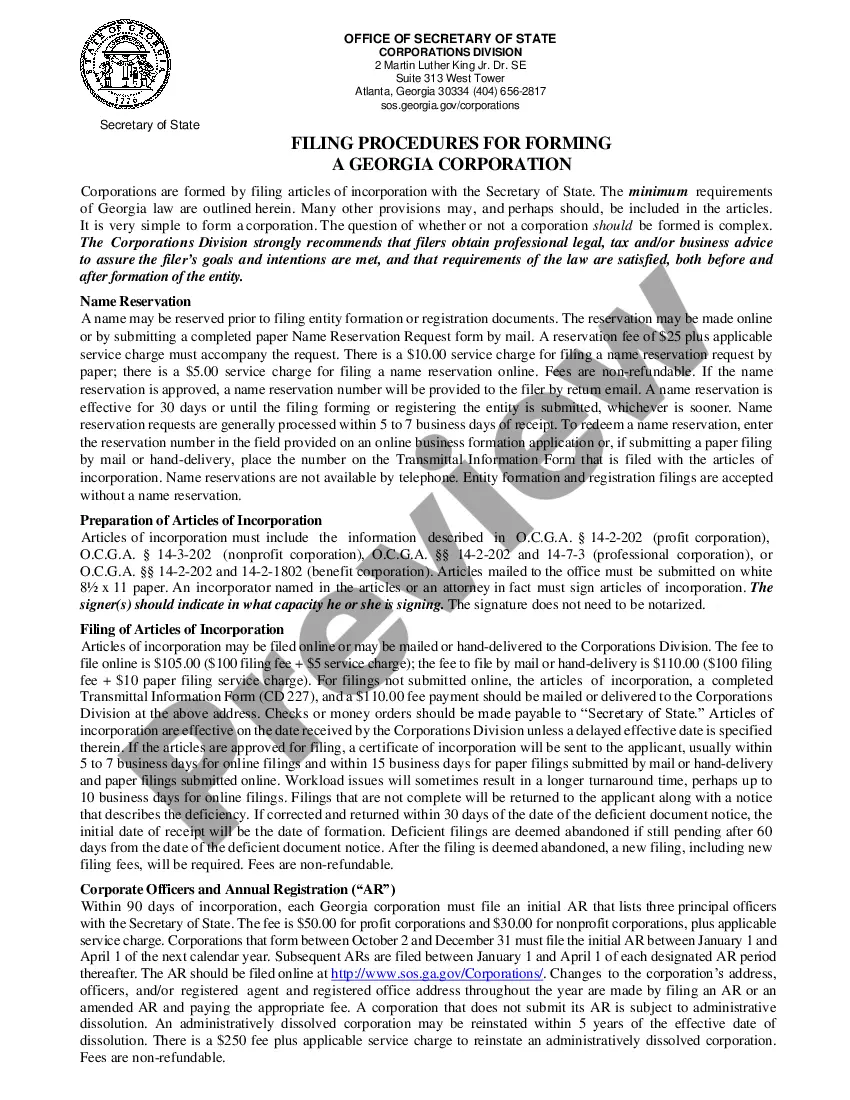

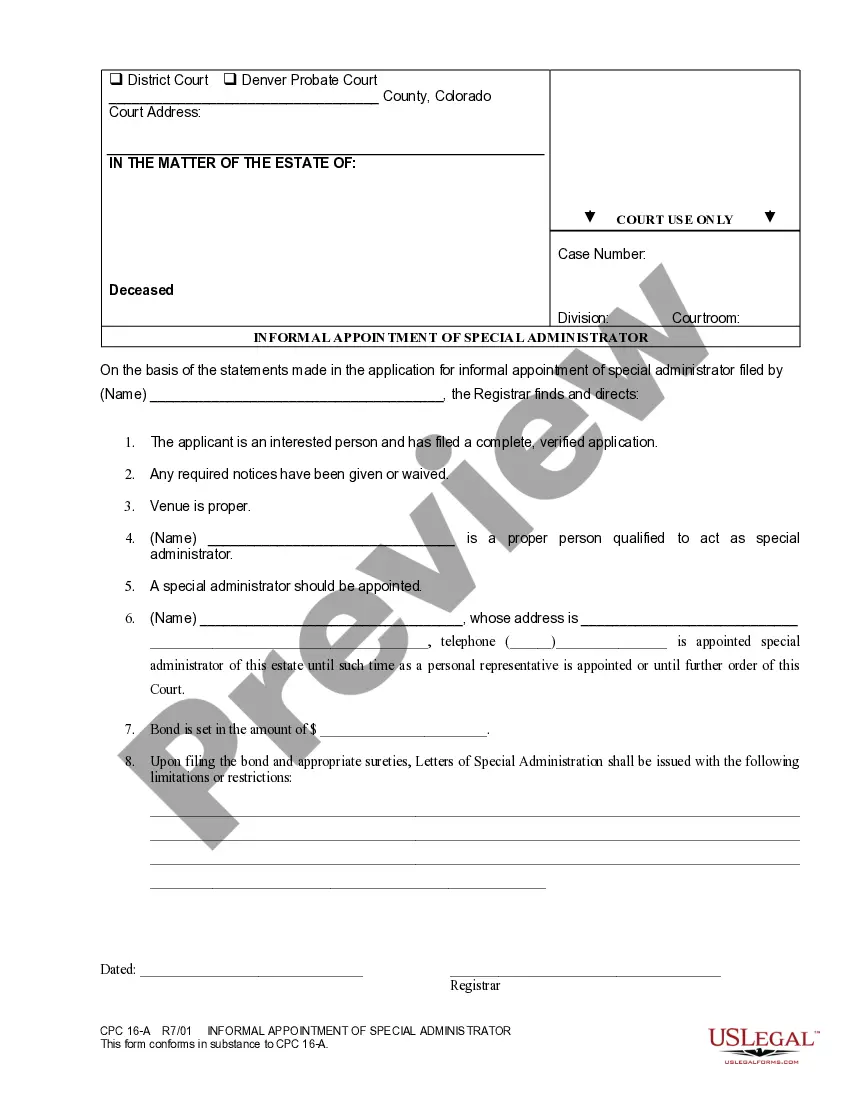
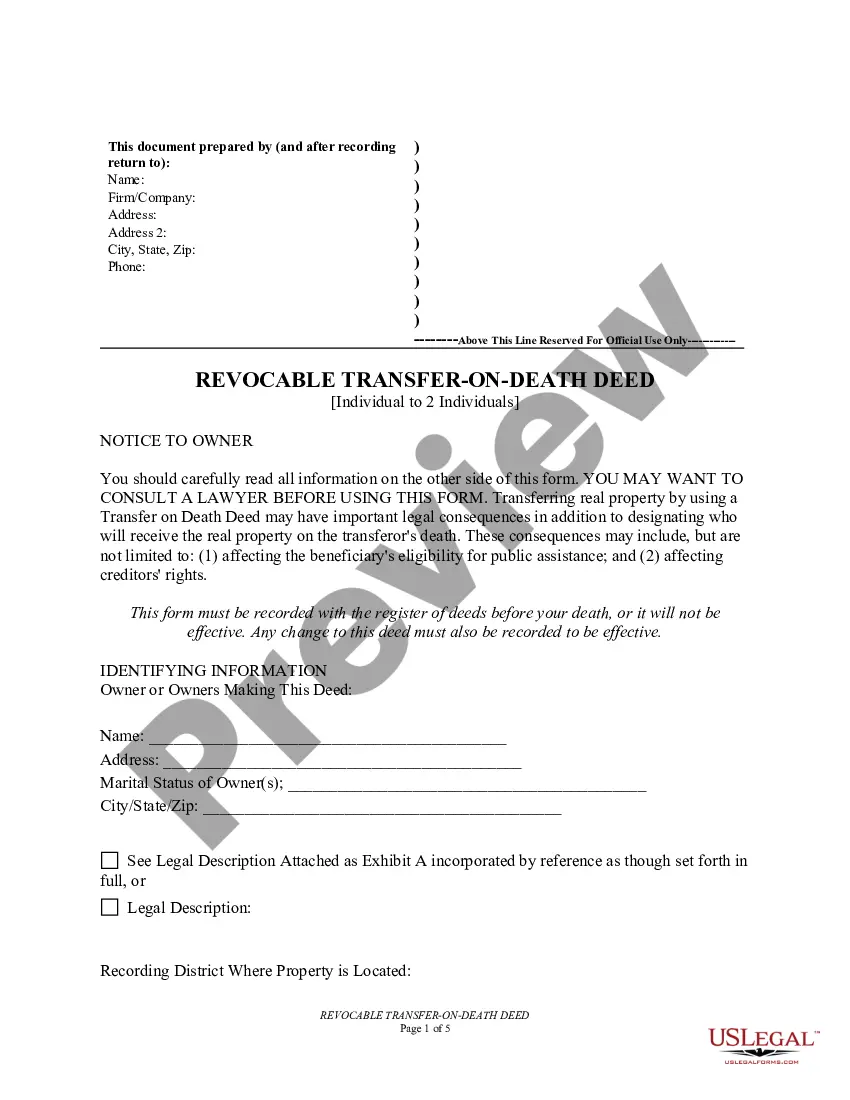
Form popularity
FAQ
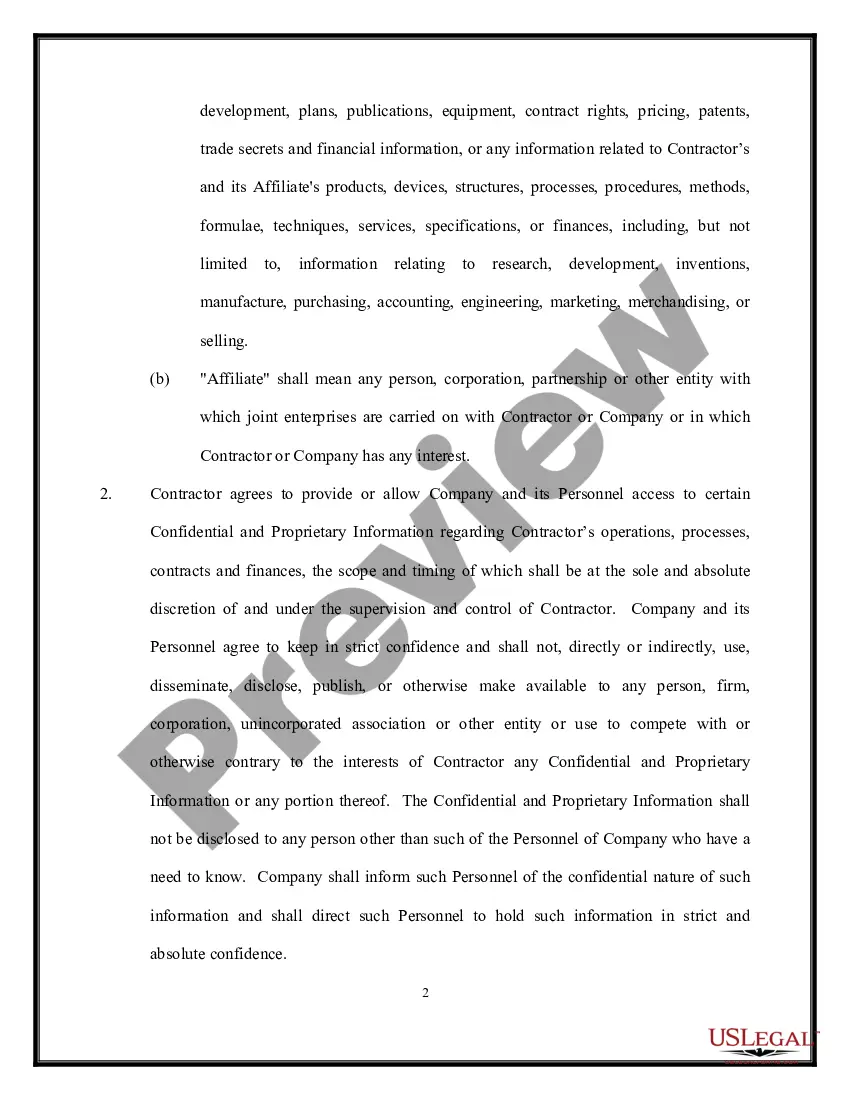
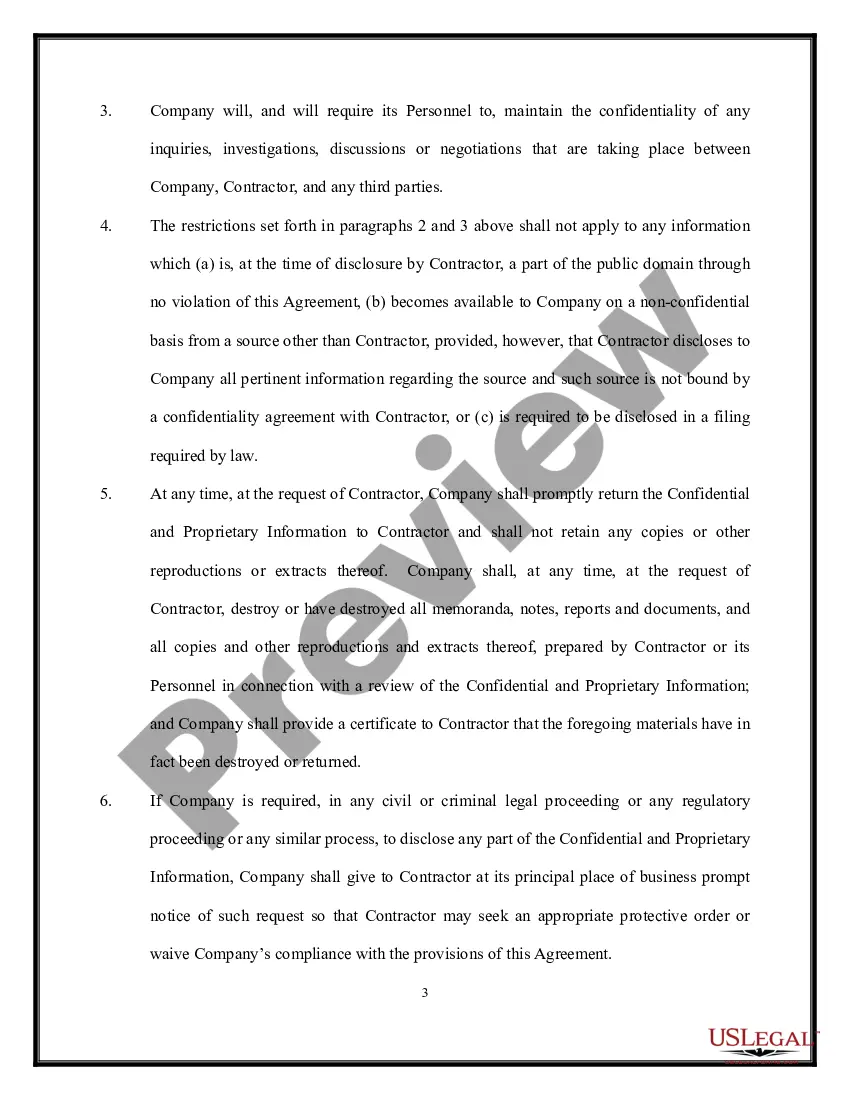
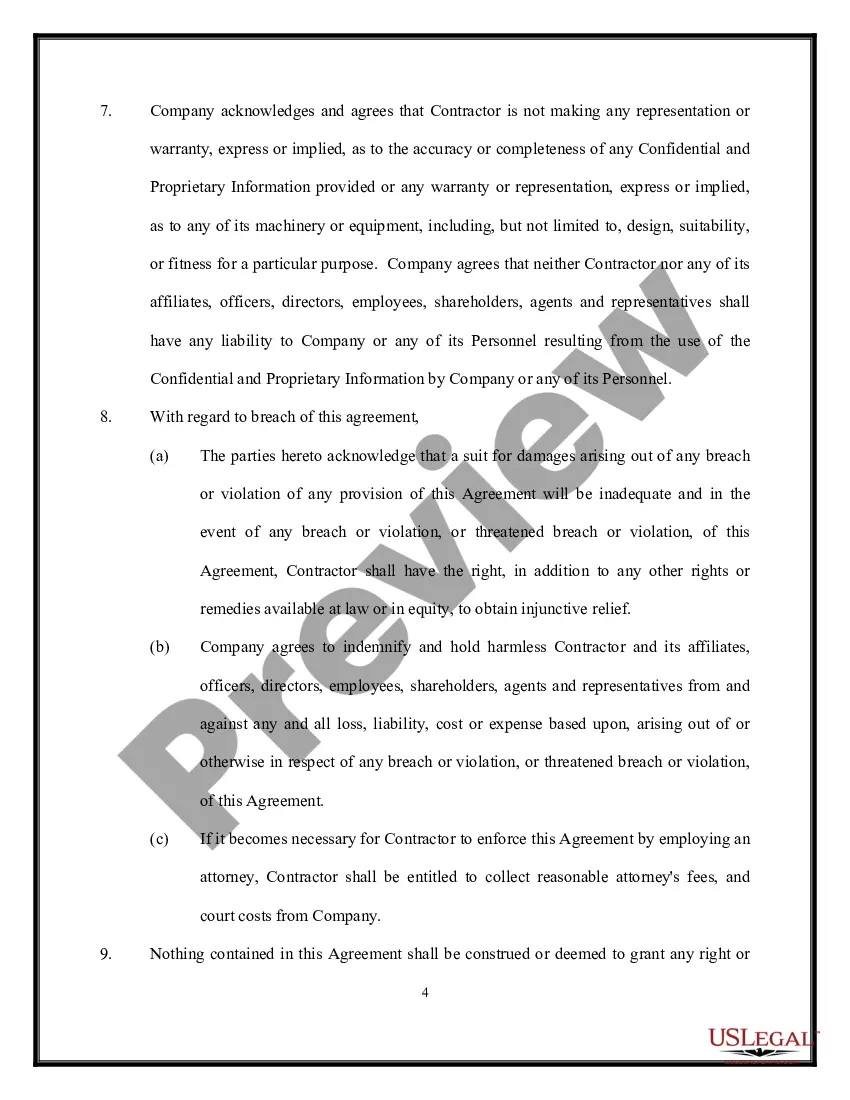
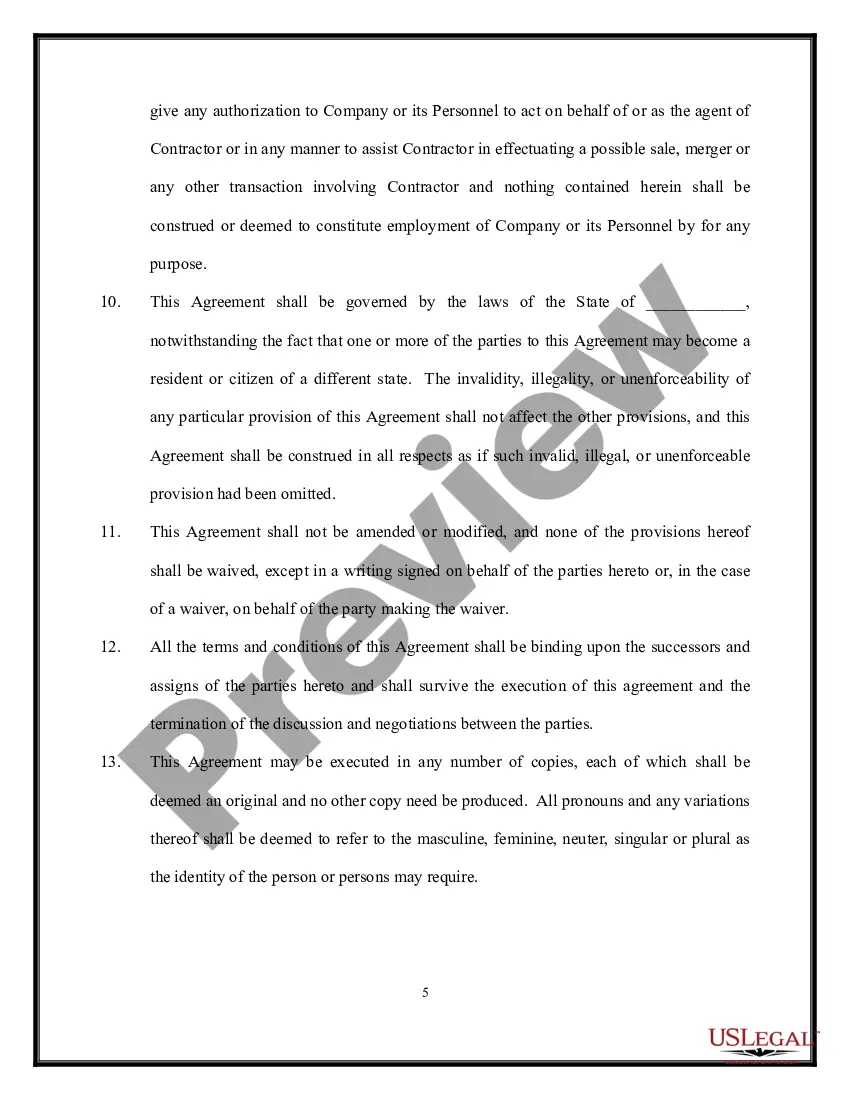
Non-Disclosure Agreements (NDAs) as well as Proprietary Information Agreements (PIAs) and Confidentiality Agreements (CAs) are synonymous terms for legal contracts that protect and govern the exchange of confidential or proprietary information.
1. An NDA is a legal document that protects your business information and trade secrets from vendors, employees, and third parties. Non-disclosure agreements help employers by protecting valuable, sensitive business information.
Confidentiality Agreement is used when more secrecy is required. Non-disclosure implies you must not disclose personal or private information. However, keeping confidential implies you should be more proactive in making sure information is kept secret.
What is the difference between a DPA and a NDA? A DPA (Data Processing Agreement) outlines terms for data processing, focusing on ensuring data protection and privacy compliance. An NDA (Non-Disclosure Agreement) is a contract where parties agree not to disclose confidential information they've shared with each other.
Yes, nonsolicitation agreements are still enforceable in Texas, provided they meet certain criteria: Reasonableness: The agreement must be reasonable in scope and duration.
It doesn't need to be notarized or filed with any state or local administrative office.
A confidentiality agreement binds all parties to keep secret information confidential, while an NDA upholds secrecy by creating a confidential relationship between the parties who sign it.
If you need an NDA, looking at templates online isn't a bad place to start, but ideally you should work with a lawyer who can write a simple NDA for you or tweak the one you have. You may be able to find someone in your community who can do it for a few hundred bucks.
To create an NDA simply and quickly, use a pre-existing non-disclosure agreement template like the pre-approved templates from . You should simply: Log in to and choose the NDA Template. Edit the template to include a description of the confidential information and the scope of the agreement.
