Nondisclosure Confidentiality Contract With Insurance Company In Queens
Description

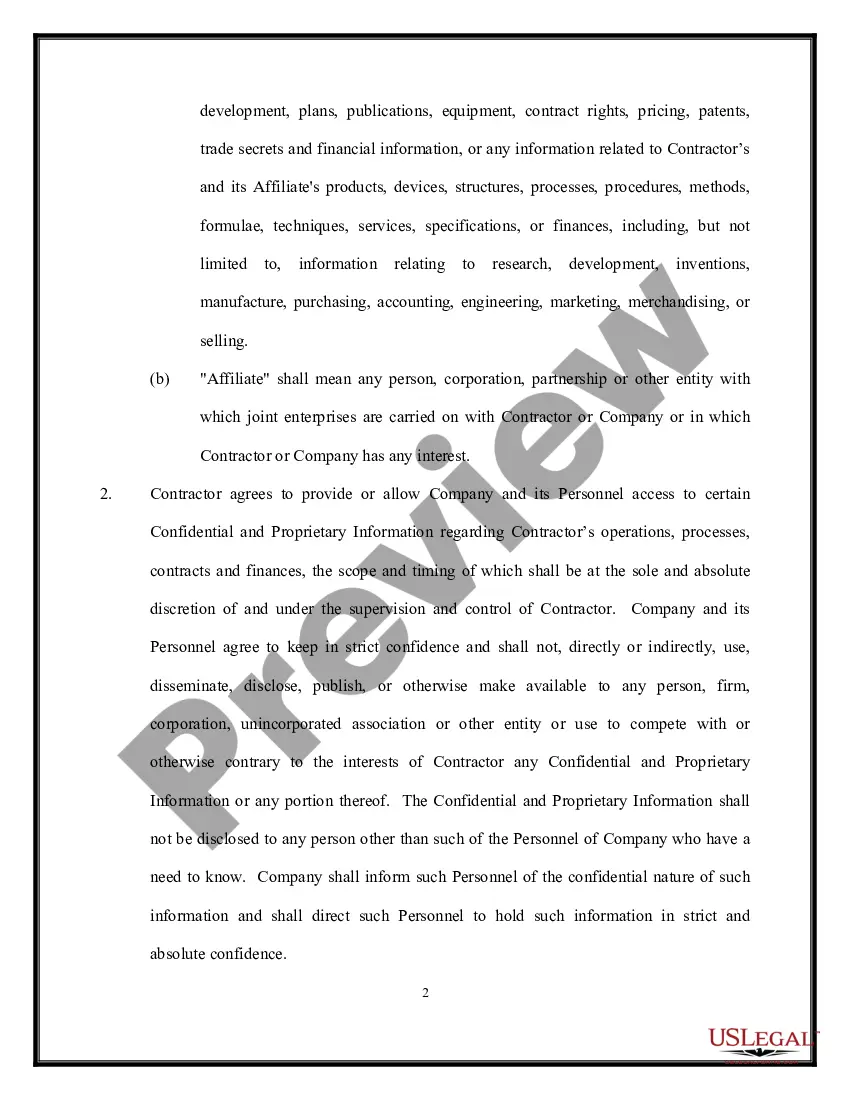
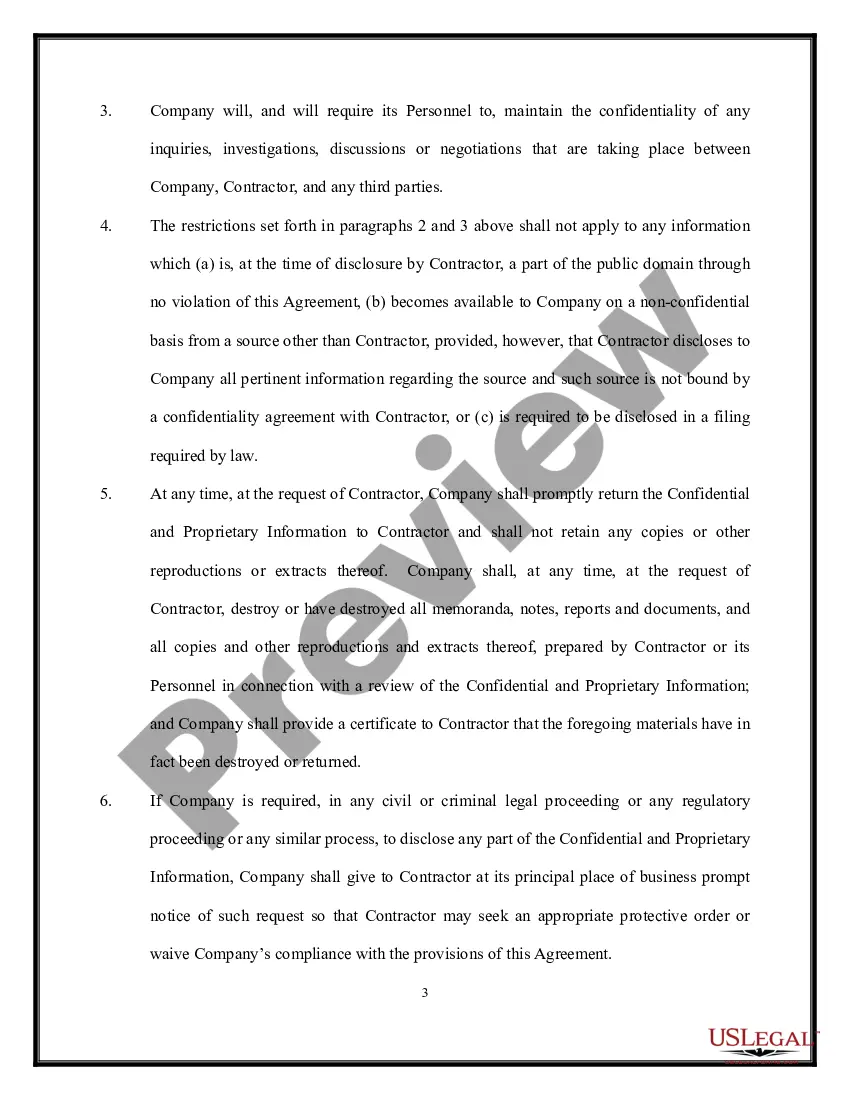
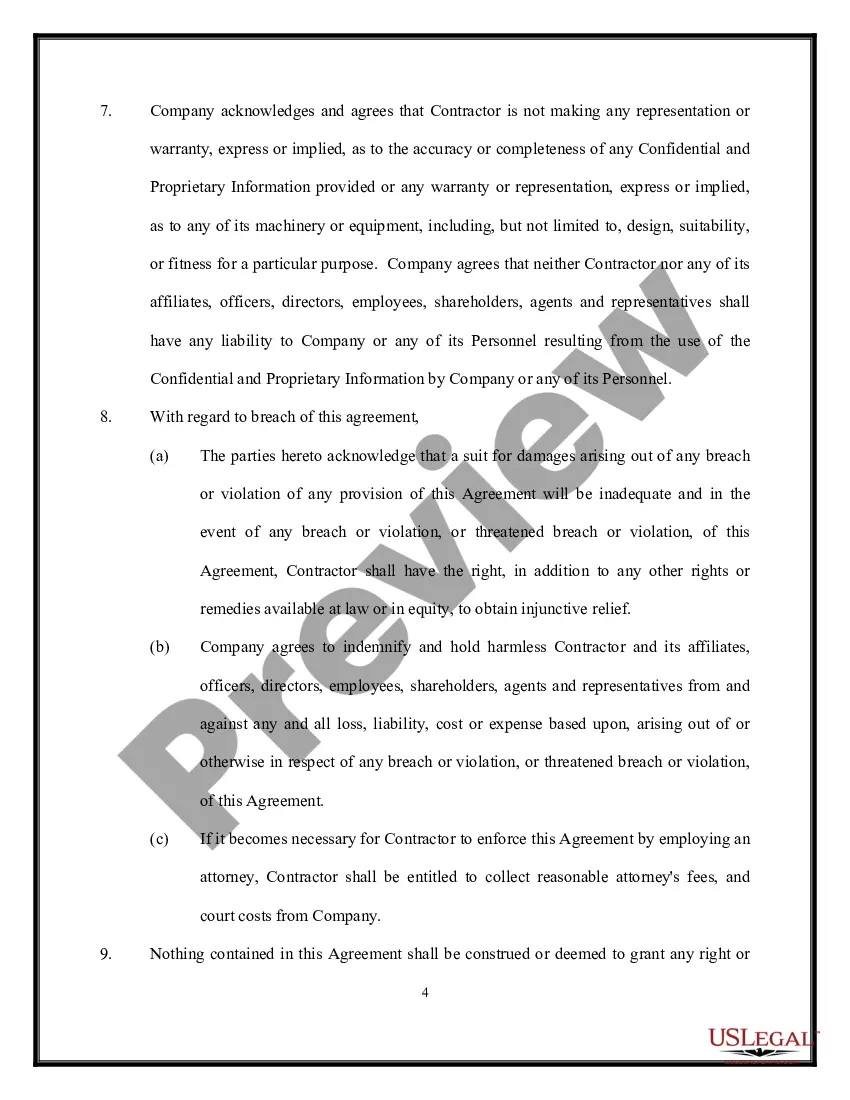
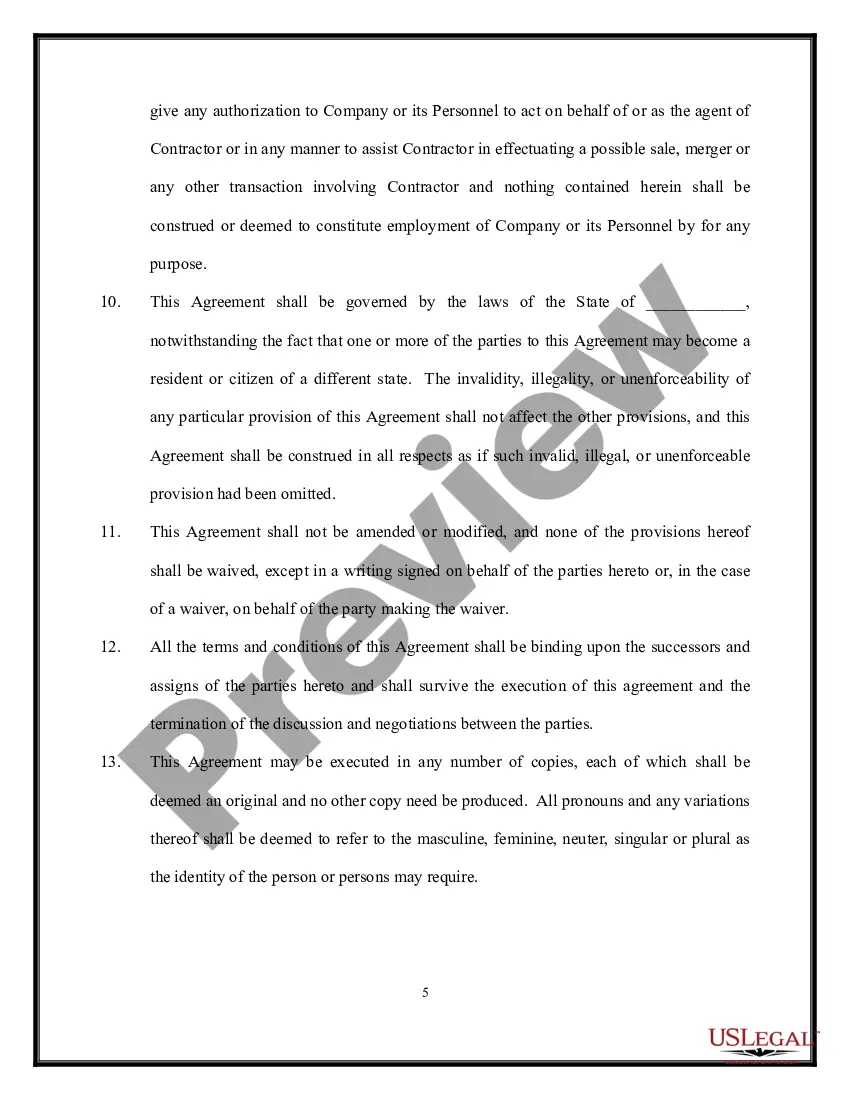
Get your form ready online
Our built-in tools help you complete, sign, share, and store your documents in one place.
Make edits, fill in missing information, and update formatting in US Legal Forms—just like you would in MS Word.
Download a copy, print it, send it by email, or mail it via USPS—whatever works best for your next step.
Sign and collect signatures with our SignNow integration. Send to multiple recipients, set reminders, and more. Go Premium to unlock E-Sign.
If this form requires notarization, complete it online through a secure video call—no need to meet a notary in person or wait for an appointment.
We protect your documents and personal data by following strict security and privacy standards.

Make edits, fill in missing information, and update formatting in US Legal Forms—just like you would in MS Word.

Download a copy, print it, send it by email, or mail it via USPS—whatever works best for your next step.

Sign and collect signatures with our SignNow integration. Send to multiple recipients, set reminders, and more. Go Premium to unlock E-Sign.

If this form requires notarization, complete it online through a secure video call—no need to meet a notary in person or wait for an appointment.

We protect your documents and personal data by following strict security and privacy standards.
Looking for another form?




Form popularity
FAQ
Completing the Confidentiality Agreement The "Receiving Party" is the person or company who receives the confidential information and is obligated to keep it secret. You'll need to fill in information specific to your circumstances in the spaces provided, such as the parties' names and addresses.
In most cases, you cannot break a confidentiality agreement as they are legally enforceable. It will depend on the language of the agreement. If you break it, there may be legal ramifications such as financial penalties.
Confidentiality agreements can run indefinitely, covering the parties' disclosures of confidential information at any time, or can terminate on a certain date or event. Whether or not the overall agreement has a definite term, the parties' nondisclosure obligations can be stated to survive for a set period.
Non-Disclosure Agreements (NDAs) as well as Proprietary Information Agreements (PIAs) and Confidentiality Agreements (CAs) are synonymous terms for legal contracts that protect and govern the exchange of confidential or proprietary information.
In order to incorporate a non-disclosure agreement, an employer must ensure that the confidentiality provision is the complainant's preference; the confidentiality provision is set forth in writing; and the complainant has up to 21 days to consider such terms (which was previously non-waivable for pre-litigation ...
A breach of confidentiality can have legal, financial and reputational consequences: Legal risks include prosecution under data protection laws, plus claims for damages from clients. Financial threats include any costs linked to court appearances, compensation payments and the loss of clients.
A confidentiality agreement is a contract, so assuming that the contract is valid and enforceable, at minimum, you could be sued for the damages resulting from your breach. Many confidentiality agreements contain liquidated damages clauses that specify the damages that a successful plaintiff may recover.
Five other key features must be included in your NDA to ensure it's legally binding, including a description of confidential information, obligations of the parties involved, any exclusions, the term of the agreement and consequences of a breach.
Confidentiality clause Party A and Party B shall not disclose any information or materials provided by the other party to a third party for any reason, form or purpose without the permission of the other party, otherwise Party B shall bear the corresponding legal responsibility and compensate for the losses.
NDAs are enforceable when they are signed — if they are properly drafted and executed. NDAs are enforceable once signed, provided they have been drafted and executed properly. Unilateral NDAs need only the signature of the receiving party, whereas mutual non-disclosure agreements need the signatures of both parties.
