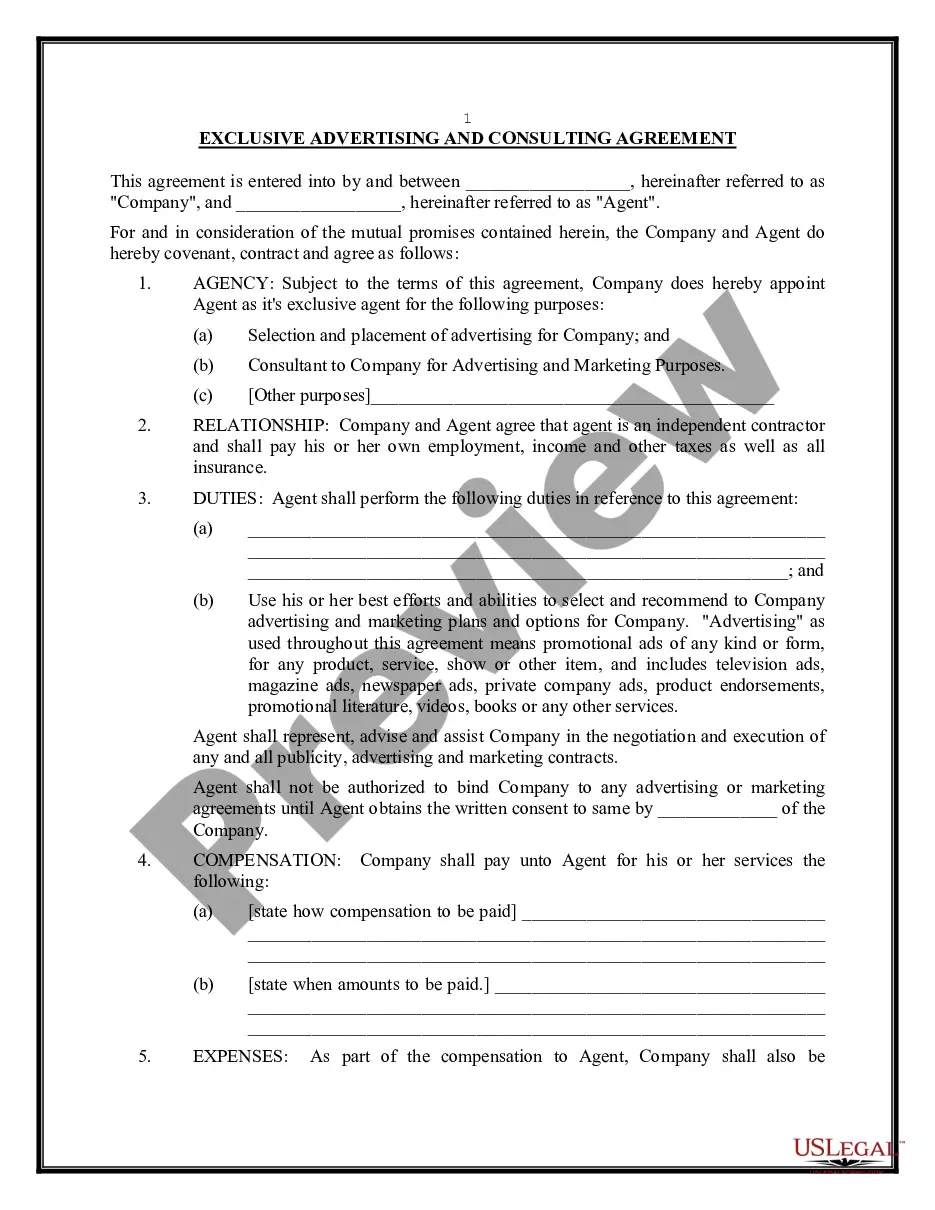
Confidentiality Agreement Format With Vendor In Philadelphia
Description

Get your form ready online
Our built-in tools help you complete, sign, share, and store your documents in one place.
Make edits, fill in missing information, and update formatting in US Legal Forms—just like you would in MS Word.
Download a copy, print it, send it by email, or mail it via USPS—whatever works best for your next step.
Sign and collect signatures with our SignNow integration. Send to multiple recipients, set reminders, and more. Go Premium to unlock E-Sign.
If this form requires notarization, complete it online through a secure video call—no need to meet a notary in person or wait for an appointment.
We protect your documents and personal data by following strict security and privacy standards.

Make edits, fill in missing information, and update formatting in US Legal Forms—just like you would in MS Word.

Download a copy, print it, send it by email, or mail it via USPS—whatever works best for your next step.

Sign and collect signatures with our SignNow integration. Send to multiple recipients, set reminders, and more. Go Premium to unlock E-Sign.

If this form requires notarization, complete it online through a secure video call—no need to meet a notary in person or wait for an appointment.

We protect your documents and personal data by following strict security and privacy standards.
Looking for another form?





Form popularity
FAQ
A confidentiality agreement should include the names and addresses of the parties to the contract. Consider also including: Reason for the agreement: Explain why you're sharing this information. The information disclosed: Be specific about the subject matter and what exactly is included in the agreement.
A confidentiality agreement is a standard written agreement that is used to protect the owner of an invention or idea for a new business. It is also an important document between two companies that are contemplating a merger or a commercial transaction that must be withheld from public knowledge.
Main Elements of a Confidentiality Agreement The agreement will name the party or parties involved, the items subject to non-disclosure, the duration of the agreement, and the obligations of the recipient(s) of confidential information.
In a unilateral NDA, one party agrees not to reveal confidential information. In a mutual NDA, both sides agree that they will not share confidential information. In all other aspects, these two types of confidentiality agreements are identical, especially when it comes to enforcement and the consequences of a breach.
Don't share information without the consent of the person to which the information relates, unless there are statutory or common law grounds to do so. Don't use person-identifiable information unless absolutely necessary, anonymise the information wherever possible.
A confidentiality agreement is a legally binding contract. If you disclose confidential information to another person under a confidentiality agreement, they are required to keep that information secret and confidential, and not misuse it.
A confidentiality agreement—also called a "nondisclosure agreement" or "NDA"—is a legally binding contract where a person or business promises to treat specific information as a trade secret and promises not to disclose the secret to others without proper authorization.
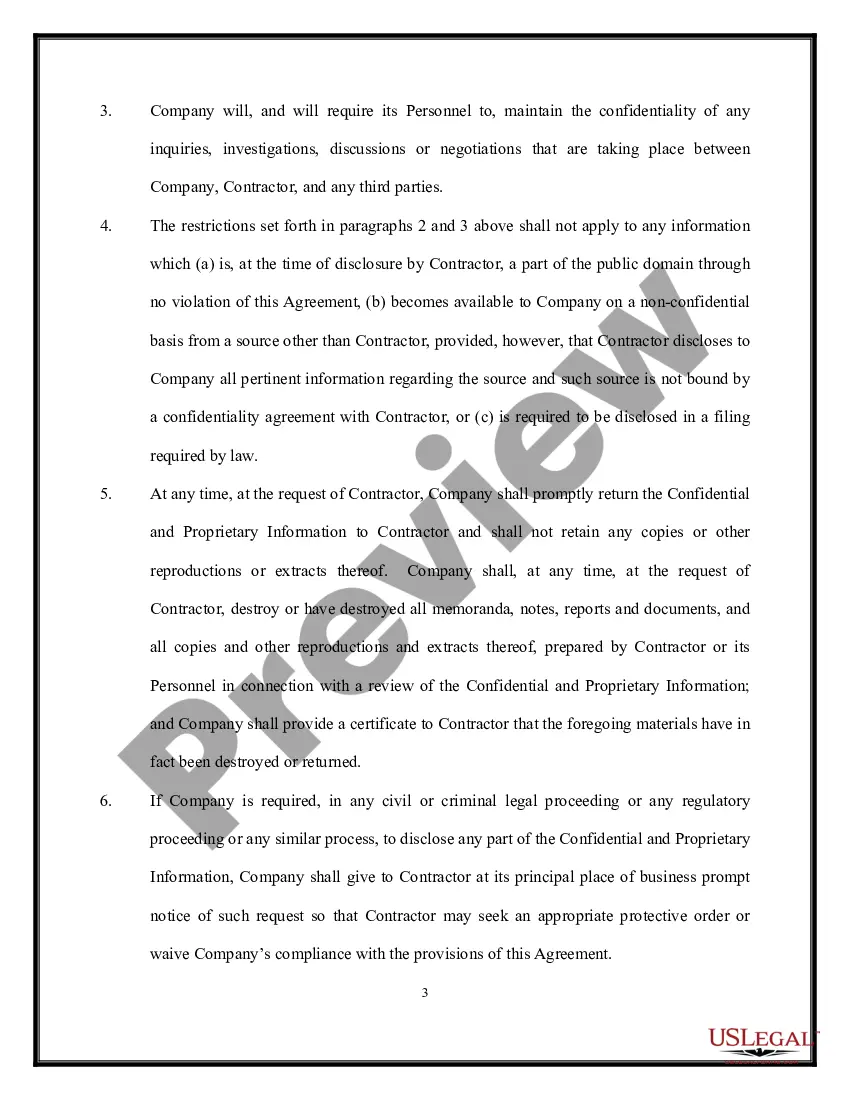
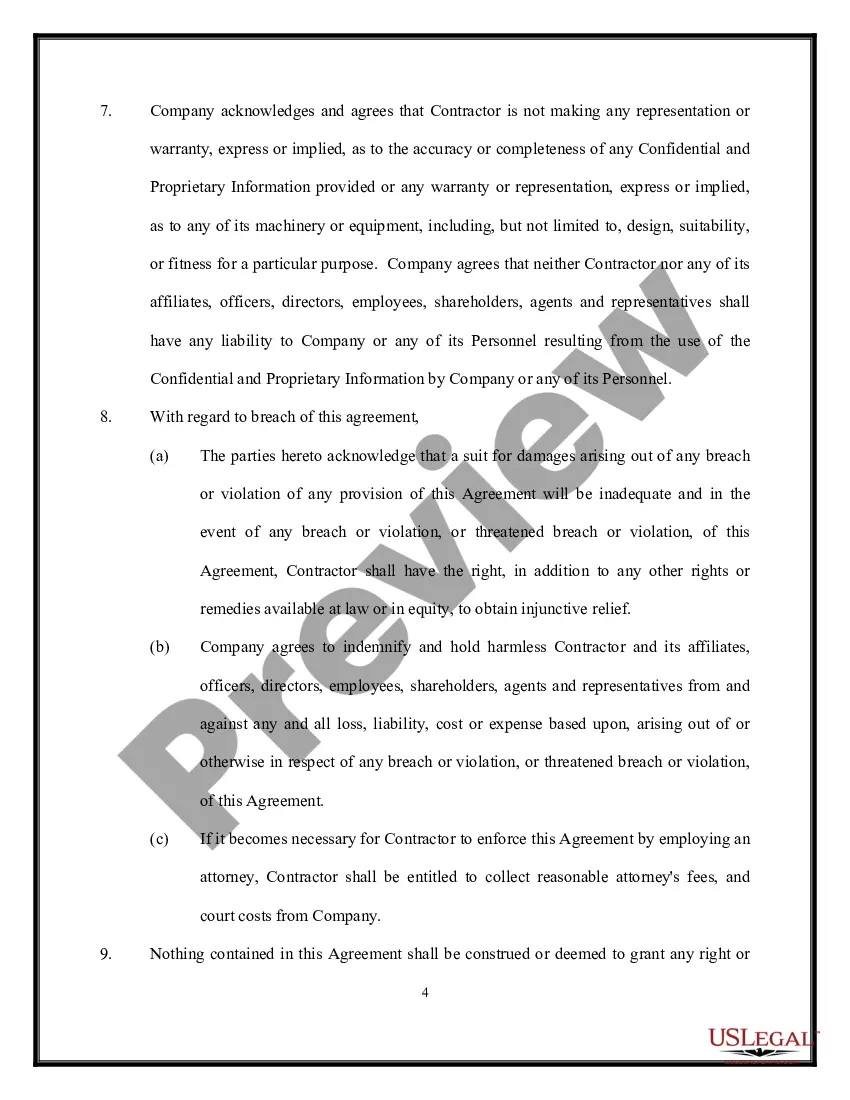
A confidentiality agreement is intended to protect the trade secrets and other confidential information between two or more parties, such as you and your vendor.
Confidentiality Agreement is used when more secrecy is required. Non-disclosure implies you must not disclose personal or private information. However, keeping confidential implies you should be more proactive in making sure information is kept secret.
1. An NDA is a legal document that protects your business information and trade secrets from vendors, employees, and third parties. Non-disclosure agreements help employers by protecting valuable, sensitive business information.