Non-disclosure Agreement Example In Pennsylvania
Description

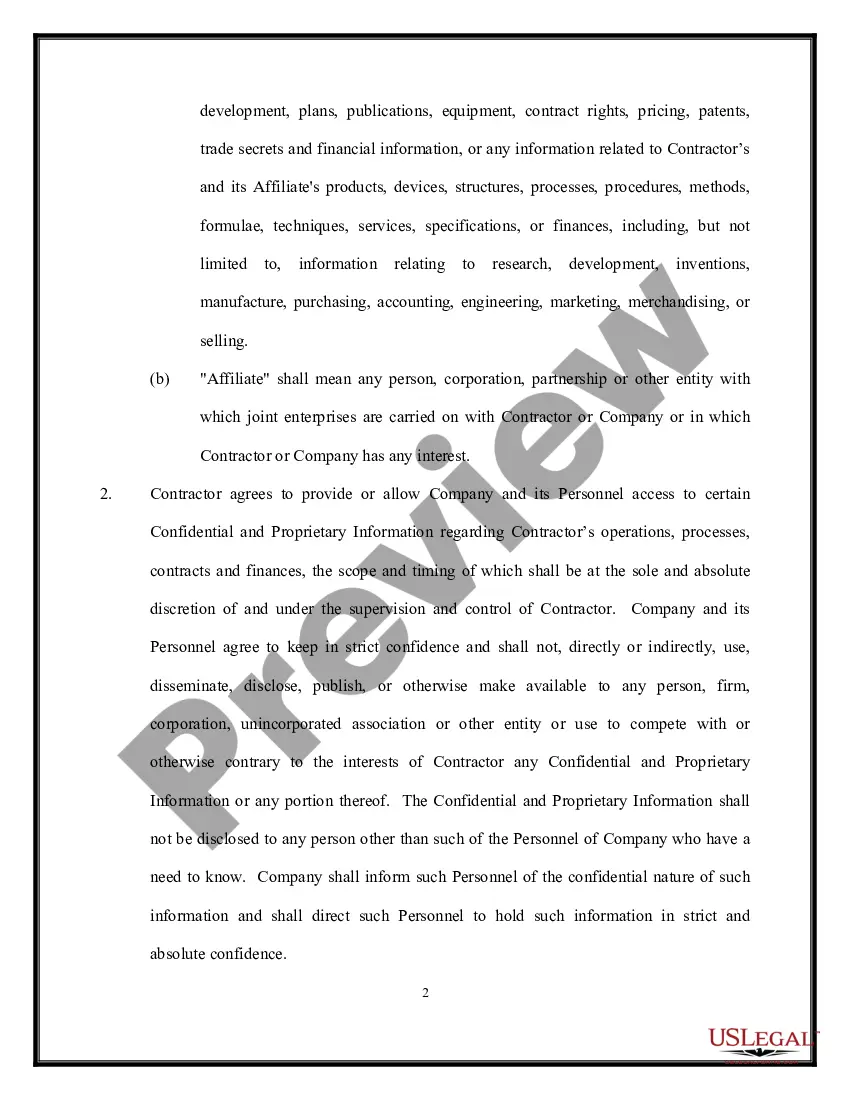
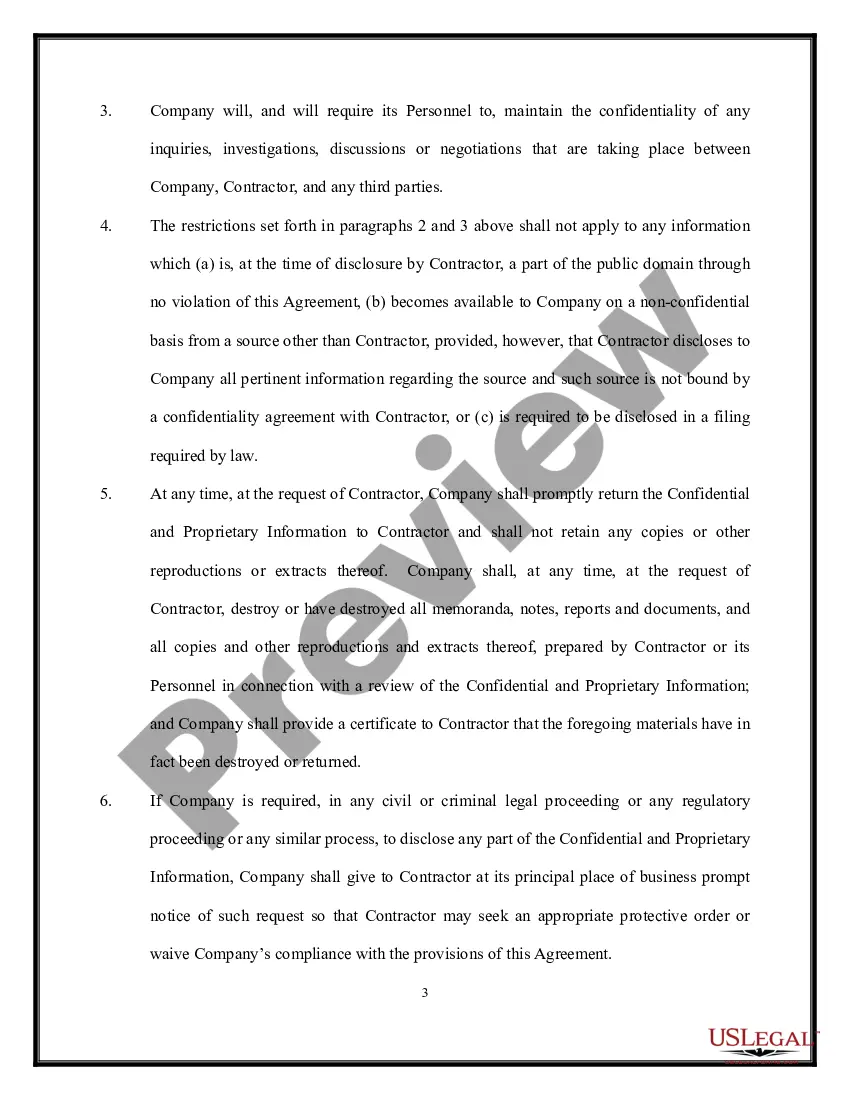
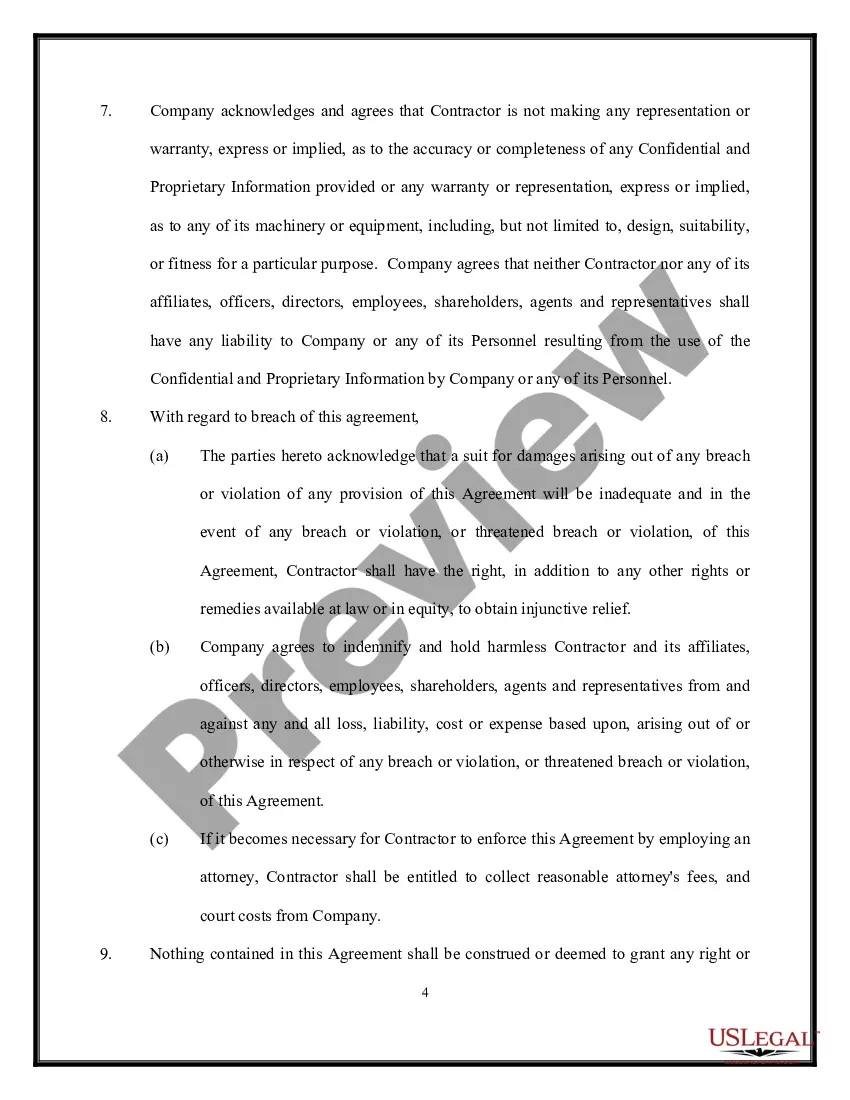
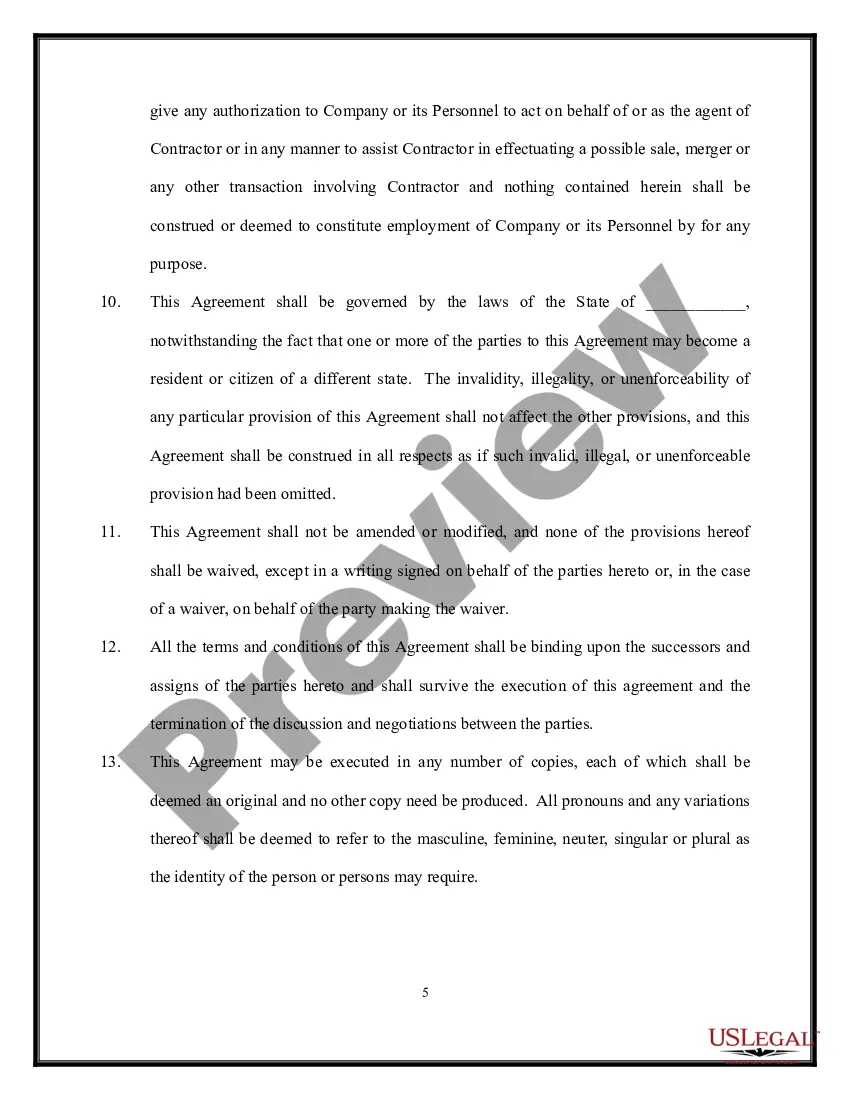
Get your form ready online
Our built-in tools help you complete, sign, share, and store your documents in one place.
Make edits, fill in missing information, and update formatting in US Legal Forms—just like you would in MS Word.
Download a copy, print it, send it by email, or mail it via USPS—whatever works best for your next step.
Sign and collect signatures with our SignNow integration. Send to multiple recipients, set reminders, and more. Go Premium to unlock E-Sign.
If this form requires notarization, complete it online through a secure video call—no need to meet a notary in person or wait for an appointment.
We protect your documents and personal data by following strict security and privacy standards.

Make edits, fill in missing information, and update formatting in US Legal Forms—just like you would in MS Word.

Download a copy, print it, send it by email, or mail it via USPS—whatever works best for your next step.

Sign and collect signatures with our SignNow integration. Send to multiple recipients, set reminders, and more. Go Premium to unlock E-Sign.

If this form requires notarization, complete it online through a secure video call—no need to meet a notary in person or wait for an appointment.

We protect your documents and personal data by following strict security and privacy standards.
Looking for another form?










Form popularity
FAQ
Explain the Context: Start by explaining why you need the NDA. Be clear about the sensitive information involved and why it's important to keep it confidential. Be Honest and Transparent: Share your reasons for needing an NDA. Emphasize that it's not about distrust but about protecting both parties' interests.
The key elements of Non-Disclosure Agreements: Identification of the parties. Definition of what is deemed to be confidential. The scope of the confidentiality obligation by the receiving party. The exclusions from confidential treatment. The term of the agreement.
Pennsylvania law will enforce an NDA provided it is reasonable in scope and duration and protects a legitimate business interest. Courts will generally consider the agreement's reasonableness in terms of what it seeks to protect, for how long, and whether it is overly restrictive in light of the interests at stake.
Typically, a legal professional writing the NDA will complete these steps: Step 1 - Describe the scope. Which information is considered confidential? ... Step 2 - Detail party obligations. Step 3 - Note potential exclusions. Step 4 - Set the term. Step 5 - Spell out consequences.
You do not need a lawyer to create and sign a non-disclosure agreement. However, if the information you are trying to protect is important enough to warrant an NDA, you may want to have the document reviewed by someone with legal expertise.
The nondisclosure agreement should identify the parties to the agreement and which one is the disclosing party, or side sharing the information, and the recipient. Names and addresses of the parties should be included. The agreement should also identify other individuals who may be parties to the agreement.
I hereby undertake to treat as confidential all and any information that I receive while participating in the work of evaluating project proposals, to use this information solely for the purpose of evaluation of the proposals, not to disclose it to any third party and not to make it publicly available or accessible ...
Typically, a legal professional writing the NDA will complete these steps: Step 1 - Describe the scope. Which information is considered confidential? ... Step 2 - Detail party obligations. Step 3 - Note potential exclusions. Step 4 - Set the term. Step 5 - Spell out consequences.
You do not need a lawyer to create and sign a non-disclosure agreement. However, if the information you are trying to protect is important enough to warrant an NDA, you may want to have the document reviewed by someone with legal expertise.
You don't need a lawyer to create the agreement, but you may need someone with legal expertise to review it.
