Confidentiality Form For Counseling In Pennsylvania
Description

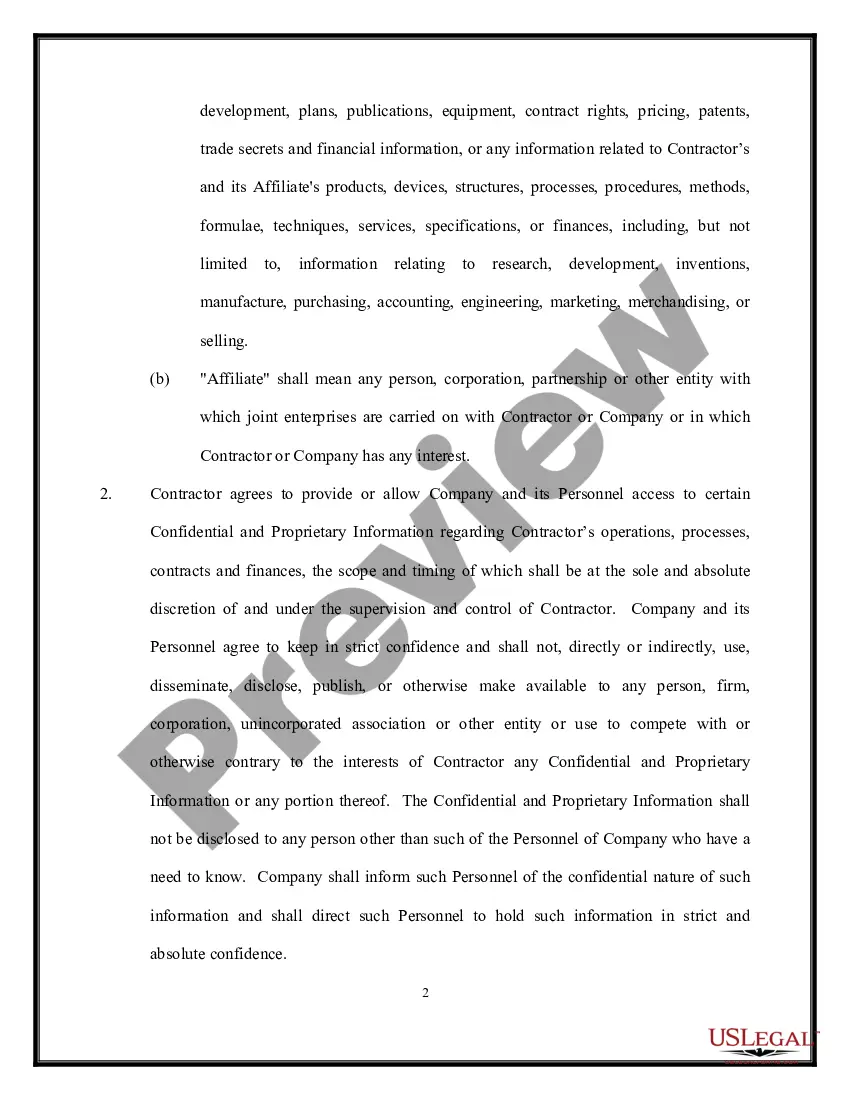
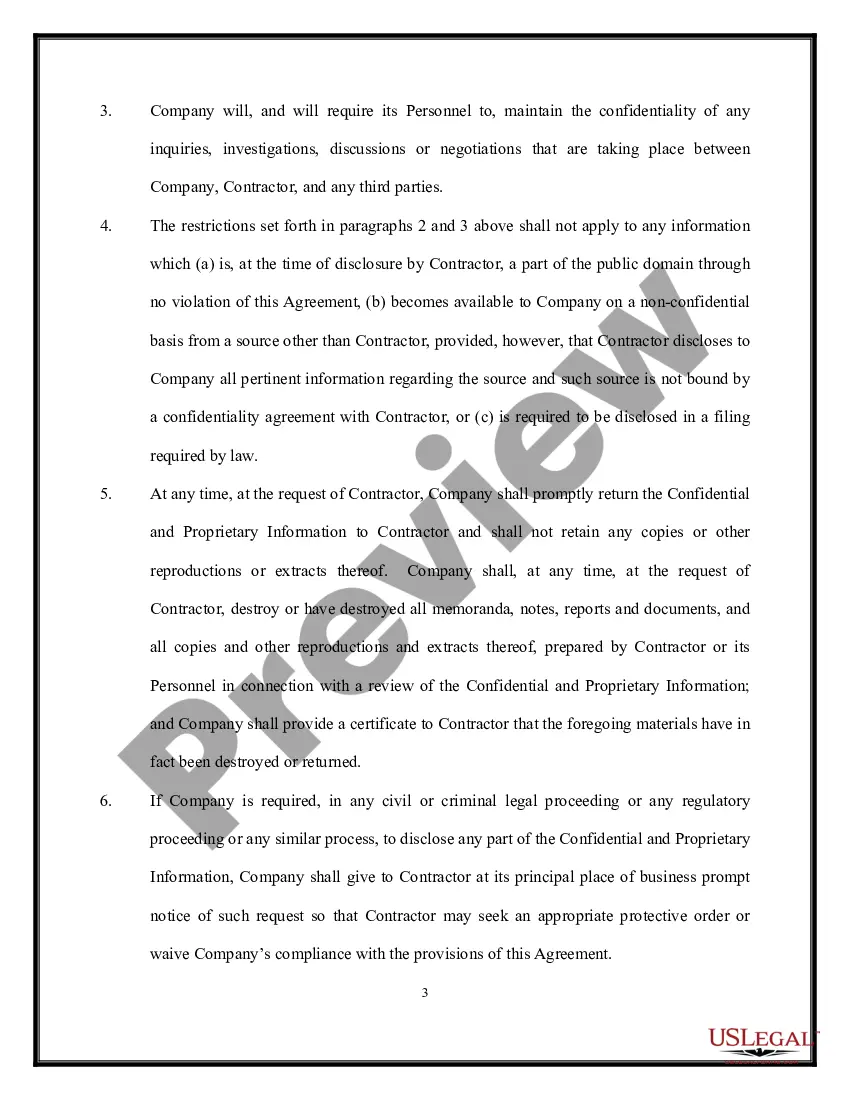
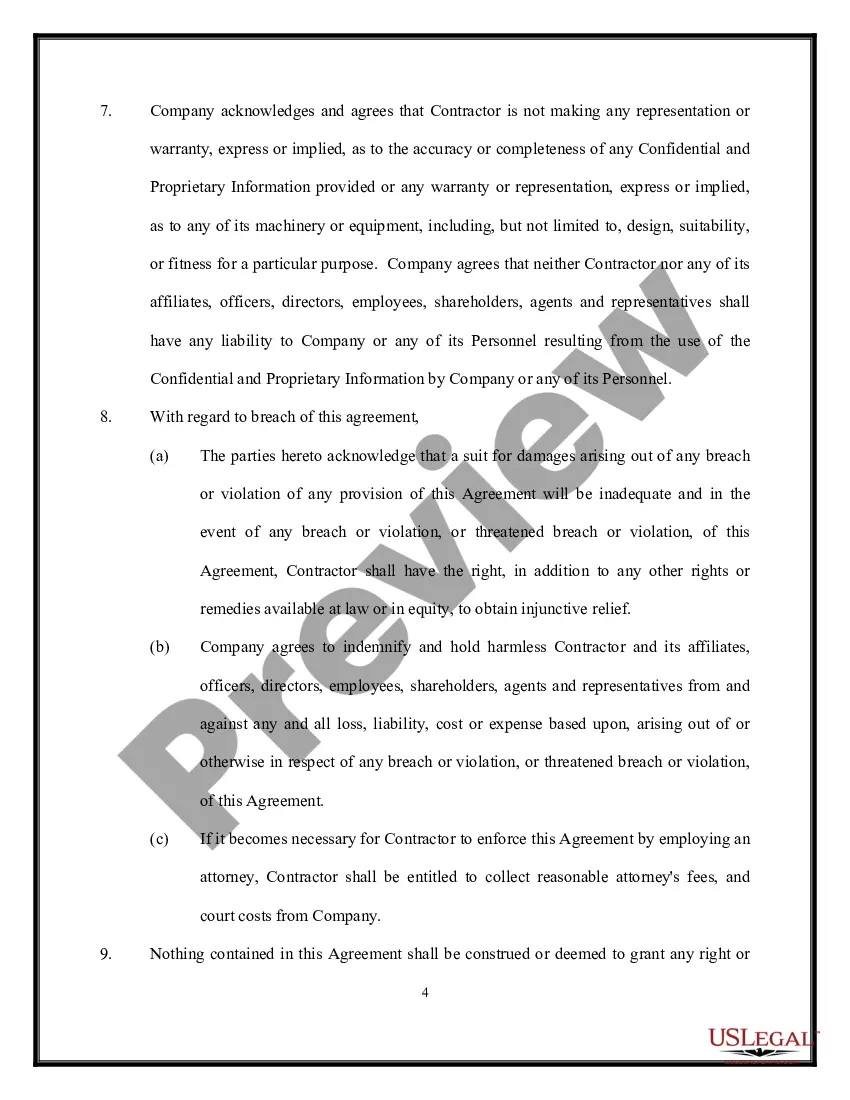
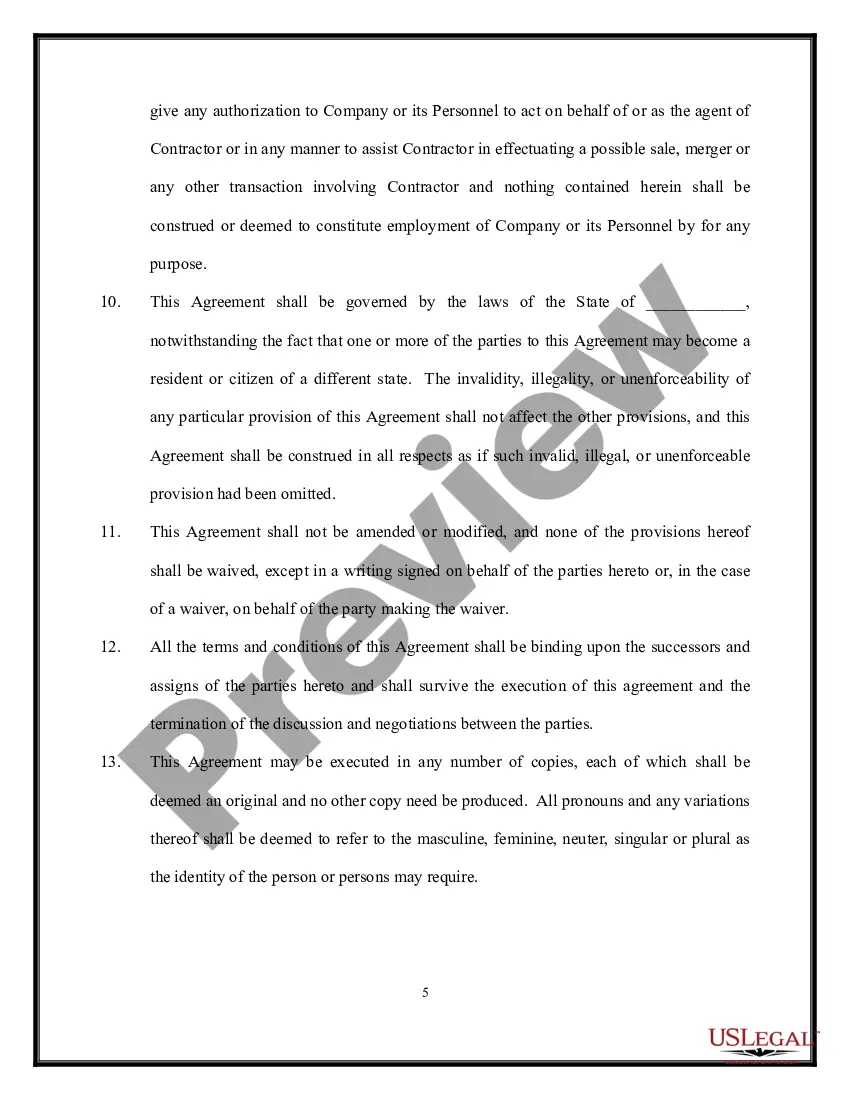
Get your form ready online
Our built-in tools help you complete, sign, share, and store your documents in one place.
Make edits, fill in missing information, and update formatting in US Legal Forms—just like you would in MS Word.
Download a copy, print it, send it by email, or mail it via USPS—whatever works best for your next step.
Sign and collect signatures with our SignNow integration. Send to multiple recipients, set reminders, and more. Go Premium to unlock E-Sign.
If this form requires notarization, complete it online through a secure video call—no need to meet a notary in person or wait for an appointment.
We protect your documents and personal data by following strict security and privacy standards.

Make edits, fill in missing information, and update formatting in US Legal Forms—just like you would in MS Word.

Download a copy, print it, send it by email, or mail it via USPS—whatever works best for your next step.

Sign and collect signatures with our SignNow integration. Send to multiple recipients, set reminders, and more. Go Premium to unlock E-Sign.

If this form requires notarization, complete it online through a secure video call—no need to meet a notary in person or wait for an appointment.

We protect your documents and personal data by following strict security and privacy standards.
Looking for another form?









Form popularity
FAQ
Confidentiality of Information. (a) A lawyer shall not reveal information relating to representation of a client unless the client gives informed consent, except for disclosures that are impliedly authorized in order to carry out the representation, and except as stated in paragraphs (b) and (c).
Common exclusions include: Information already in the public domain. Information known prior to its disclosure. Information independently developed without breach.
Confidential records contain information that for one or more reasons should only be disclosed to specific people or groups.
Three main categories of confidential information exist: business, employee and management information. It is important to keep confidential information confidential as noted in the subcategories below. Customer lists: Should someone get a hold of your customer list, they could steal customers from you.
Confidential information is defined as any data or know-how that a disclosing party offers a receiving party, orally or in writing, that is meant to be private. The receiving party reasonably understands its confidential nature and any circumstances that would call for disclosure of said information.
Pursuant to the Case Records Public Access Policy of the Unified Judicial System of Pennsylvania, the Confidential. Information Form shall accompany a filing where confidential information is required by law, ordered by the court, or. otherwise necessary to effect the disposition of a matter.
Confidential and private information shall only be revealed to others when the client/patient, or the client's/patient's parent, guardian, court-appointed representative or the holder of the client's/patient's power of attorney, has given informed consent, except in those circumstances in which failure to do so would ...
4 Pa. Code § 255.5 is a regulation that limits the information and recipients of disclosure of client information by SUD projects and coordinating bodies.
