Nondisclosure Confidentiality Contract With Attorney In Orange
Description

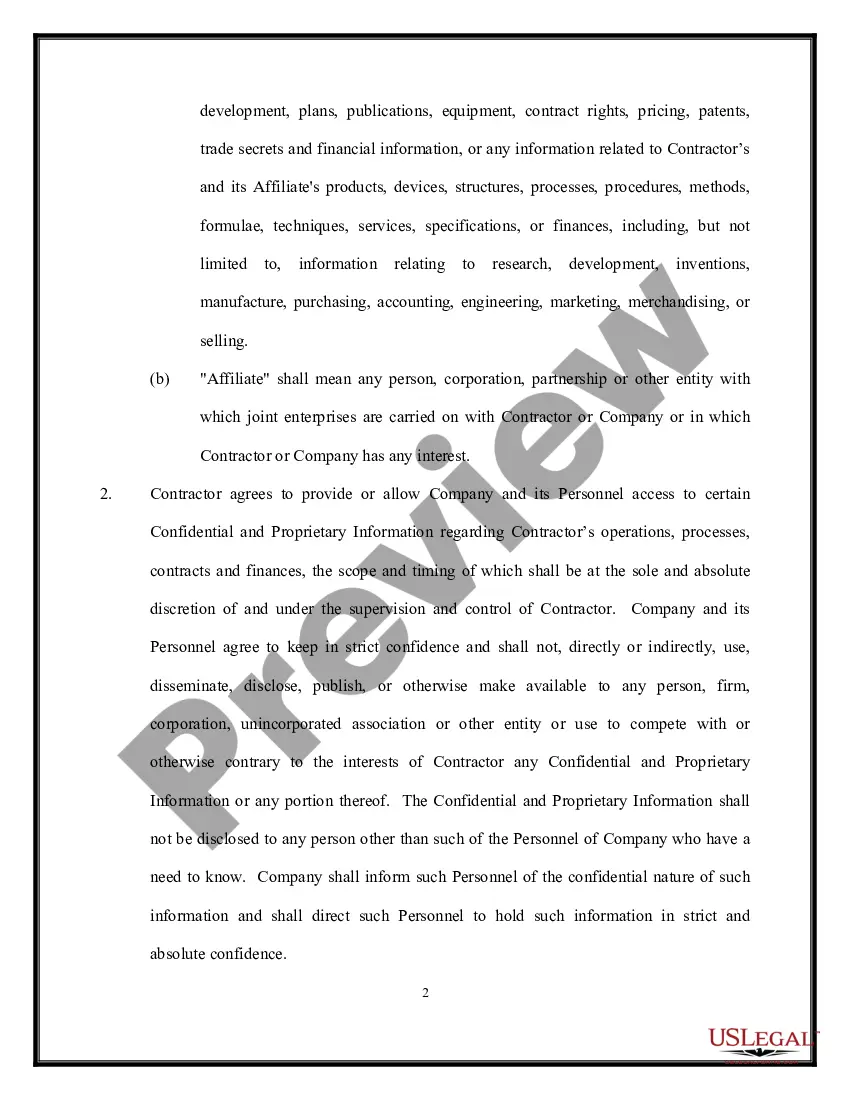
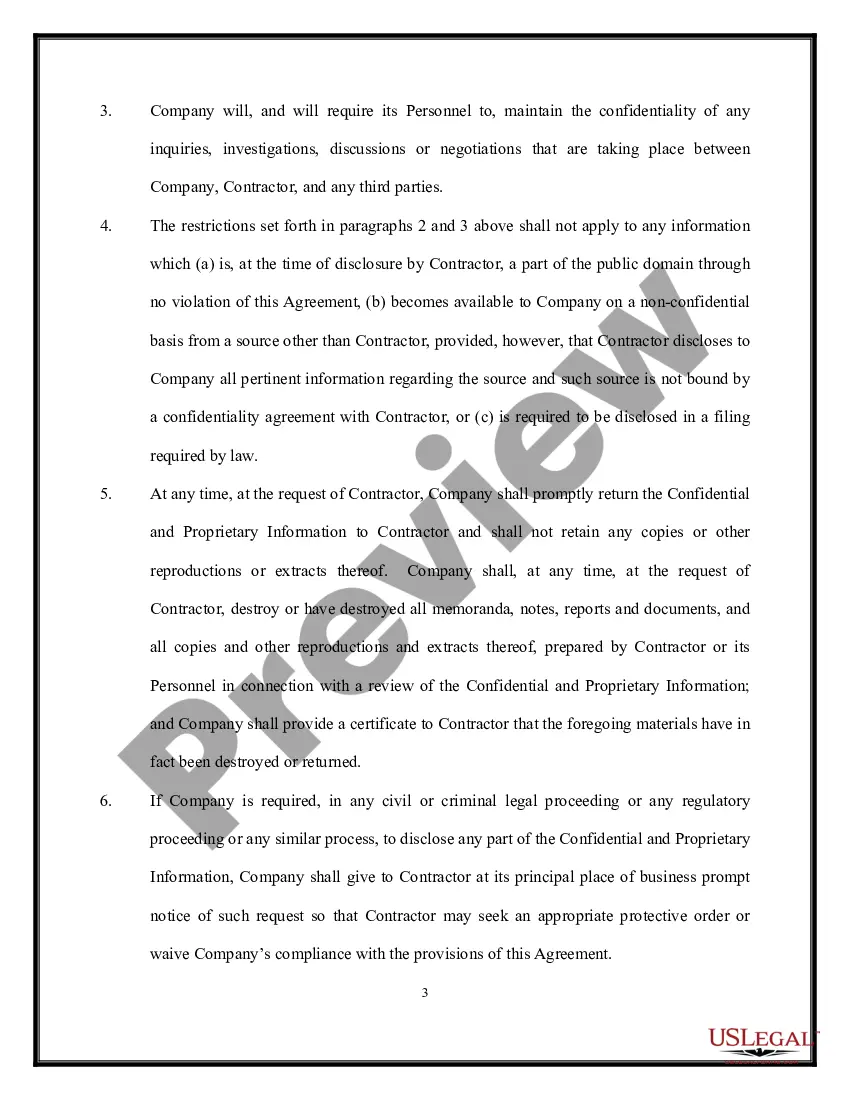
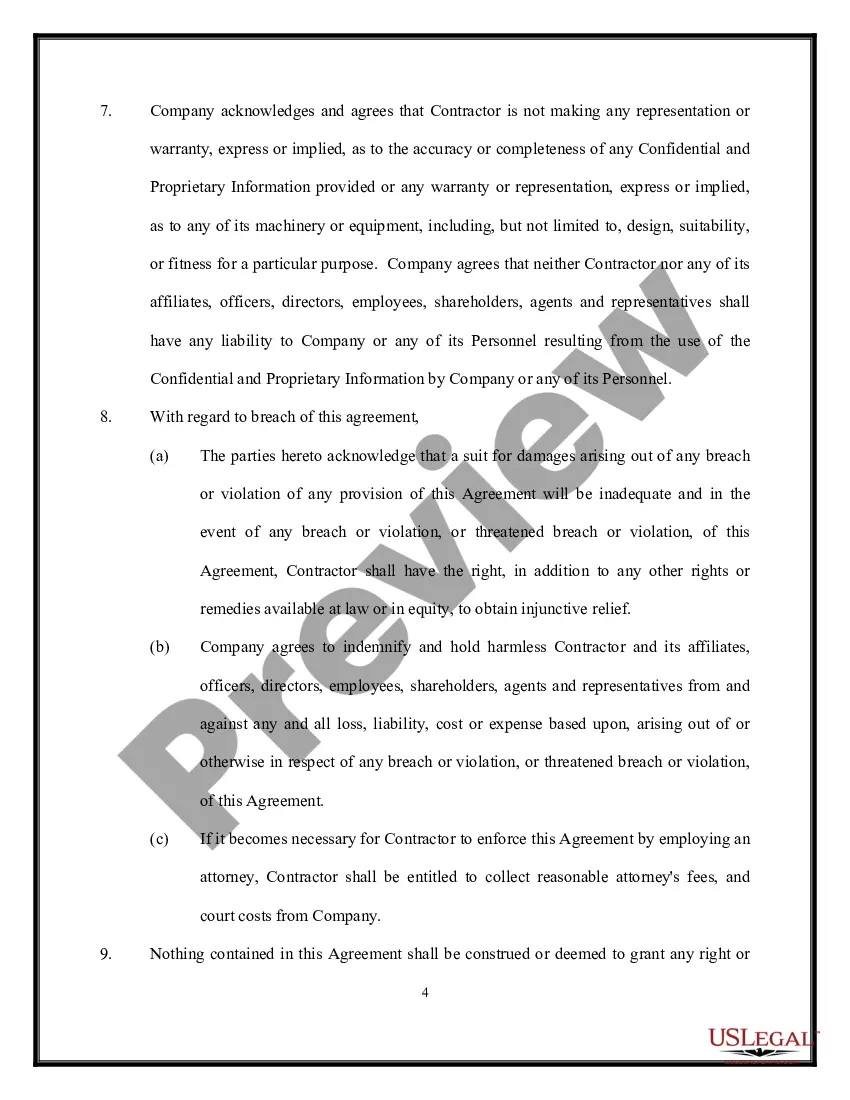
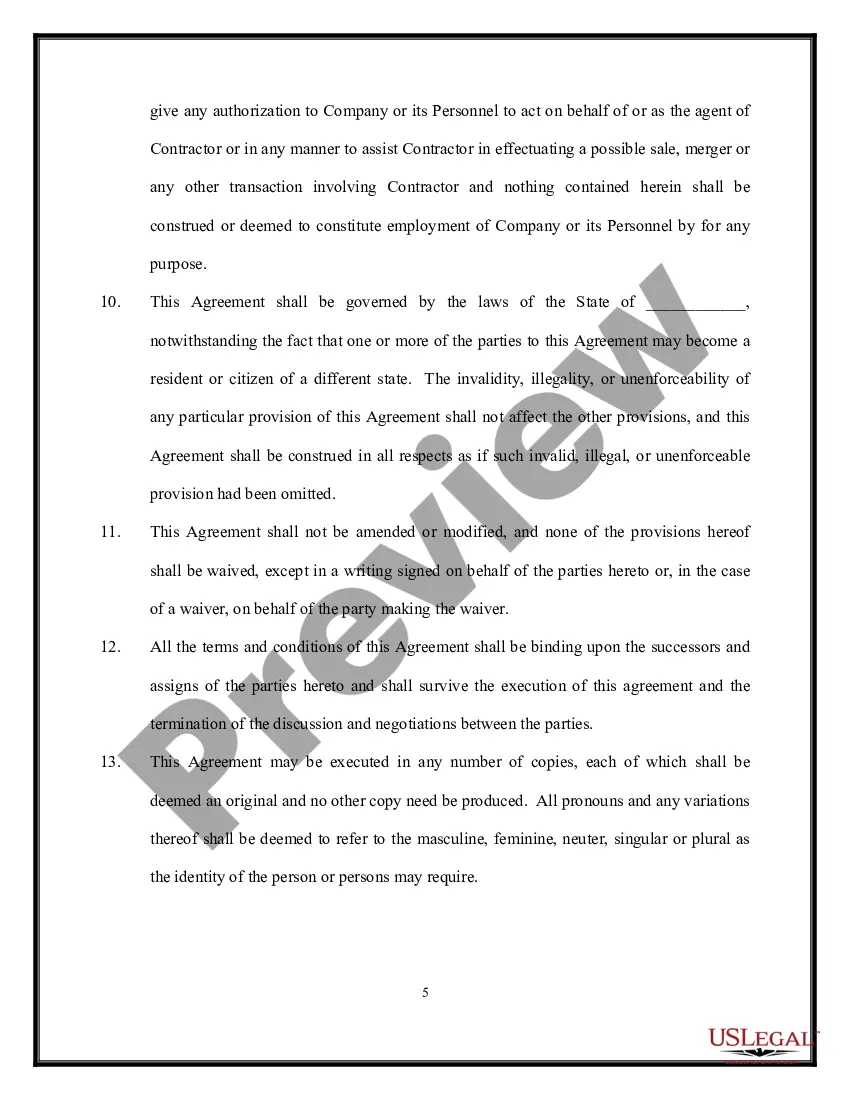
Get your form ready online
Our built-in tools help you complete, sign, share, and store your documents in one place.
Make edits, fill in missing information, and update formatting in US Legal Forms—just like you would in MS Word.
Download a copy, print it, send it by email, or mail it via USPS—whatever works best for your next step.
Sign and collect signatures with our SignNow integration. Send to multiple recipients, set reminders, and more. Go Premium to unlock E-Sign.
If this form requires notarization, complete it online through a secure video call—no need to meet a notary in person or wait for an appointment.
We protect your documents and personal data by following strict security and privacy standards.

Make edits, fill in missing information, and update formatting in US Legal Forms—just like you would in MS Word.

Download a copy, print it, send it by email, or mail it via USPS—whatever works best for your next step.

Sign and collect signatures with our SignNow integration. Send to multiple recipients, set reminders, and more. Go Premium to unlock E-Sign.

If this form requires notarization, complete it online through a secure video call—no need to meet a notary in person or wait for an appointment.

We protect your documents and personal data by following strict security and privacy standards.
Looking for another form?




Form popularity
FAQ
A confidentiality agreement is a contract, so assuming that the contract is valid and enforceable, at minimum, you could be sued for the damages resulting from your breach. Many confidentiality agreements contain liquidated damages clauses that specify the damages that a successful plaintiff may recover.
Completing the Confidentiality Agreement The "Receiving Party" is the person or company who receives the confidential information and is obligated to keep it secret. You'll need to fill in information specific to your circumstances in the spaces provided, such as the parties' names and addresses.
In most cases, you cannot break a confidentiality agreement as they are legally enforceable. It will depend on the language of the agreement. If you break it, there may be legal ramifications such as financial penalties.
In California, a nondisclosure agreement may be enforceable, provided it meets basic criteria. The restrictive covenant must be properly drafted. This entails clear writing, detailed information about the confidential components of the contract, and a clearly stated extent of the confidentiality obligation.
Confidentiality agreements can run indefinitely, covering the parties' disclosures of confidential information at any time, or can terminate on a certain date or event. Whether or not the overall agreement has a definite term, the parties' nondisclosure obligations can be stated to survive for a set period.
A breach of confidentiality can have legal, financial and reputational consequences: Legal risks include prosecution under data protection laws, plus claims for damages from clients. Financial threats include any costs linked to court appearances, compensation payments and the loss of clients.
How to get out of an NDA. Check for a termination clause. Check the language. Determine if your content is “public domain.” If the content your NDA covers is now known by the public, you may be able to make a case to nullify your NDA from any specific issuer.
Five other key features must be included in your NDA to ensure it's legally binding, including a description of confidential information, obligations of the parties involved, any exclusions, the term of the agreement and consequences of a breach.
What is a nondisclosure agreement? Whereas confidentiality agreements are typically devised in employment or personal situations to protect sensitive information, NDAs are often used in business and legal settings to protect trade secrets, client lists, and financial data.
An NDA could be unenforceable if it is too broad, is not for a defined time period, covers information that is not confidential, or asks for illegal conduct.
