Confidentiality Agreement Form Template For Therapists In New York
Description

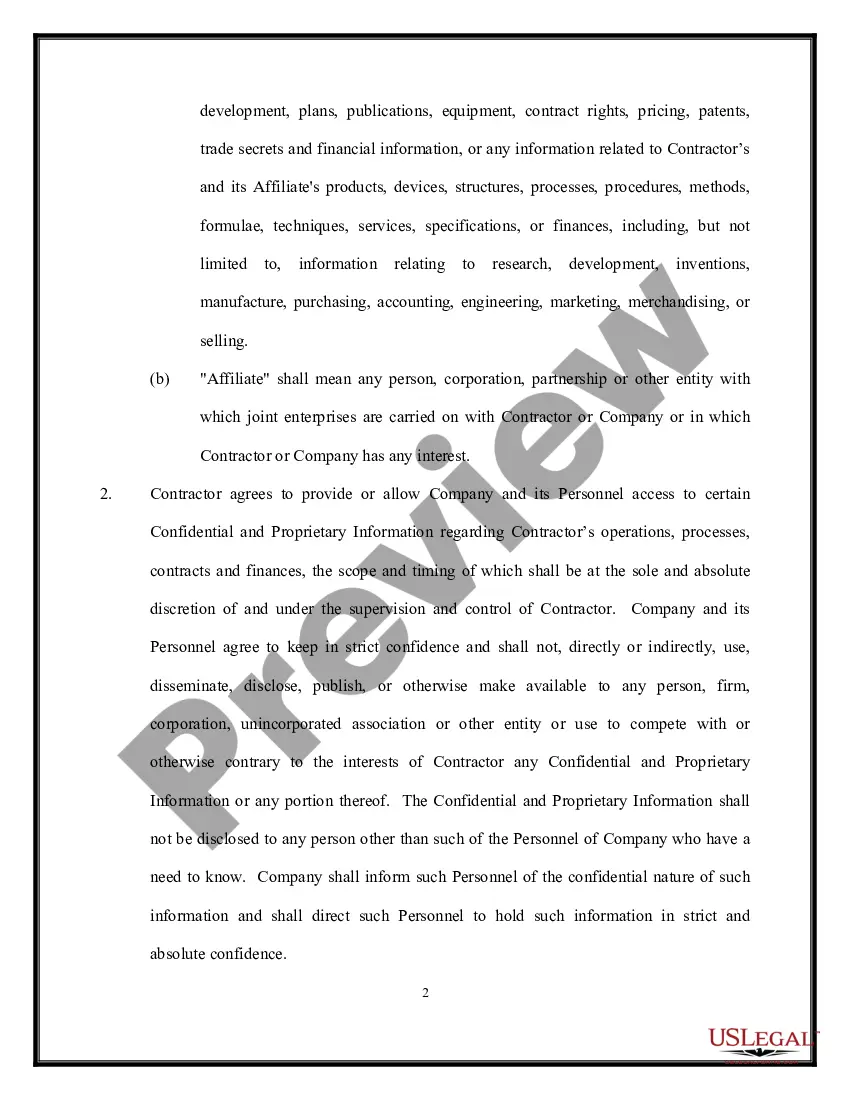
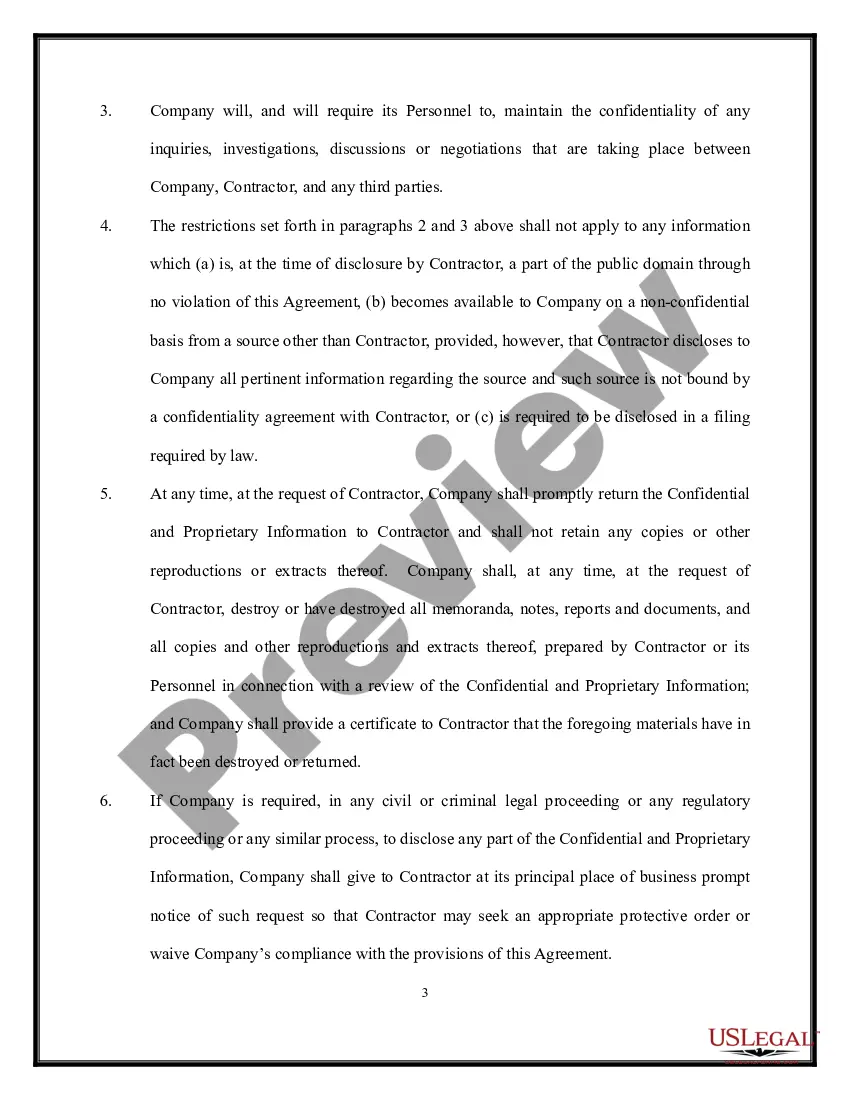
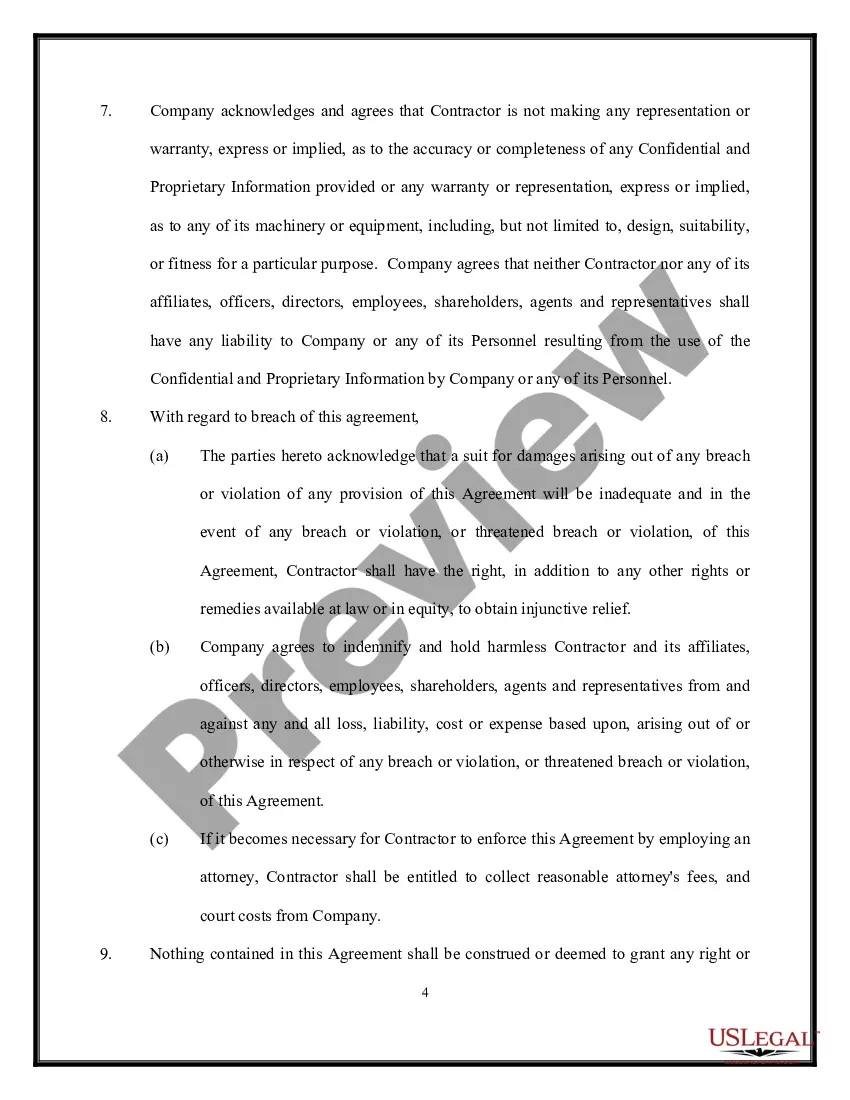
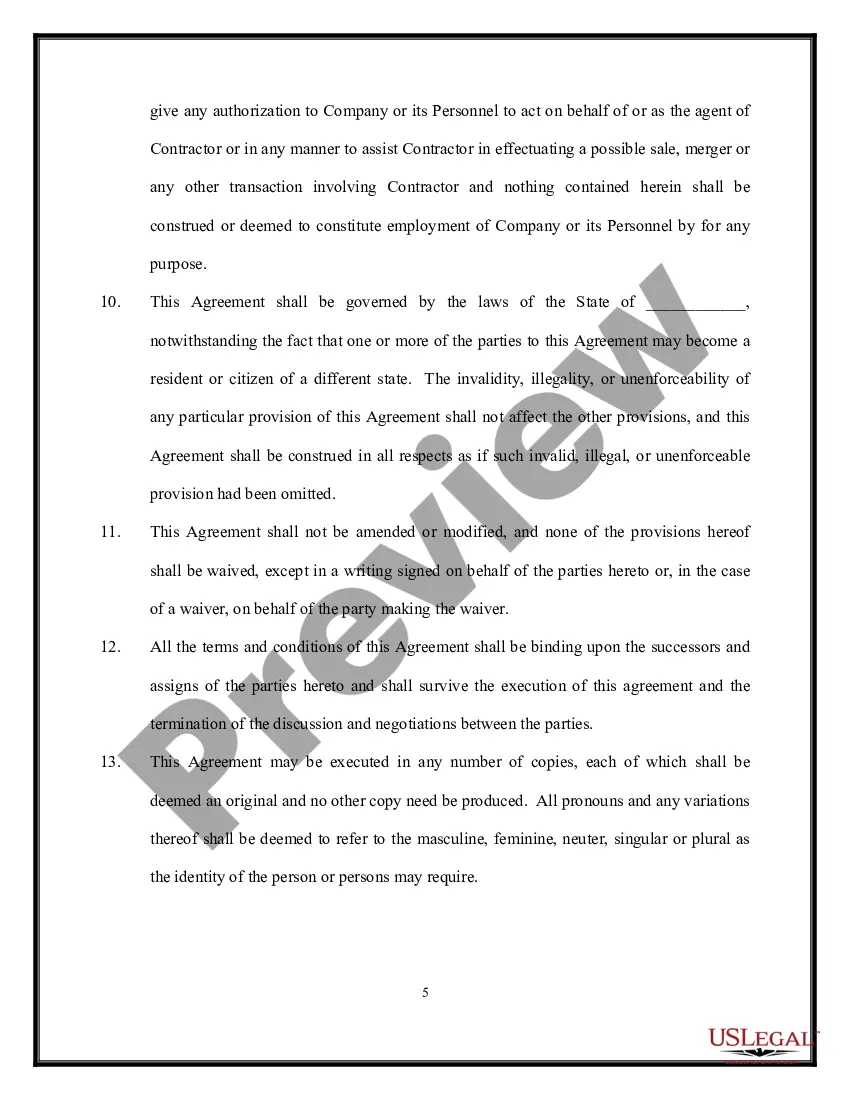
Get your form ready online
Our built-in tools help you complete, sign, share, and store your documents in one place.
Make edits, fill in missing information, and update formatting in US Legal Forms—just like you would in MS Word.
Download a copy, print it, send it by email, or mail it via USPS—whatever works best for your next step.
Sign and collect signatures with our SignNow integration. Send to multiple recipients, set reminders, and more. Go Premium to unlock E-Sign.
If this form requires notarization, complete it online through a secure video call—no need to meet a notary in person or wait for an appointment.
We protect your documents and personal data by following strict security and privacy standards.

Make edits, fill in missing information, and update formatting in US Legal Forms—just like you would in MS Word.

Download a copy, print it, send it by email, or mail it via USPS—whatever works best for your next step.

Sign and collect signatures with our SignNow integration. Send to multiple recipients, set reminders, and more. Go Premium to unlock E-Sign.

If this form requires notarization, complete it online through a secure video call—no need to meet a notary in person or wait for an appointment.

We protect your documents and personal data by following strict security and privacy standards.
Looking for another form?









Form popularity
FAQ
A confidentiality agreement should include the names and addresses of the parties to the contract. Consider also including: Reason for the agreement: Explain why you're sharing this information. The information disclosed: Be specific about the subject matter and what exactly is included in the agreement.
Definition: An NDA allows a party to communicate nonpublic information to another. A CDA allows multiple parties to handle information with utmost secrecy.
In New York, the confidentiality obligations are finite. Open-ended NDAs are generally not enforceable in New York. Your agreement should provide a specific time period the obligation lasts, such as during the course of employment or a short period thereafter.
Make sure to include the confidential information you need to protect under the agreement, including business secrets, financial information, and customer data. The agreement should also specify the parties involved, including the disclosing and the receiving parties.
I cannot and will not tell anyone else what you have told me, or even that you are in therapy with me without your prior permission. You can authorize me to share information with whomever you choose, and you may change your mind and revoke that permission at anytime.
If you need an NDA, looking at templates online isn't a bad place to start, but ideally you should work with a lawyer who can write a simple NDA for you or tweak the one you have. You may be able to find someone in your community who can do it for a few hundred bucks.
Typically, a legal professional writing the NDA will complete these steps: Step 1 - Describe the scope. Which information is considered confidential? ... Step 2 - Detail party obligations. Step 3 - Note potential exclusions. Step 4 - Set the term. Step 5 - Spell out consequences.
A confidentiality agreement should include the names and addresses of the parties to the contract. Consider also including: Reason for the agreement: Explain why you're sharing this information. The information disclosed: Be specific about the subject matter and what exactly is included in the agreement.
I understand that any information concerning the identities and information shared by people participating in project-related focus groups, individual interviews, or other needs assessment activities is to be kept confidential at all times.
