Nondisclosure Confidentiality Agreement With Attorney In Nassau
Description





Form popularity
FAQ
Privacy concerns people, whereas confidentiality concerns data. The research proposal should outline strategies to protect privacy including how the investigator will access information from or about participants.
Many non-disclosure agreements are illegal and void when they attempt to limit reporting of crime.
NDAs are enforceable when they are signed — if they are properly drafted and executed. NDAs are enforceable once signed, provided they have been drafted and executed properly. Unilateral NDAs need only the signature of the receiving party, whereas mutual non-disclosure agreements need the signatures of both parties.
Whereas confidentiality agreements are typically devised in employment or personal situations to protect sensitive information, NDAs are often used in business and legal settings to protect trade secrets, client lists, and financial data.
Completing the Confidentiality Agreement The "Receiving Party" is the person or company who receives the confidential information and is obligated to keep it secret. You'll need to fill in information specific to your circumstances in the spaces provided, such as the parties' names and addresses.
What is the difference between a DPA and a NDA? A DPA (Data Processing Agreement) outlines terms for data processing, focusing on ensuring data protection and privacy compliance. An NDA (Non-Disclosure Agreement) is a contract where parties agree not to disclose confidential information they've shared with each other.
As a general concept, non-disclosure agreements, often referred to as NDAs, are agreements between parties that are used to ensure that certain information will remain confidential.
Whereas confidentiality agreements are typically devised in employment or personal situations to protect sensitive information, NDAs are often used in business and legal settings to protect trade secrets, client lists, and financial data.
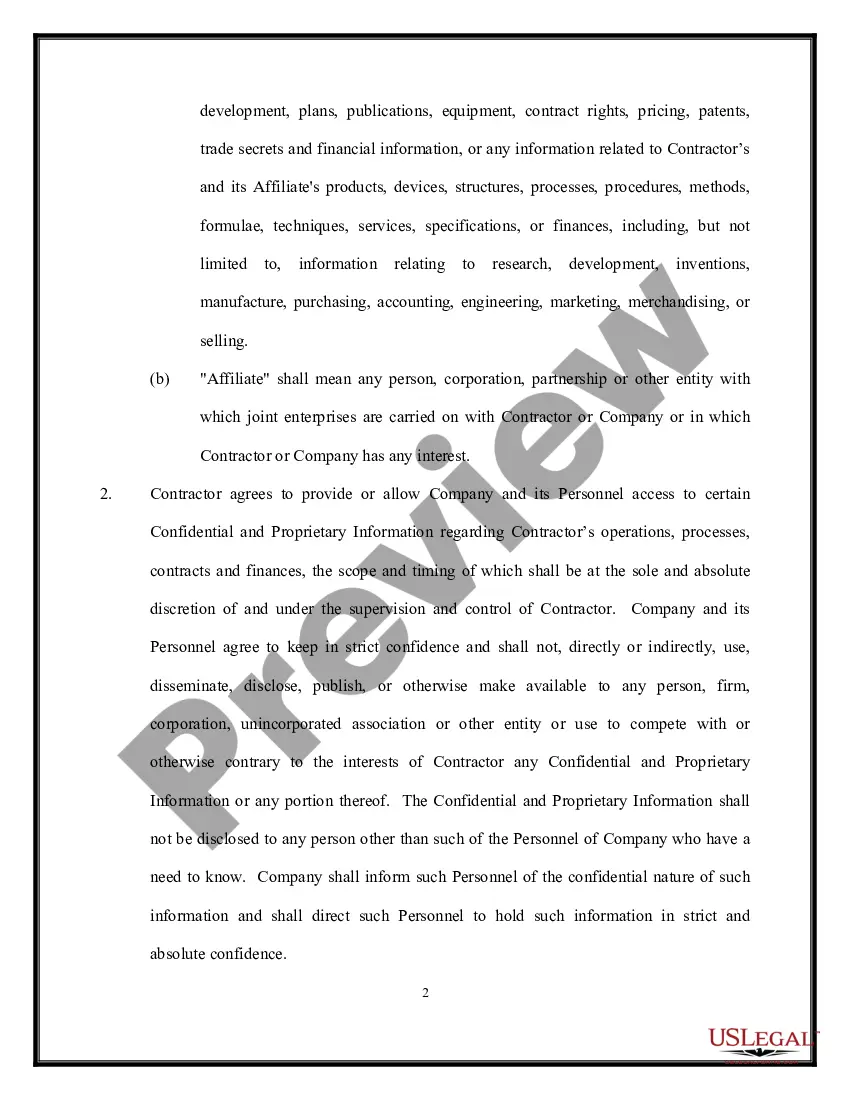
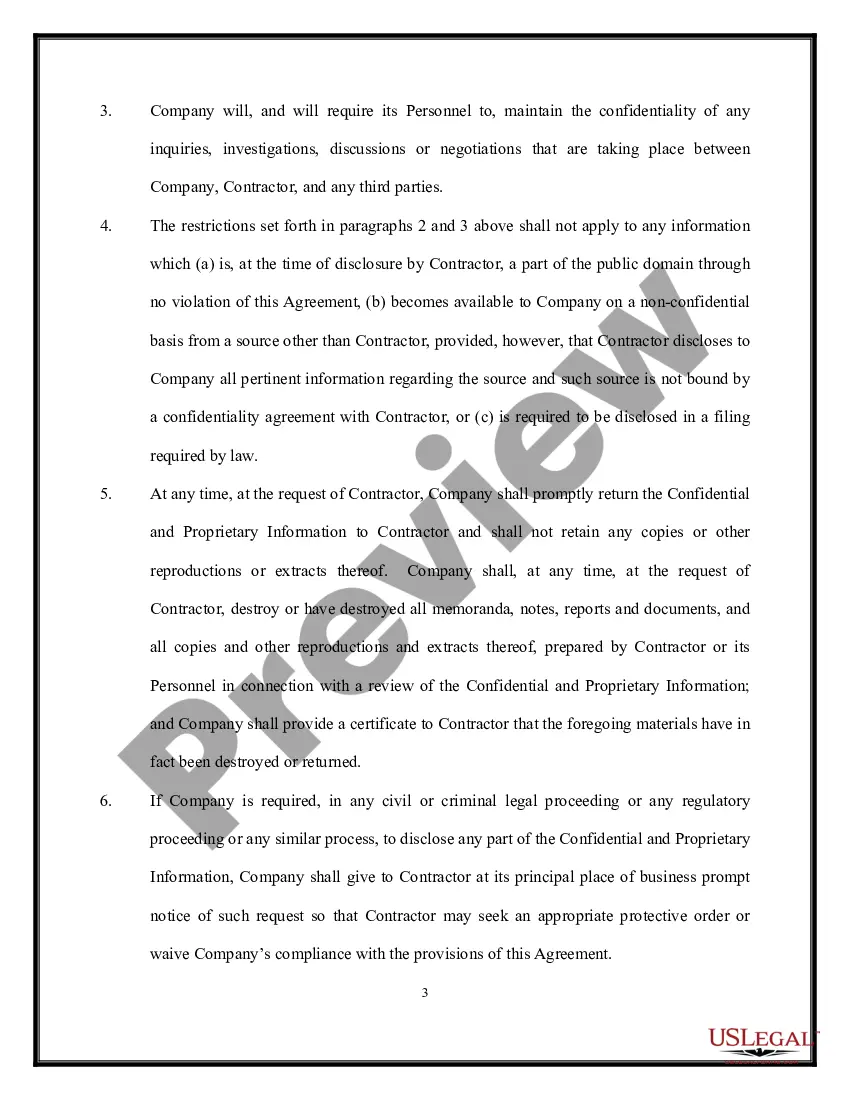
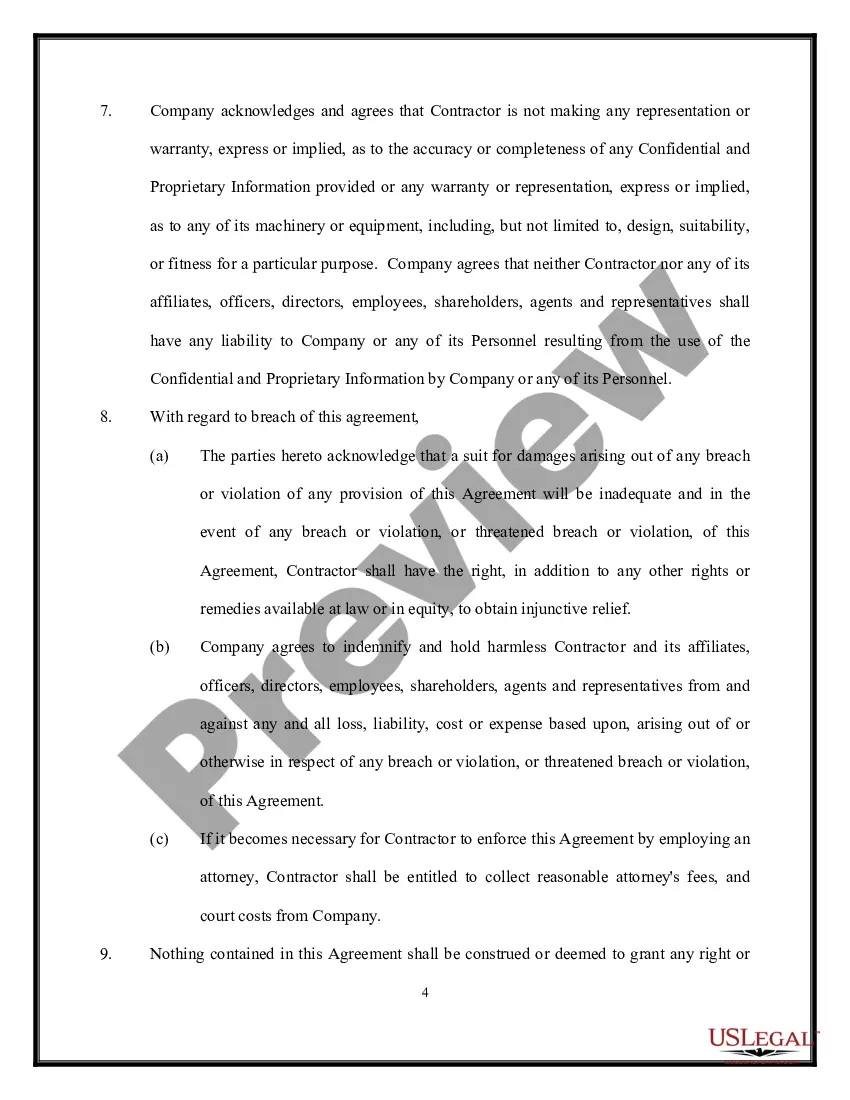
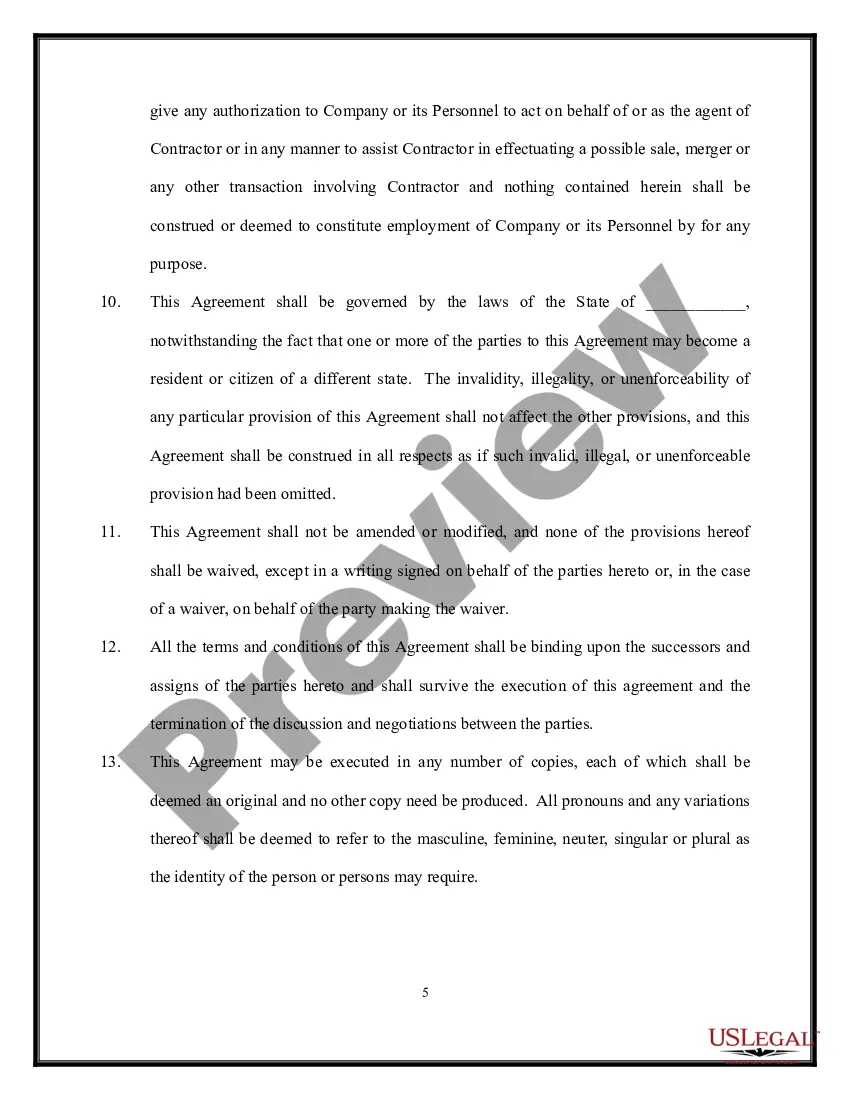
The key elements of Non-Disclosure Agreements: Identification of the parties. Definition of what is deemed to be confidential. The scope of the confidentiality obligation by the receiving party. The exclusions from confidential treatment. The term of the agreement.
Whereas confidentiality agreements are typically devised in employment or personal situations to protect sensitive information, NDAs are often used in business and legal settings to protect trade secrets, client lists, and financial data.
