Non Disclosure Agreement With Non Compete Clause In Nassau
Description

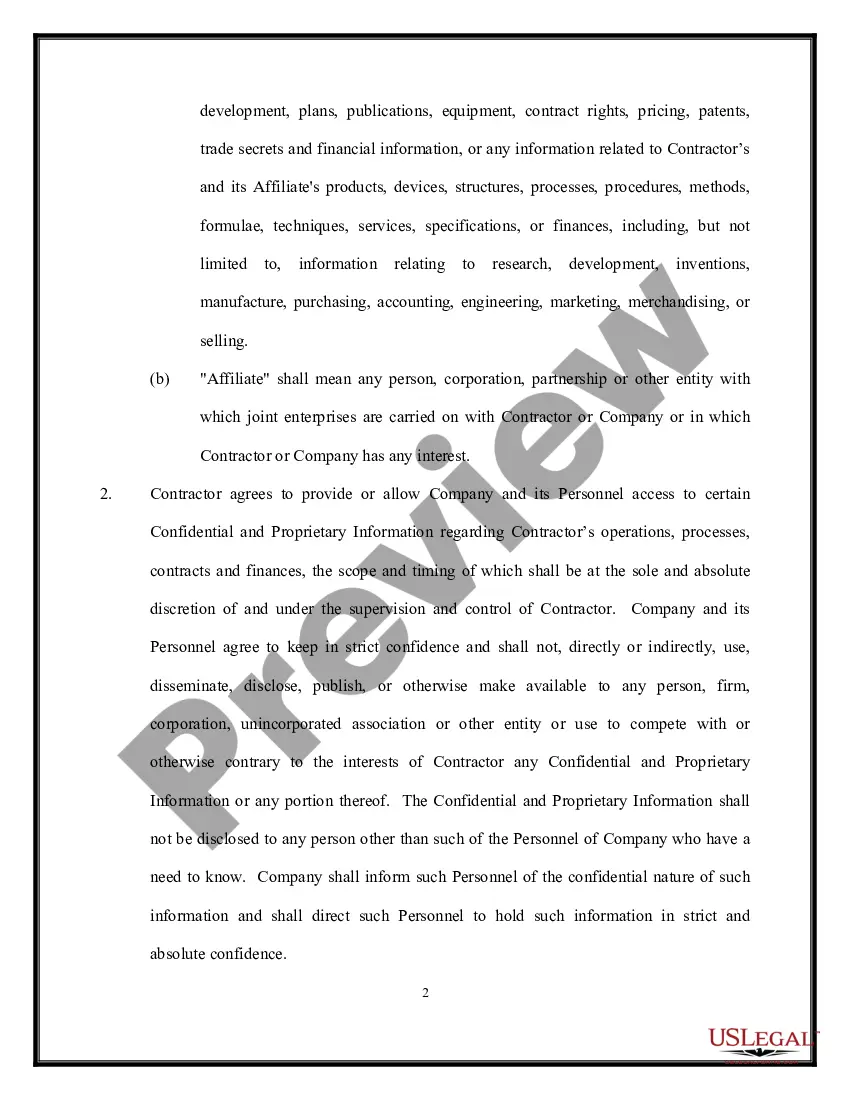
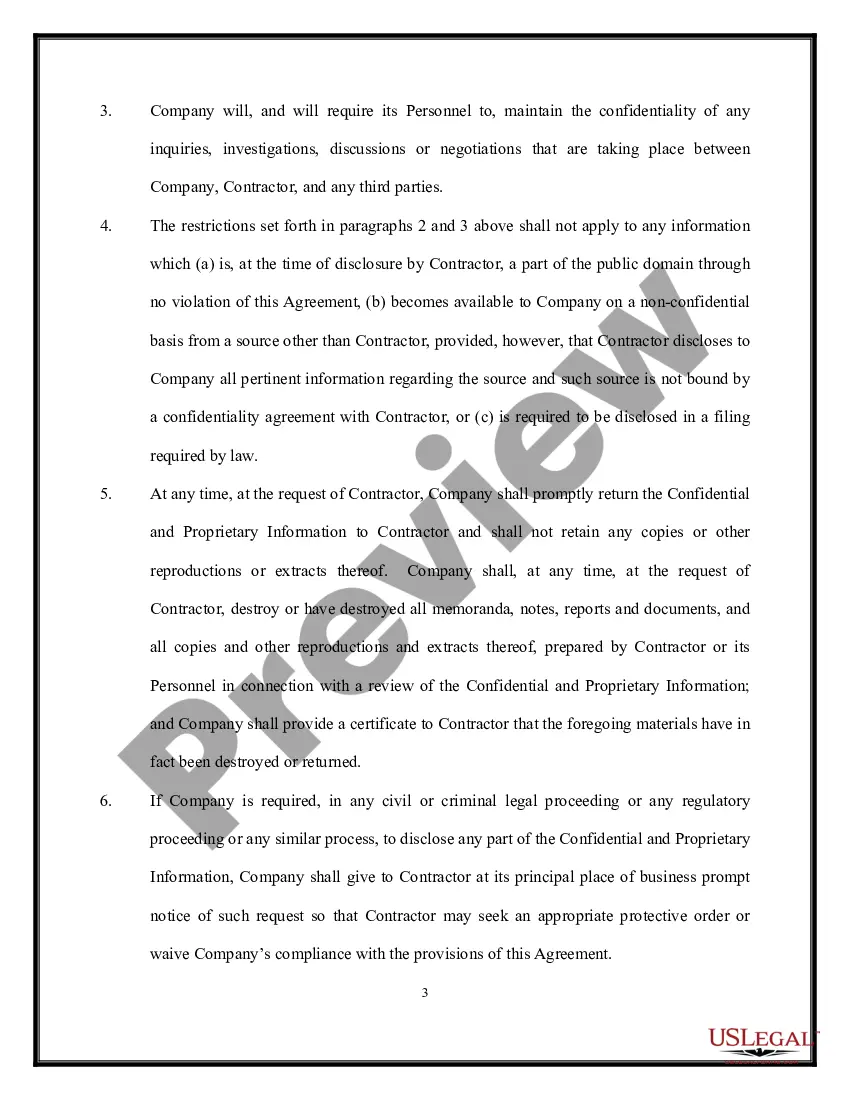
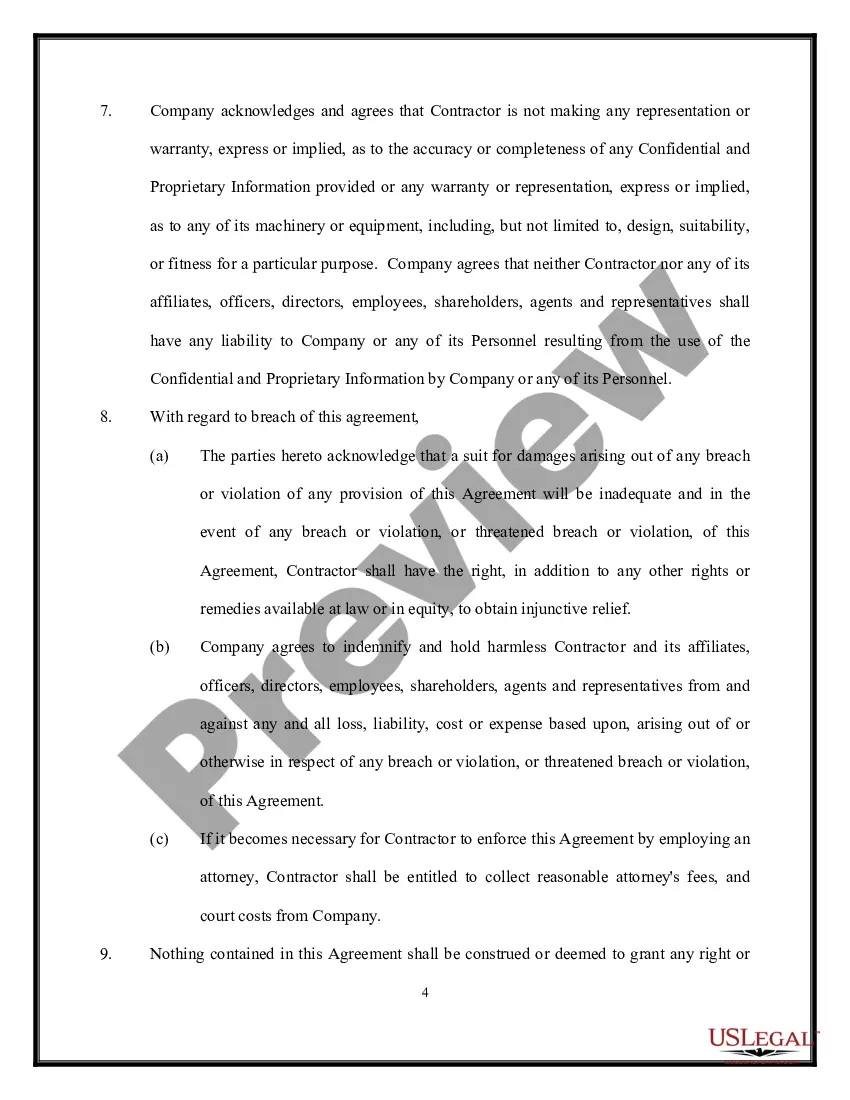
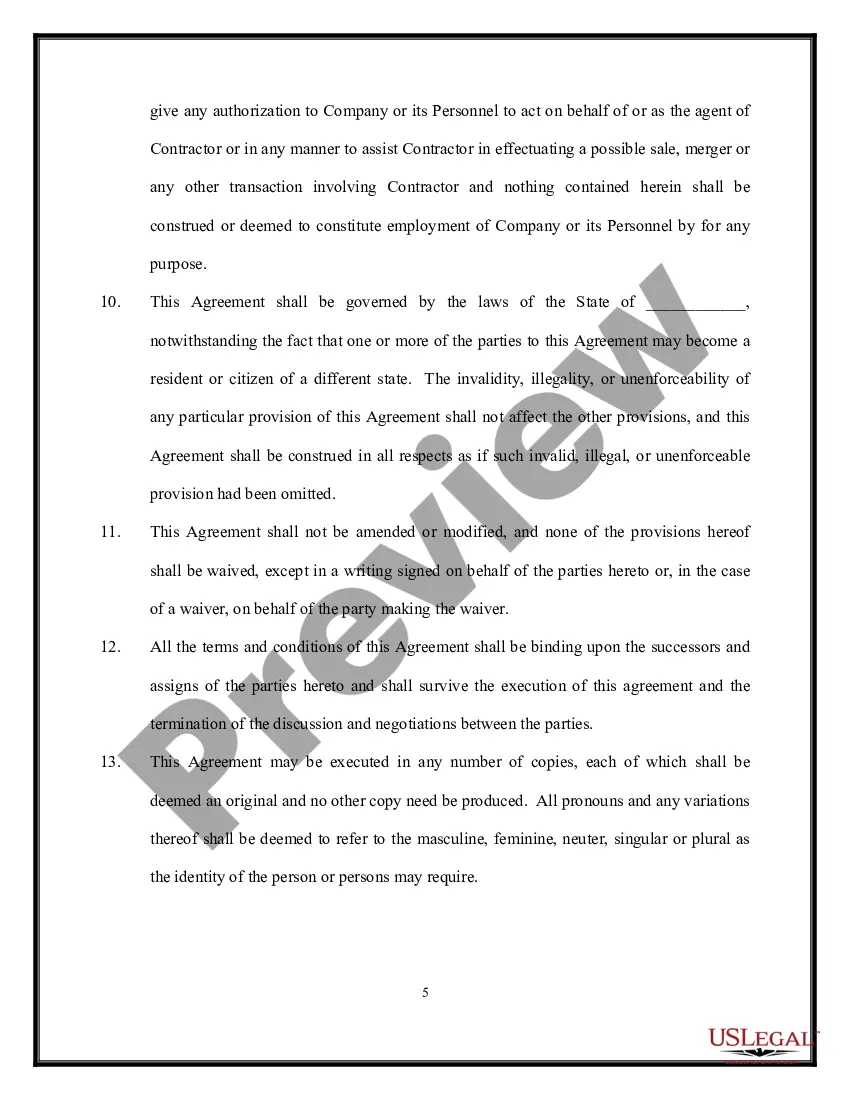
Get your form ready online
Our built-in tools help you complete, sign, share, and store your documents in one place.
Make edits, fill in missing information, and update formatting in US Legal Forms—just like you would in MS Word.
Download a copy, print it, send it by email, or mail it via USPS—whatever works best for your next step.
Sign and collect signatures with our SignNow integration. Send to multiple recipients, set reminders, and more. Go Premium to unlock E-Sign.
If this form requires notarization, complete it online through a secure video call—no need to meet a notary in person or wait for an appointment.
We protect your documents and personal data by following strict security and privacy standards.

Make edits, fill in missing information, and update formatting in US Legal Forms—just like you would in MS Word.

Download a copy, print it, send it by email, or mail it via USPS—whatever works best for your next step.

Sign and collect signatures with our SignNow integration. Send to multiple recipients, set reminders, and more. Go Premium to unlock E-Sign.

If this form requires notarization, complete it online through a secure video call—no need to meet a notary in person or wait for an appointment.

We protect your documents and personal data by following strict security and privacy standards.
Looking for another form?






Form popularity
FAQ
US FTC Rule Banning Non-Competes. On April 23, 2024, the U.S. Federal Trade Commission voted 3-2 to finalize and promulgate a rule banning most non-compete clauses in employer-employee contracts.
NY's Non-Compete Bill: What Employers Can Expect from a Newly Proposed Ban. A bill to ban employment non-competes for all but highly compensated individuals is being considered by the New York state legislature. Gov. Hochul vetoed a similar bill in 2023, and the latest proposal appears to respond to the veto memo.
A noncompete is unenforceable if it restricts an employee's ability to exercise their rights under federal law. No employer may enter into a covenant not to compete or a covenant not to solicit with any employee. Existing noncompetes are void and unenforceable, including out-of-state noncompetes.
That said: In general, an NDA should not stop you from getting a new job. When you signed the NDA you promised not to disclose certain types of information about the company. So it shouldn't matter where you go to work after that, as long as you don't disclose this information.
Under the Noncompete Rule, the FTC adopted a comprehensive ban on new noncompetes with all workers, including senior executives. The final Noncompete Rule provides that it is an unfair method of competition—and therefore a violation of Section 5—for employers to enter into noncompetes with workers.
Non-Competitive Activity at New Employer: One of the most straightforward ways to overcome a noncompete is by ensuring that your new role with a different employer is in a non-competitive capacity. If you're not engaging in activities that directly compete with your former employer's business, you may be in the clear.
compete is only allowed and enforceable to the extent it (1) is necessary to protect the employer's legitimate interests, (2) does not impose an undue hardship on the employee, (3) does not harm the public, and (4) is reasonable in time period and geographic scope.
By its terms, the proposed ban would not have any retroactive effect on non-compete agreements entered into before the effective date.
After the NDA expires, the information may no longer be considered confidential and may be disclosed freely.
