Confidentiality Form For Counseling In Montgomery
Description

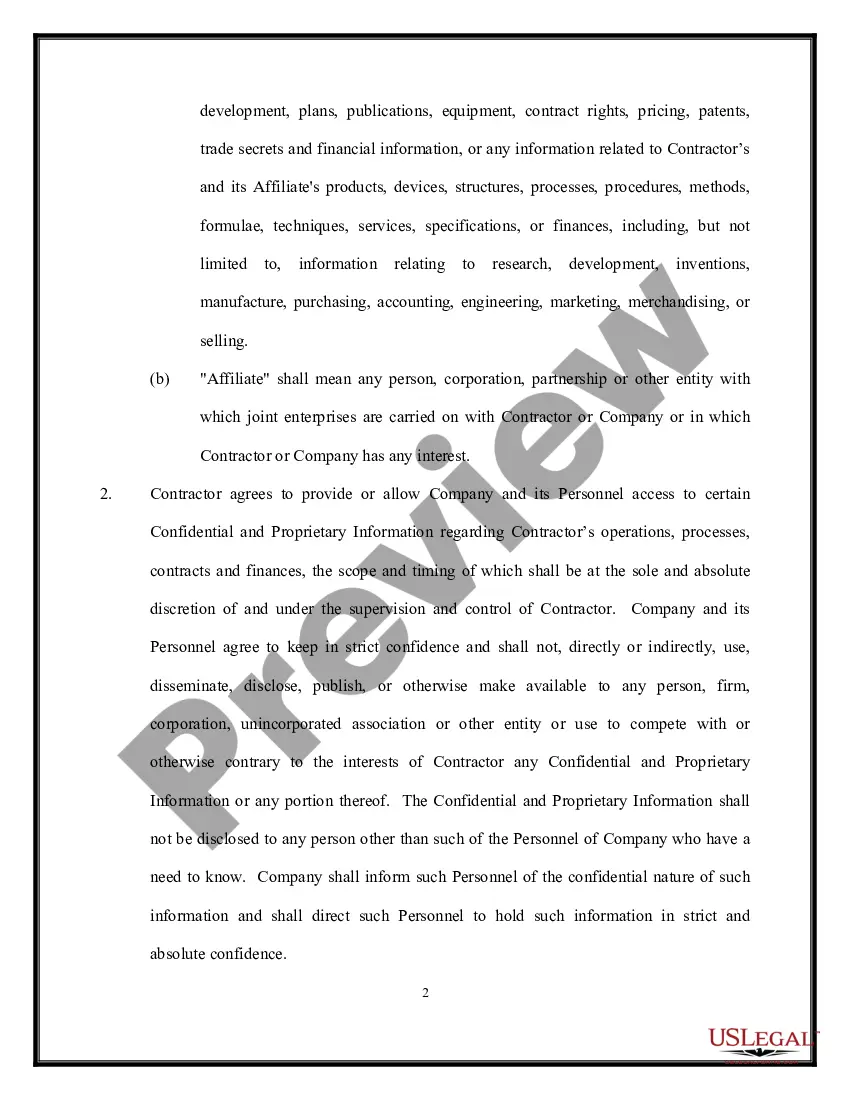
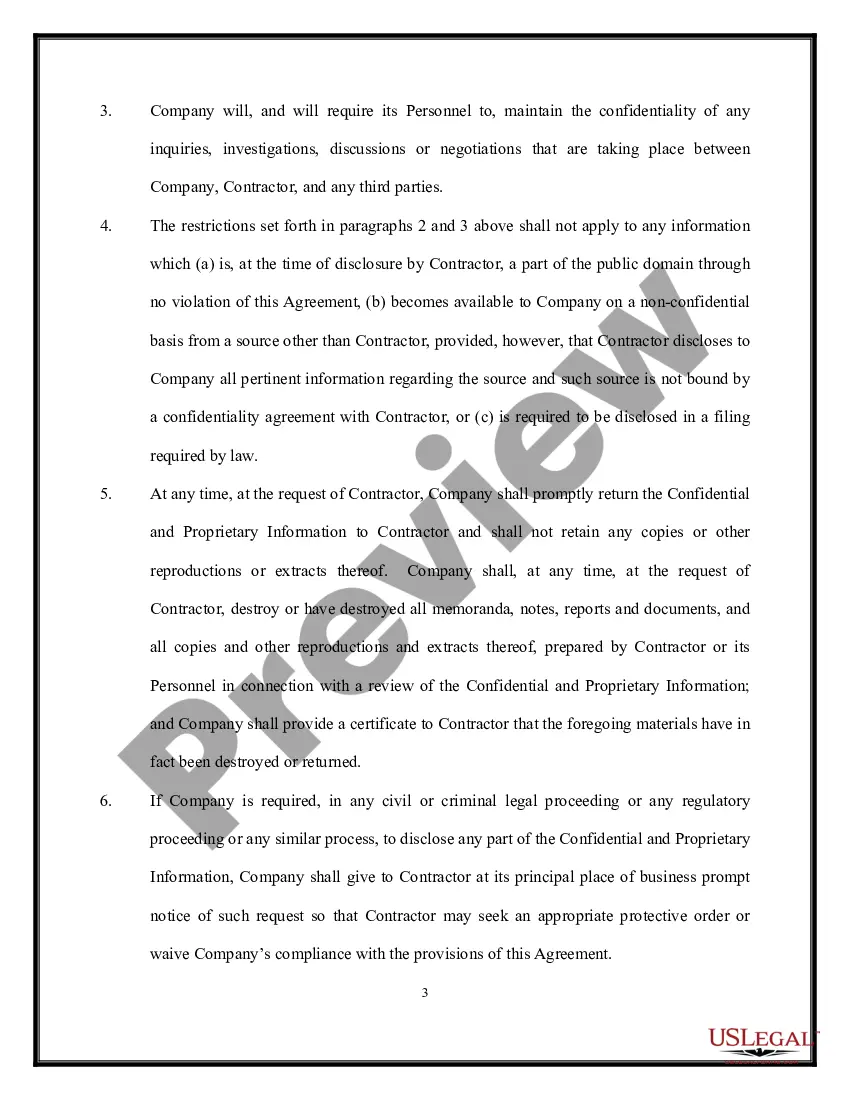
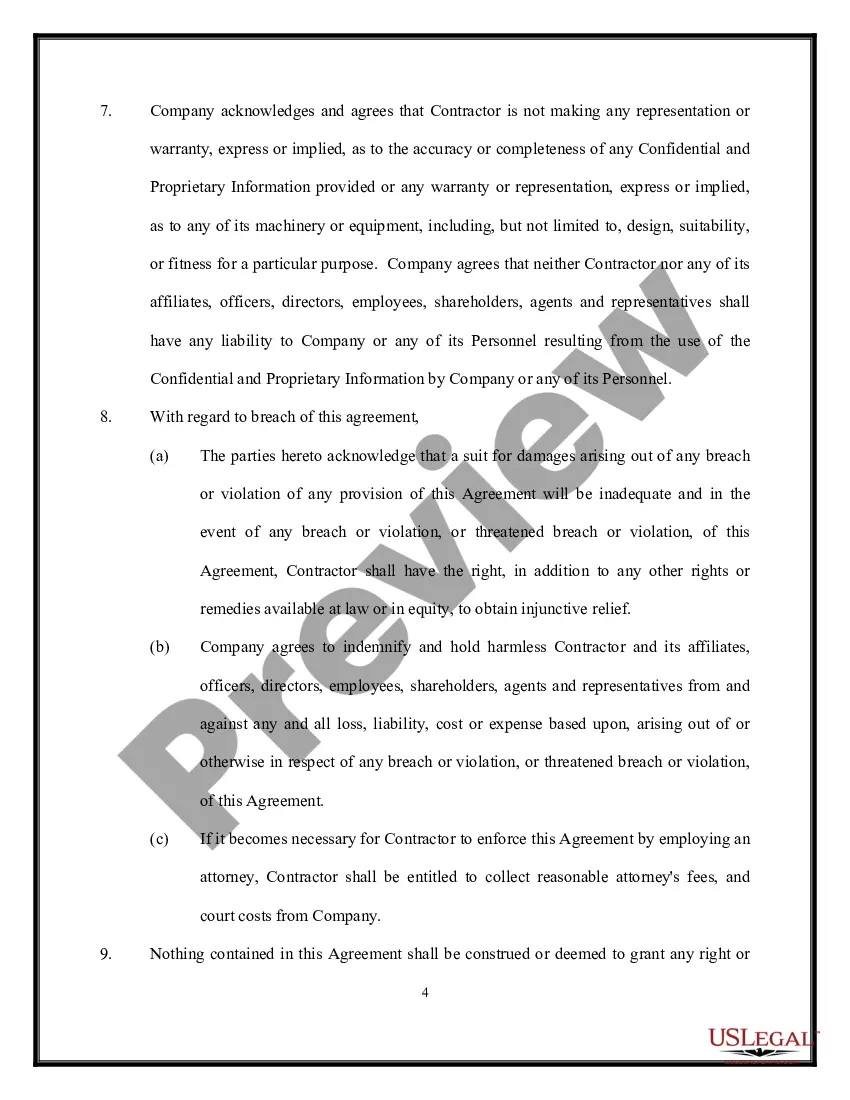
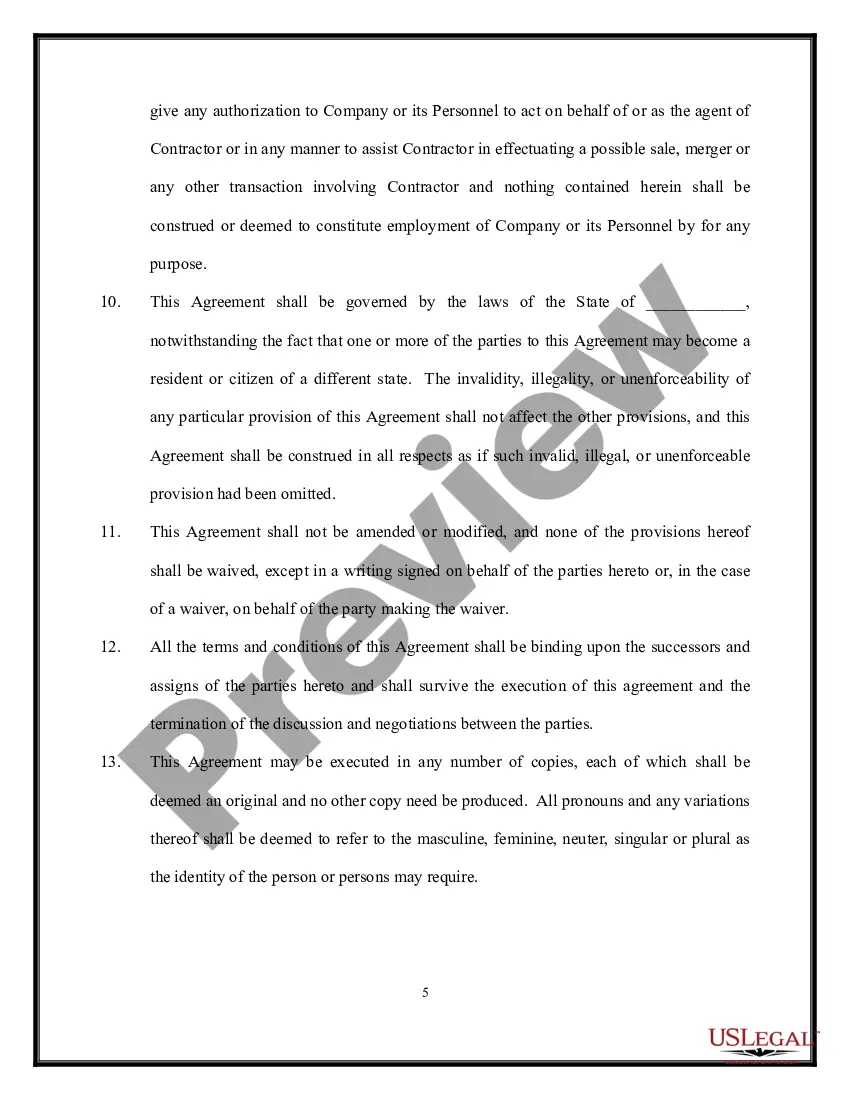

Get your form ready online
Our built-in tools help you complete, sign, share, and store your documents in one place.
Make edits, fill in missing information, and update formatting in US Legal Forms—just like you would in MS Word.
Download a copy, print it, send it by email, or mail it via USPS—whatever works best for your next step.
Sign and collect signatures with our SignNow integration. Send to multiple recipients, set reminders, and more. Go Premium to unlock E-Sign.
If this form requires notarization, complete it online through a secure video call—no need to meet a notary in person or wait for an appointment.
We protect your documents and personal data by following strict security and privacy standards.

Make edits, fill in missing information, and update formatting in US Legal Forms—just like you would in MS Word.

Download a copy, print it, send it by email, or mail it via USPS—whatever works best for your next step.

Sign and collect signatures with our SignNow integration. Send to multiple recipients, set reminders, and more. Go Premium to unlock E-Sign.

If this form requires notarization, complete it online through a secure video call—no need to meet a notary in person or wait for an appointment.

We protect your documents and personal data by following strict security and privacy standards.
Looking for another form?






Form popularity
FAQ
HIPAA laws require that breaches in patient confidentiality are reported. For nurses, that typically means reporting a breach — whether you or a colleague made it — to your nurse manager or a facility compliance officer. Reporting is required whether or not the breach was an accident.
Confidentiality is about keeping our personal information private, safe and secure. If our information is confidential, then nobody should share it unless we agree to it. It means that when we talk to professionals about our mental health, they shouldn't tell anyone else what we've said.
This consent form helps to create the safety to take risks and the support to become empowered to change. This form is also intended to inform you about your rights as a patient, limitations to those rights, and your therapist's corresponding responsibilities.
If possible, inform your client beforehand if you have to disclose their information. Discuss your clients' rights to confidentiality with them. When providing counseling to families, couples, or groups, create an agreement for all participants to protect the each individual's right to privacy.
Guidelines on How to Explain Confidentiality to a Client Start from the Beginning. Define Confidentiality. Clarify the Exceptions. Emphasize the Trust Factor. Encourage Questions. Reporting Harm to Self or Others. Child Abuse or Neglect. Court Orders.
Guidelines on How to Explain Confidentiality to a Client Start from the Beginning. Define Confidentiality. Clarify the Exceptions. Emphasize the Trust Factor. Encourage Questions. Reporting Harm to Self or Others. Child Abuse or Neglect. Court Orders.
Help the student script a statement that they can use to discuss confidentiality that also includes when they would have to break that confidentiality: "Everything you tell me will remain confidential, unless it involves an issue of seriously harming yourself, harming someone else, or someone is harming you." Assure ...
I cannot and will not tell anyone else what you have told me, or even that you are in therapy with me without your prior permission. You can authorize me to share information with whomever you choose, and you may change your mind and revoke that permission at anytime.
There are 4 components of informed consent including decision capacity, documentation of consent, disclosure, and competency. Doctors will give you information about a particular treatment or test in order for you to decide whether or not you wish to undergo a treatment or test.
At a minimum, a well-designed informed consent form will address the following information: Risks and benefits of treatment. Fees and payment policies. Confidentiality and its limits. Contact information and communication. Social media policy and general boundaries. Emergency procedures.
