Nondisclosure Confidentiality Contract With Attorney In Maricopa
Description

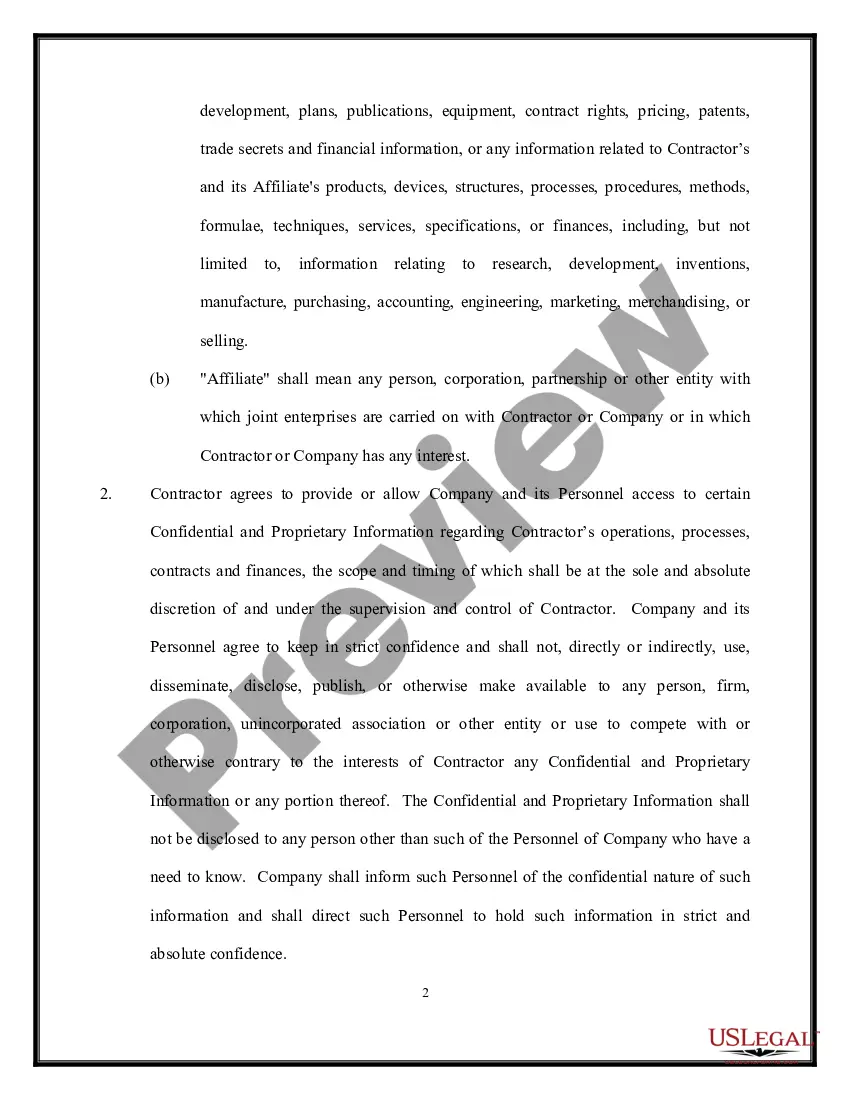
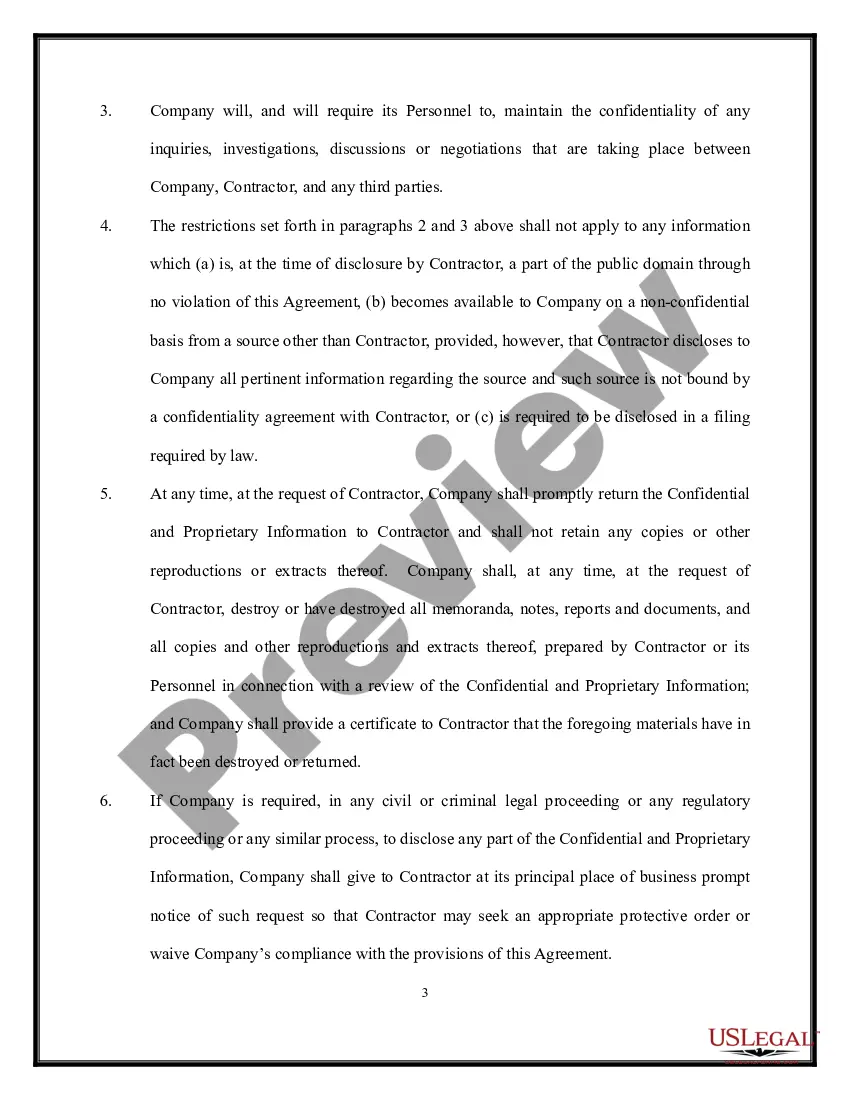
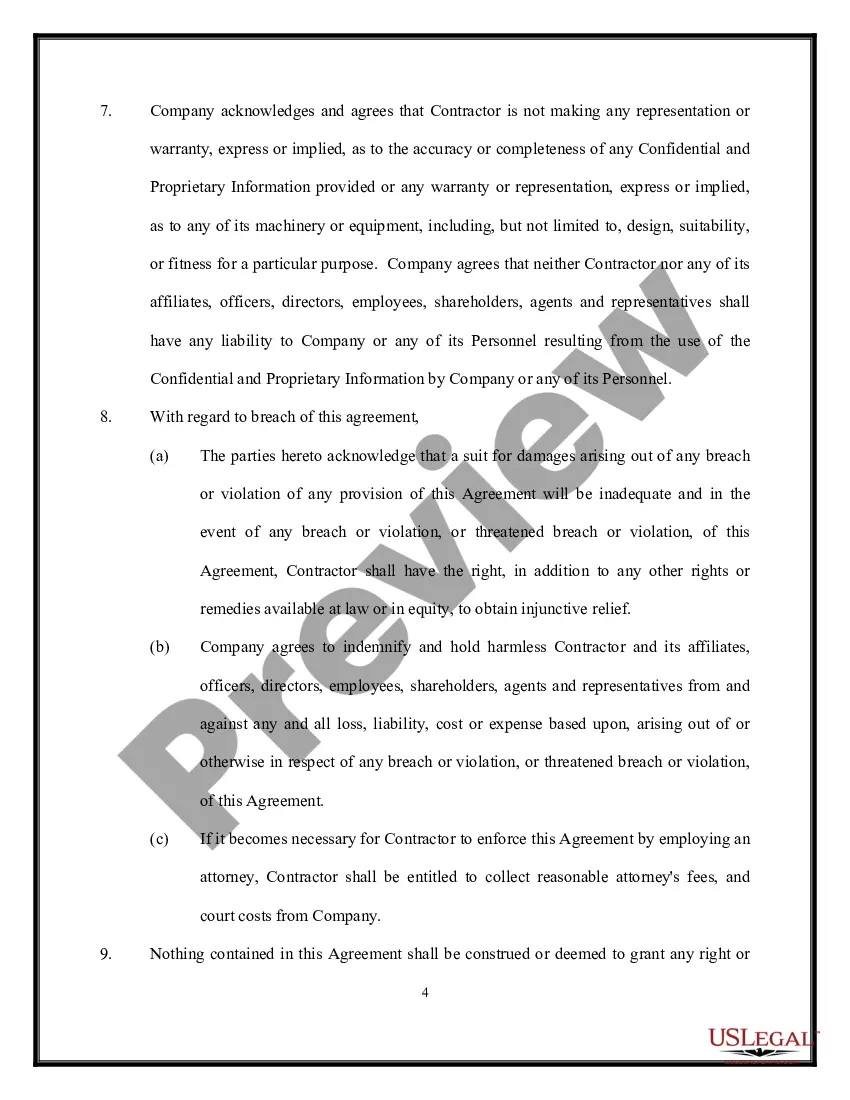
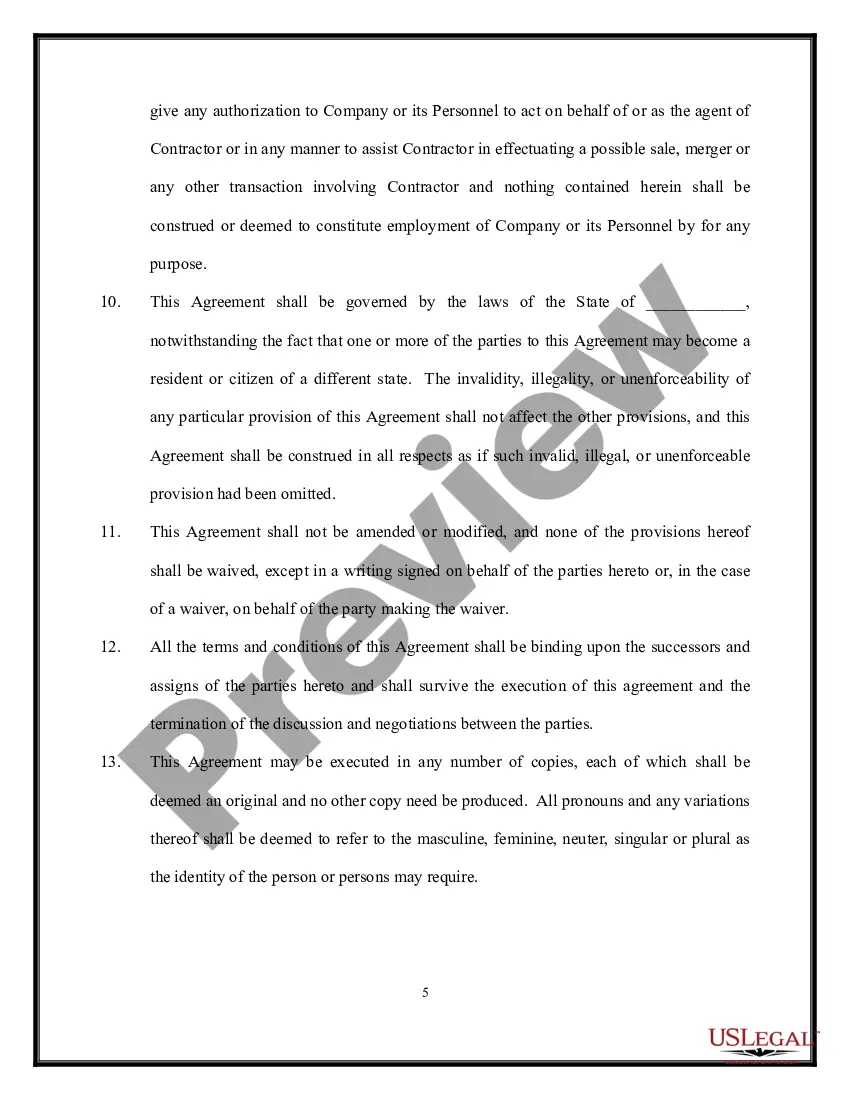

Get your form ready online
Our built-in tools help you complete, sign, share, and store your documents in one place.
Make edits, fill in missing information, and update formatting in US Legal Forms—just like you would in MS Word.
Download a copy, print it, send it by email, or mail it via USPS—whatever works best for your next step.
Sign and collect signatures with our SignNow integration. Send to multiple recipients, set reminders, and more. Go Premium to unlock E-Sign.
If this form requires notarization, complete it online through a secure video call—no need to meet a notary in person or wait for an appointment.
We protect your documents and personal data by following strict security and privacy standards.

Make edits, fill in missing information, and update formatting in US Legal Forms—just like you would in MS Word.

Download a copy, print it, send it by email, or mail it via USPS—whatever works best for your next step.

Sign and collect signatures with our SignNow integration. Send to multiple recipients, set reminders, and more. Go Premium to unlock E-Sign.

If this form requires notarization, complete it online through a secure video call—no need to meet a notary in person or wait for an appointment.

We protect your documents and personal data by following strict security and privacy standards.
Looking for another form?



Form popularity
FAQ
Completing the Confidentiality Agreement The "Receiving Party" is the person or company who receives the confidential information and is obligated to keep it secret. You'll need to fill in information specific to your circumstances in the spaces provided, such as the parties' names and addresses.
In Arizona, courts will only enforce NDAs if they are “reasonable,” meaning that overly restrictive NDAs may not protect an employer's confidential information if the matter goes to court.
In general, Arizona law upholds confidentiality and non-disclosure agreements, as long as the documents are lawful, valid and do not go against public policy. It is important to have a Scottsdale breach of contract lawyer help you draft a confidentiality agreement to make sure that it is enforceable.
Noncompete agreements in Arizona are perfectly legal and will be enforced when they meet certain conditions. Arizona courts will uphold reasonable noncompete agreements that don't restrict employees for too long or from too far away.
2. NDAs are enforceable when they are signed — if they are properly drafted and executed.
I hereby undertake to treat as confidential all and any information that I receive while participating in the work of evaluating project proposals, to use this information solely for the purpose of evaluation of the proposals, not to disclose it to any third party and not to make it publicly available or accessible ...
Yes, the law in Arizona allows for NDAs and non-compete agreements and will enforce them if they adhere to state law. These contracts must comply with the following requirements: They must specifically protect a legitimate business interest, such as intellectual property or trade secrets.
A confidentiality agreement should include the names and addresses of the parties to the contract. Consider also including: Reason for the agreement: Explain why you're sharing this information. The information disclosed: Be specific about the subject matter and what exactly is included in the agreement.
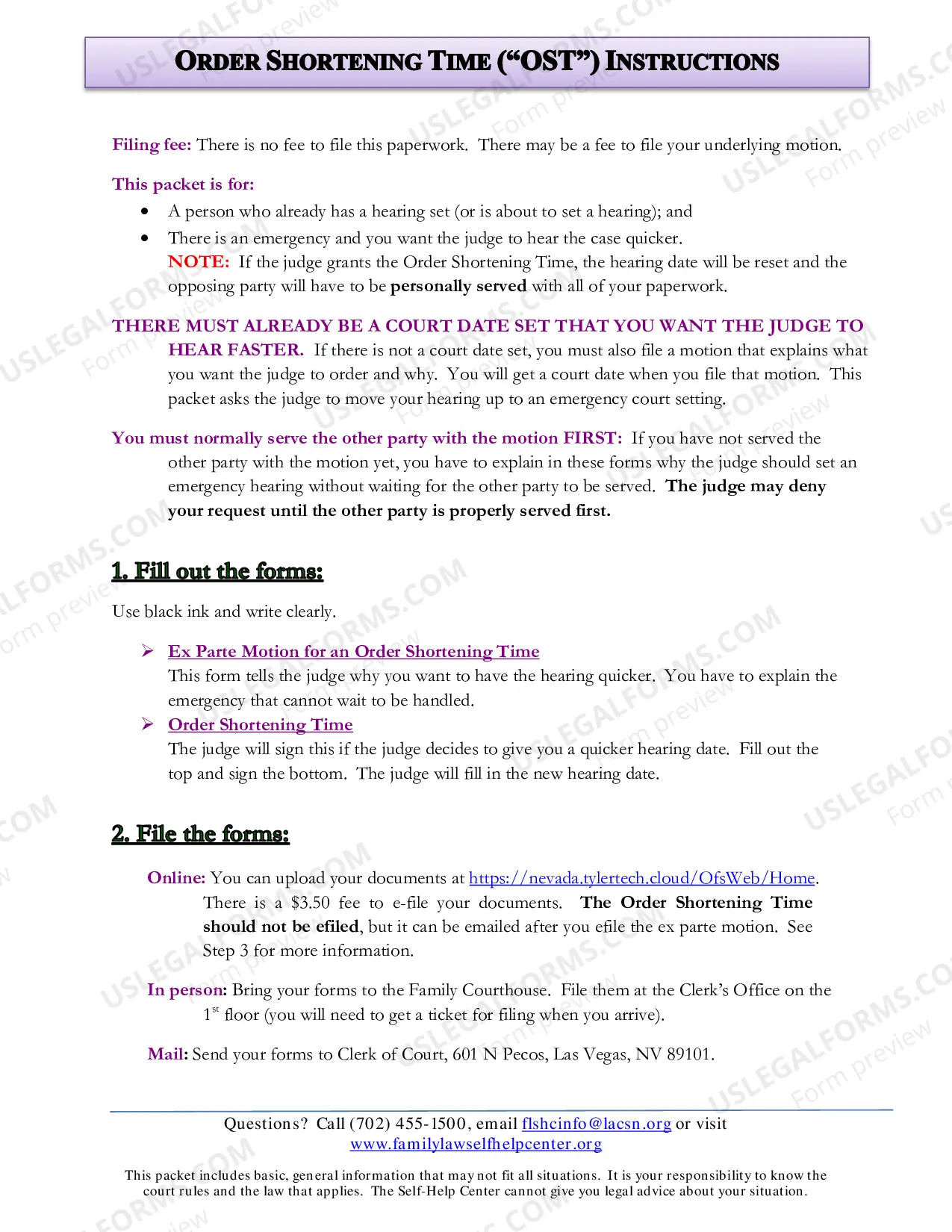
Rule 48 - Emergency Temporary Orders (a)Filing and Timing. A party may request temporary orders without notice by filing a verified motion, along with a proposed form of orders and a notice of hearing on the motion. A motion may be filed at the same time or after filing an initial pre-decree or post-decree petition.
Disclosure of information. Within forty (40) days after the defendant has filed an answer, or at a time set by the court, each party must provide to the other parties a written disclosure statement. Every party's disclosure statement must include the following information: (1) A list of trial witnesses.
