Non Disclosure Agreement With Penalty Clause In King
Description

Get your form ready online
Our built-in tools help you complete, sign, share, and store your documents in one place.
Make edits, fill in missing information, and update formatting in US Legal Forms—just like you would in MS Word.
Download a copy, print it, send it by email, or mail it via USPS—whatever works best for your next step.
Sign and collect signatures with our SignNow integration. Send to multiple recipients, set reminders, and more. Go Premium to unlock E-Sign.
If this form requires notarization, complete it online through a secure video call—no need to meet a notary in person or wait for an appointment.
We protect your documents and personal data by following strict security and privacy standards.

Make edits, fill in missing information, and update formatting in US Legal Forms—just like you would in MS Word.

Download a copy, print it, send it by email, or mail it via USPS—whatever works best for your next step.

Sign and collect signatures with our SignNow integration. Send to multiple recipients, set reminders, and more. Go Premium to unlock E-Sign.

If this form requires notarization, complete it online through a secure video call—no need to meet a notary in person or wait for an appointment.

We protect your documents and personal data by following strict security and privacy standards.
Looking for another form?








Form popularity
FAQ
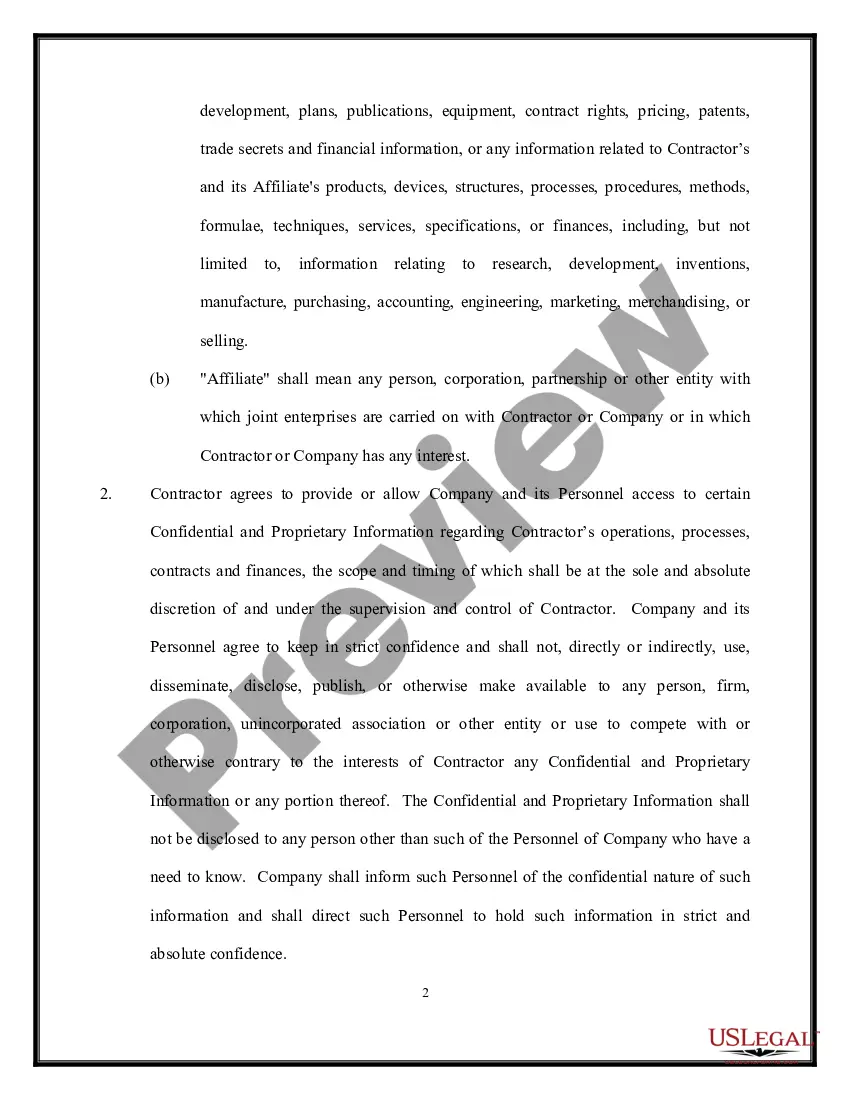
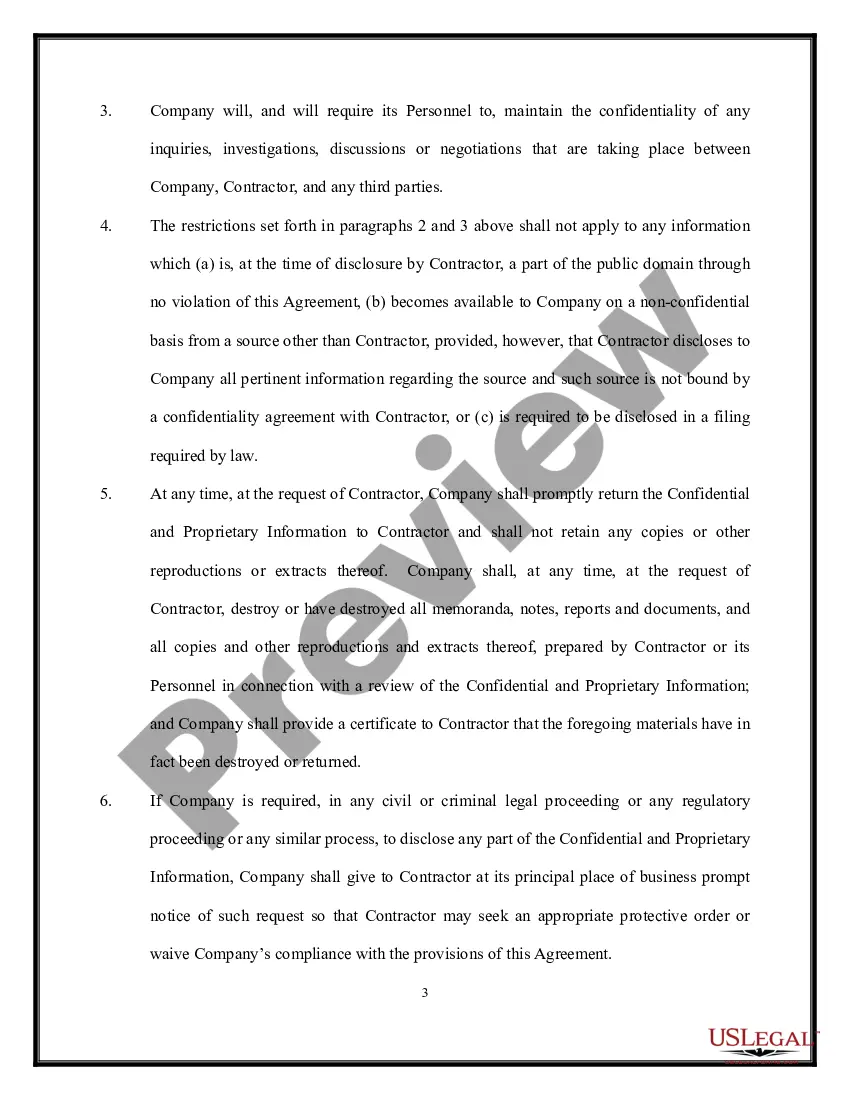
Some of the exception clauses are: – Information that is in the public domain. – Information that the disclosing party disclosed before signing the agreement. – Information received by the “receiving party” from a third party, wherein the third party was not obliged to keep the information confidential.
Some commonly employed exceptions are information that the recipient can demonstrate that they had prior to receipt of information from the discloser, information that becomes known to the public through no fault of the recipient, information that becomes known to the recipient from a third party that has a lawful ...
At the top, there are three types, unilateral, bilateral, and multilateral NDAs. The rest of the specific NDA types fall under these three categories. Most are based on who has to sign the NDA. Not all NDAs are created equally, and they can only demand so much secrecy from strangers when compared to their employees.
In order to minimize the risk of information falling into the wrong hands, make sure to avoid the four common NDA traps below. Typos and Clerical Errors. Poorly Defining "Confidentiality" ... Not Defining Enforcement and Penalties. Having the Wrong Person Sign.
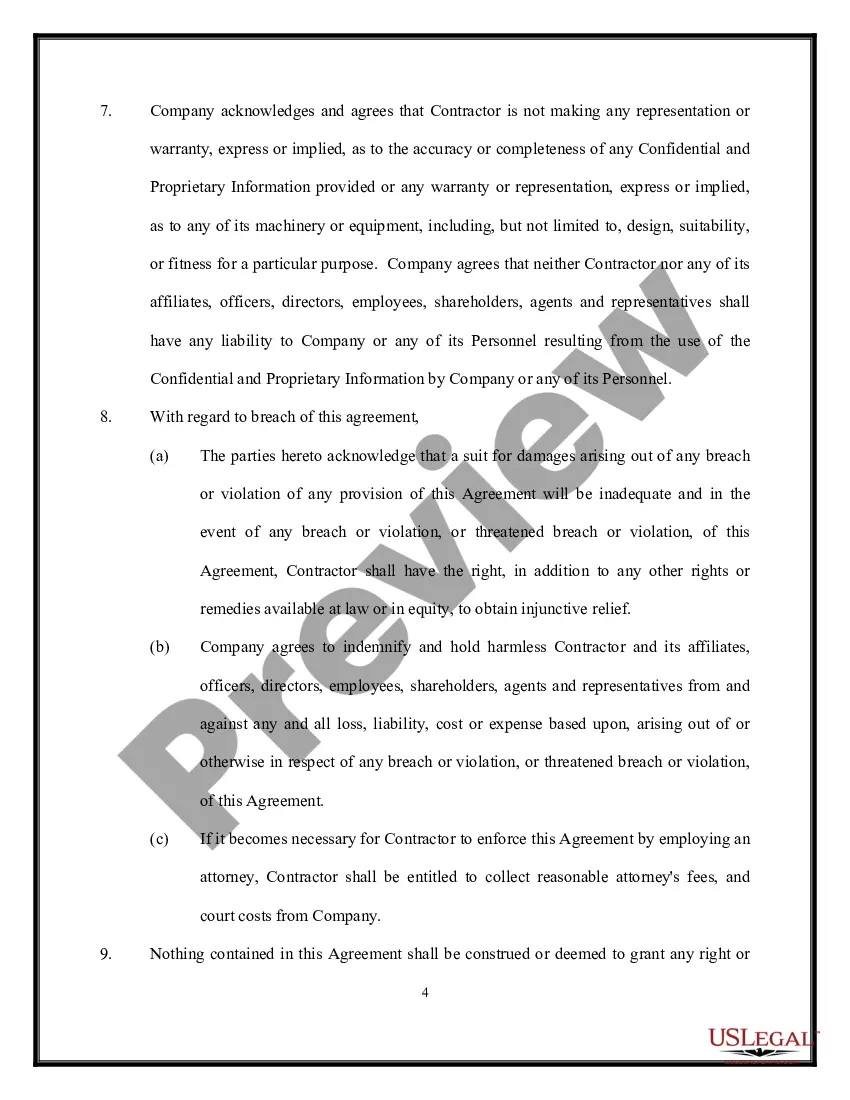
Breaking an NDA usually doesn't result in jail time — as NDAs are civil contracts, not criminal agreements. Typically, the consequence is a breach of contract lawsuit, where the harmed party may seek financial compensation if the court rules in their favor.
1. You are a danger to yourself and threaten to harm yourself (e.g., suicidal). 2. You threaten to harm another specific person (e.g., assault, ).
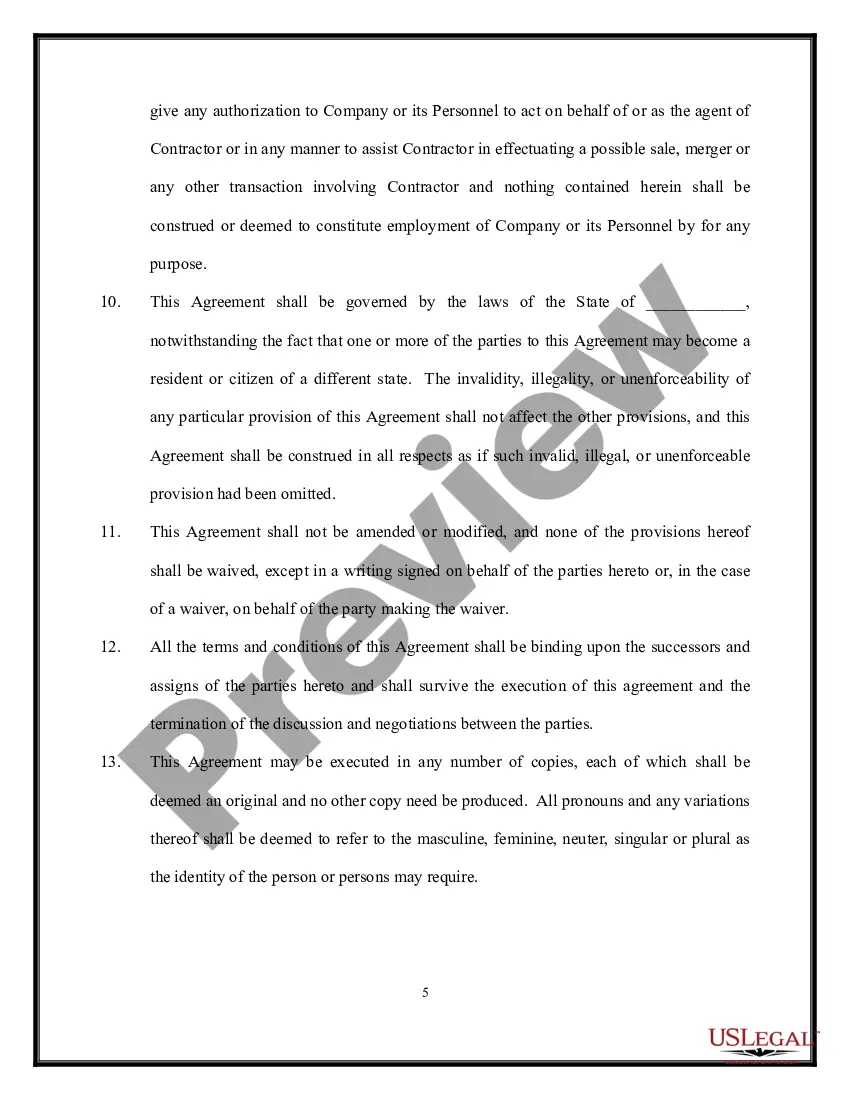
The key elements of Non-Disclosure Agreements: Identification of the parties. Definition of what is deemed to be confidential. The scope of the confidentiality obligation by the receiving party. The exclusions from confidential treatment. The term of the agreement.
You do not need a lawyer to create and sign a non-disclosure agreement. However, if the information you are trying to protect is important enough to warrant an NDA, you may want to have the document reviewed by someone with legal expertise.
How to get out of an NDA. Check for a termination clause. Check the language. Determine if your content is “public domain.” If the content your NDA covers is now known by the public, you may be able to make a case to nullify your NDA from any specific issuer.
