Disclosure Vs Confidentiality In King
Description

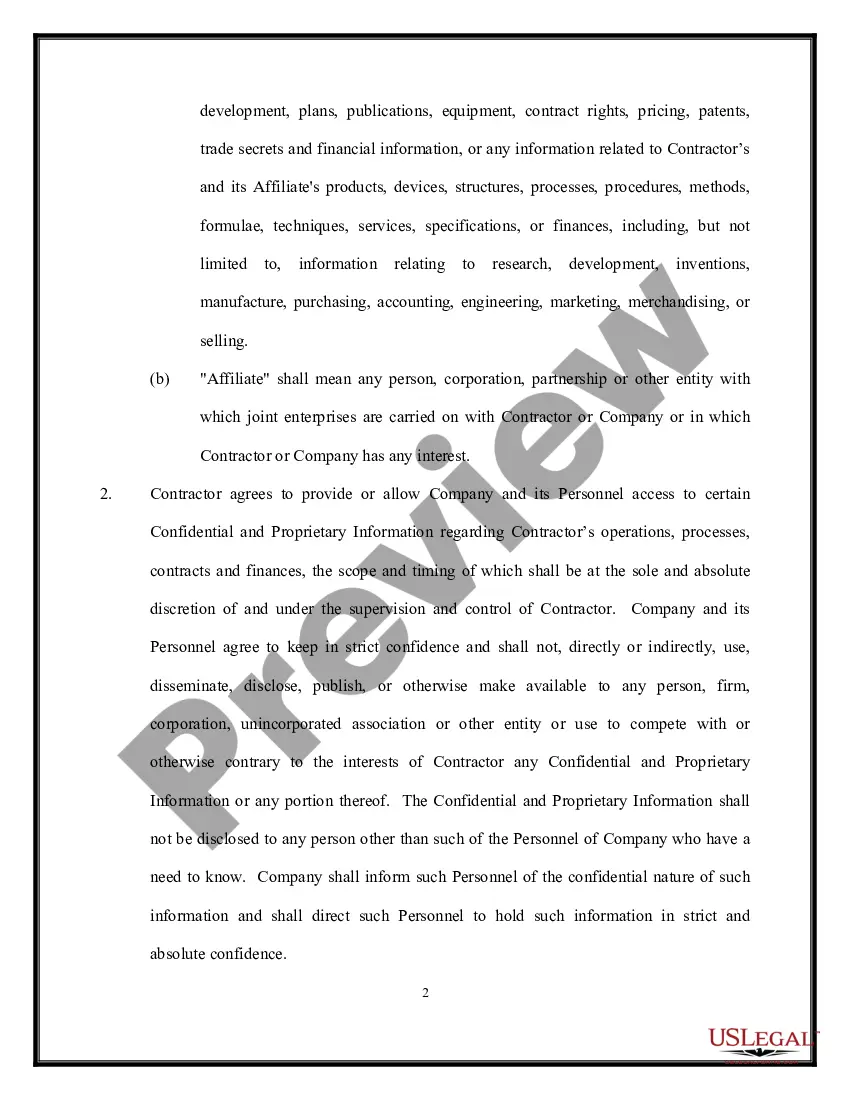
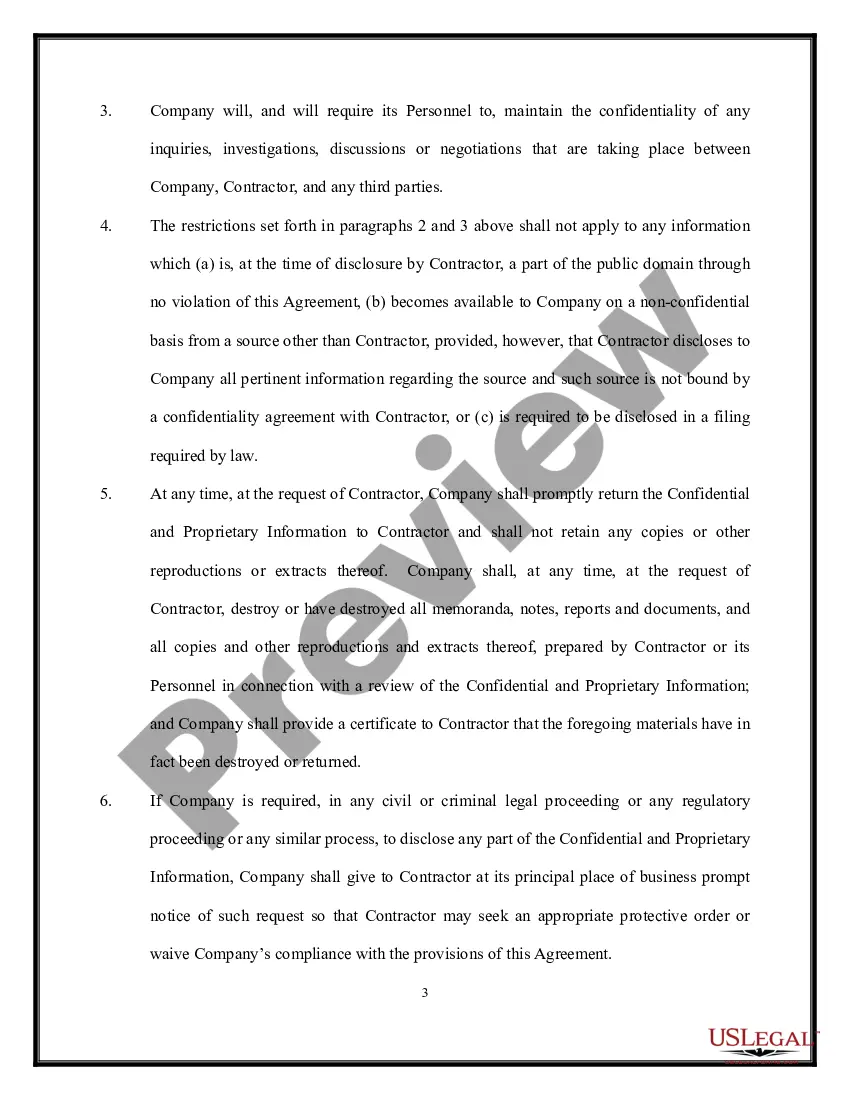
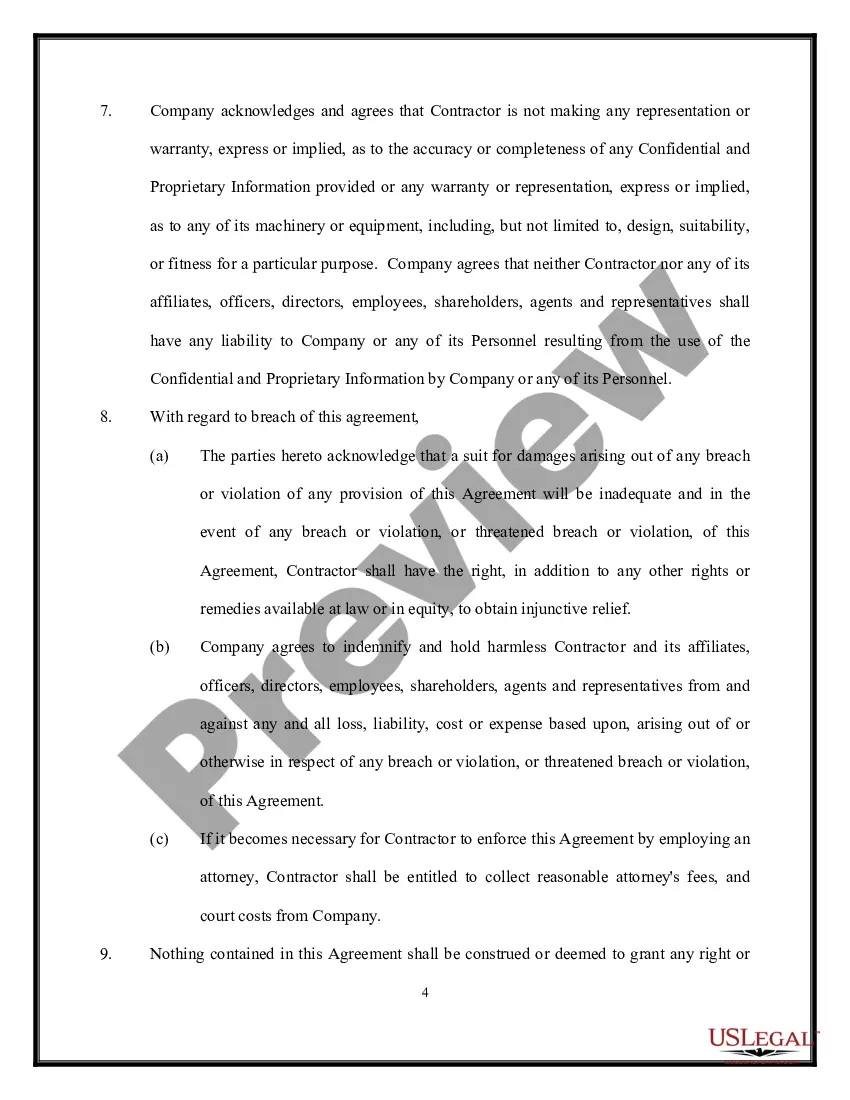
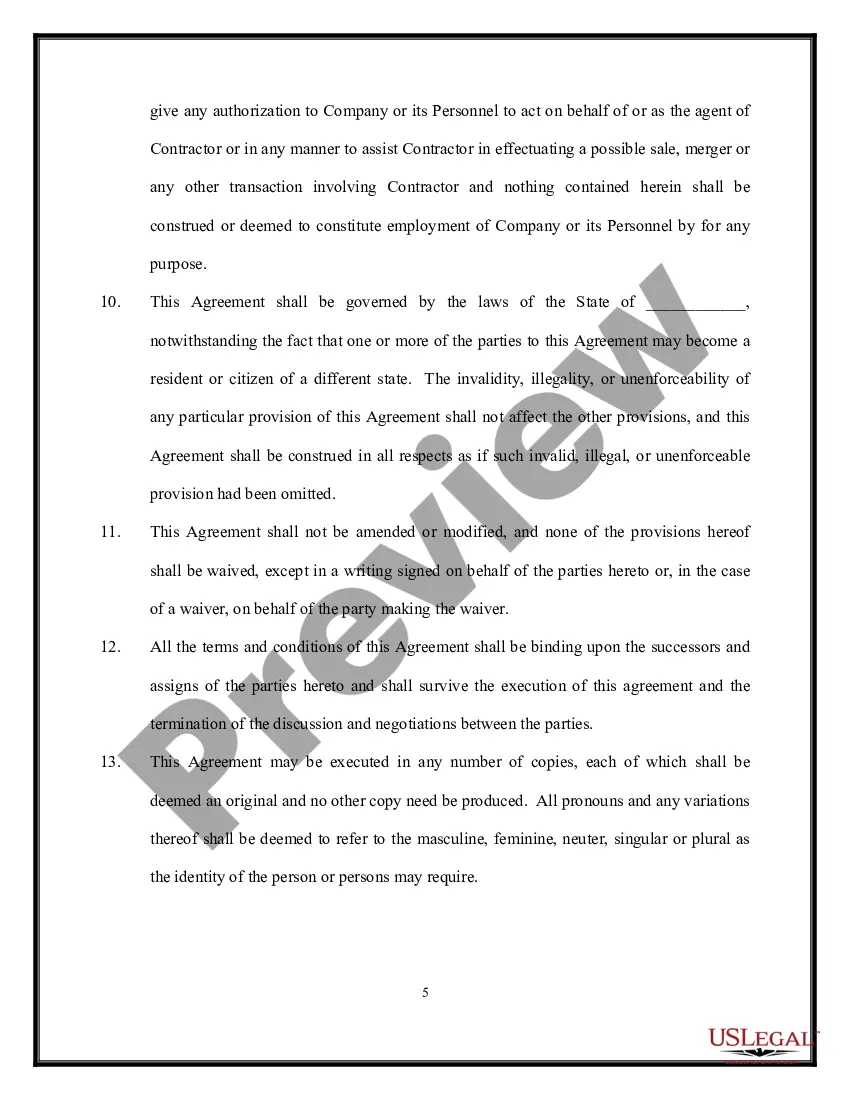
Get your form ready online
Our built-in tools help you complete, sign, share, and store your documents in one place.
Make edits, fill in missing information, and update formatting in US Legal Forms—just like you would in MS Word.
Download a copy, print it, send it by email, or mail it via USPS—whatever works best for your next step.
Sign and collect signatures with our SignNow integration. Send to multiple recipients, set reminders, and more. Go Premium to unlock E-Sign.
If this form requires notarization, complete it online through a secure video call—no need to meet a notary in person or wait for an appointment.
We protect your documents and personal data by following strict security and privacy standards.

Make edits, fill in missing information, and update formatting in US Legal Forms—just like you would in MS Word.

Download a copy, print it, send it by email, or mail it via USPS—whatever works best for your next step.

Sign and collect signatures with our SignNow integration. Send to multiple recipients, set reminders, and more. Go Premium to unlock E-Sign.

If this form requires notarization, complete it online through a secure video call—no need to meet a notary in person or wait for an appointment.

We protect your documents and personal data by following strict security and privacy standards.
Looking for another form?










Form popularity
FAQ
Information is 'confidential' if there is a restriction on its disclosure, normally placed by the person or organisation that provides it.
When managing data confidentiality, follow these guidelines: Encrypt sensitive files. Manage data access. Physically secure devices and paper documents. Securely dispose of data, devices, and paper records. Manage data acquisition. Manage data utilization. Manage devices.
For example, you may write: "This letter and its enclosures are confidential and intended for the exclusive use of the addressee. If you are not the intended recipient, please notify the sender immediately and destroy this letter and its enclosures.
What is a nondisclosure agreement? Whereas confidentiality agreements are typically devised in employment or personal situations to protect sensitive information, NDAs are often used in business and legal settings to protect trade secrets, client lists, and financial data.
Here's just one example: some of the many different ways to say how a recipient of confidential information should keep that information to themselves: shall keep in confidence all Confidential Information. shall treat in confidence all Confidential Information. shall treat as confidential all Confidential Information.
In general, NDAs are used when there is a unilateral flow of classified data, while confidentiality agreements are designed to be used when two or more parties share proprietary information.
This is sometimes referred to as a “consent,” an “authorization to release,” a “release of information,” or “authorization for disclosure.” The person who signs the release must give informed consent for the information to be disclosed.
Confidentiality means protecting personal information. This information might include details of a service user's lifestyle, family, health or care needs which they want to be kept private.
Non-Disclosure Agreement is used when the obligation is one-way (or unilateral). However, if there is a two-way (or multi-lateral) exchange of secret or commercially sensitive information, the agreement is more likely to be titled a Confidentiality Agreement.
