Confidentiality Agreement Sample For Business Plan In Illinois
Description

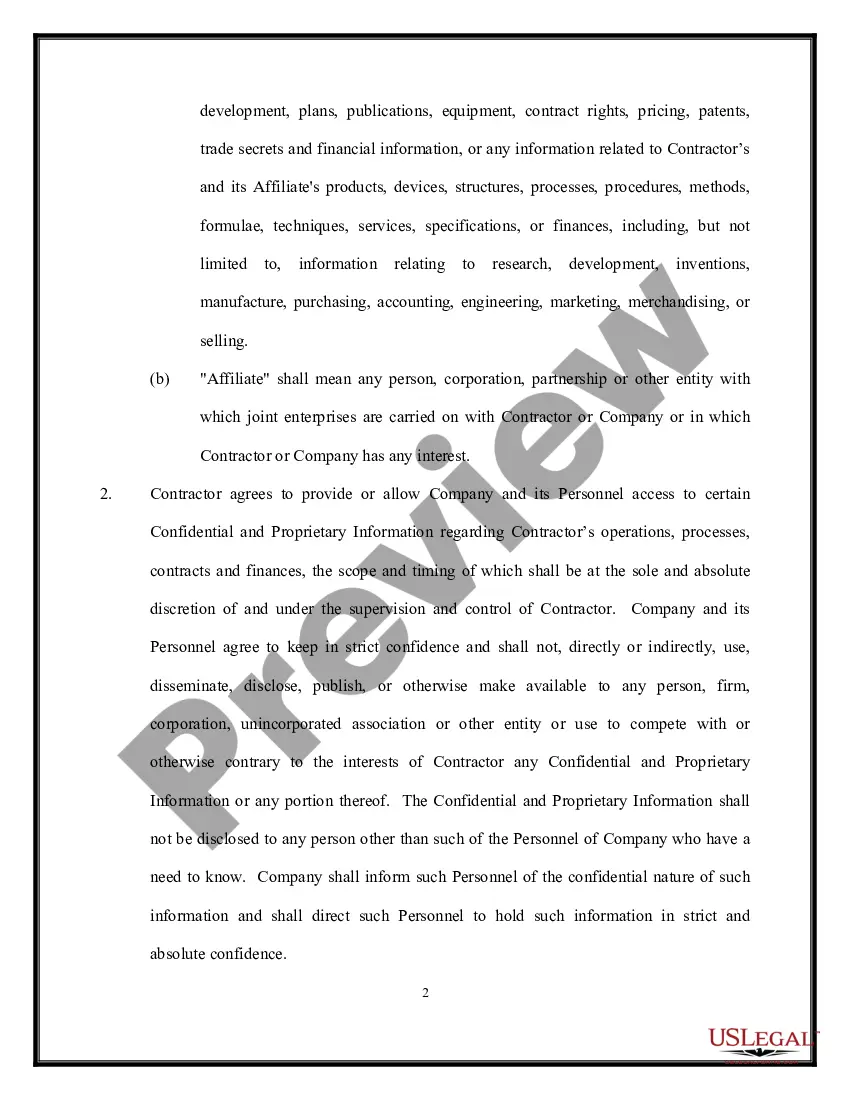
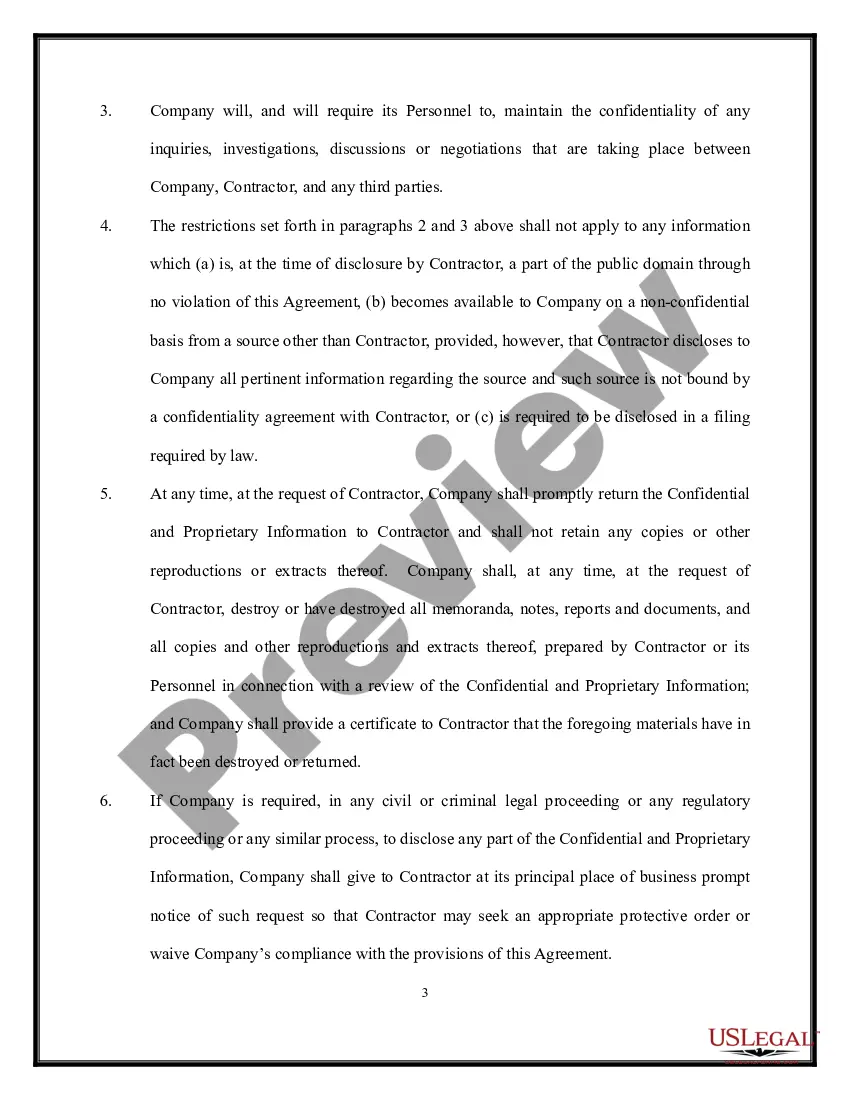
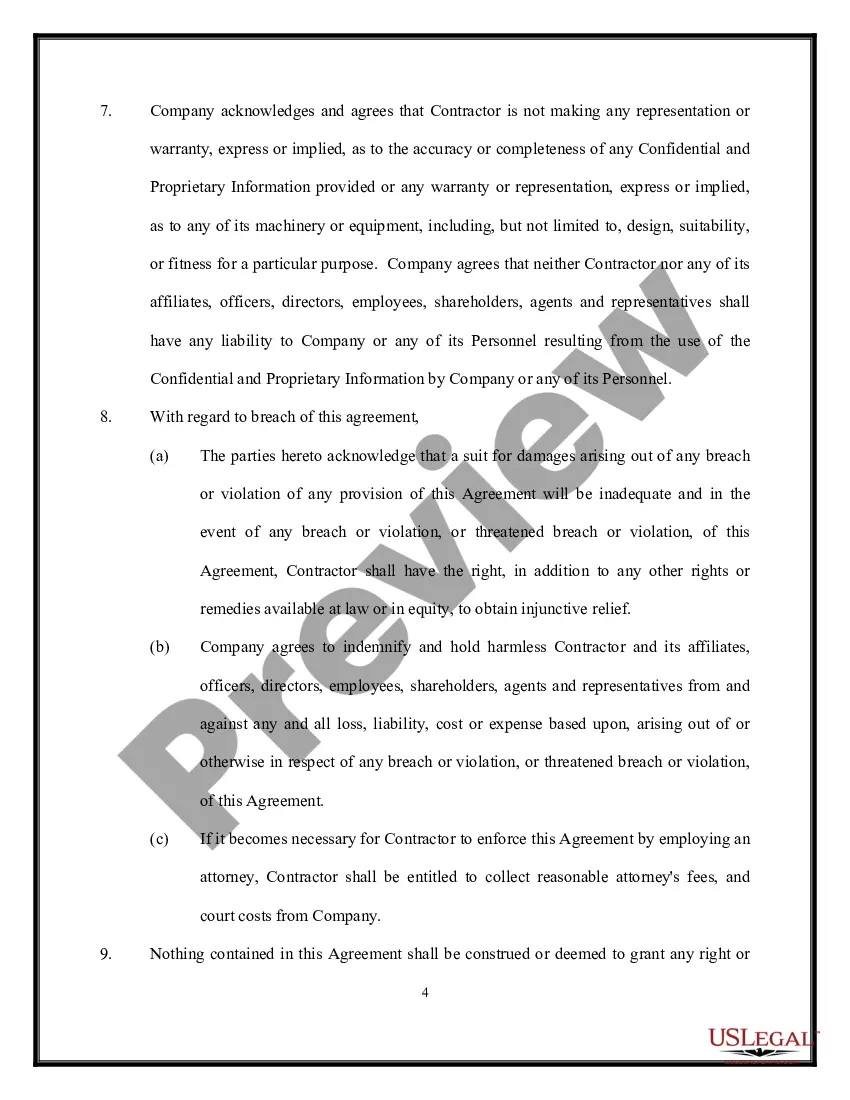
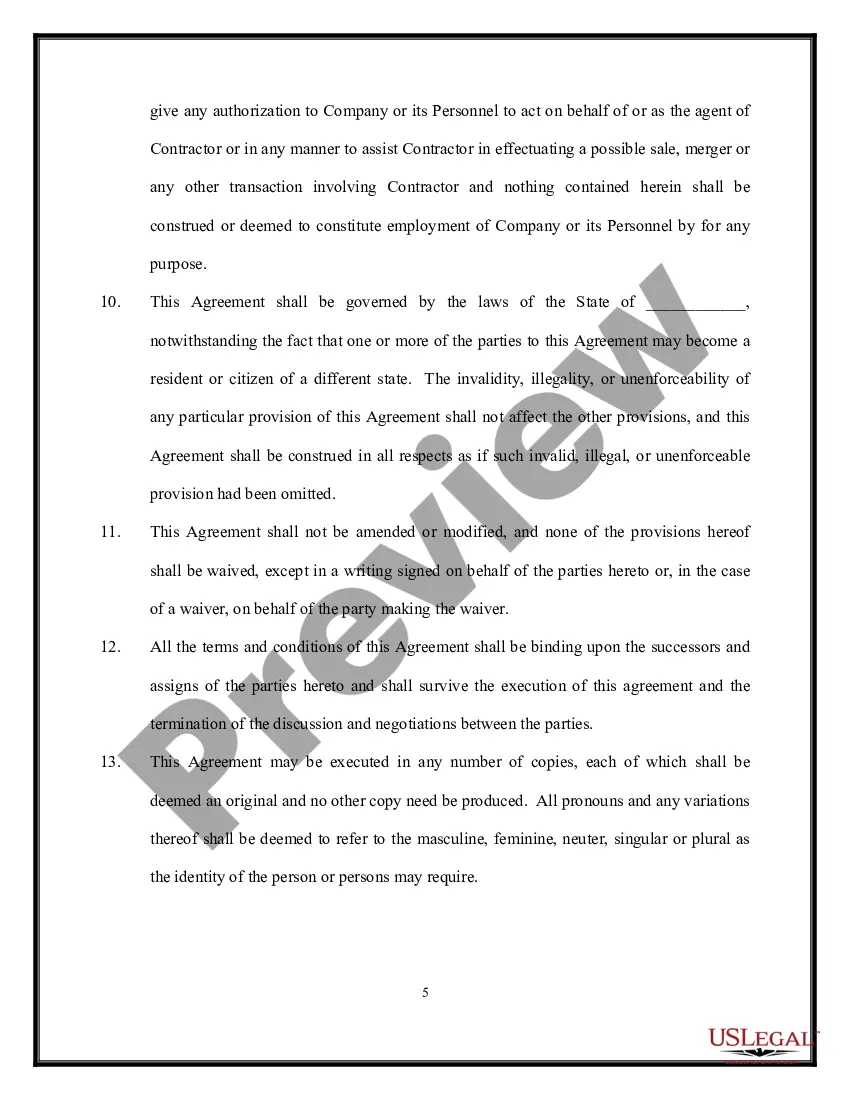
Get your form ready online
Our built-in tools help you complete, sign, share, and store your documents in one place.
Make edits, fill in missing information, and update formatting in US Legal Forms—just like you would in MS Word.
Download a copy, print it, send it by email, or mail it via USPS—whatever works best for your next step.
Sign and collect signatures with our SignNow integration. Send to multiple recipients, set reminders, and more. Go Premium to unlock E-Sign.
If this form requires notarization, complete it online through a secure video call—no need to meet a notary in person or wait for an appointment.
We protect your documents and personal data by following strict security and privacy standards.

Make edits, fill in missing information, and update formatting in US Legal Forms—just like you would in MS Word.

Download a copy, print it, send it by email, or mail it via USPS—whatever works best for your next step.

Sign and collect signatures with our SignNow integration. Send to multiple recipients, set reminders, and more. Go Premium to unlock E-Sign.

If this form requires notarization, complete it online through a secure video call—no need to meet a notary in person or wait for an appointment.

We protect your documents and personal data by following strict security and privacy standards.
Looking for another form?








Form popularity
FAQ
Intermediary organisations are responsible for the confidential treatment of business plans. If the business plan contains any information the new entrepreneur wishes to keep confidential, he may want to sign a non-disclosure agreement (NDA) or any similar confidentiality agreement with his intermediary organisation.
When Do You Need an NDA? Whether looking for investors, hiring new employees, or seeking new partners or collaborators, at some point sensitive information must be shared with individuals or entities outside your organization. NDAs ensure that a company moves forward safely with these processes.
Before sharing your business plan with potential investors, customers, partners, or banks, you should first have them sign an NDA, which should include the following information: Definition. Describe clearly what you are characterizing as confidential so that there can be no misunderstanding.
NDAs with employees are generally legal in Illinois. However, there are certain limits employers need to be aware of, and several best practices that will help ensure your agreement is immune from challenge in court.
A confidentiality agreement should include the names and addresses of the parties to the contract. Consider also including: Reason for the agreement: Explain why you're sharing this information. The information disclosed: Be specific about the subject matter and what exactly is included in the agreement.
A business plan confidentiality statement is a document that states that the information disclosed to the recipient can't be disclosed to anyone outside the agreement. It's an agreement made between two parties before they enter a deal or exchange any sensitive and confidential information.
Business plan don'ts Don't be vague: Avoid including information that is unrealistic and you cannot substantiate. Don't include technical jargon: Don't assume that the reader will understand the technical aspects of your business or sector.
It is acknowledged by the reader that information to be furnished in this business plan is in all respects confidential in nature, other than information that is in the public domain through other means, and that any disclosure or use of this confidential information by the reader may cause serious harm or damage to << ...
Other examples of confidential information include medical records, personal history, personal goals, and private correspondence between people. While confidential information needs to remain private, there are situations where breaking confidentiality is permissible; If the disclosing party is subpoenaed.
