Confidentiality Agreement Form For Accountant In Hillsborough
Description

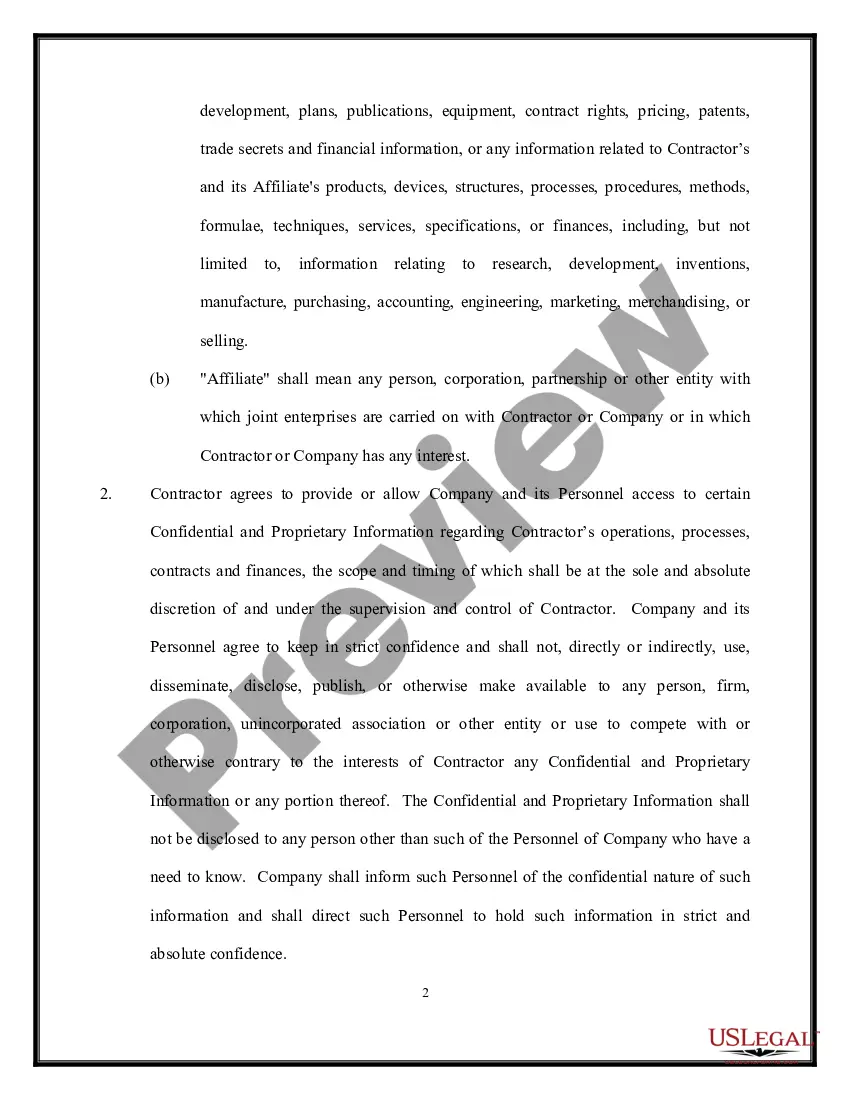
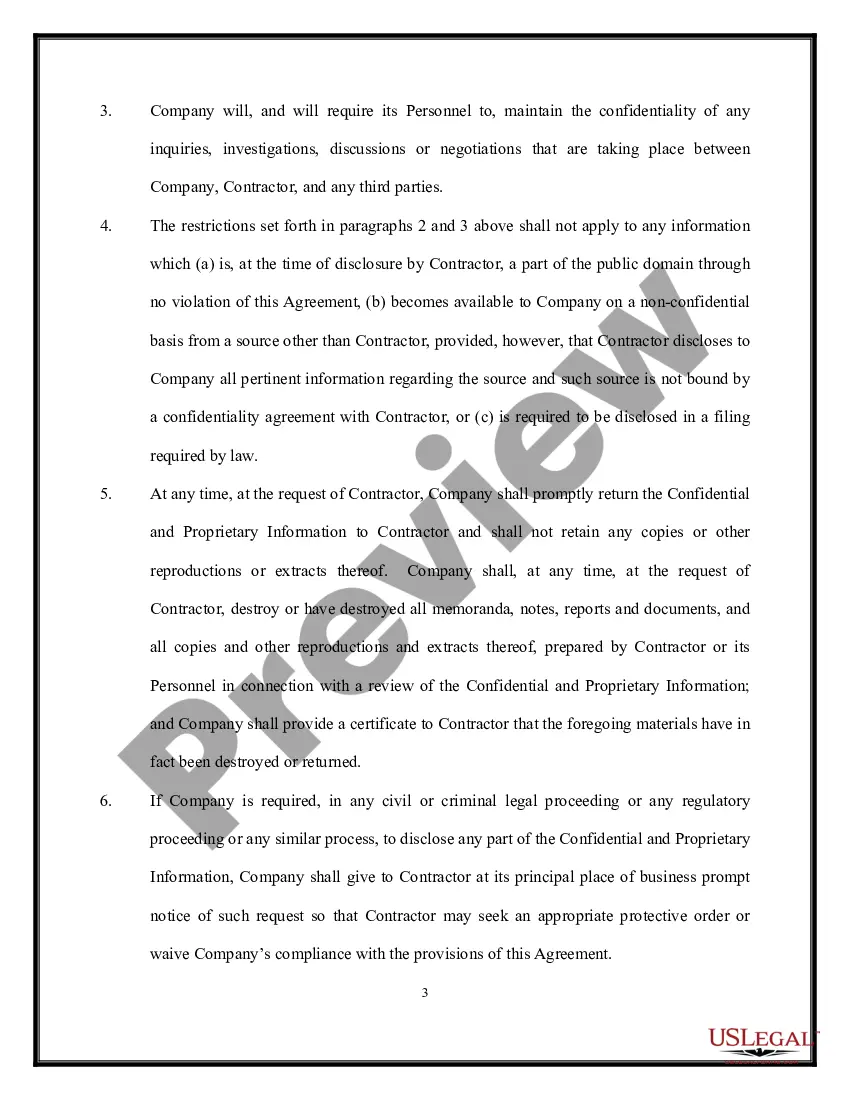
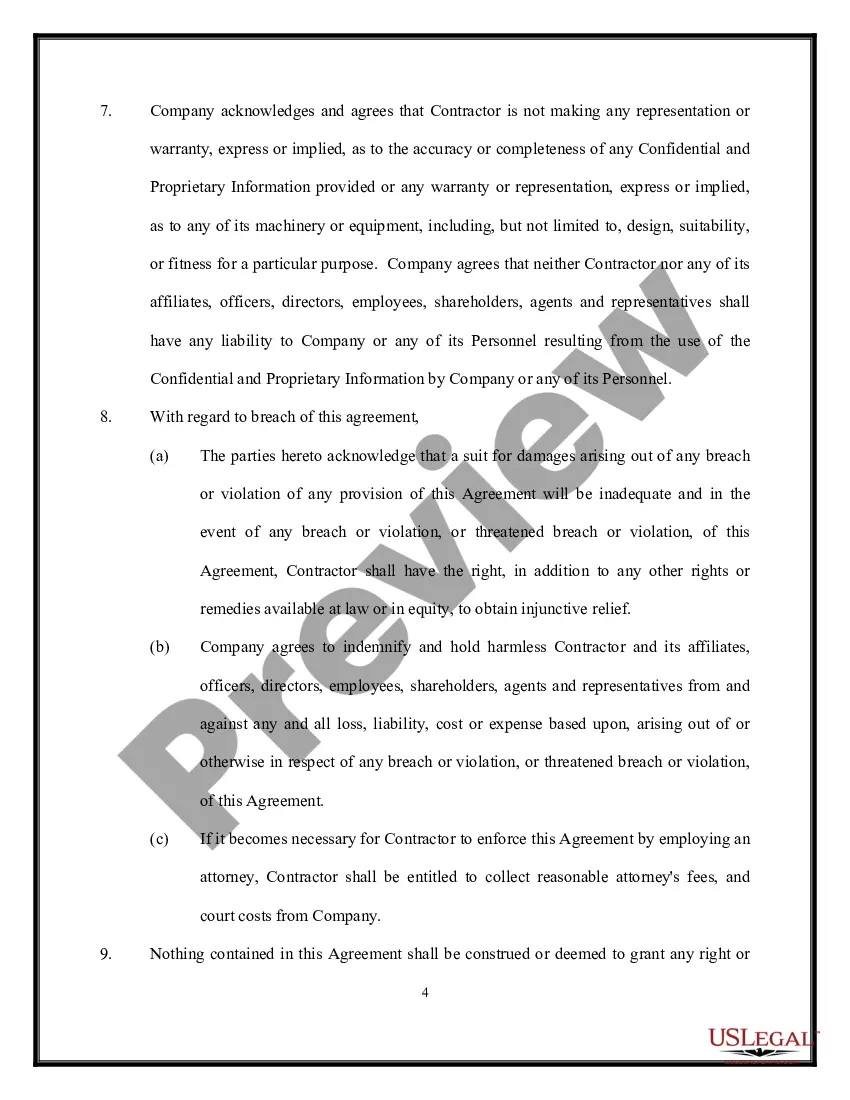
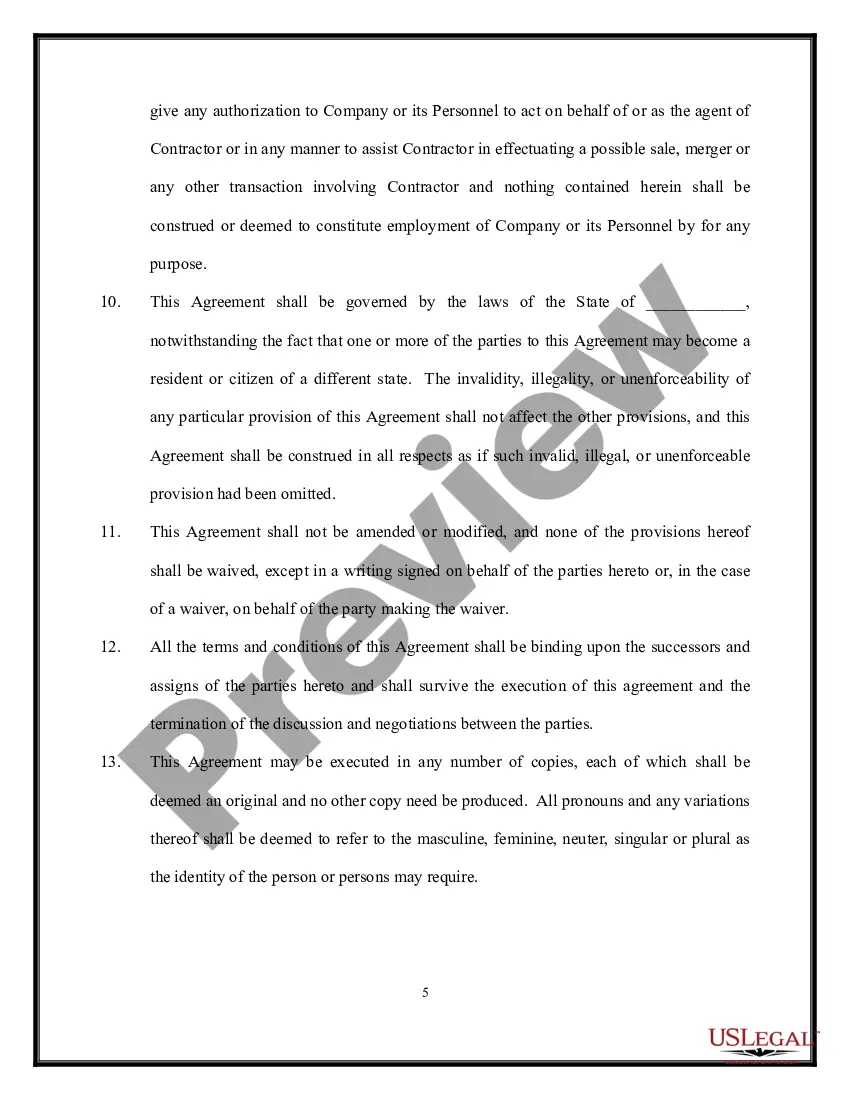

Get your form ready online
Our built-in tools help you complete, sign, share, and store your documents in one place.
Make edits, fill in missing information, and update formatting in US Legal Forms—just like you would in MS Word.
Download a copy, print it, send it by email, or mail it via USPS—whatever works best for your next step.
Sign and collect signatures with our SignNow integration. Send to multiple recipients, set reminders, and more. Go Premium to unlock E-Sign.
If this form requires notarization, complete it online through a secure video call—no need to meet a notary in person or wait for an appointment.
We protect your documents and personal data by following strict security and privacy standards.

Make edits, fill in missing information, and update formatting in US Legal Forms—just like you would in MS Word.

Download a copy, print it, send it by email, or mail it via USPS—whatever works best for your next step.

Sign and collect signatures with our SignNow integration. Send to multiple recipients, set reminders, and more. Go Premium to unlock E-Sign.

If this form requires notarization, complete it online through a secure video call—no need to meet a notary in person or wait for an appointment.

We protect your documents and personal data by following strict security and privacy standards.
Looking for another form?








Form popularity
FAQ
Healthcare accountants are considered business associates (BAs) under HIPAA law. As such HIPAA for accountants in healthcare requires the same level of compliance as any other business associate. A business associate is any entity hired by a covered entity (CE) to perform a service.
Accountants must maintain confidentiality throughout the client relationship, from initial consultation to completion of services. This includes: 1- Initial consultations: Keeping discussions and information shared during initial meetings confidential.
In many cases, clients will regard even the mere fact that they use the professional accountant's services as being confidential. This means that it is important never to disclose even the names of clients, let alone any information relating to their personal or business affairs.
Confidentiality requires an accountant never to disclose a client's information without permission from that client. Because of the fiduciary relationship and confidentiality, a client can feel comfortable sharing sensitive information and facts with the accountant.
In most cases, CPAs do not need to sign an NDA because confidentiality is an established part of their professional responsibilities. However, if a client requests an NDA for added assurance, some CPAs may agree to sign one, although it is not necessary.
AICPA Code of Conduct Section 7216 - "A member in public practice shall not disclose any confidential client information without the specific consent of the client."
A confidentiality agreement should include a clear definition of the confidential information, scope of the agreement, obligations of the receiving party, the duration of the contract, any exceptions to confidentiality, and the consequences of a breach of the contract.
You do not need a lawyer to create and sign a non-disclosure agreement. However, if the information you are trying to protect is important enough to warrant an NDA, you may want to have the document reviewed by someone with legal expertise.
A confidentiality agreement should include the names and addresses of the parties to the contract. Consider also including: Reason for the agreement: Explain why you're sharing this information. The information disclosed: Be specific about the subject matter and what exactly is included in the agreement.
To change your name legally as an adult, you must petition the court for permission to do so. An adult is 18 years or older in age. The petition must be filed in the county where you live. Fingerprints are required for all name changes, except where a previous name is being restored.
