Nondisclosure Confidentiality Contract With Client In Georgia
Description

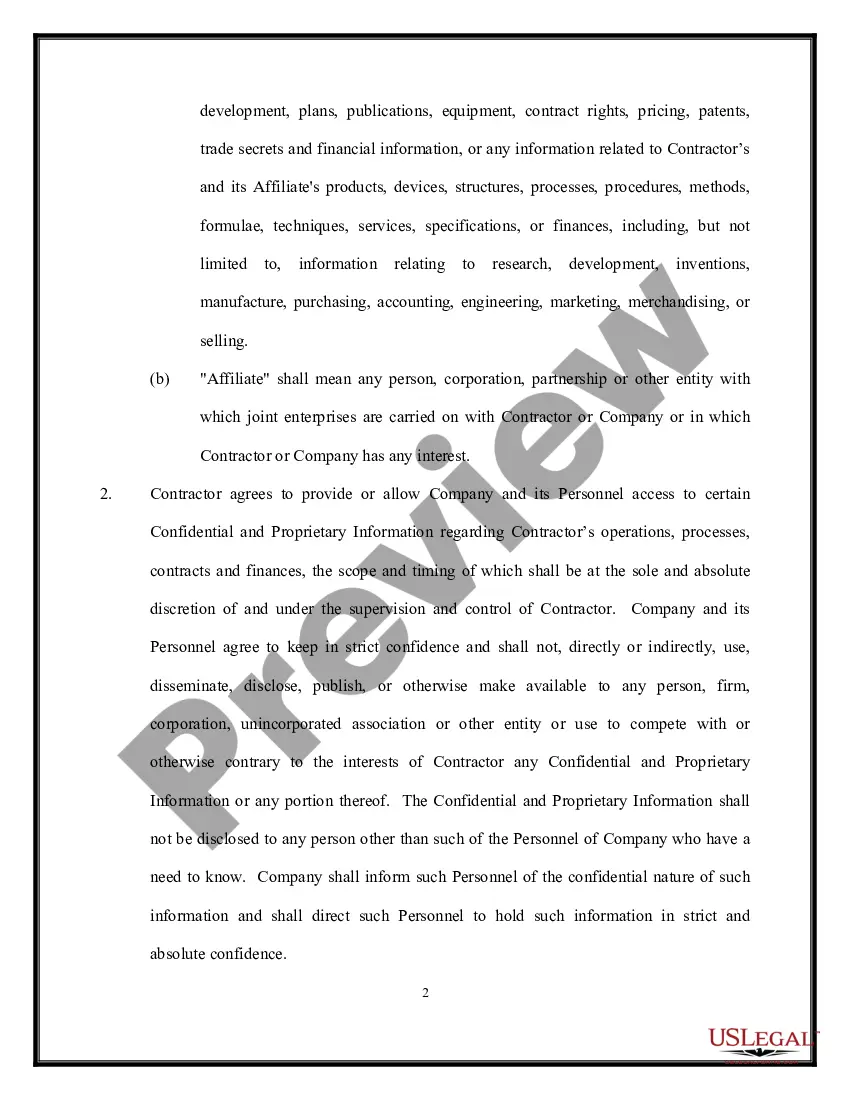
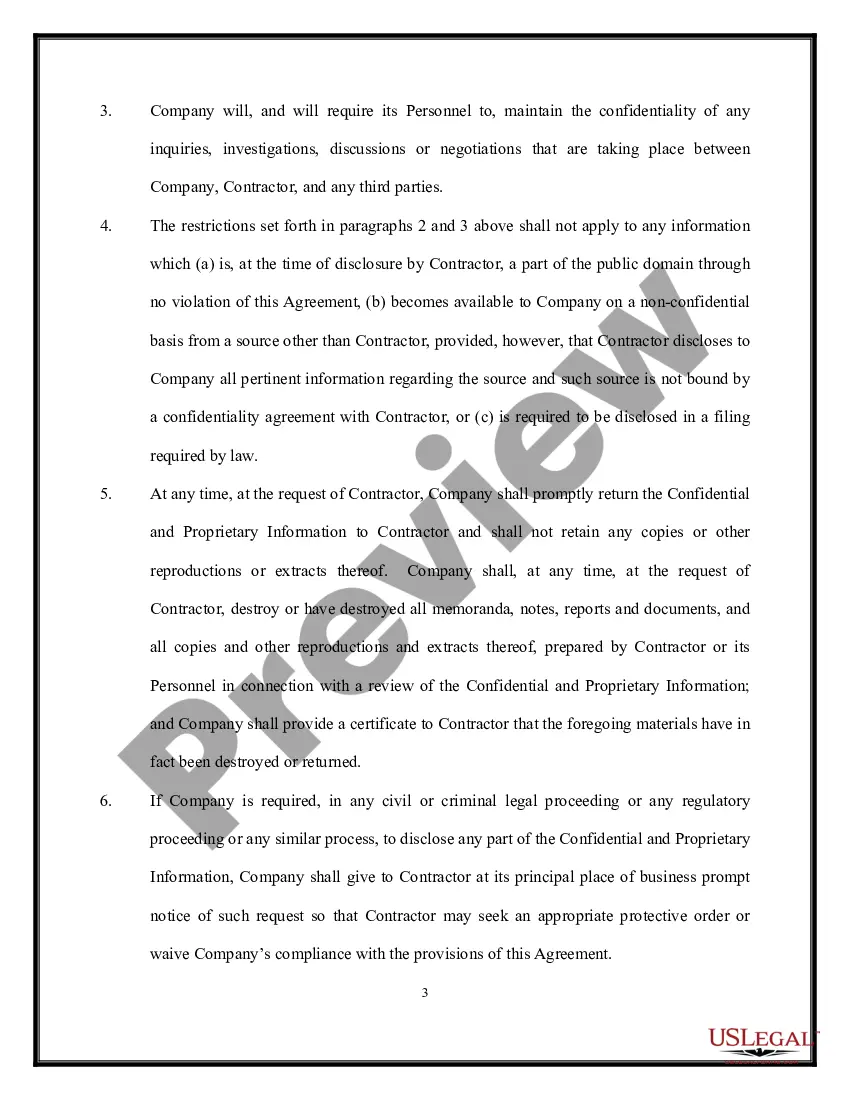
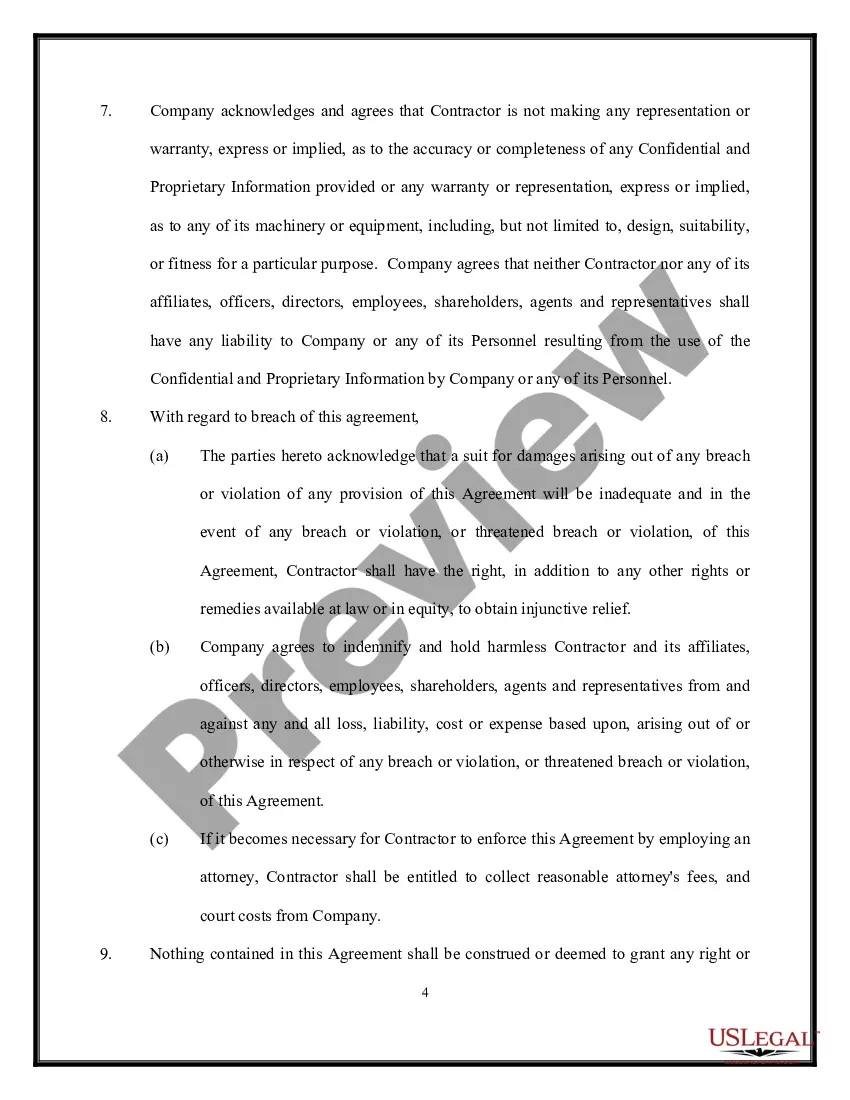
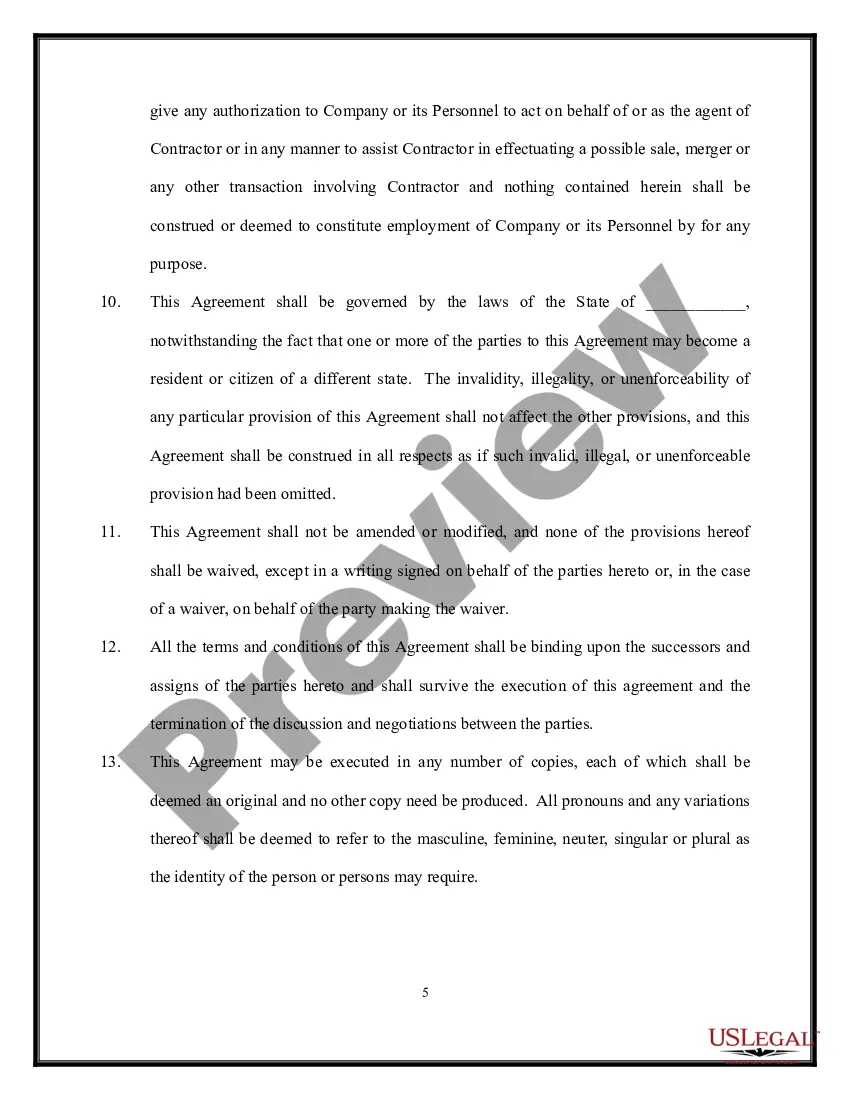
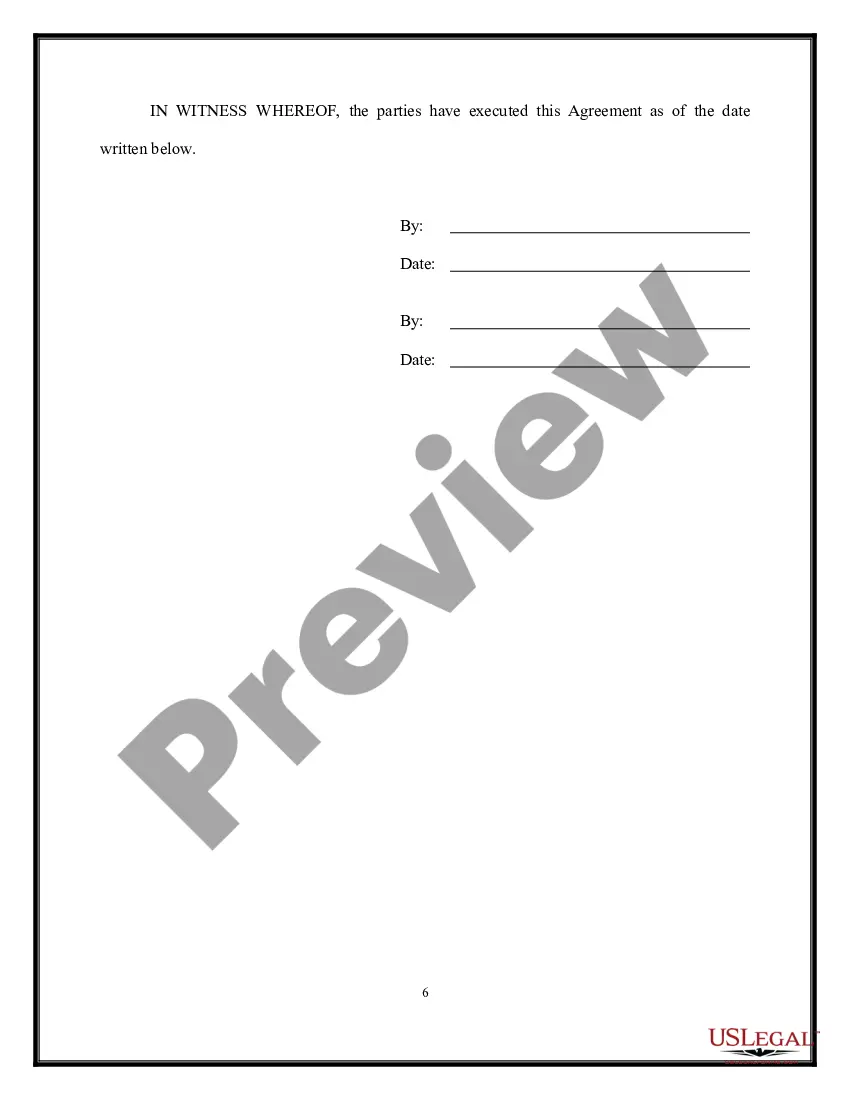
Get your form ready online
Our built-in tools help you complete, sign, share, and store your documents in one place.
Make edits, fill in missing information, and update formatting in US Legal Forms—just like you would in MS Word.
Download a copy, print it, send it by email, or mail it via USPS—whatever works best for your next step.
Sign and collect signatures with our SignNow integration. Send to multiple recipients, set reminders, and more. Go Premium to unlock E-Sign.
If this form requires notarization, complete it online through a secure video call—no need to meet a notary in person or wait for an appointment.
We protect your documents and personal data by following strict security and privacy standards.

Make edits, fill in missing information, and update formatting in US Legal Forms—just like you would in MS Word.

Download a copy, print it, send it by email, or mail it via USPS—whatever works best for your next step.

Sign and collect signatures with our SignNow integration. Send to multiple recipients, set reminders, and more. Go Premium to unlock E-Sign.

If this form requires notarization, complete it online through a secure video call—no need to meet a notary in person or wait for an appointment.

We protect your documents and personal data by following strict security and privacy standards.
Looking for another form?




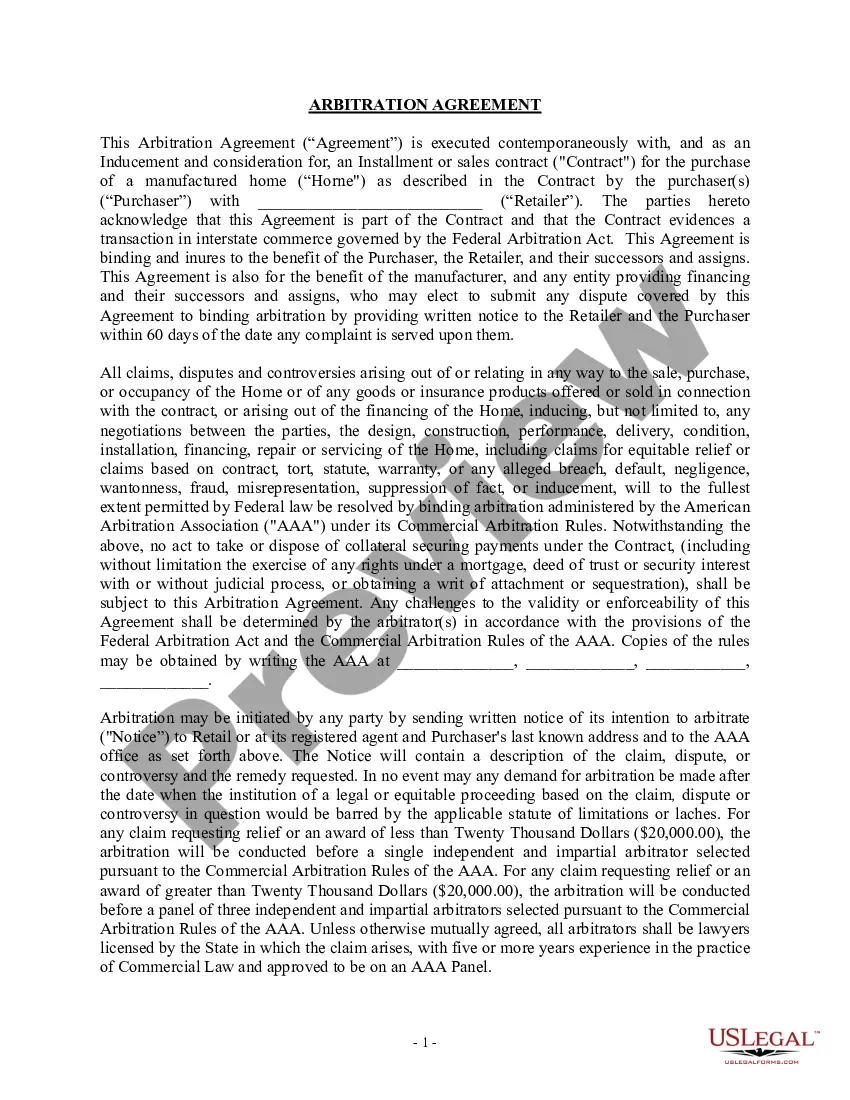
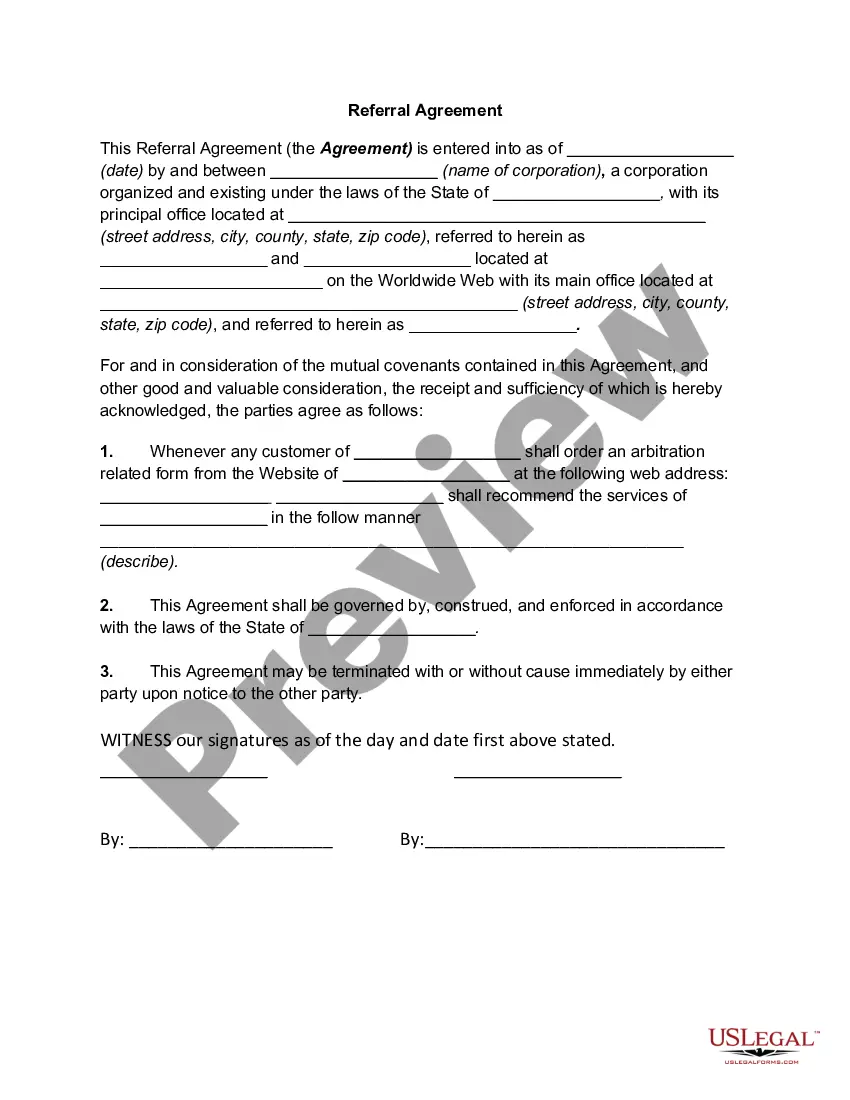


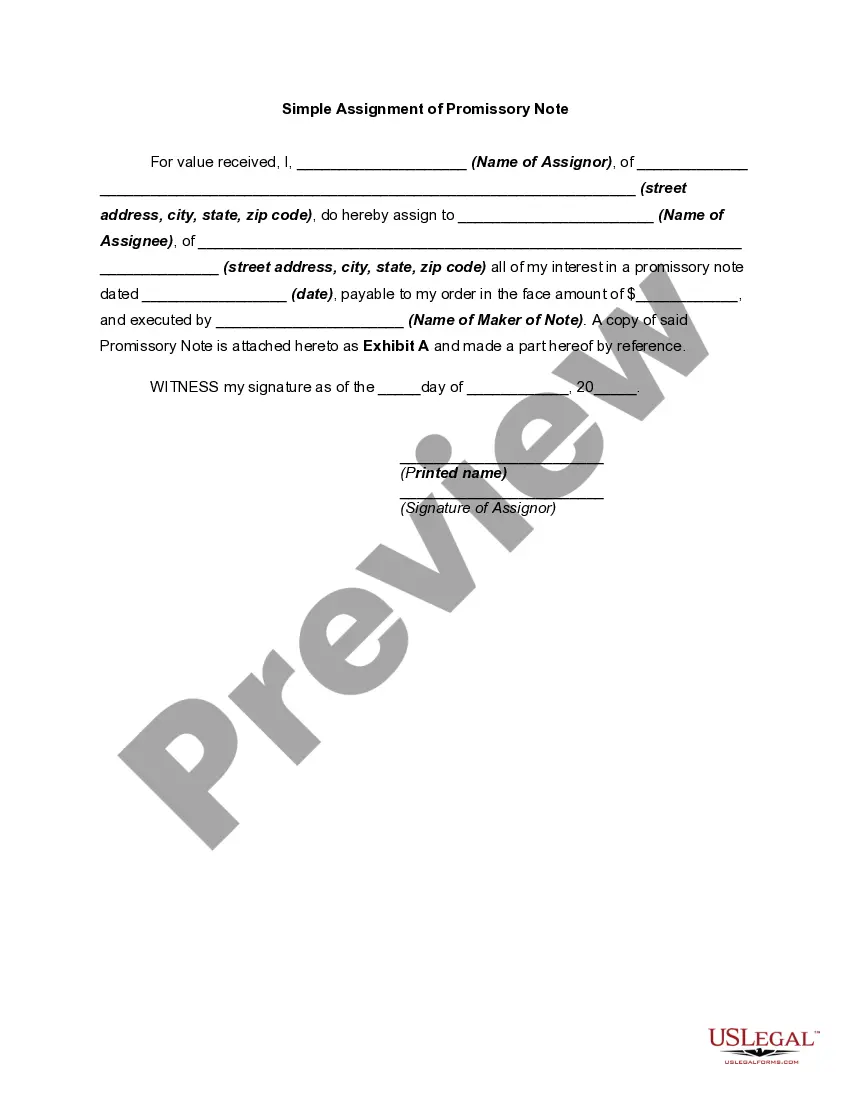
Form popularity
FAQ
Types of NDAs Use a one-way NDA if only you are disclosing information and a mutual NDA if both parties are. If the NDA is one-way only, it may need to be executed as a deed to make it enforceable. This is easy to do, so don't make what should be a one-way agreement into an artificial mutual agreement.
No matter its title, an NDA is a binding contract, commonly used when two or more parties wish to enter into initial discussions about specific confidential processes, methods or technology, to consider a potential, future relationship, and to agree to restrict the usage and additional disclosure of the shared ...
A Confidential Disclosure Agreement (CDA), also referred to as non-disclosure agreement (NDA) or secrecy agreement, is a legal agreement between a minimum of two parties which outlines information the parties wish to share with one another for certain evaluation purposes, but wish to restrict from wider use and ...
Non-Disclosure Agreements (NDAs) as well as Proprietary Information Agreements (PIAs) and Confidentiality Agreements (CAs) are synonymous terms for legal contracts that protect and govern the exchange of confidential or proprietary information.
As such, periods of confidentiality are typically 2-5 years from disclosure of the Confidential Information. Consequences of a breach. The NDA should spell out the consequences of a party's breach of the NDA. These can include the damages or other compensation for the breach.
To enforce an NDA, you typically have to file legal action against the person for breach of contract if you believe they disclosed information they shouldn't have. Employers can also ensure that breaching an NDA is a fireable offense in their employment contracts and handbooks.
To create a Non-Disclosure Agreement, include the following information: The parties' names and contact information. The length of the non-disclosure period. The scope and definition of the confidential information. The obligations of the Non-Disclosure Agreement. The ownership and return information.
This email may contain confidential information. If you are not the person to whom this message is addressed, be aware that any use, reproduction, or distribution of this message is strictly prohibited. If you received this in error, please contact the sender and immediately delete this email and any attachments.
Completing the Confidentiality Agreement The "Receiving Party" is the person or company who receives the confidential information and is obligated to keep it secret. You'll need to fill in information specific to your circumstances in the spaces provided, such as the parties' names and addresses.
I agree that: a) I shall not share this information, material or documents (information) with persons within or outside of the ________ who are not authorized to have this information. b) I shall not publish such information. c) I shall not communicate such information without authority.
