Confidentiality Form For Employees In Fulton
Description

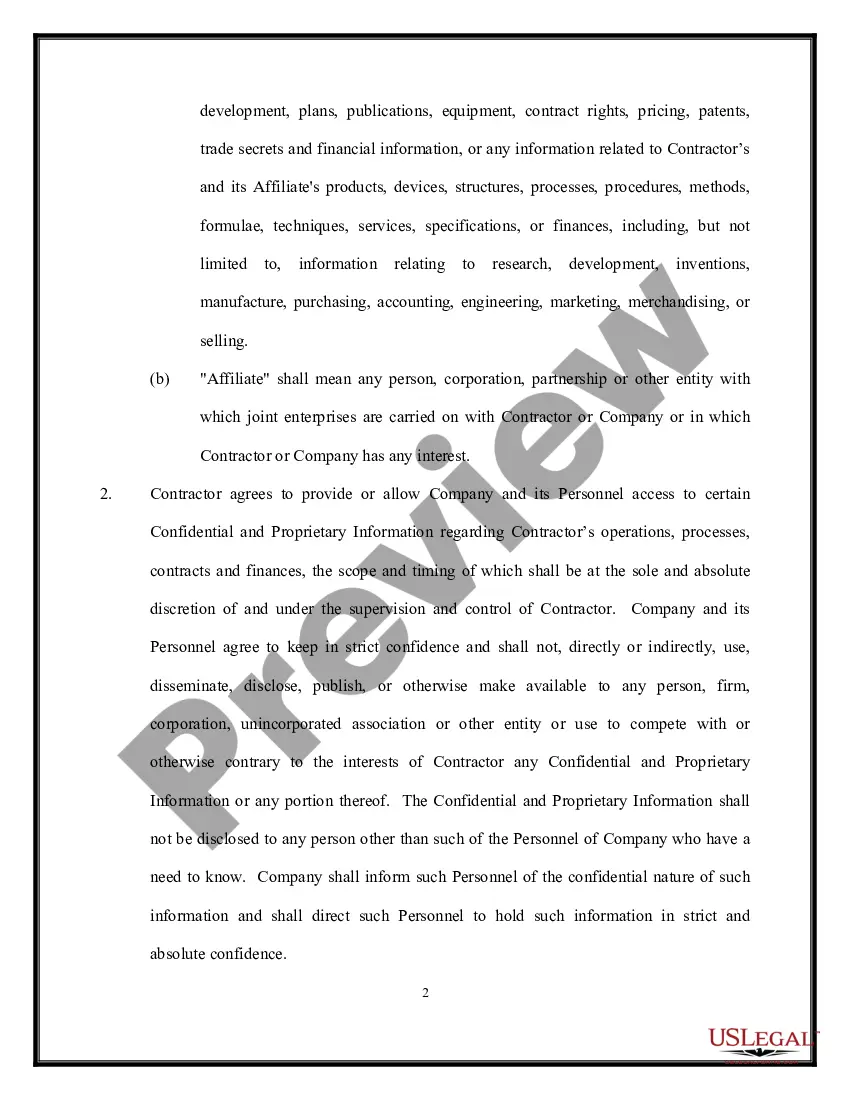
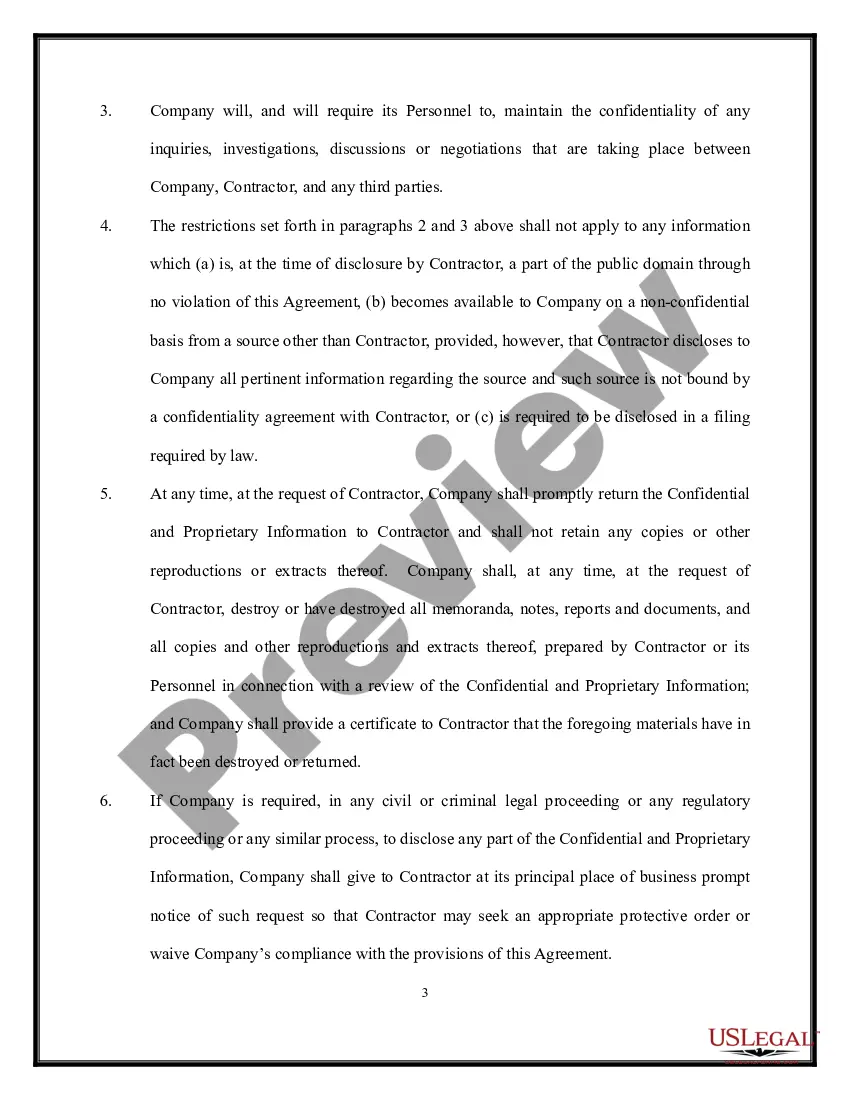
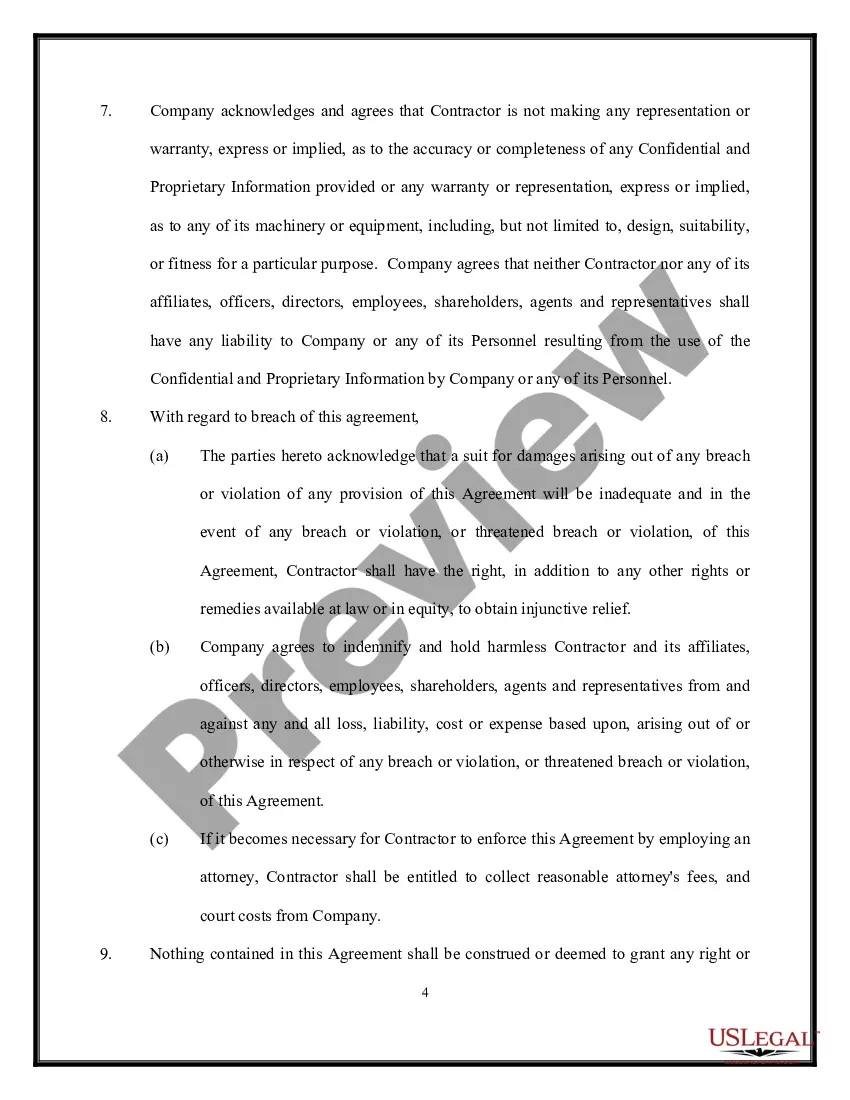
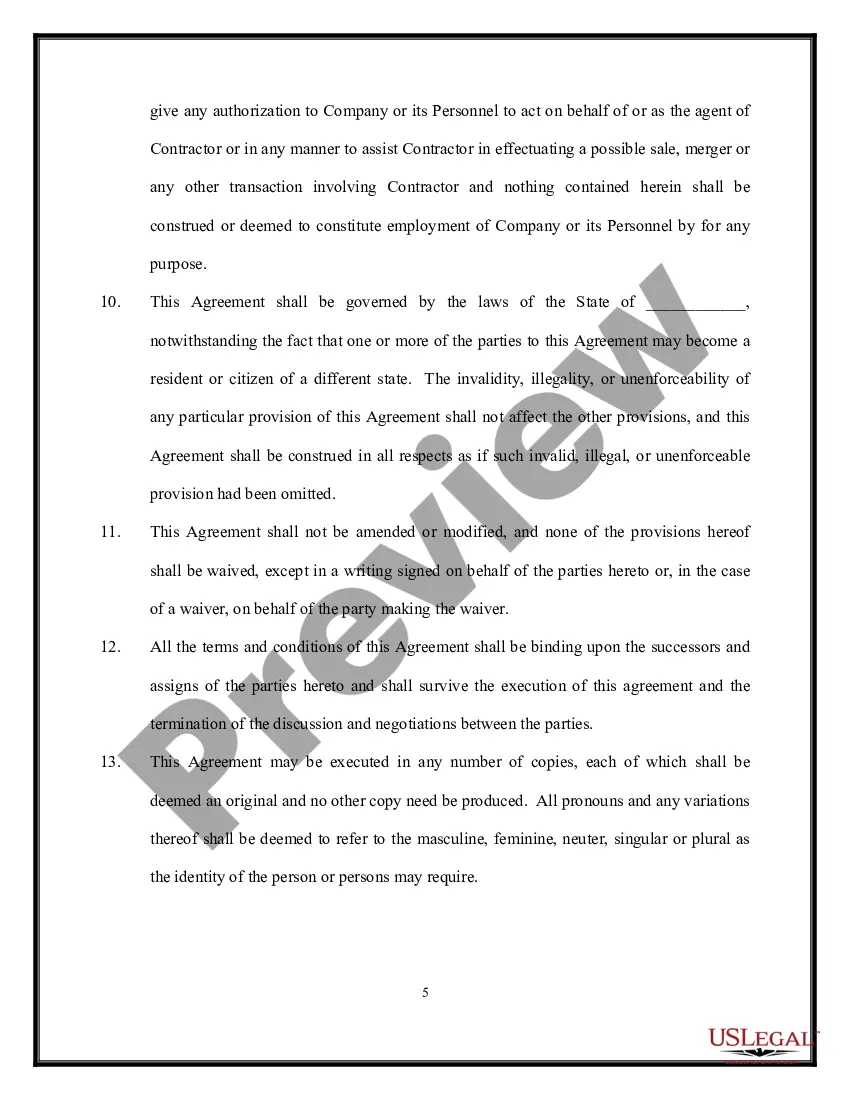
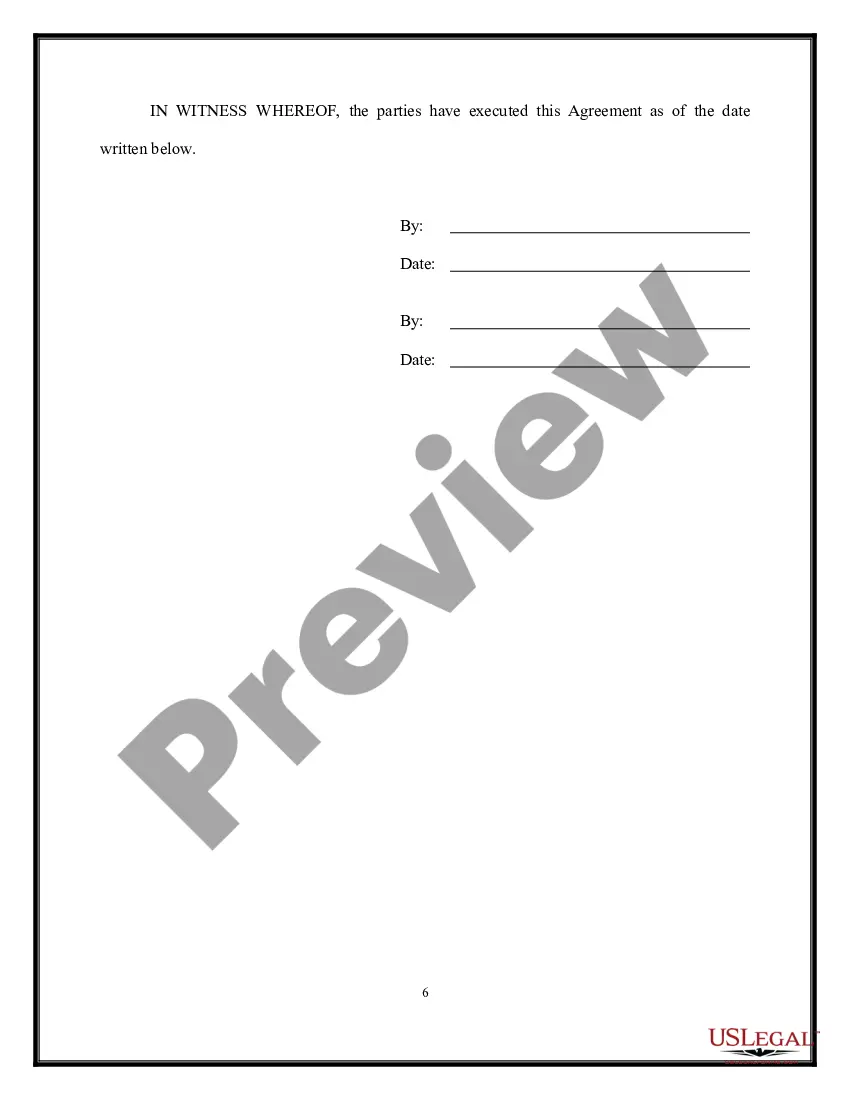
Get your form ready online
Our built-in tools help you complete, sign, share, and store your documents in one place.
Make edits, fill in missing information, and update formatting in US Legal Forms—just like you would in MS Word.
Download a copy, print it, send it by email, or mail it via USPS—whatever works best for your next step.
Sign and collect signatures with our SignNow integration. Send to multiple recipients, set reminders, and more. Go Premium to unlock E-Sign.
If this form requires notarization, complete it online through a secure video call—no need to meet a notary in person or wait for an appointment.
We protect your documents and personal data by following strict security and privacy standards.

Make edits, fill in missing information, and update formatting in US Legal Forms—just like you would in MS Word.

Download a copy, print it, send it by email, or mail it via USPS—whatever works best for your next step.

Sign and collect signatures with our SignNow integration. Send to multiple recipients, set reminders, and more. Go Premium to unlock E-Sign.

If this form requires notarization, complete it online through a secure video call—no need to meet a notary in person or wait for an appointment.

We protect your documents and personal data by following strict security and privacy standards.
Looking for another form?








Form popularity
FAQ
These should include, for example: Ensuring that confidential information is always locked away at night, and not left unattended during the day; Password-protecting sensitive computer files; Marking confidential information clearly as such, and ensuring that paper copies are shredded before disposal; and.
A confidentiality agreement should include the names and addresses of the parties to the contract. Consider also including: Reason for the agreement: Explain why you're sharing this information. The information disclosed: Be specific about the subject matter and what exactly is included in the agreement.
This information is only for the use of the individual or entity to which it was intended. If you are not the intended recipient, any disclosure, copying, distribution, or action taken in reliance on the contents of the information contained in this message and any accompanying documents is strictly prohibited.
The following information is confidential: Social Security number. Name. Personal financial information. Family information. Medical information. Credit card numbers, bank account numbers, amount / what donated. Telephone / fax numbers, e-mail, URLs.
Writing an effective confidentiality clause involves several key elements: Define the confidential information: Clearly specify what information is considered confidential and what is excluded. Obligations of the parties: Outline the responsibilities of each party in maintaining confidentiality.
As a member of the site personnel, contractor, or subcontractor staff of the _______________project, I, _____________________________, agree that I will protect the confidentiality of all information identifiable to a private person that is collected in the conduct of my work for the __________________ project.
The contents, terms, and conditions of this Agreement must be kept confidential by Employee.Name and may only be disclosed to their accountant or attorneys or pursuant to subpoena or court order. Any breach of this confidentiality provision shall be deemed a material breach of this Agreement.
A confidentiality clause within a business contract can keep confidential information safe by limiting what an employee, contractor, or business partner can say or do with your confidential business information.
Legal confidentiality. Medical confidentiality. Clinical and counseling psychology. Commercial confidentiality. Banking confidentiality. Public policy concerns. See also. References.
Data Classification in Government organizations commonly includes five levels: Top Secret, Secret, Confidential, Sensitive, and Unclassified. These can be adopted by commercial organizations, but, most often, we find four levels, Restricted, Confidential, Internal, Public.
