Confidentiality Form For Counseling In Collin
Description

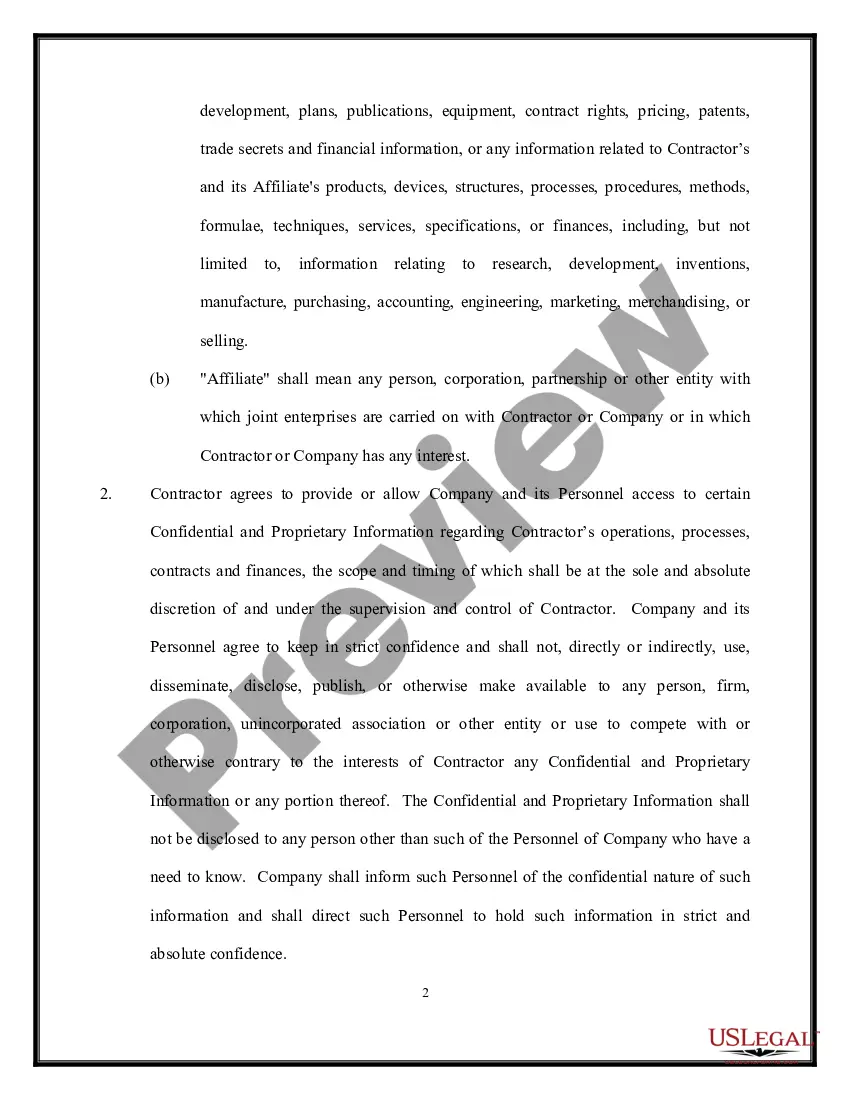
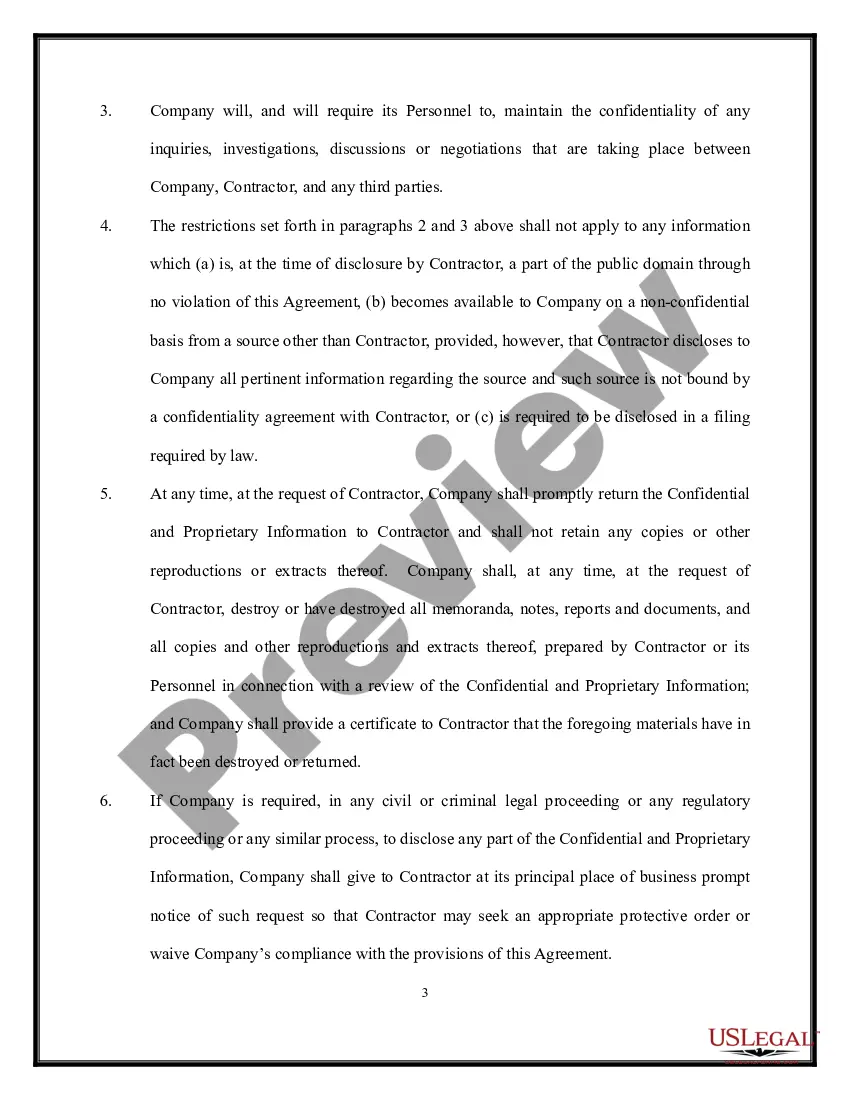
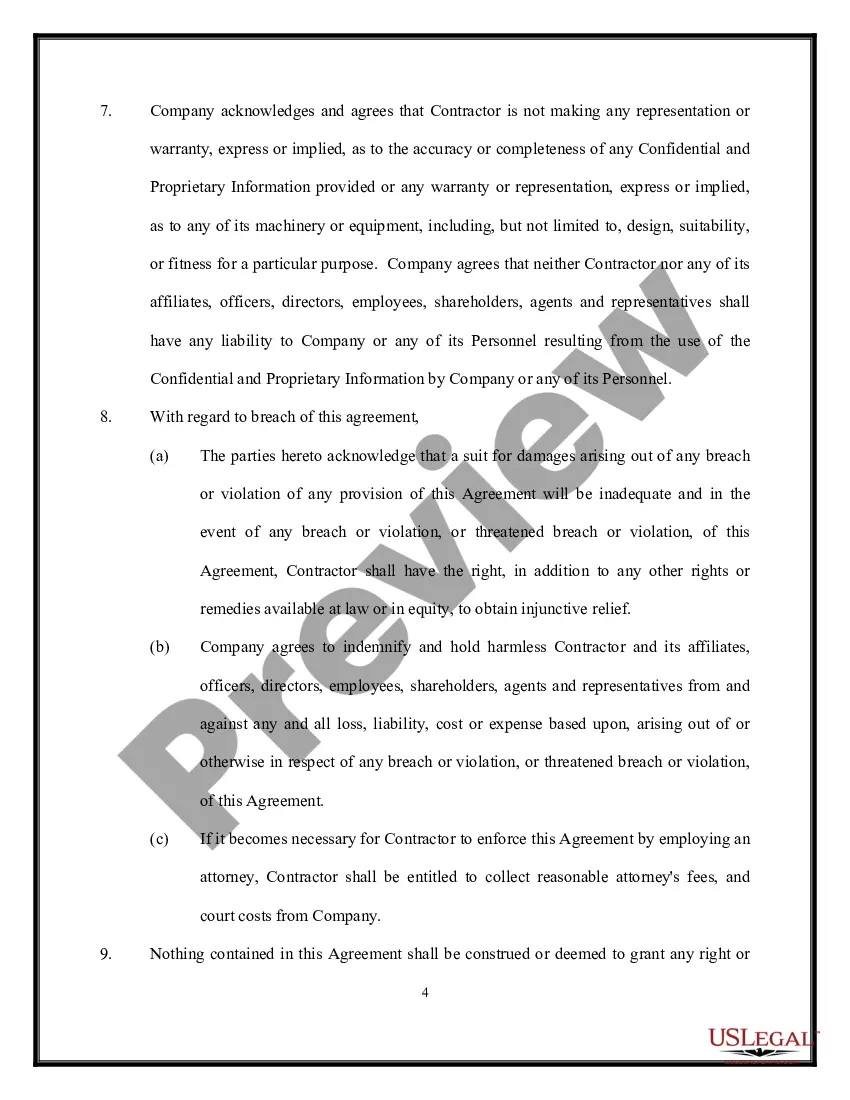
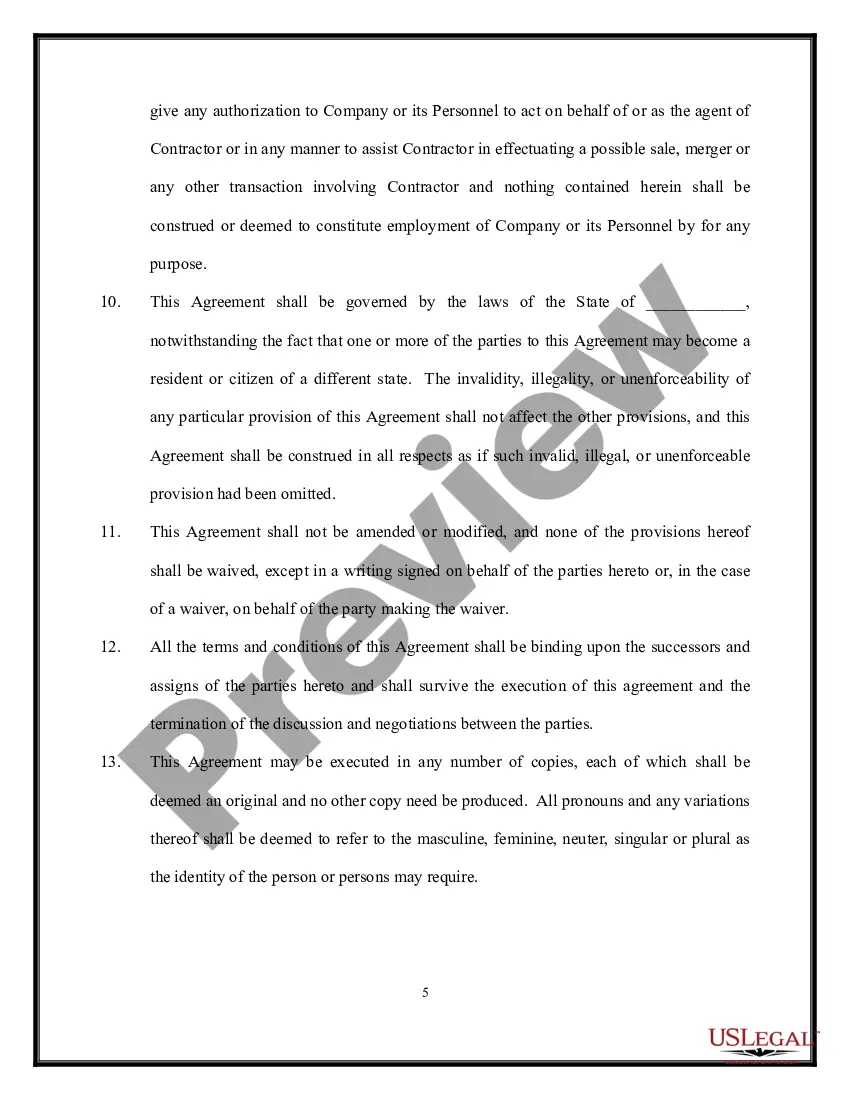

Get your form ready online
Our built-in tools help you complete, sign, share, and store your documents in one place.
Make edits, fill in missing information, and update formatting in US Legal Forms—just like you would in MS Word.
Download a copy, print it, send it by email, or mail it via USPS—whatever works best for your next step.
Sign and collect signatures with our SignNow integration. Send to multiple recipients, set reminders, and more. Go Premium to unlock E-Sign.
If this form requires notarization, complete it online through a secure video call—no need to meet a notary in person or wait for an appointment.
We protect your documents and personal data by following strict security and privacy standards.

Make edits, fill in missing information, and update formatting in US Legal Forms—just like you would in MS Word.

Download a copy, print it, send it by email, or mail it via USPS—whatever works best for your next step.

Sign and collect signatures with our SignNow integration. Send to multiple recipients, set reminders, and more. Go Premium to unlock E-Sign.

If this form requires notarization, complete it online through a secure video call—no need to meet a notary in person or wait for an appointment.

We protect your documents and personal data by following strict security and privacy standards.
Looking for another form?









Form popularity
FAQ
A confidentiality agreement should include a clear definition of the confidential information, scope of the agreement, obligations of the receiving party, the duration of the contract, any exceptions to confidentiality, and the consequences of a breach of the contract.
Which Situations Obligate Therapists To Break Confidentiality? Detailed planning of future suicide attempts. Other concrete signs of suicidal intent. Planned violence towards others. Planned future child abuse. Formerly committed child abuse. Experiencing child abuse. Expecting to experience future child abuse.
I will maintain in strict confidence all information obtained as a result of my assignment here with regards to patients, residents, visitors and staff. I understand and acknowledge that in the event I breach confidentiality, I am legally liable.
Confidentiality clause Party A and Party B shall not disclose any information or materials provided by the other party to a third party for any reason, form or purpose without the permission of the other party, otherwise Party B shall bear the corresponding legal responsibility and compensate for the losses.
A contract should outline all the limits of confidentiality in counselling and additionally should provide clarity about the way client notes are produced and stored, including the length of time they will be kept, and any circumstances in which they would be disclosed.
I cannot and will not tell anyone else what you have told me, or even that you are in therapy with me without your prior permission. You can authorize me to share information with whomever you choose, and you may change your mind and revoke that permission at anytime.
What are examples of Confidential Information? Examples of confidential information include a person's phone number and address, medical records, and social security. Companies also have confidential information such as financial records, trade secrets, customer information, and marketing strategies.
I cannot and will not tell anyone else what you have told me, or even that you are in therapy with me without your prior permission. You can authorize me to share information with whomever you choose, and you may change your mind and revoke that permission at anytime.
Confidentiality Sharing in group can be anxiety-provoking; therefore, we ask that you keep all information discussed in this group confidential. This agreement means that you may not discuss any information shared or the reactions of any member of this group with anyone outside of the group.
The entire informed consent process involves giving a subject adequate information concerning the study, providing adequate opportunity for the subject to consider all options, responding to the subject's questions, ensuring that the subject has comprehended this information, obtaining the subject's voluntary agreement ...
