Non Disclosure Agreement For Resigned Employee In Arizona
Description

Get your form ready online
Our built-in tools help you complete, sign, share, and store your documents in one place.
Make edits, fill in missing information, and update formatting in US Legal Forms—just like you would in MS Word.
Download a copy, print it, send it by email, or mail it via USPS—whatever works best for your next step.
Sign and collect signatures with our SignNow integration. Send to multiple recipients, set reminders, and more. Go Premium to unlock E-Sign.
If this form requires notarization, complete it online through a secure video call—no need to meet a notary in person or wait for an appointment.
We protect your documents and personal data by following strict security and privacy standards.

Make edits, fill in missing information, and update formatting in US Legal Forms—just like you would in MS Word.

Download a copy, print it, send it by email, or mail it via USPS—whatever works best for your next step.

Sign and collect signatures with our SignNow integration. Send to multiple recipients, set reminders, and more. Go Premium to unlock E-Sign.

If this form requires notarization, complete it online through a secure video call—no need to meet a notary in person or wait for an appointment.

We protect your documents and personal data by following strict security and privacy standards.
Looking for another form?






Form popularity
FAQ
Yes, the law in Arizona allows for NDAs and non-compete agreements and will enforce them if they adhere to state law. These contracts must comply with the following requirements: They must specifically protect a legitimate business interest, such as intellectual property or trade secrets.
Most contracts detail under what circumstances and for what reasons any party can terminate the agreement. Therefore, the termination rights will vary widely between instances. If a contract does not have a termination clause, the involved parties may then defer to common law to find grounds for termination.
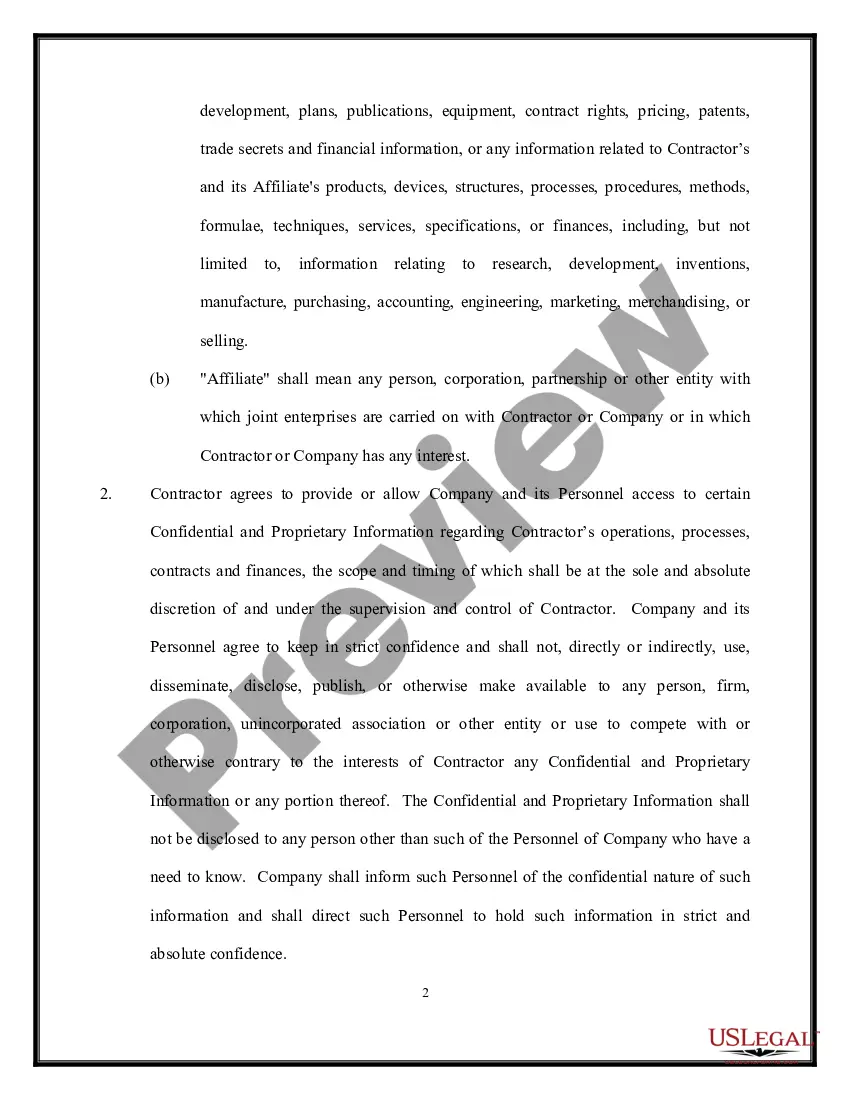
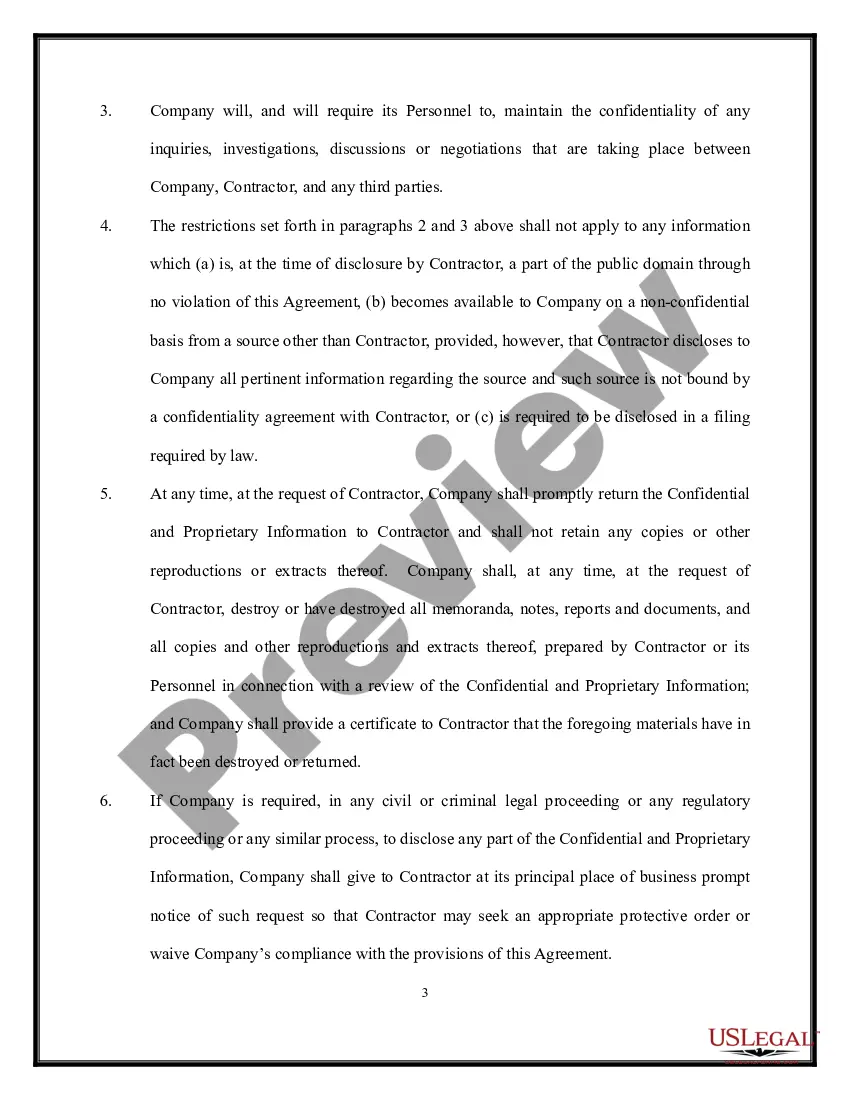
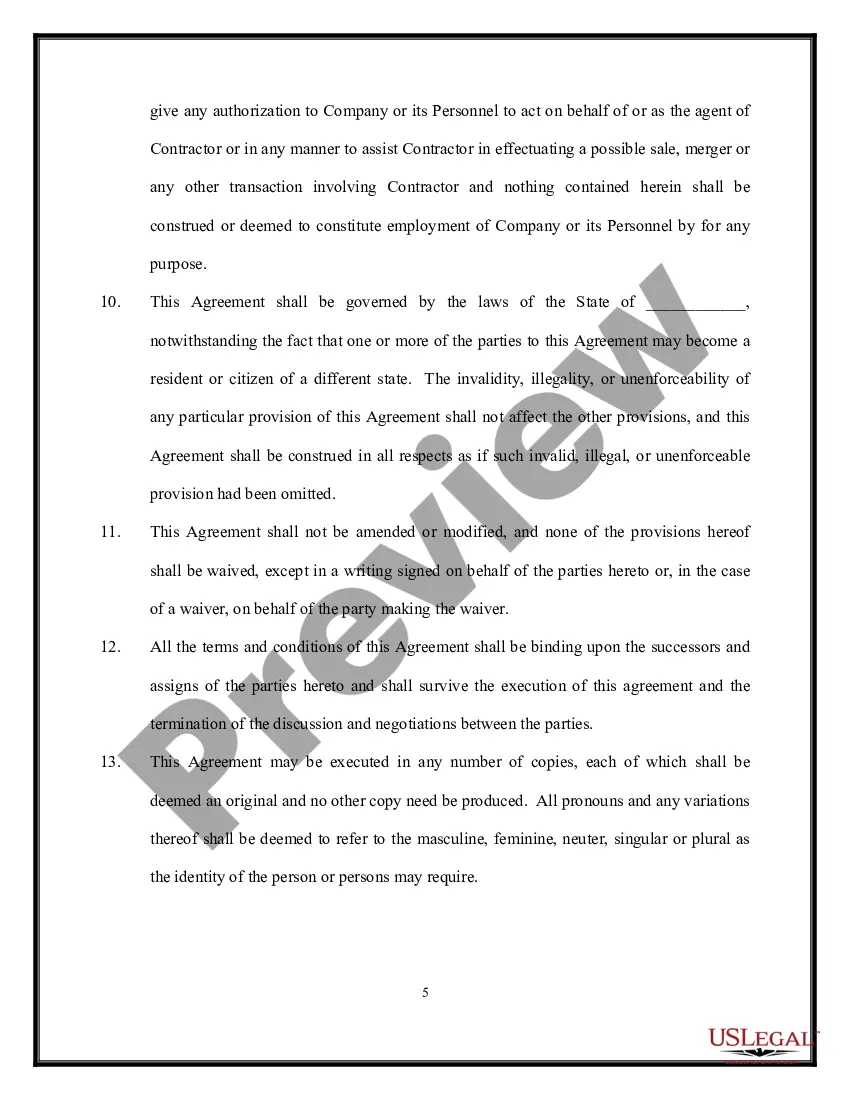
Employee inclusive of his/her direct beneficiaries in business, interest and title in recognition of the transfer of Confidential and Proprietary Information to Company Name hereby agrees not to directly or indirectly compete with the business of Company name and its successors and assigns during the term of the ...
Confidentiality agreements can run indefinitely, covering the parties' disclosures of confidential information at any time, or can terminate on a certain date or event. Whether or not the overall agreement has a definite term, the parties' nondisclosure obligations can be stated to survive for a set period.
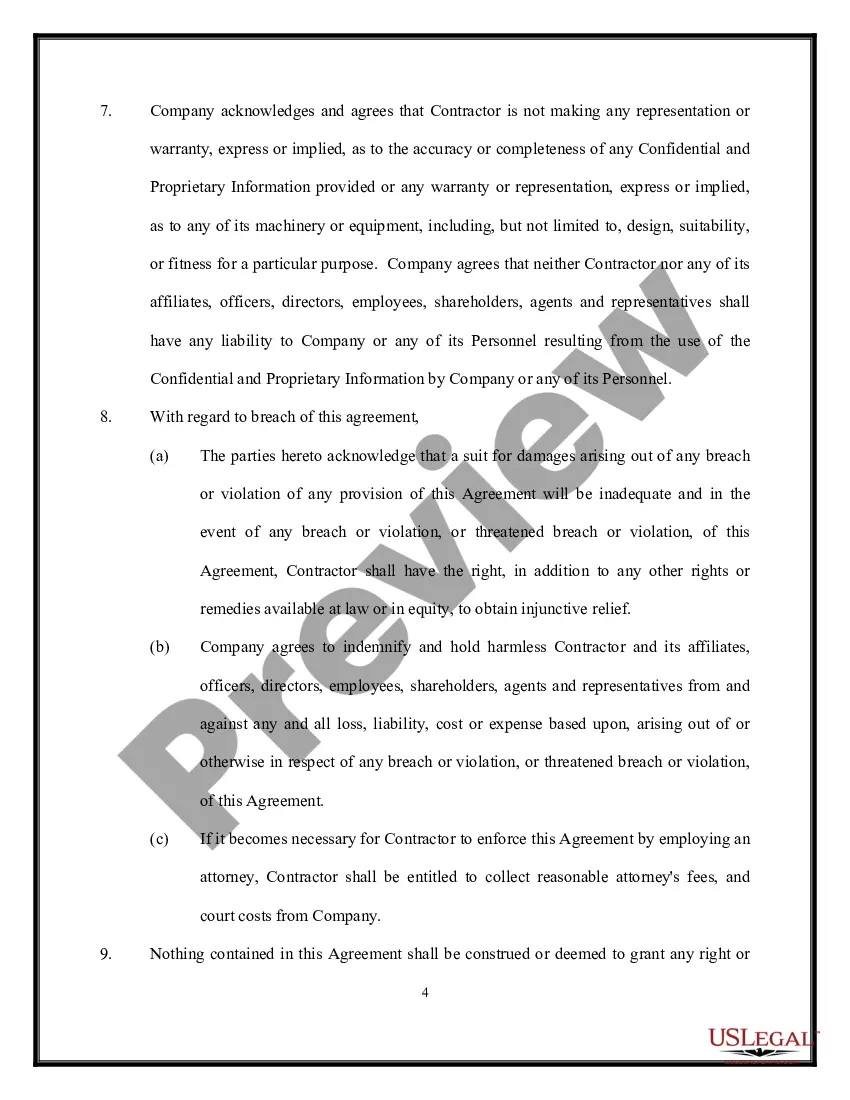
Clauses pertaining to legal remedies and consequences for breach, such as termination, injunctions and indemnification, should be included in the NDA. The injunctive relief seeks to restrain the defaulting party from continuing any acts or omissions that may continue to cause loss or damage to the aggrieved party.
A termination clause in your NDA should specify how and when a party can terminate the contract early. In some cases, the NDA may not allow for early termination. Even if parties terminate early, there will still be continuing obligations as mentioned above.
In addition to the right to terminate for cause, the parties to an NDA need the ability to terminate the NDA for their convenience. Basically, either party should be able to cease discussion and terminate the NDA, if and when they choose to do so.
Non-Disclosure Agreement for Employee Leaving Confidentiality agreements sometimes specify the length of time a worker cannot work for a competitor after leaving his or her workplace. Through this, the former employee cannot use the knowledge received from the previous company to benefit a new employer or earn profits.
