Nondisclosure Agreement For In Allegheny
Description

Get your form ready online
Our built-in tools help you complete, sign, share, and store your documents in one place.
Make edits, fill in missing information, and update formatting in US Legal Forms—just like you would in MS Word.
Download a copy, print it, send it by email, or mail it via USPS—whatever works best for your next step.
Sign and collect signatures with our SignNow integration. Send to multiple recipients, set reminders, and more. Go Premium to unlock E-Sign.
If this form requires notarization, complete it online through a secure video call—no need to meet a notary in person or wait for an appointment.
We protect your documents and personal data by following strict security and privacy standards.

Make edits, fill in missing information, and update formatting in US Legal Forms—just like you would in MS Word.

Download a copy, print it, send it by email, or mail it via USPS—whatever works best for your next step.

Sign and collect signatures with our SignNow integration. Send to multiple recipients, set reminders, and more. Go Premium to unlock E-Sign.

If this form requires notarization, complete it online through a secure video call—no need to meet a notary in person or wait for an appointment.

We protect your documents and personal data by following strict security and privacy standards.
Looking for another form?



Form popularity
FAQ
What is a Civil Case? Civil cases include every type of legal action except criminal actions, including personal injuries, contract disputes, adoptions, divorces and faulty consumer goods.
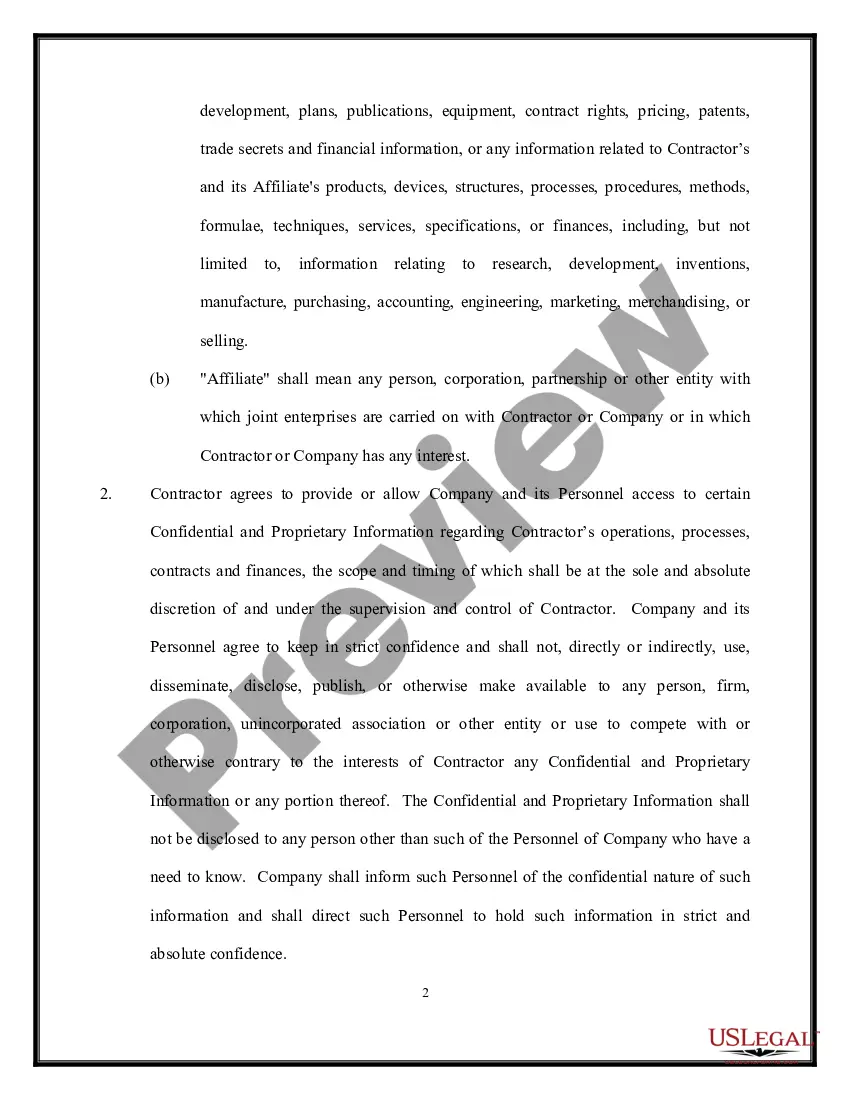
Pursuant to the Case Records Public Access Policy of the Unified Judicial System of Pennsylvania, the Confidential. Information Form shall accompany a filing where confidential information is required by law, ordered by the court, or. otherwise necessary to effect the disposition of a matter.
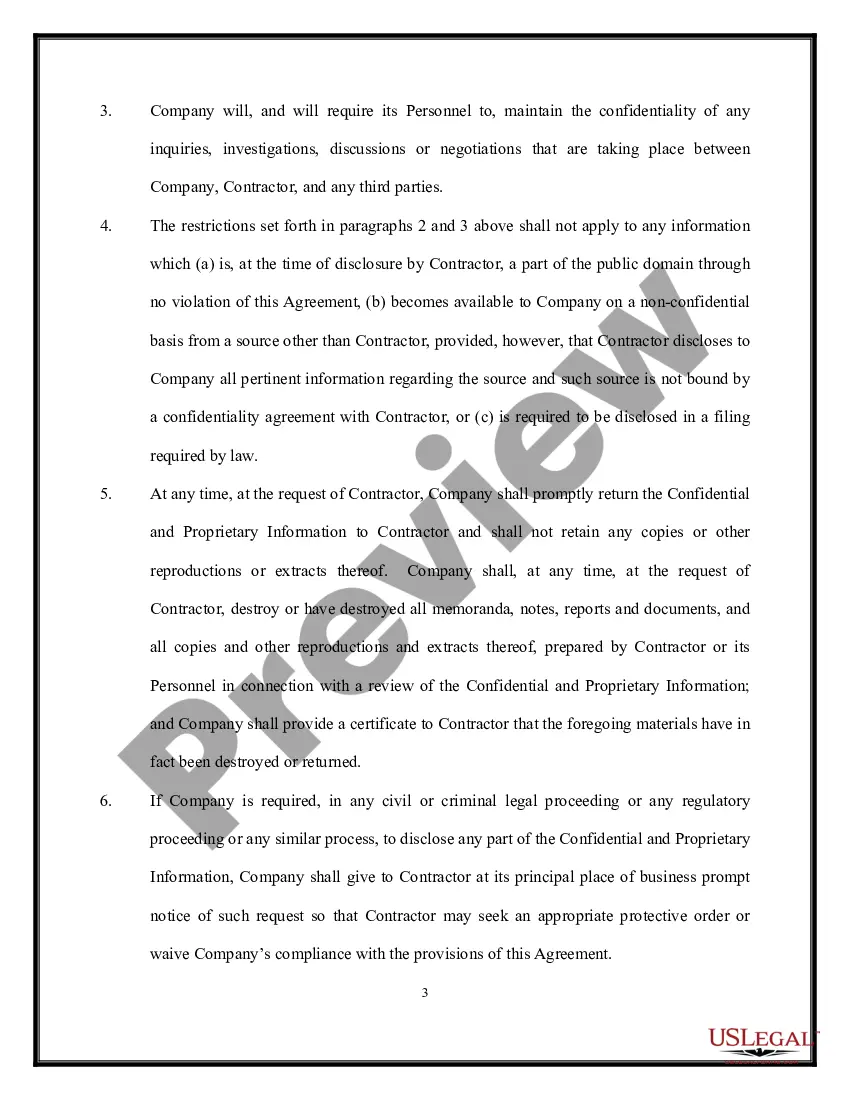
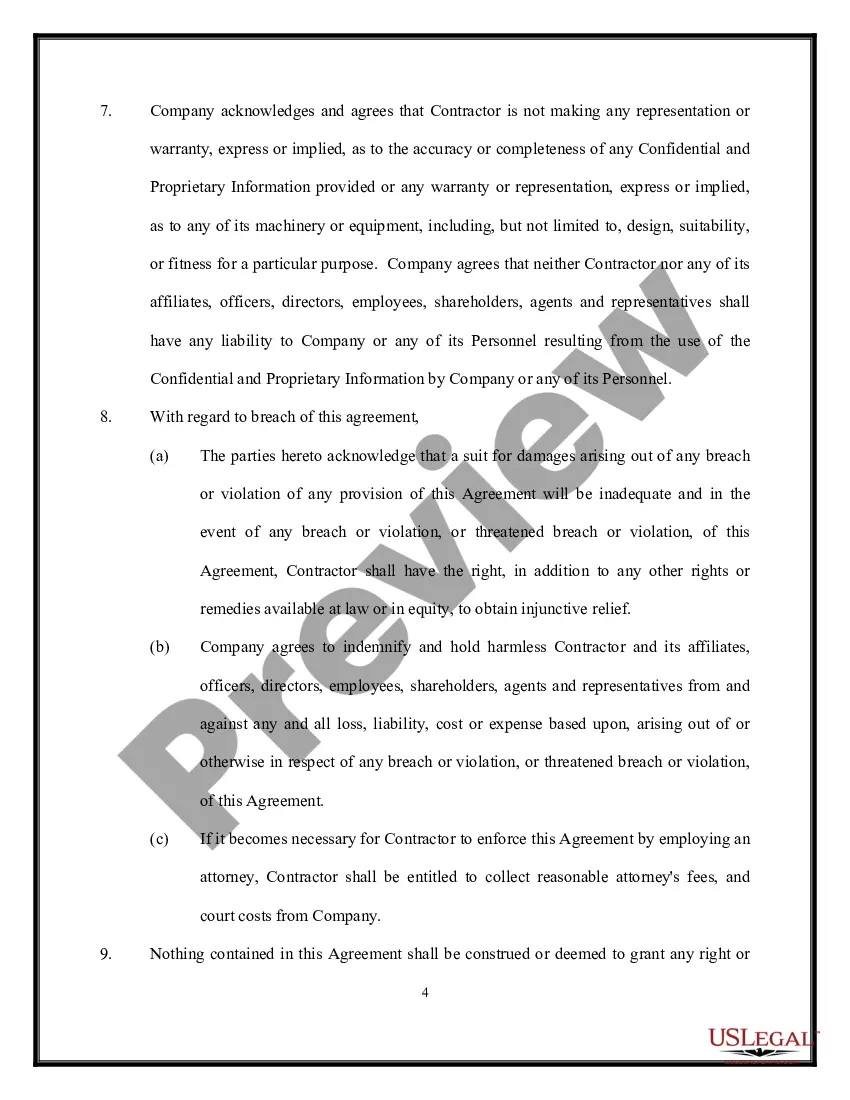
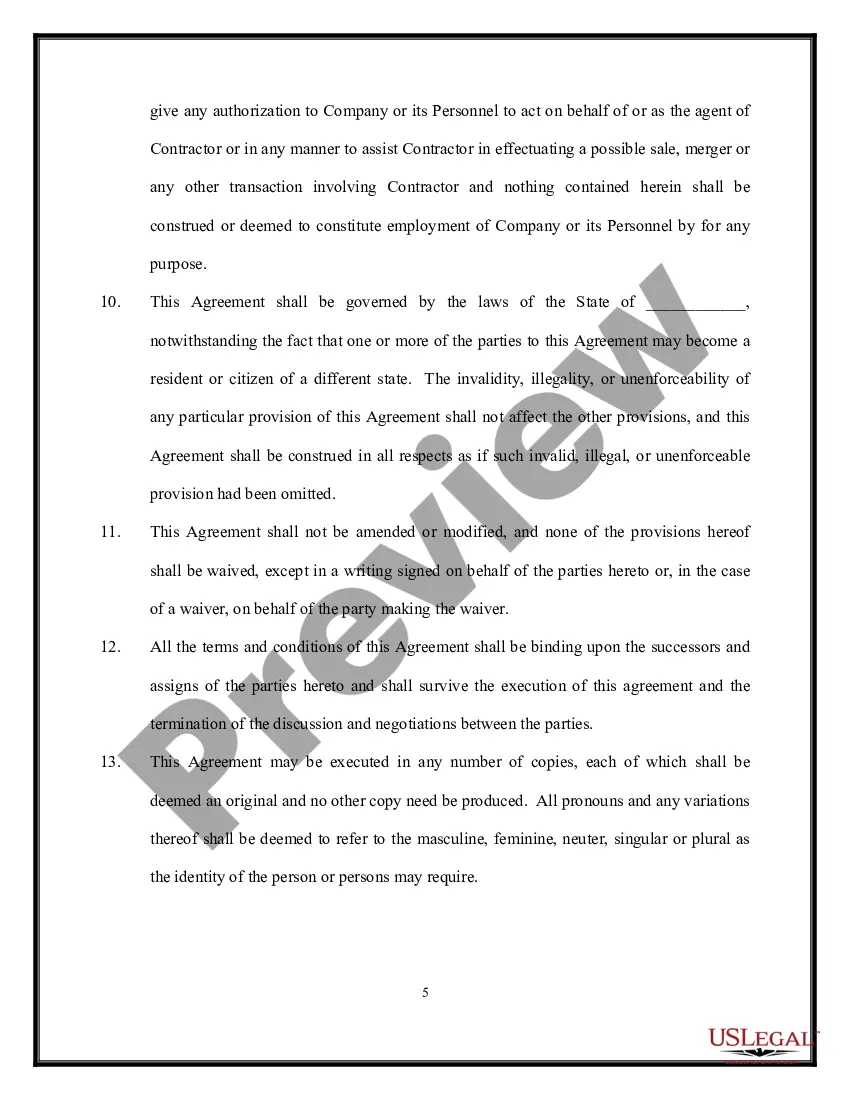
To create a Non-Disclosure Agreement, include the following information: The parties' names and contact information. The length of the non-disclosure period. The scope and definition of the confidential information. The obligations of the Non-Disclosure Agreement. The ownership and return information.
Rule 1028 - Preliminary Objections (a) Preliminary objections may be filed by any party to any pleading and are limited to the following grounds: (1) lack of jurisdiction over the subject matter of the action or the person of the defendant, improper venue or improper form or service of a writ of summons or a complaint; ...
That said: In general, an NDA should not stop you from getting a new job. When you signed the NDA you promised not to disclose certain types of information about the company. So it shouldn't matter where you go to work after that, as long as you don't disclose this information.
After the NDA expires, the information may no longer be considered confidential and may be disclosed freely.
Pennsylvania law will enforce an NDA provided it is reasonable in scope and duration and protects a legitimate business interest. Courts will generally consider the agreement's reasonableness in terms of what it seeks to protect, for how long, and whether it is overly restrictive in light of the interests at stake.
At the top, there are three types, unilateral, bilateral, and multilateral NDAs. The rest of the specific NDA types fall under these three categories. Most are based on who has to sign the NDA. Not all NDAs are created equally, and they can only demand so much secrecy from strangers when compared to their employees.
Before moving to a competitor, employees should take the following steps: Review the Contract: Check if there's a non-compete clause that could prevent you from joining a competitor. Negotiate Exit Terms: Sometimes, you can negotiate with your employer to get an NOC or reduce the non-compete restrictions.
An NDA is a legal contract that is not restrictive in the way of stating with whom you were employed. It often refers to relationships within the business itself. For example, my past NDAs have prevented me from sharing client relationships with recruited candidates.
