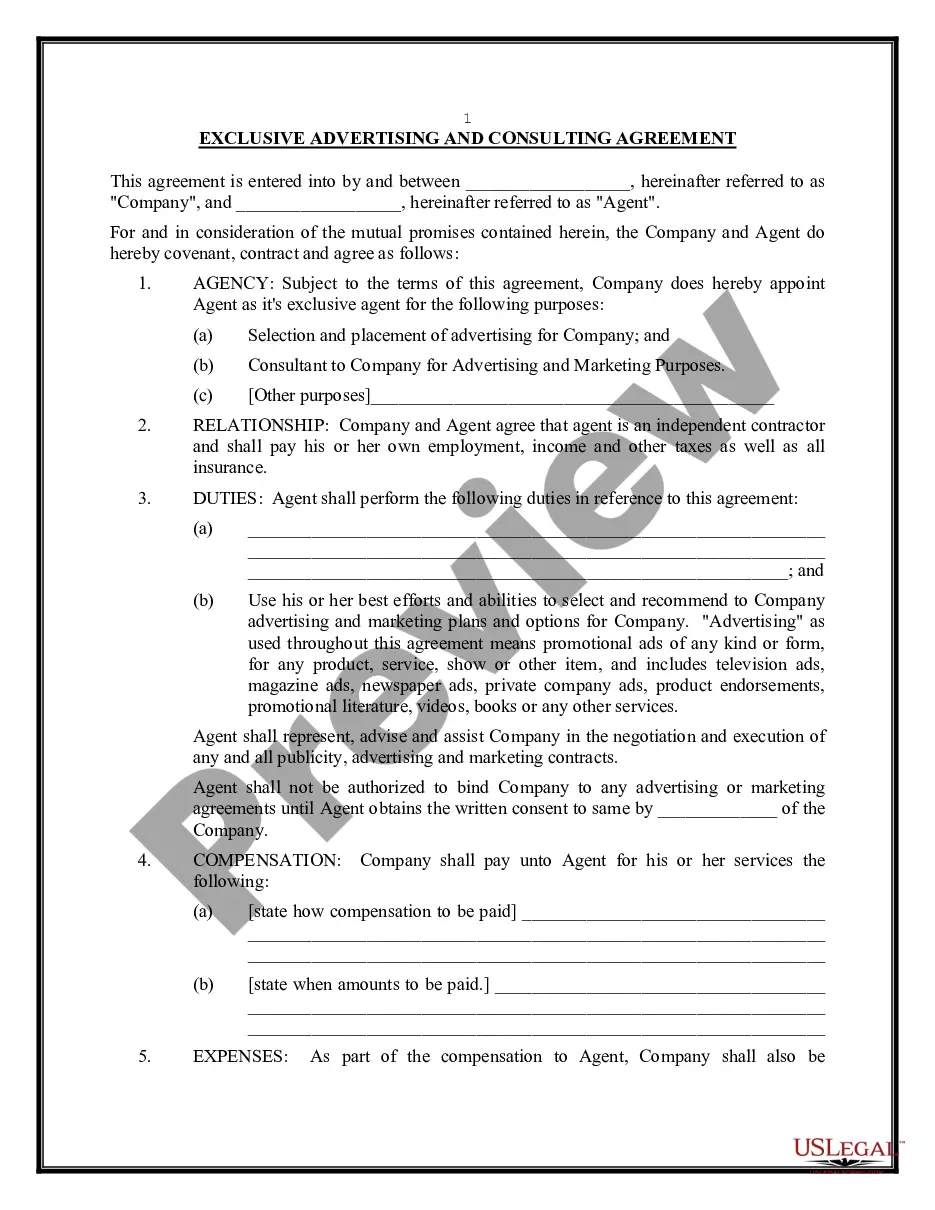
Sample Non Disclosure Agreement For Employees In Alameda
Description

Get your form ready online
Our built-in tools help you complete, sign, share, and store your documents in one place.
Make edits, fill in missing information, and update formatting in US Legal Forms—just like you would in MS Word.
Download a copy, print it, send it by email, or mail it via USPS—whatever works best for your next step.
Sign and collect signatures with our SignNow integration. Send to multiple recipients, set reminders, and more. Go Premium to unlock E-Sign.
If this form requires notarization, complete it online through a secure video call—no need to meet a notary in person or wait for an appointment.
We protect your documents and personal data by following strict security and privacy standards.

Make edits, fill in missing information, and update formatting in US Legal Forms—just like you would in MS Word.

Download a copy, print it, send it by email, or mail it via USPS—whatever works best for your next step.

Sign and collect signatures with our SignNow integration. Send to multiple recipients, set reminders, and more. Go Premium to unlock E-Sign.

If this form requires notarization, complete it online through a secure video call—no need to meet a notary in person or wait for an appointment.

We protect your documents and personal data by following strict security and privacy standards.
Looking for another form?







Form popularity
FAQ
To create a Non-Disclosure Agreement, include the following information: The parties' names and contact information. The length of the non-disclosure period. The scope and definition of the confidential information. The obligations of the Non-Disclosure Agreement. The ownership and return information.
At all times during his or her employment, the Employee shall hold in strictest confidence, and not use, except for the benefit of the Company, or to disclose to any person, firm, or corporation without the prior written authorization of the Company, any of the Company's Confidential Information.
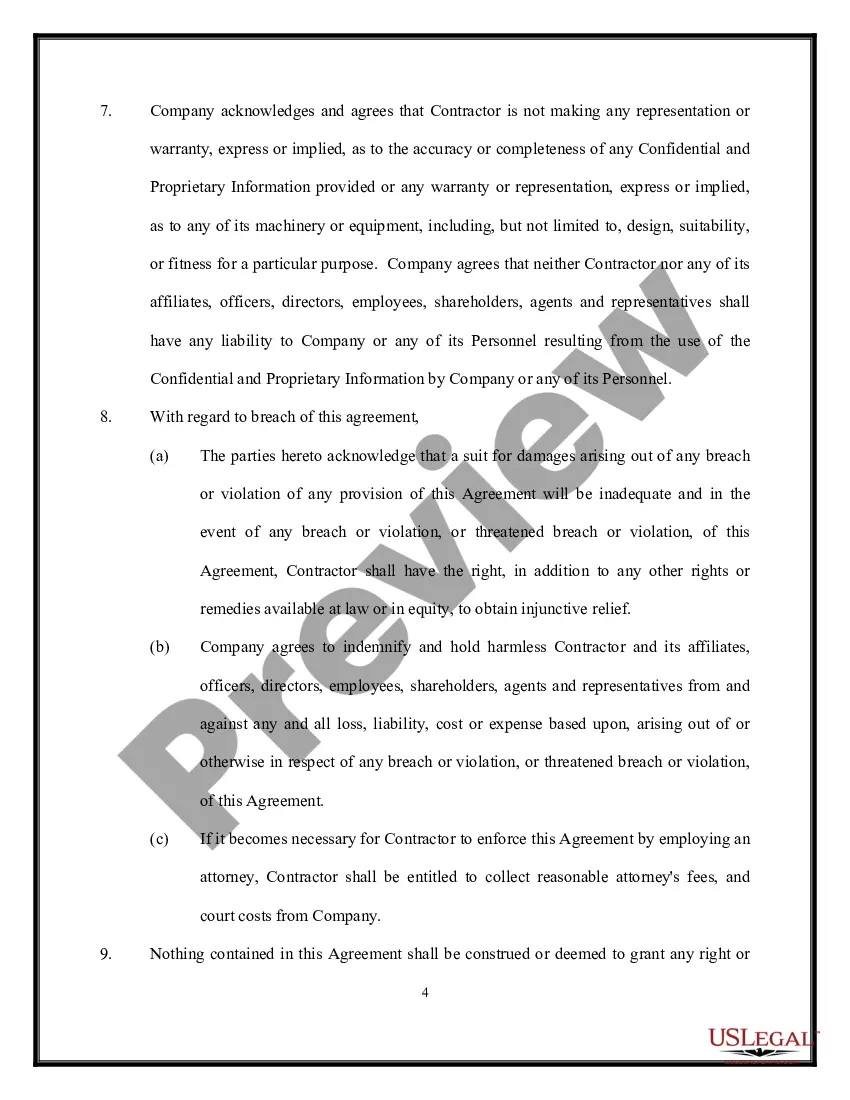
What happens if you breach an NDA? Simply put, a breach of NDA can have a range of consequences that are outlined in the NDA itself, or in the non-disclosure clause of your employment agreement. You may be subject to legal liability, monetary fines and criminal charges in extreme cases.
The nondisclosure agreement should identify the parties to the agreement and which one is the disclosing party, or side sharing the information, and the recipient. Names and addresses of the parties should be included. The agreement should also identify other individuals who may be parties to the agreement.
A nondisclosure agreement (NDA) is a legal document between two or more parties who agree not to disclose any sensitive information revealed over the course of doing business together.
The sole purpose of the employee non-disclosure agreement is to make clear to an employee that he or she may not disclose your trade secrets without permission. Lawyers recommend that employers use such agreements prior to an employee starting work.
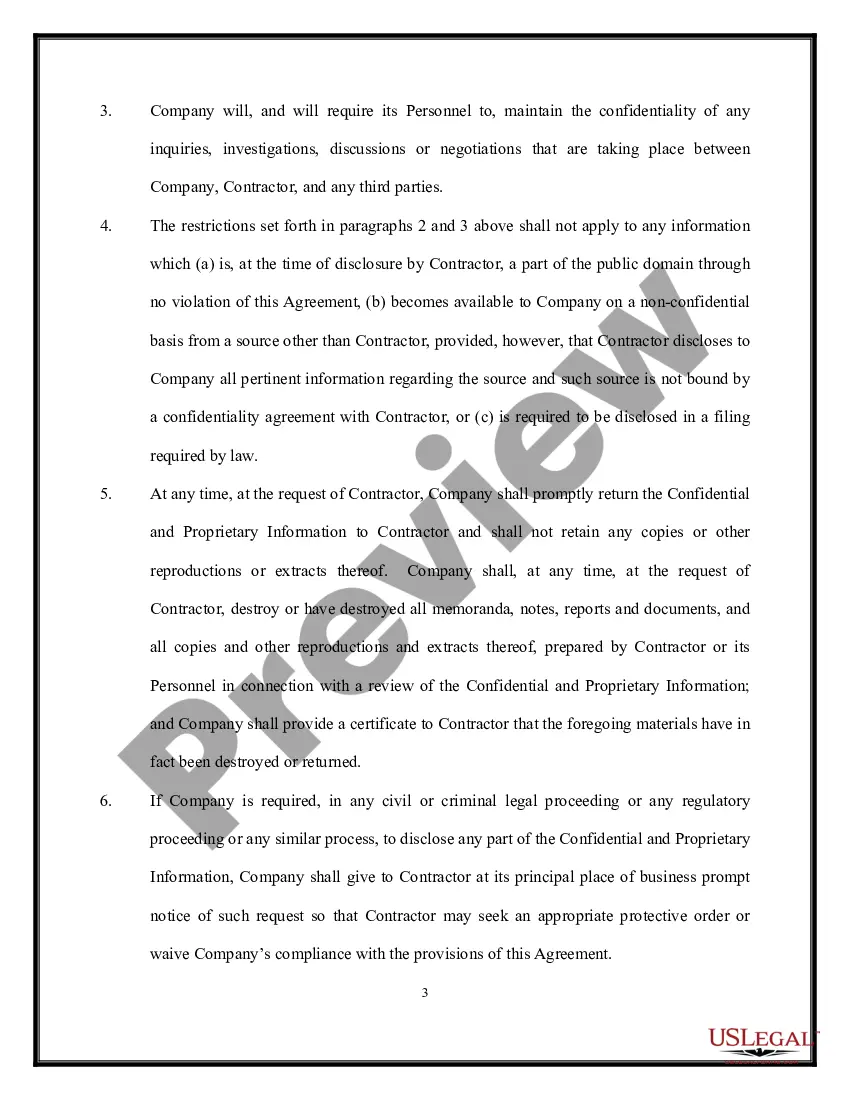
With this in mind, here are 10 key provisions you should know when drafting an NDA. Properly Identifying the Parties. Definition of Confidential Information. Carveouts to Confidential Information. Representatives. Legally Required Disclosures. Return/Destruction of Confidential Information. Remedies for Breach. Term of the NDA.
I hereby undertake to treat as confidential all and any information that I receive while participating in the work of evaluating project proposals, to use this information solely for the purpose of evaluation of the proposals, not to disclose it to any third party and not to make it publicly available or accessible ...
The nondisclosure agreement should identify the parties to the agreement and which one is the disclosing party, or side sharing the information, and the recipient. Names and addresses of the parties should be included. The agreement should also identify other individuals who may be parties to the agreement.