Non Disclosure Agreement With Penalty Clause In Alameda
Description

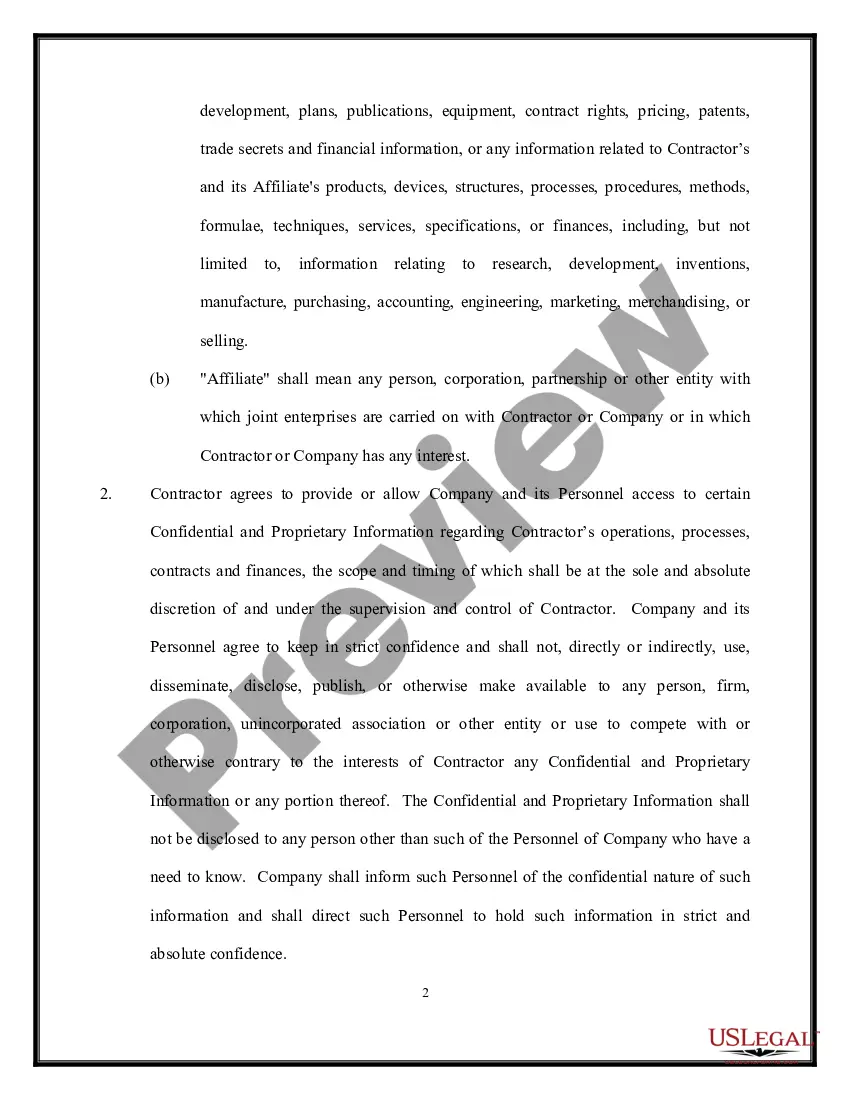
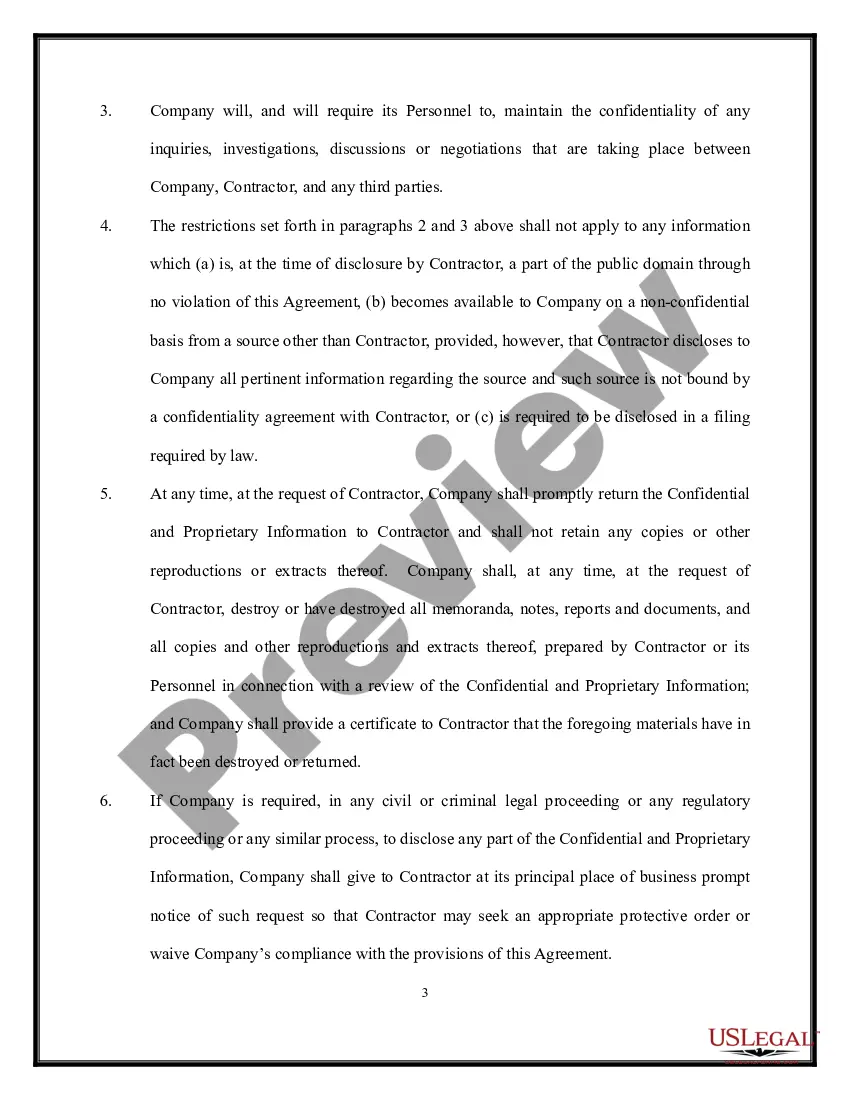
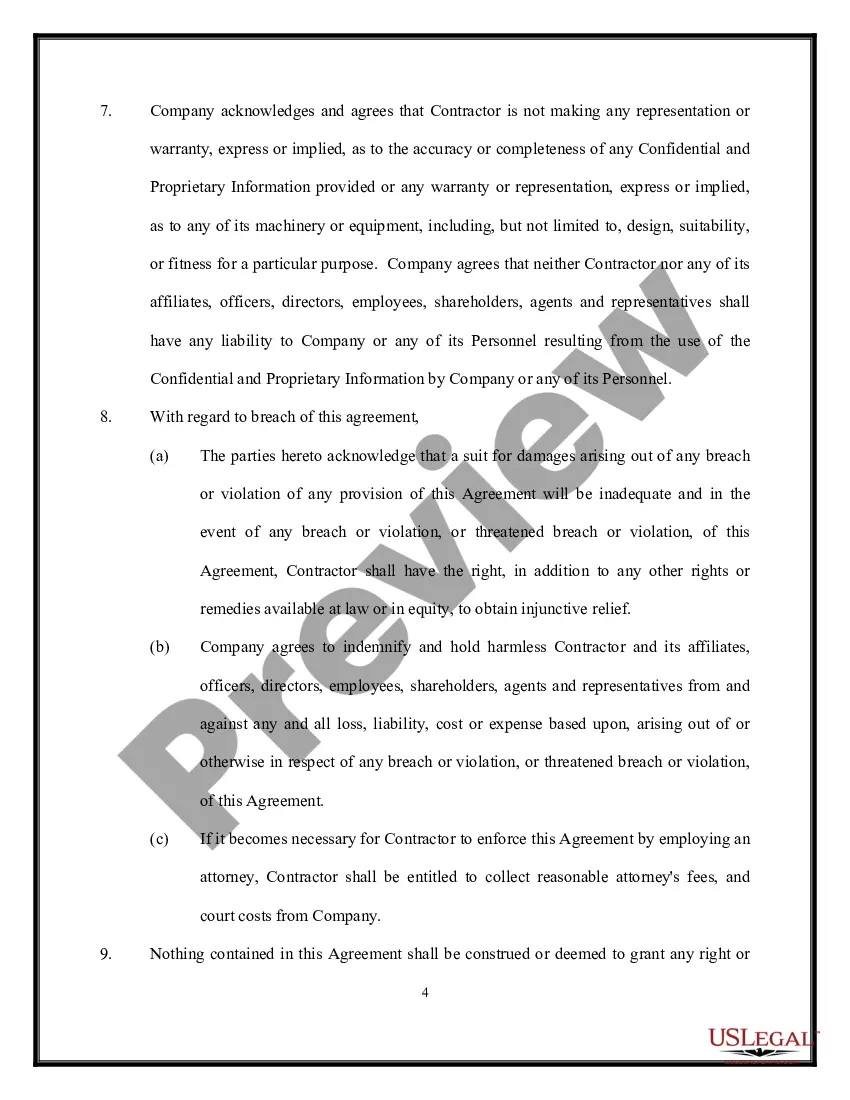
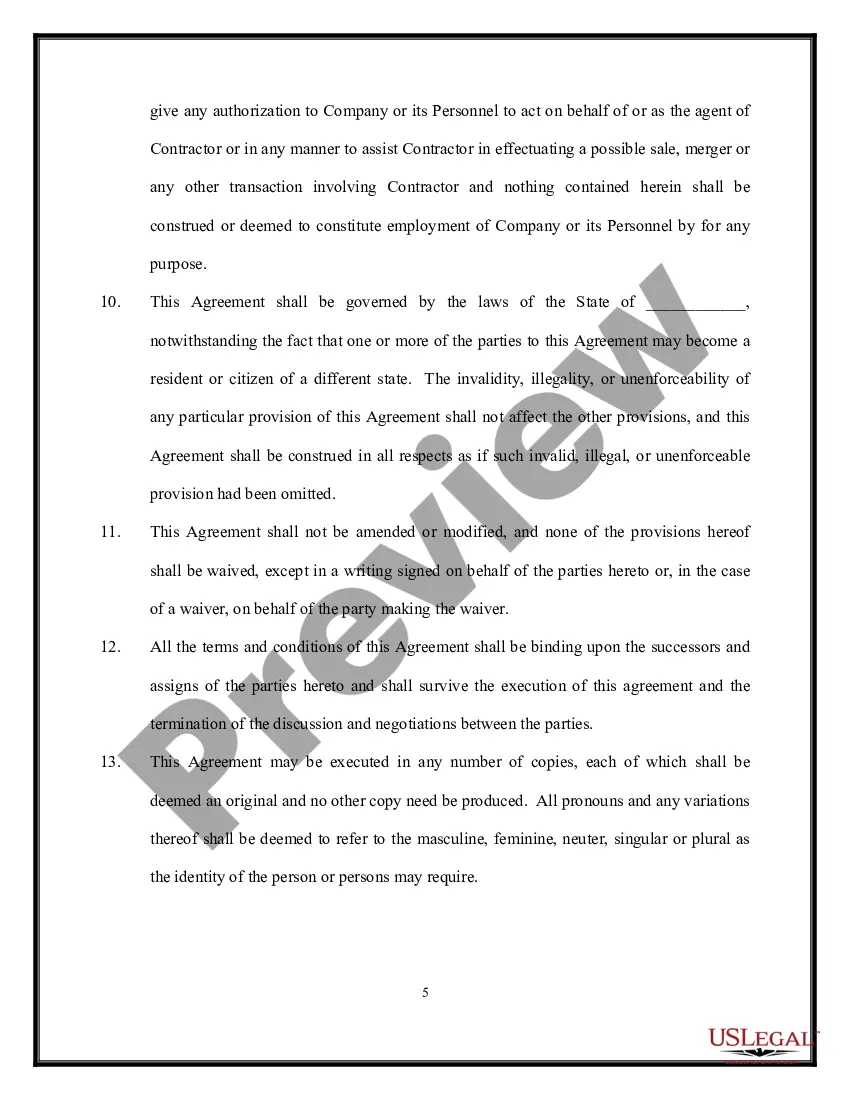
Get your form ready online
Our built-in tools help you complete, sign, share, and store your documents in one place.
Make edits, fill in missing information, and update formatting in US Legal Forms—just like you would in MS Word.
Download a copy, print it, send it by email, or mail it via USPS—whatever works best for your next step.
Sign and collect signatures with our SignNow integration. Send to multiple recipients, set reminders, and more. Go Premium to unlock E-Sign.
If this form requires notarization, complete it online through a secure video call—no need to meet a notary in person or wait for an appointment.
We protect your documents and personal data by following strict security and privacy standards.

Make edits, fill in missing information, and update formatting in US Legal Forms—just like you would in MS Word.

Download a copy, print it, send it by email, or mail it via USPS—whatever works best for your next step.

Sign and collect signatures with our SignNow integration. Send to multiple recipients, set reminders, and more. Go Premium to unlock E-Sign.

If this form requires notarization, complete it online through a secure video call—no need to meet a notary in person or wait for an appointment.

We protect your documents and personal data by following strict security and privacy standards.
Looking for another form?








Form popularity
FAQ
In California, a nondisclosure agreement may be enforceable, provided it meets basic criteria. The restrictive covenant must be properly drafted. This entails clear writing, detailed information about the confidential components of the contract, and a clearly stated extent of the confidentiality obligation.
Breaking an NDA usually doesn't result in jail time — as NDAs are civil contracts, not criminal agreements. Typically, the consequence is a breach of contract lawsuit, where the harmed party may seek financial compensation if the court rules in their favor.
Both parties must enter into the NDA voluntarily and with a clear understanding of its terms. If there was coercion or deception involved, the agreement may not be valid.
Whether or not the overall agreement has a definite term, the parties' nondisclosure obligations can be stated to survive for a set period. Survival periods of one to five years are typical. The term often depends on the type of information involved and how quickly the information changes.
Legal action: The party that was harmed by the breach of the NDA can take legal action to enforce the agreement and seek damages for any losses that were incurred. This may involve filing a lawsuit, seeking injunctive relief, or pursuing alternative dispute resolution.
How to get out of an NDA. Check for a termination clause. Check the language. Determine if your content is “public domain.” If the content your NDA covers is now known by the public, you may be able to make a case to nullify your NDA from any specific issuer.
Explain the Context: Start by explaining why you need the NDA. Be clear about the sensitive information involved and why it's important to keep it confidential. Be Honest and Transparent: Share your reasons for needing an NDA. Emphasize that it's not about distrust but about protecting both parties' interests.
Whenever you believe you are going to enter a situation that will involve you disclosing proprietary information such as trade secrets, business strategy or yet-to-be-implemented ideas, you will want to have the receiving party sign a Non-Disclosure Agreement (NDA). Do this BEFORE any disclosure occurs.
Breaking an NDA usually doesn't result in jail time — as NDAs are civil contracts, not criminal agreements. Typically, the consequence is a breach of contract lawsuit, where the harmed party may seek financial compensation if the court rules in their favor.
Say this: "In the interest of maintaining good governance with future investors, we're asking that anyone closely involved with this project at this early stage sign an NDA."
