Condominium Real Estate Definition In Oakland
Description
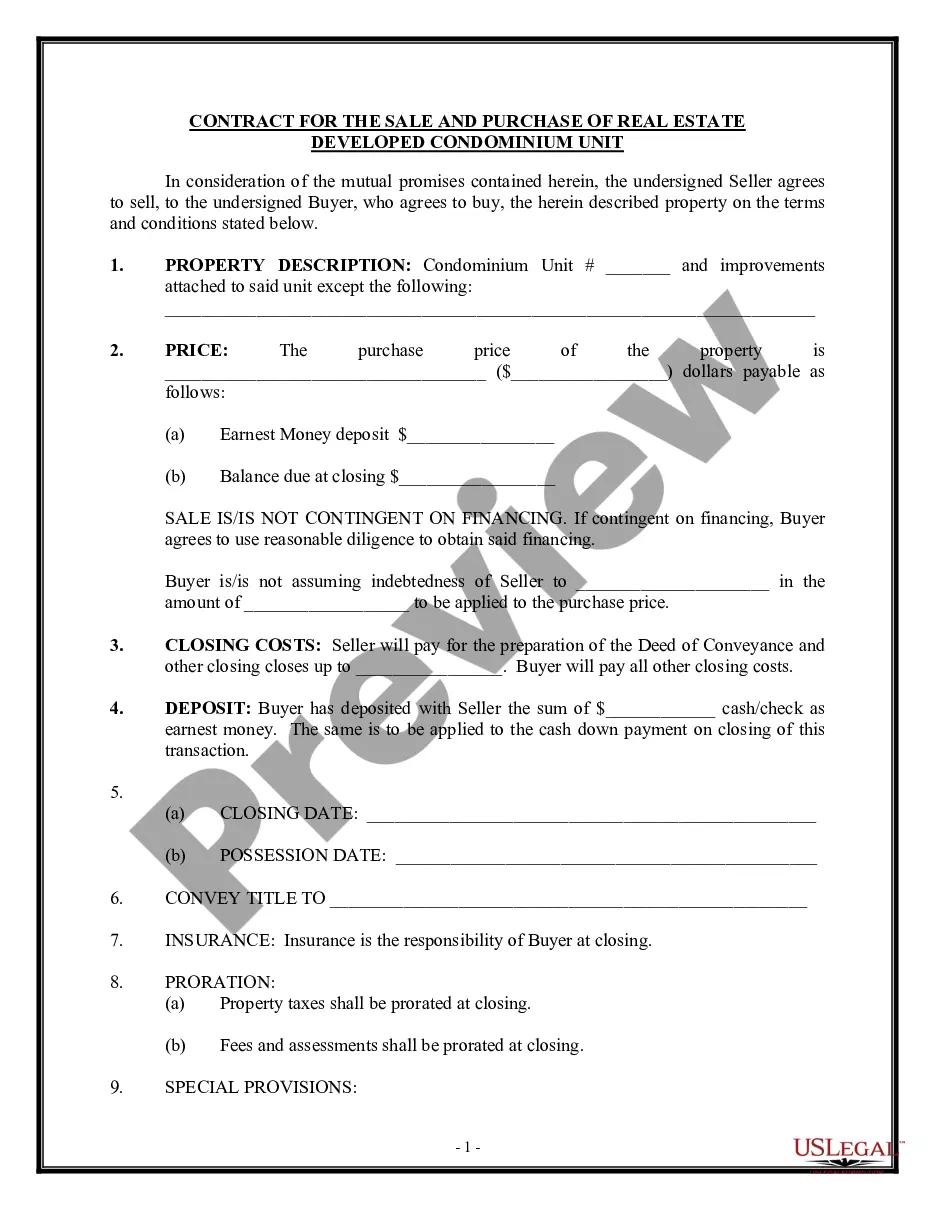
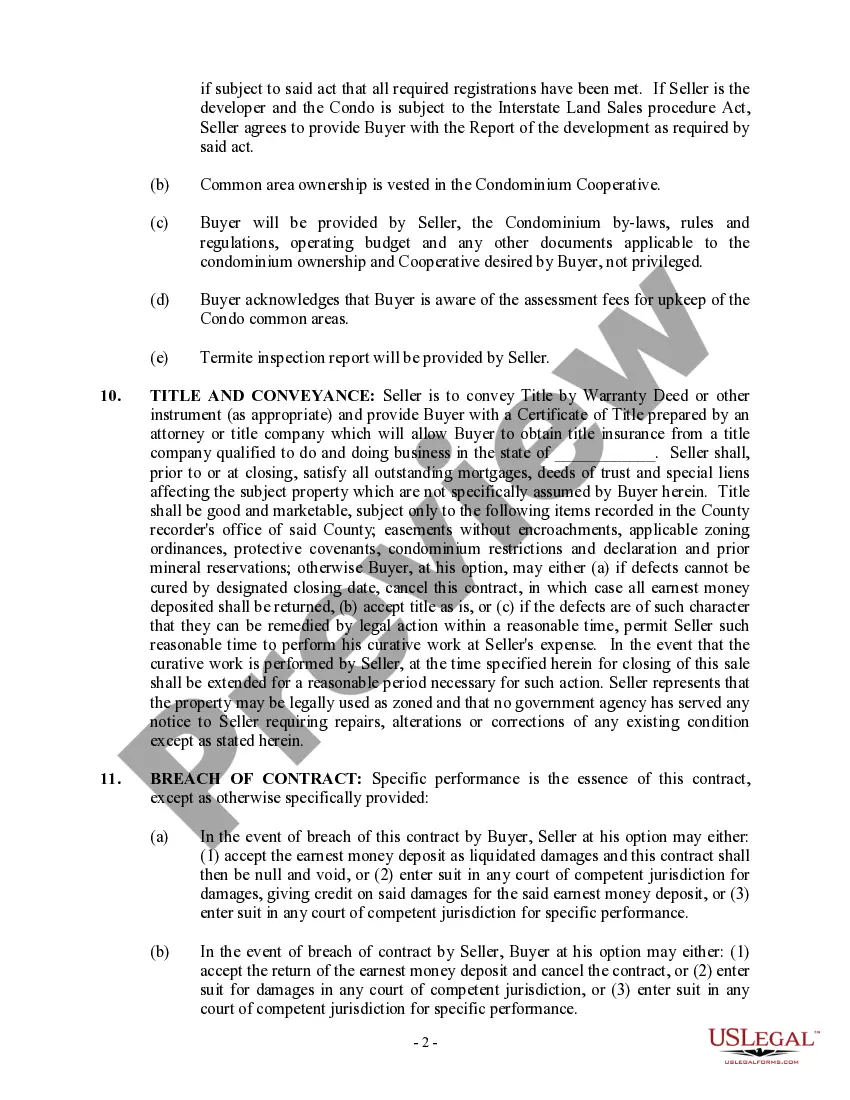
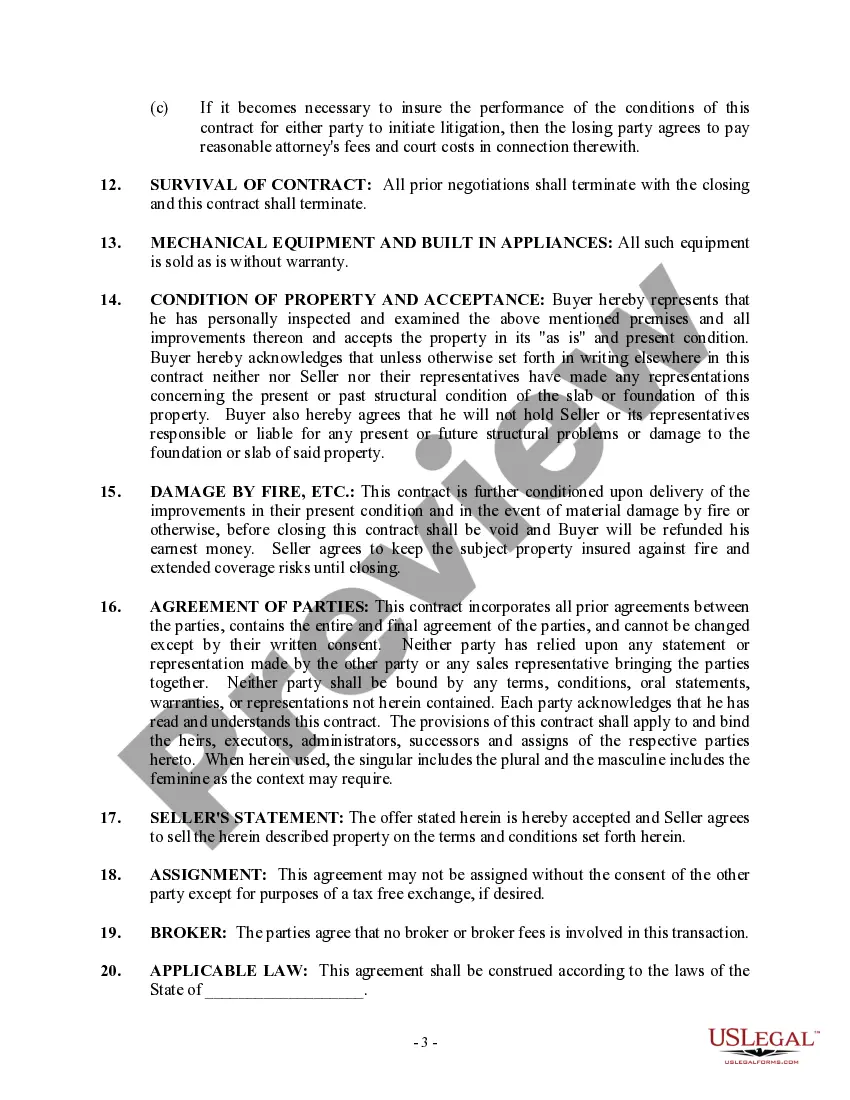
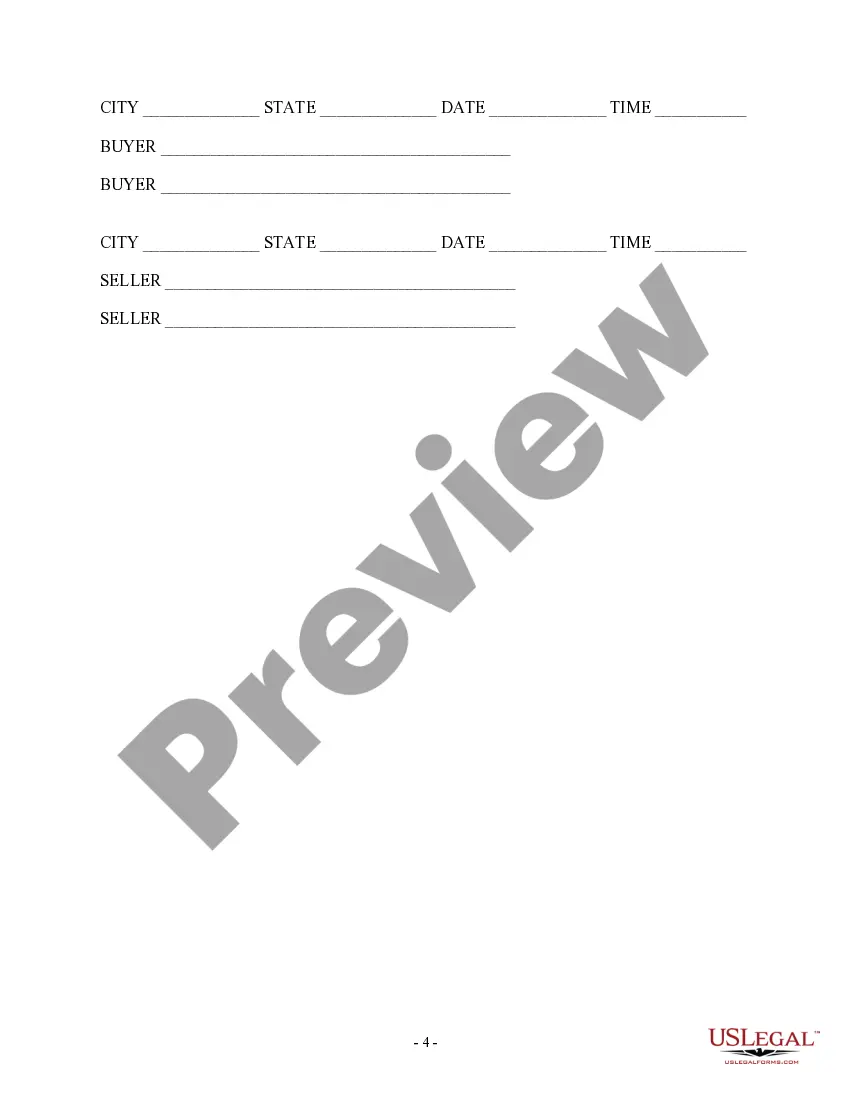
Get your form ready online
Our built-in tools help you complete, sign, share, and store your documents in one place.
Make edits, fill in missing information, and update formatting in US Legal Forms—just like you would in MS Word.
Download a copy, print it, send it by email, or mail it via USPS—whatever works best for your next step.
Sign and collect signatures with our SignNow integration. Send to multiple recipients, set reminders, and more. Go Premium to unlock E-Sign.
If this form requires notarization, complete it online through a secure video call—no need to meet a notary in person or wait for an appointment.
We protect your documents and personal data by following strict security and privacy standards.

Make edits, fill in missing information, and update formatting in US Legal Forms—just like you would in MS Word.

Download a copy, print it, send it by email, or mail it via USPS—whatever works best for your next step.

Sign and collect signatures with our SignNow integration. Send to multiple recipients, set reminders, and more. Go Premium to unlock E-Sign.

If this form requires notarization, complete it online through a secure video call—no need to meet a notary in person or wait for an appointment.

We protect your documents and personal data by following strict security and privacy standards.
Looking for another form?







Form popularity
FAQ
These are all important considerations, so let's go through the most popular choices and what they communicate: Hardwood. Hardwood is strong and durable and lends a condo a feeling of increased living space. Tile. Tile is reliable, strong, and durable. Laminate. Carpet.
The International Building Code (IBC) defines “high-rise” as, “a building with an occupied floor located more than 75 feet (22,680 mm) above the lowest level of fire department vehicle access.” Design of a high-rise triggers building code requirements that do not apply to shorter buildings.
Practically speaking, 1st floor is the best. You are not dependent on the Lift, in case it stops working. It is low enough to jump if need be and not get killed, in case of an emergency. If the storm water drains get clogged, usually the ground floor flats bear the brunt.
10 Ways to Choose a Good Location for your Condo Investment Research about Local Real Estate Prices. Check the Nearby Amenities. Consider the Area's Crime Rate. Evaluate the Accessibility of the Location. Consider the Job Market. Check for Future Development Plans. Know the Demographics.
Views: Higher floors generally offer better views. If you enjoy scenic landscapes or city skylines, a floor above the 5th or 6th might be ideal. Noise: Lower floors may experience more street noise, while higher floors can be quieter. If noise is a concern, you might prefer a floor above the 3rd or 4th.
A inium consists of an undivided interest in common in a portion of real property coupled with a separate interest in space called a unit, the boundaries of which are described on a recorded final map, parcel map, or inium plan in sufficient detail to locate all boundaries thereof…
The biggest difference between a condo and an apartment is ownership. An apartment is defined as a residence that is rented, often as part of a larger residential building. A condo can be similar in structure to an apartment — usually a unit within a larger residential building — but condos are owned instead of rented.
A inium consists of an undivided interest in common in a portion of real property coupled with a separate interest in space called a unit, the boundaries of which are described on a recorded final map, parcel map, or inium plan in sufficient detail to locate all boundaries thereof…
Property MUST be declared as a inium in the form of Legal Description and recorded declarations. Typically have "common" insurance on the structures. Condos have a greater degree of internal control, rules and regulations as opposed to townhomes or PUD's.
The main difference comes down to ownership. iniums are owned by individuals and rented out privately (this is your typical landlord). In contrast, apartments are generally owned by property management companies who rent and manage all the units, creating a more standard approach and leasing process.
