Roommate Agreement In Michigan In Tarrant
Description


Form popularity
FAQ
Under Senate Bills 205, 206 and 207, landlords cannot deny a renter housing based on their source of income including Section 8 housing choice vouchers, public assistance, veterans' benefits, Social Security, supplemental security income or other retirement programs.
If there is no written agreement, you can give them a written 30 day notice to vacate. If they don't vacate, then you can file a formal eviction action in court to get a hearing date and then a judgment and writ of possession that the sheriff would execute to force them to leave.
Leases don't have to be in writing. But if a lease is written, it must include the name and address where the landlord will notify the tenant of changes to the lease. The lease must tell tenants they must give the landlord a forwarding address in writing where they can be reached within four days after moving out.
It's not necessary. Typically, one of the parties may request to have the document signed and notarized, but it's not required by Michigan laws.
No. Michigan Lease Agreements do not need to be notarized. The Rental Contract is legally binding as long as it's signed by both the Landlord, or the lessor, and the Tenant, or the lessee.
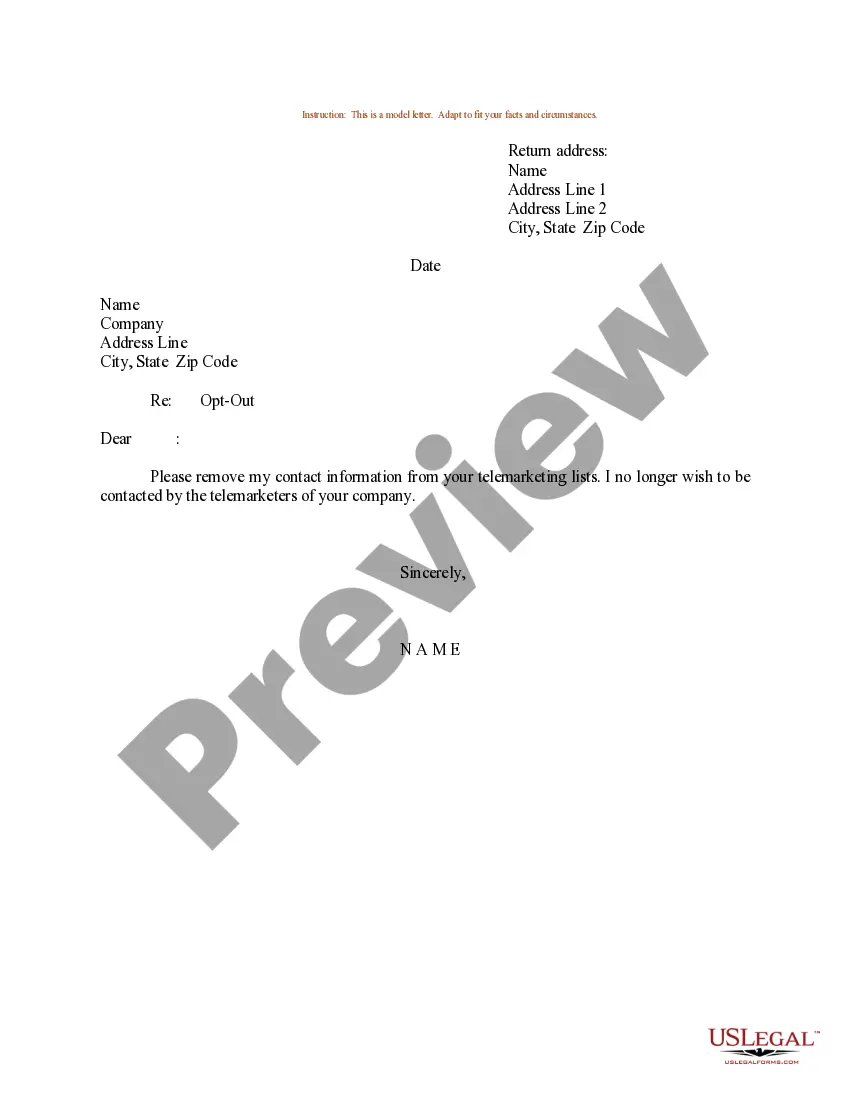
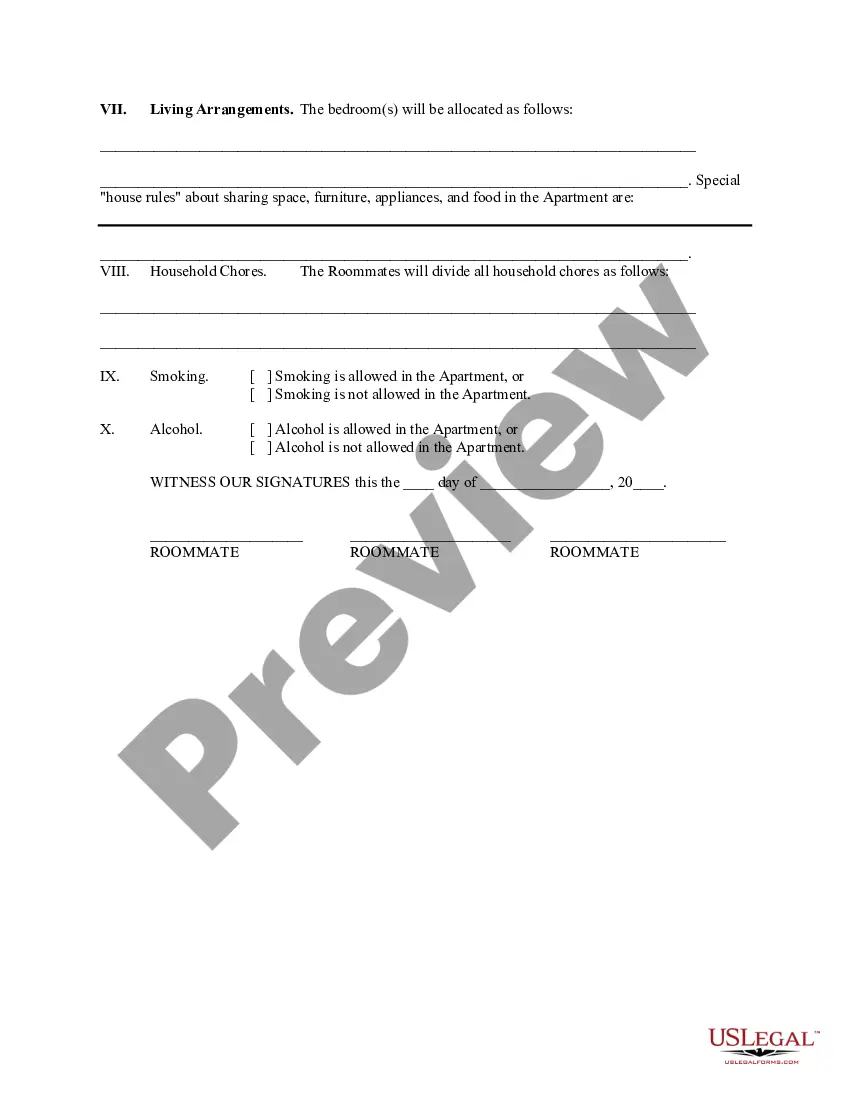
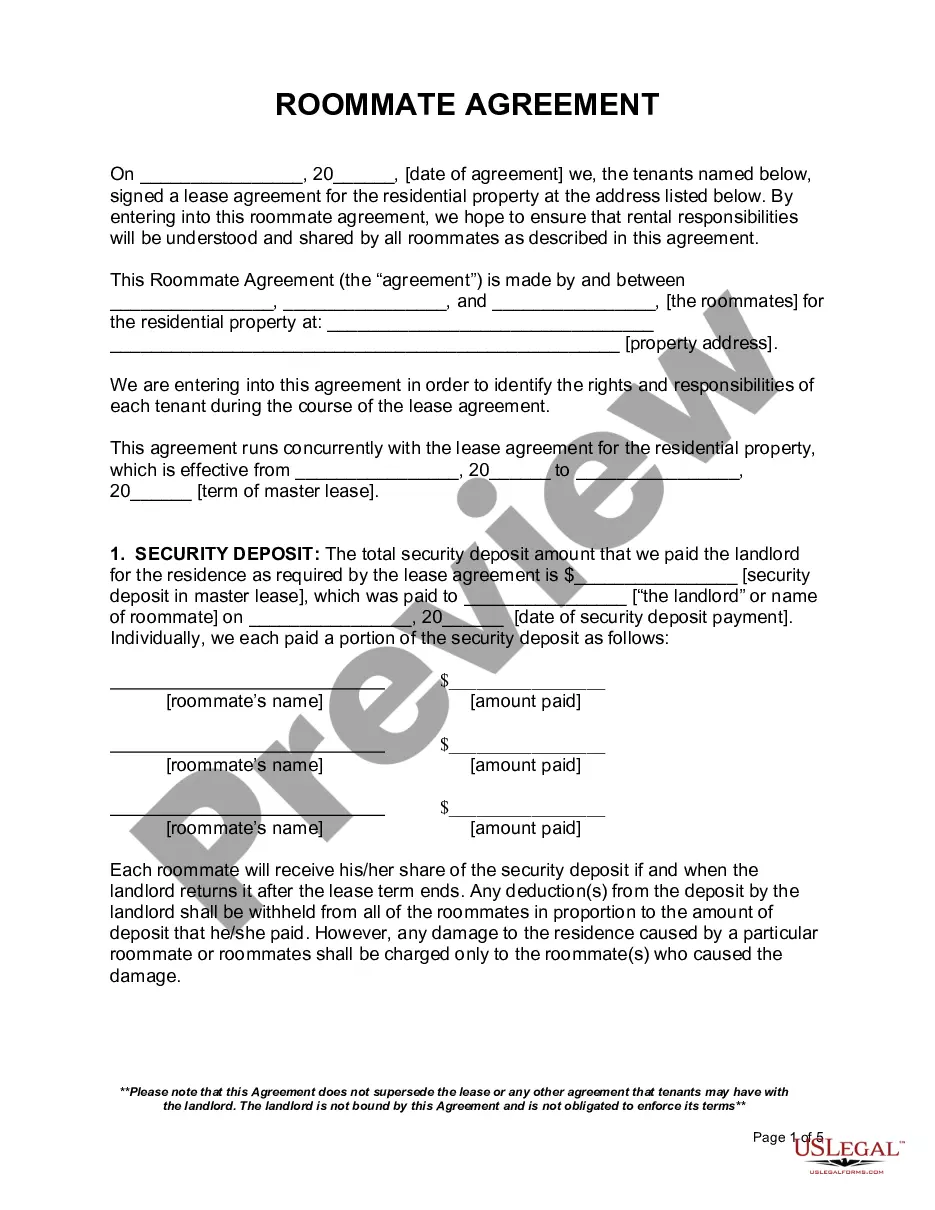
A Roommate Agreement is a written contract between roommates that outlines their rights and obligations while living together. This agreement includes house rules, maintenance duties, restricted behaviors, and more. For a Roommate Agreement to be useful, everyone sharing the household must agree to it.
A guest does not give you anything or do anything in exchange for allowing them in your home. As a result, you can ask a guest to leave at any time. You do not need to go through the courts to get this person to leave. If they refuse, you could contact your local law enforcement agency for help.
YOu would first have to serve them with a written notice to leave and then if they refuse to leave you will have to file a suit for forcible entry and detainer in the local municipal court.
Roommates cannot evict one another. The eviction process is only available in landlord-tenant relationships. This means you cannot force your roommate to leave the home, and your roommate cannot force you to leave the home. This is true even if your roommate stopped paying for their portion of rent and utilities.
As a tenant, you are legally responsible for the lease agreement that you signed with the landlord and property owner. While you can choose to live with someone who is not on the lease, some potential complications and risks come with this choice.