Sample Rental Agreement For Roommate In Michigan
Description



Form popularity
FAQ
Under Senate Bills 205, 206 and 207, landlords cannot deny a renter housing based on their source of income including Section 8 housing choice vouchers, public assistance, veterans' benefits, Social Security, supplemental security income or other retirement programs.
Leases don't have to be in writing. But if a lease is written, it must include the name and address where the landlord will notify the tenant of changes to the lease. The lease must tell tenants they must give the landlord a forwarding address in writing where they can be reached within four days after moving out.
written rental agreement is absolutely valid and enforceable. It doesn't need to be notarized, but must be signed by both parties to the lease. Essential terms must be present in the writing, however.
No. Michigan Lease Agreements do not need to be notarized. The Rental Contract is legally binding as long as it's signed by both the Landlord, or the lessor, and the Tenant, or the lessee.
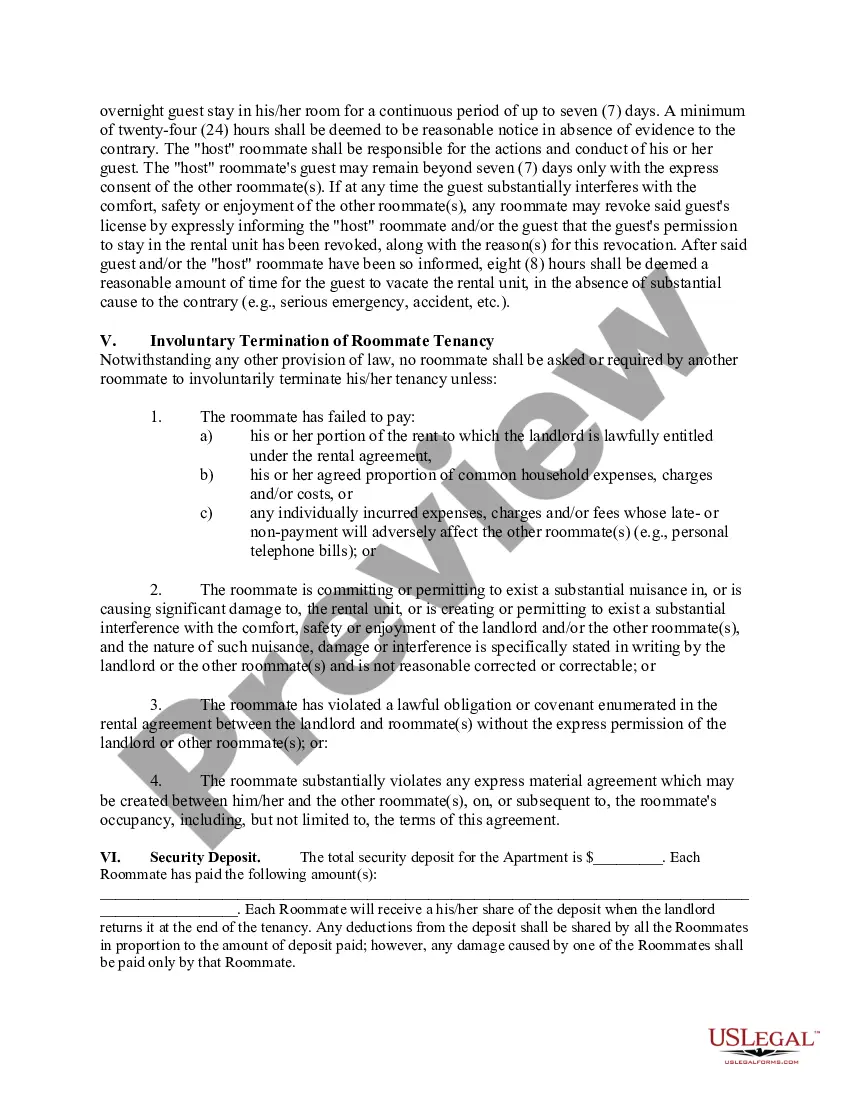
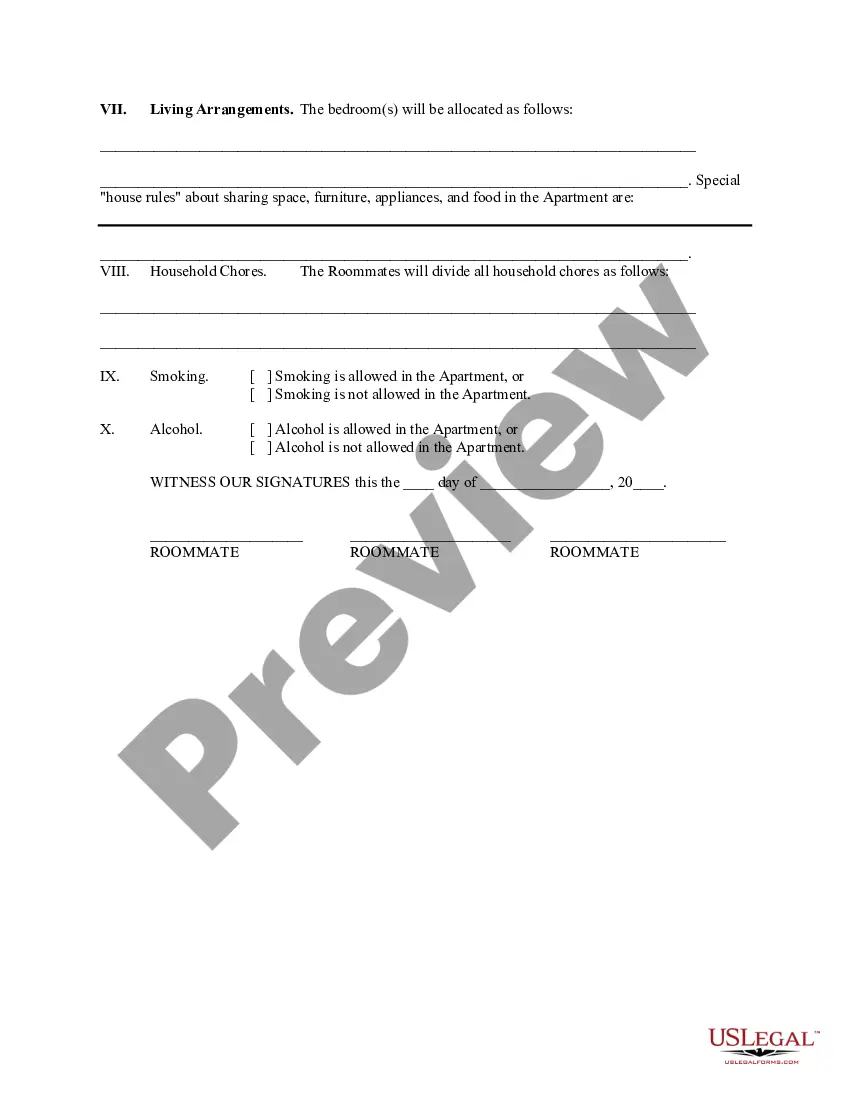
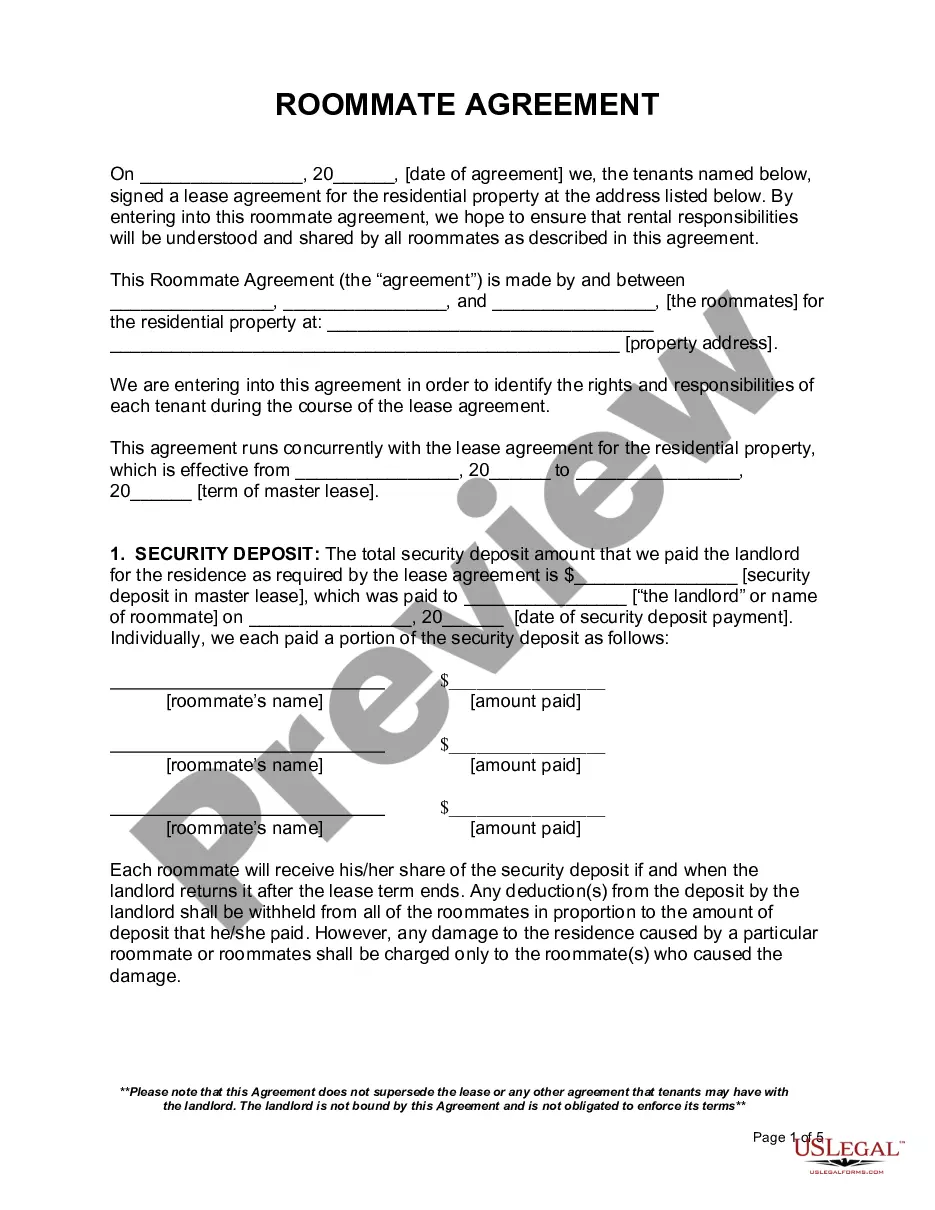
You probably don't expect to sue your roommate someday. Yet, it does happen. An agreement creates expectations to keep the living arrangement fair. They also provide protection and peace of mind because they are legally binding.
It's not necessary. Typically, one of the parties may request to have the document signed and notarized, but it's not required by Michigan laws.
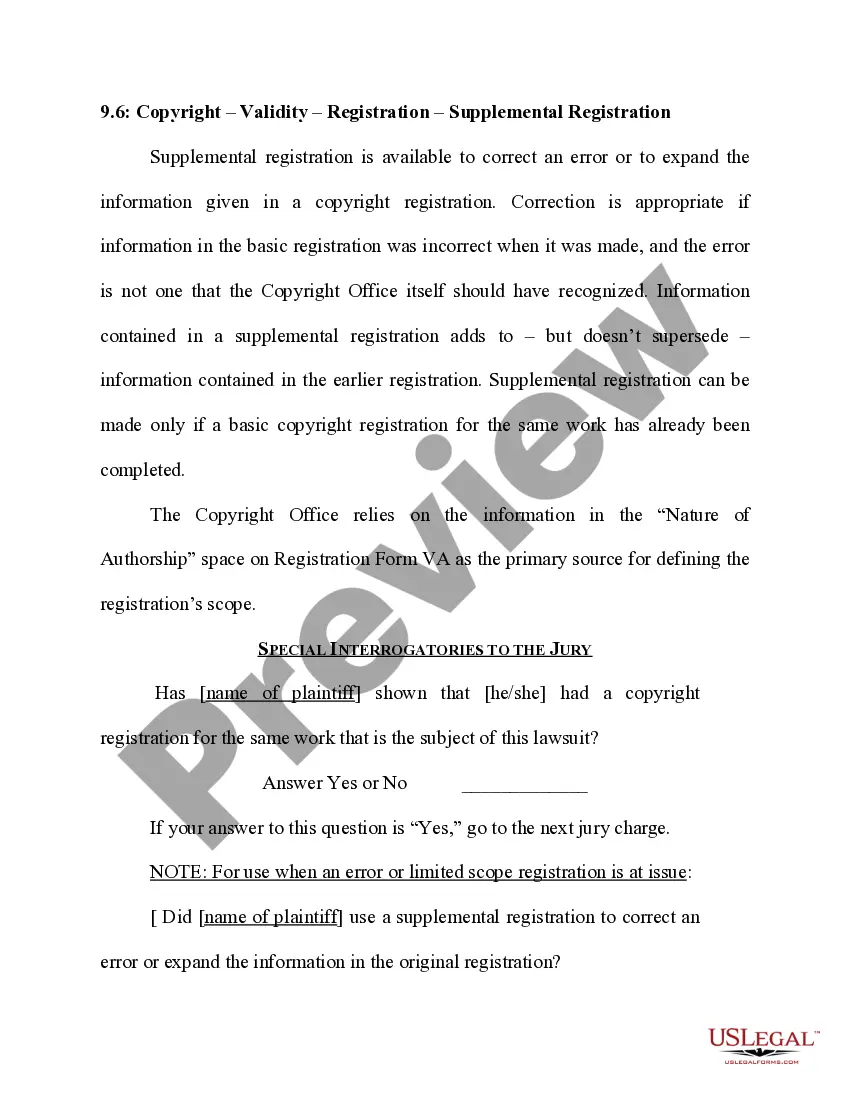
To write a solid roommate agreement, start by gathering all roommates' contact information and listing the rental property details. Outline how rent, utilities, and other expenses will be divided. Clearly define rules around guests, quiet hours, cleaning schedules, shared items, and pets.
You have the right to live in a home that is in good, habitable condition. This means both your home and the premises, such as a yard, should be safe and in good repair. Your landlord must also keep any common areas in good enough shape for their normal use.
How to write a roommate agreement Names of both tenants. The property address. The dates the lease begins and ends. The amount of rent each person pays. Who pays for utilities. Who pays the security deposit. Which bedroom each person occupies. Who buys food, or if you're each buying your own food.
