Roommate Form Agreement With Employee In Florida
Description

Get your form ready online
Our built-in tools help you complete, sign, share, and store your documents in one place.
Make edits, fill in missing information, and update formatting in US Legal Forms—just like you would in MS Word.
Download a copy, print it, send it by email, or mail it via USPS—whatever works best for your next step.
Sign and collect signatures with our SignNow integration. Send to multiple recipients, set reminders, and more. Go Premium to unlock E-Sign.
If this form requires notarization, complete it online through a secure video call—no need to meet a notary in person or wait for an appointment.
We protect your documents and personal data by following strict security and privacy standards.

Make edits, fill in missing information, and update formatting in US Legal Forms—just like you would in MS Word.

Download a copy, print it, send it by email, or mail it via USPS—whatever works best for your next step.

Sign and collect signatures with our SignNow integration. Send to multiple recipients, set reminders, and more. Go Premium to unlock E-Sign.

If this form requires notarization, complete it online through a secure video call—no need to meet a notary in person or wait for an appointment.

We protect your documents and personal data by following strict security and privacy standards.
Looking for another form?



Form popularity
FAQ
Contact Eko Law today to work with our business attorney in Clearwater. While you can legally write your own commercial lease agreement in Florida, the risks often outweigh the benefits. For most landlords and business owners, the expertise of a qualified attorney is invaluable in this process.
The landlord must approve the person, based on whatever criteria he sets for tenants and/or “other occupants”. He must either give you a NEW lease, with both of you on it (if the new person is going to be a co-tenant) or issue an addendum to the lease authorizing the new person to be an “other occupant”.
Florida law allows for a legal action know as an Ejectment to remove a non-rent paying person living in your home, who has not signed a lease and has no title or interest in the property. Often times, this involves a person whom you have allowed to live in your home and who later refuses to leave when asked.
However, it's crucial to remember that while your roommate agreement is a binding contract between the roommates, it's not the same as a formal lease agreement. Thus, any eviction based on it must still adhere to Florida's landlord-tenant laws.
Contact Eko Law today to work with our business attorney in Clearwater. While you can legally write your own commercial lease agreement in Florida, the risks often outweigh the benefits. For most landlords and business owners, the expertise of a qualified attorney is invaluable in this process.
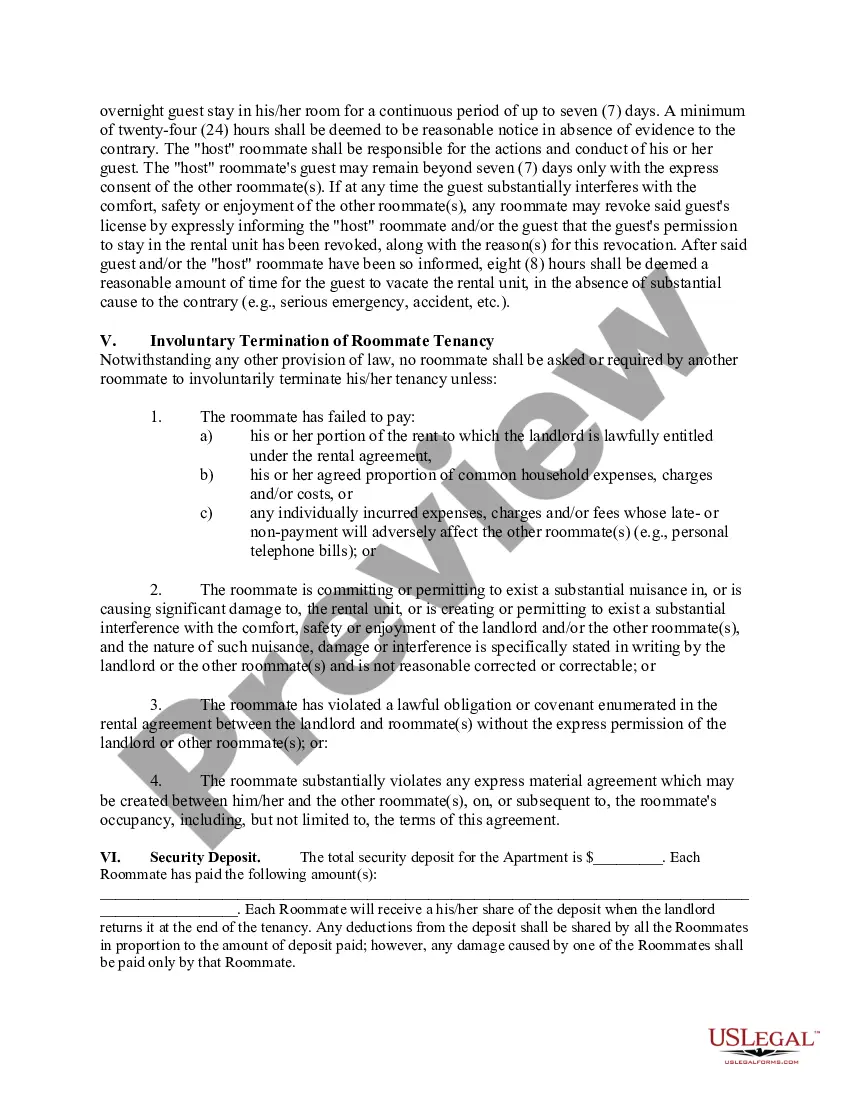
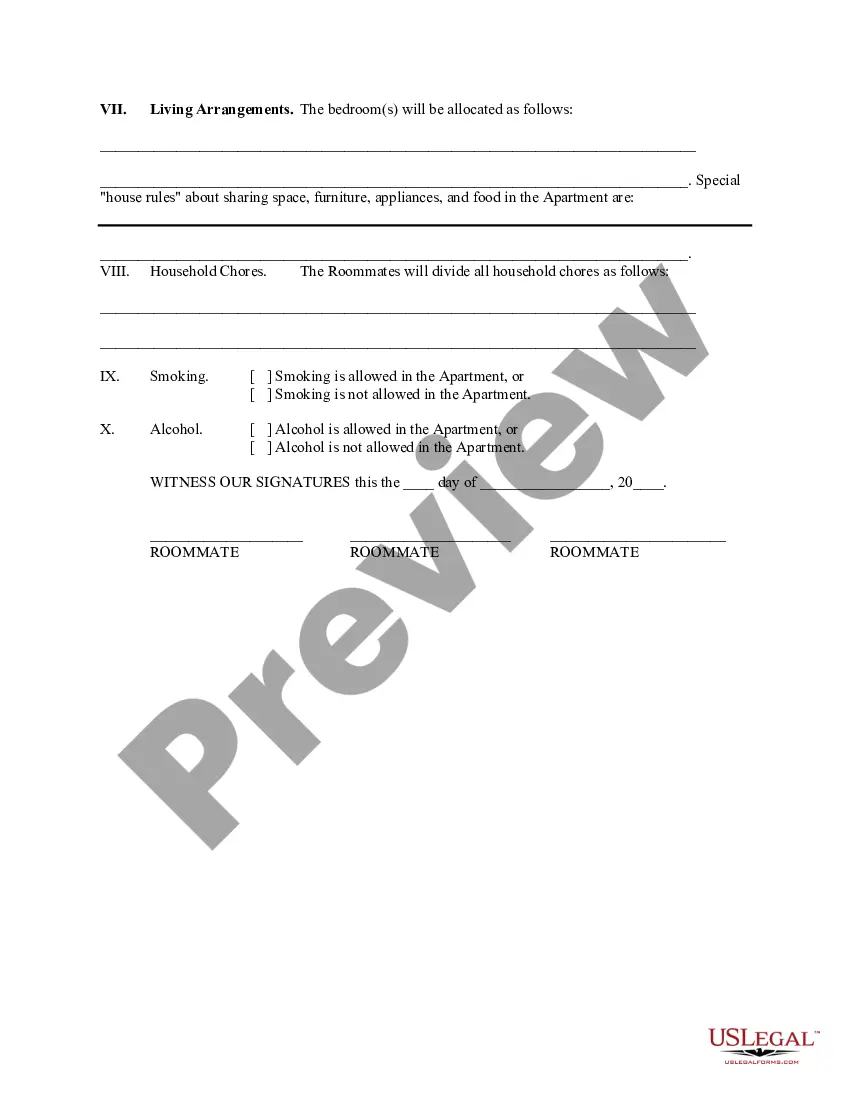
A Roommate Agreement is a written contract between roommates that outlines their rights and obligations while living together. This agreement includes house rules, maintenance duties, restricted behaviors, and more. For a Roommate Agreement to be useful, everyone sharing the household must agree to it.
How to write a Florida lease agreement Begin with the basics. Include the names and addresses of both the landlord (lessor) and the tenant (lessee), along with the residential property's address. Specify the term of the lease. Address security deposits. Include maintenance responsibilities. Add additional provisions.
Once properly executed and signed, a Florida lease agreement does not require notarization as a validity requirement. While all documents recorded in public records are notarized, notarizing a commercial lease agreement will not affect its validity – neither positively nor negatively.
