Sibling Agreement Contract Template With Parents In Georgia
Description
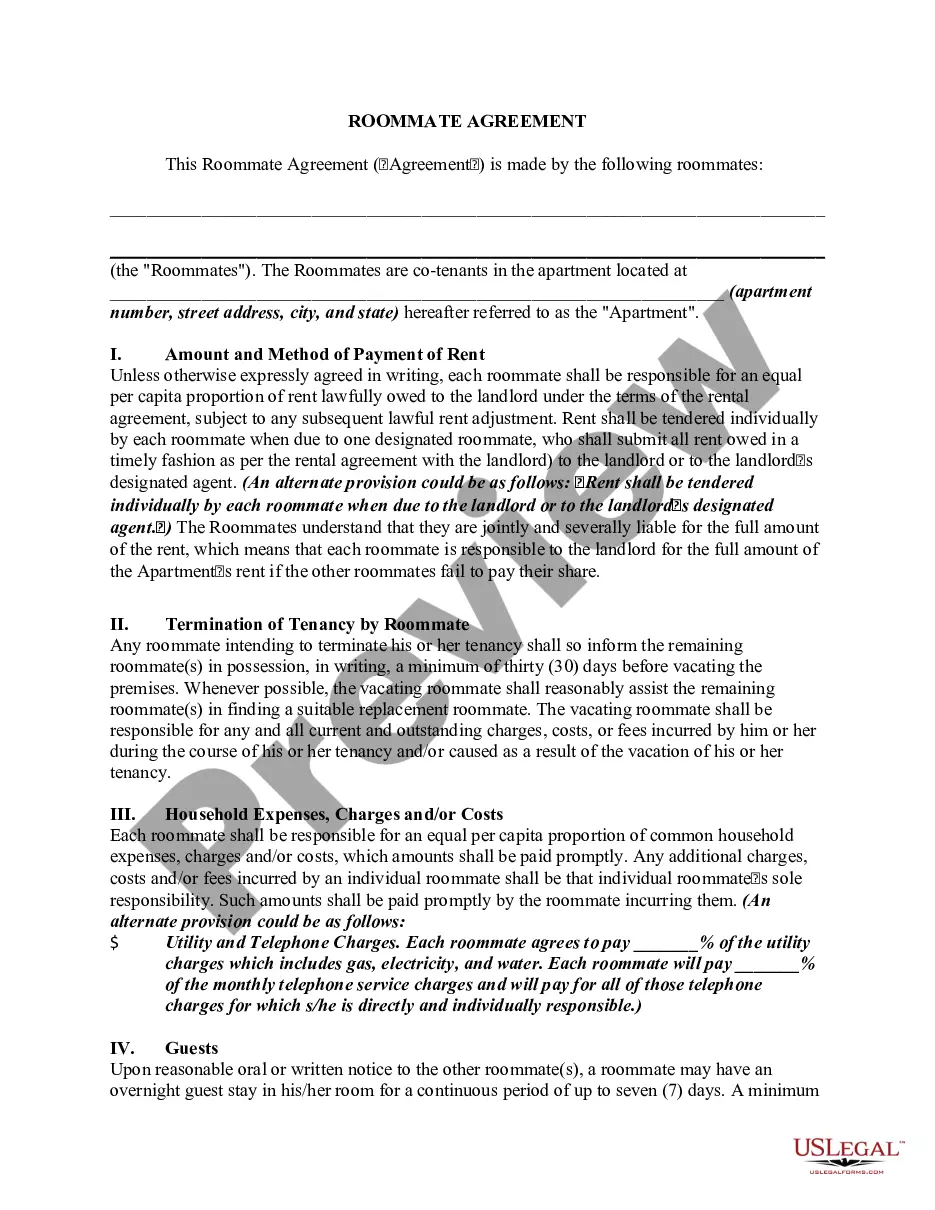
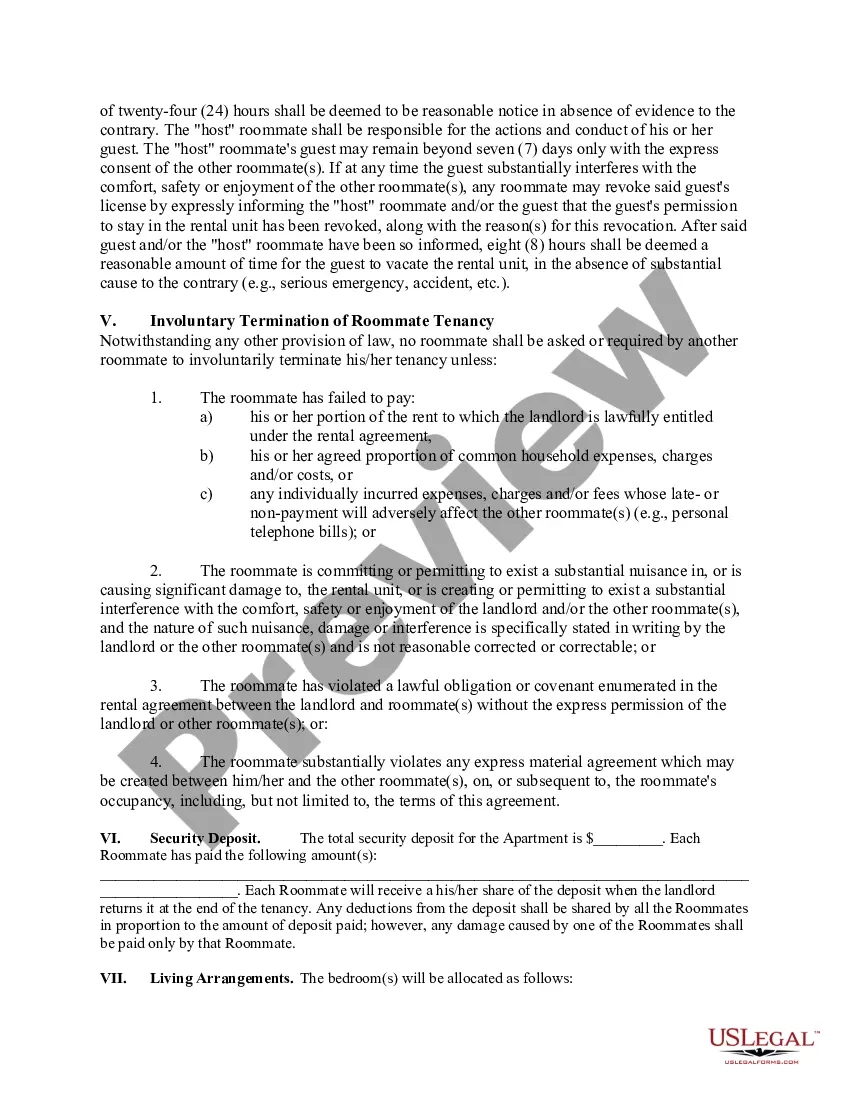
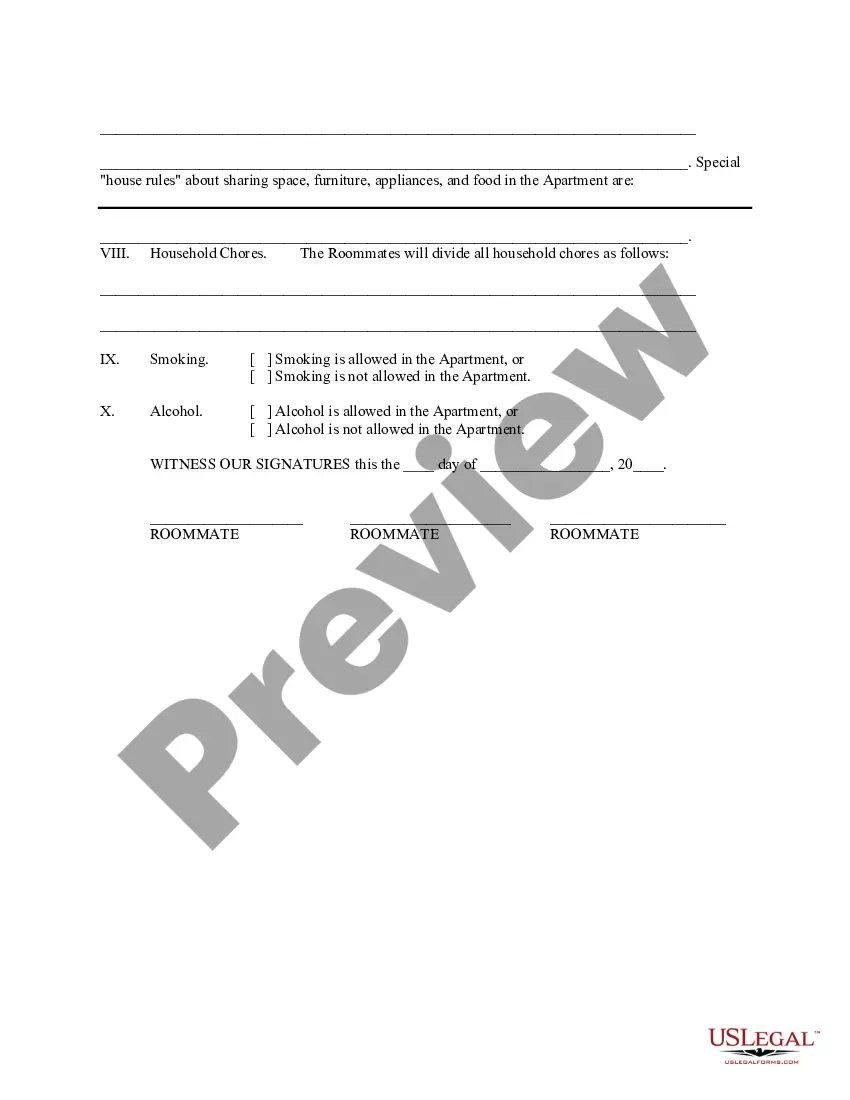

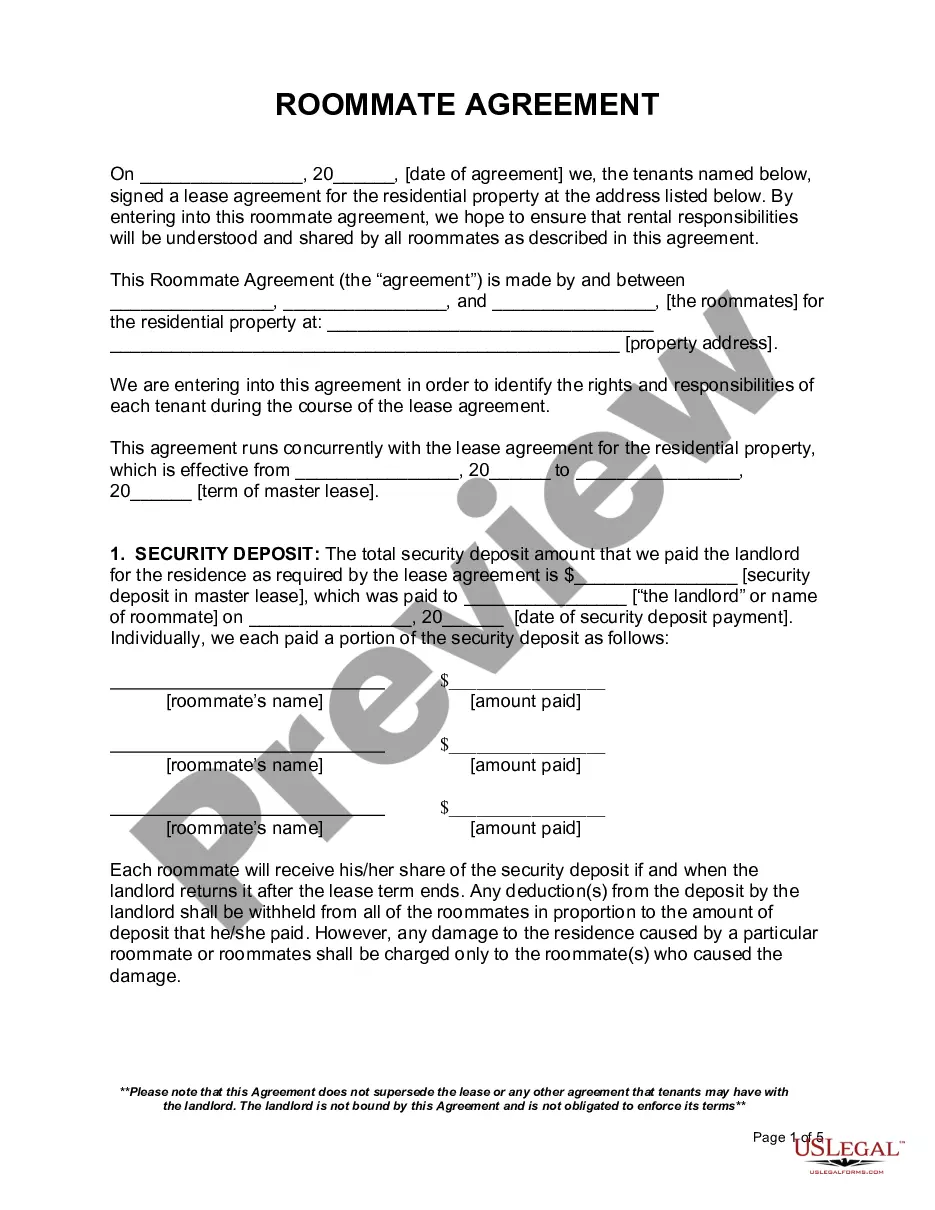
Get your form ready online
Our built-in tools help you complete, sign, share, and store your documents in one place.
Make edits, fill in missing information, and update formatting in US Legal Forms—just like you would in MS Word.
Download a copy, print it, send it by email, or mail it via USPS—whatever works best for your next step.
Sign and collect signatures with our SignNow integration. Send to multiple recipients, set reminders, and more. Go Premium to unlock E-Sign.
If this form requires notarization, complete it online through a secure video call—no need to meet a notary in person or wait for an appointment.
We protect your documents and personal data by following strict security and privacy standards.

Make edits, fill in missing information, and update formatting in US Legal Forms—just like you would in MS Word.

Download a copy, print it, send it by email, or mail it via USPS—whatever works best for your next step.

Sign and collect signatures with our SignNow integration. Send to multiple recipients, set reminders, and more. Go Premium to unlock E-Sign.

If this form requires notarization, complete it online through a secure video call—no need to meet a notary in person or wait for an appointment.

We protect your documents and personal data by following strict security and privacy standards.
Looking for another form?








Form popularity
FAQ
The most common child custody arrangement in Georgia, as in many states, is joint legal custody with one parent designated as the primary physical custodian. This arrangement emphasizes shared decision-making for the child's welfare while designating one parent as the primary residential custodian.
parenting agreement is a structured written agreement between the people who care for the child or children and they set out what has been agreed in terms of the child arrangements, communication between parents and how parents are involved in the child/children's lives.
A letter of agreement between two parents should clearly state the terms of their co-parenting arrangement, including custody, visitation, decision-making responsibilities, and financial obligations. Both parents should sign the letter, which should be notarized to ensure enforceability.
Child custody laws in Georgia require a judge to consider the following factors, and any other factor that impact's a child's best interests: each parent's home environment and ability to care for and nurture the child. each parent's physical and mental health. each parent's emotional ties to the child.
Joint physical custody schedules In the 2-2-3 schedule, children live with one parent for two days, spend the next two days with the other parent, and then return to the first parent for three days. The starting parent switches each week. You can customize this to fit your situation with Custody X Change.
In Georgia, parents can share joint legal custody, meaning they have an equal say in these decisions. However, the court may award sole legal custody to one parent if it is in the child's best interests.
Why Is Joint Custody the Most Common Child Custody Arrangement? Joint custody arrangements have become more common over the years. For many families, joint custody is the best possible situation after a divorce because both parents spend meaningful time with their children and remain involved in their lives.
Custody Battle Blunders: Top 10 Mistakes To Avoid Negative Speech About The Other Parent. Seeking Sympathy From The Child. Poor Communication With The Other Parent. Unjustifiably Withholding Access With The Other Parent. Misrepresenting Substance Abuse. Separating Siblings In Blended Families.
A person must file a petition in a Georgia probate court to apply for temporary or permanent guardianship of a minor. The law requires that certain forms and documents be attached to the petition. The forms and documents would depend on the type of guardianship sought and the specific situation.
