Sibling Agreement Contract Template For Students In Allegheny
Description
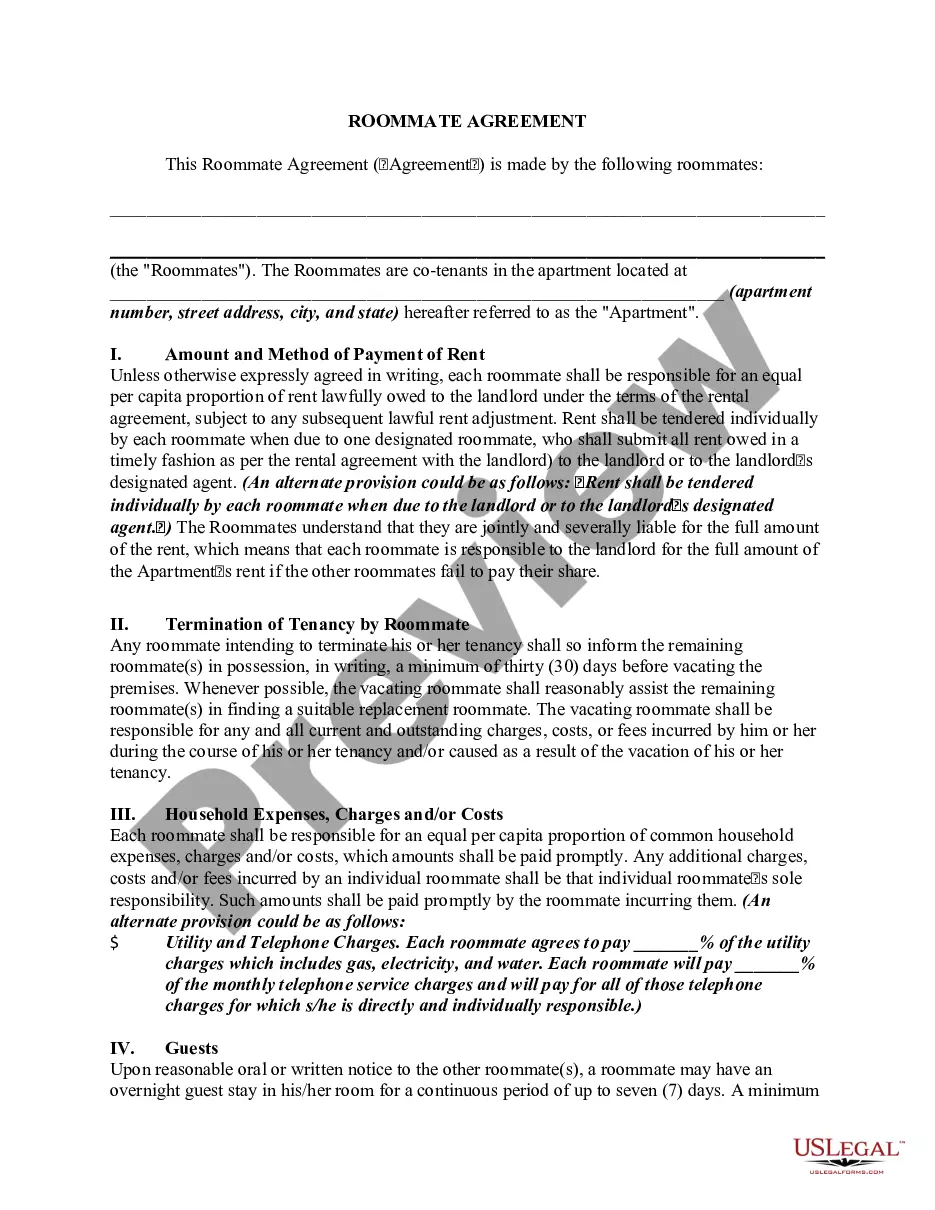
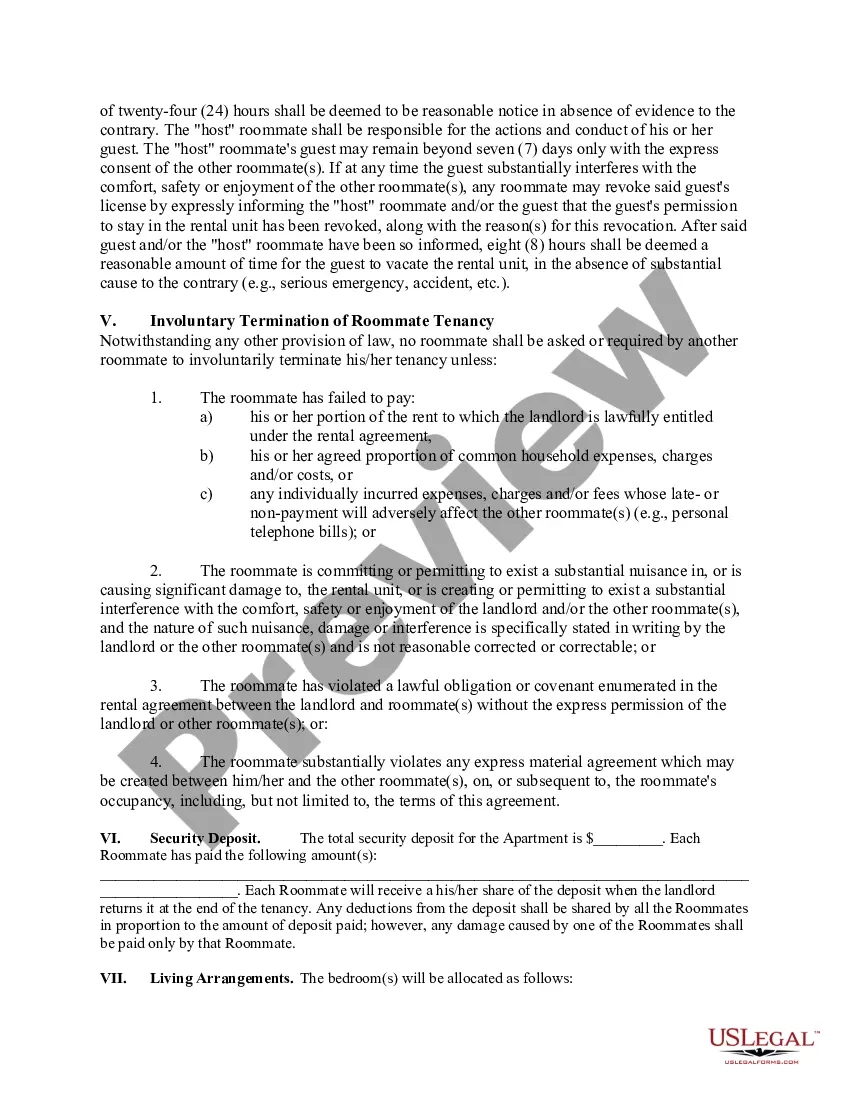
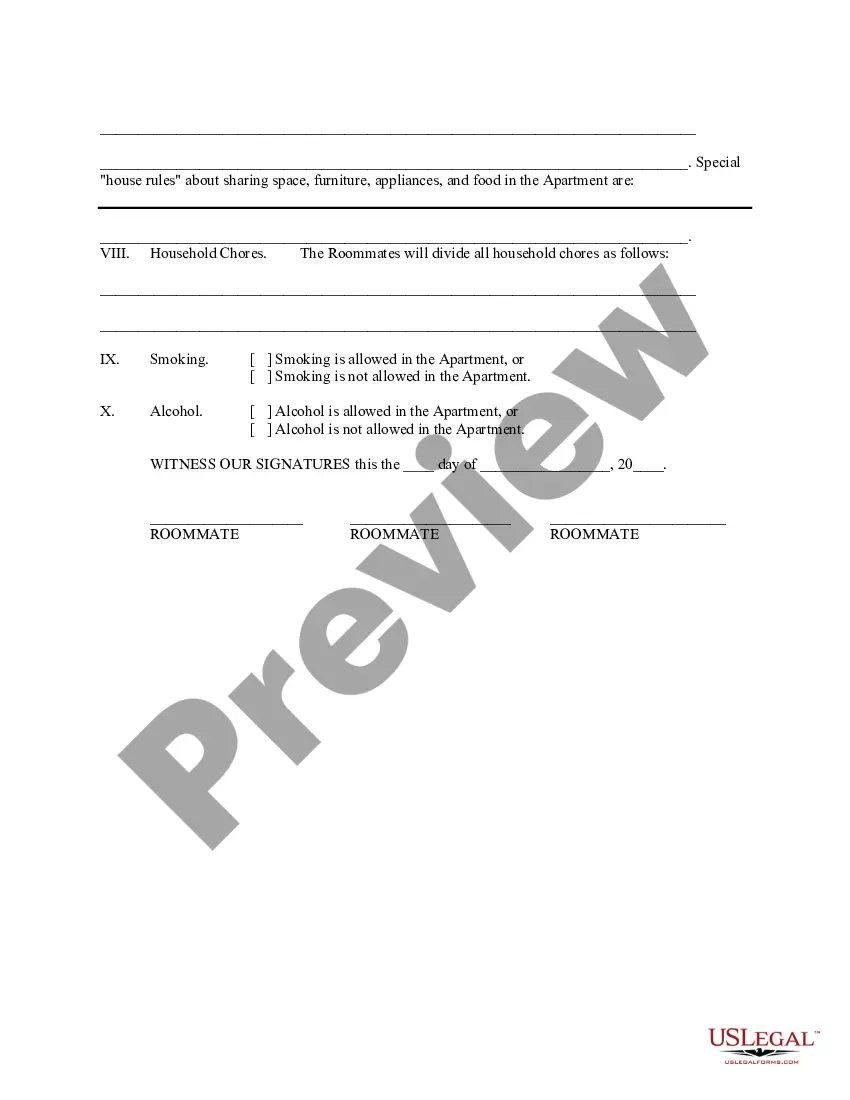

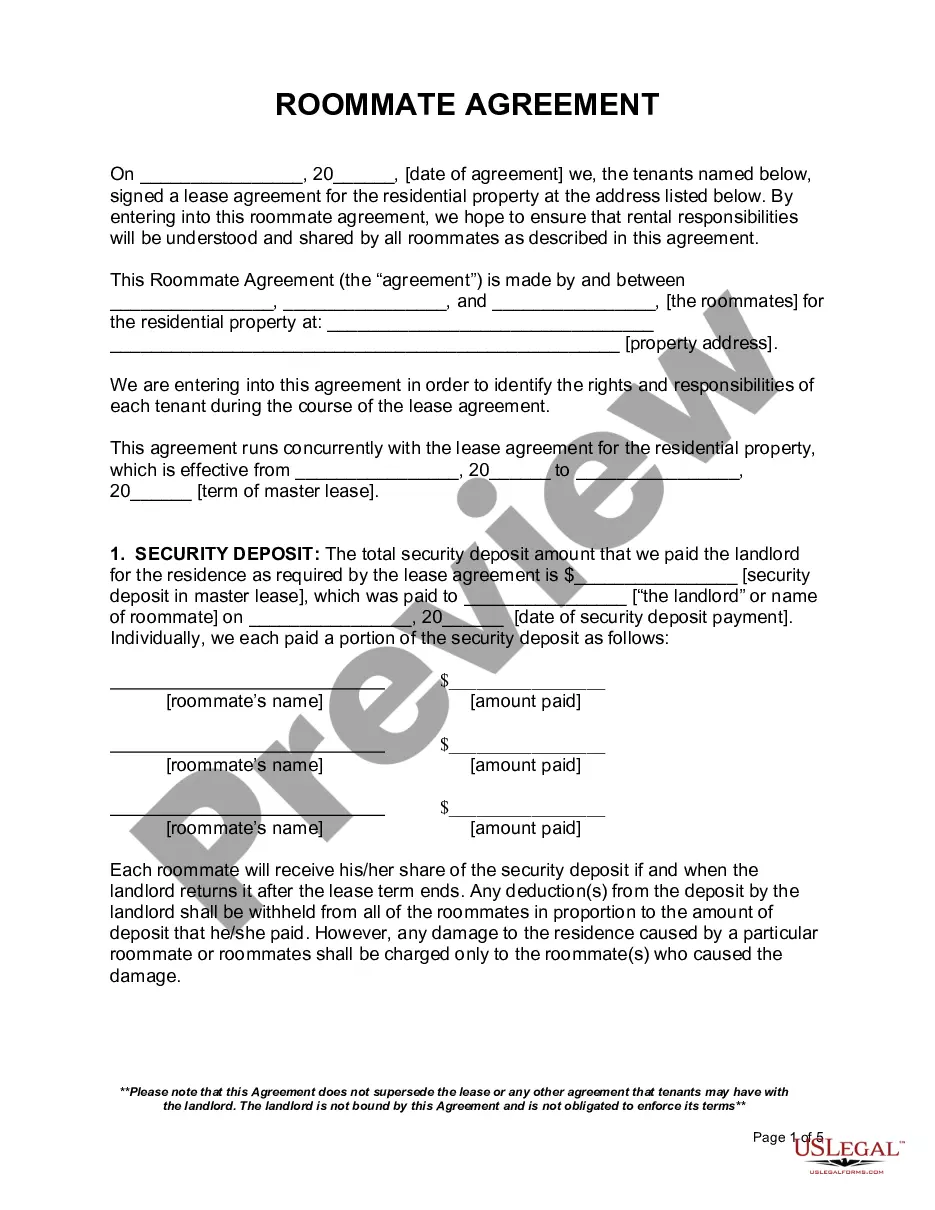
Get your form ready online
Our built-in tools help you complete, sign, share, and store your documents in one place.
Make edits, fill in missing information, and update formatting in US Legal Forms—just like you would in MS Word.
Download a copy, print it, send it by email, or mail it via USPS—whatever works best for your next step.
Sign and collect signatures with our SignNow integration. Send to multiple recipients, set reminders, and more. Go Premium to unlock E-Sign.
If this form requires notarization, complete it online through a secure video call—no need to meet a notary in person or wait for an appointment.
We protect your documents and personal data by following strict security and privacy standards.

Make edits, fill in missing information, and update formatting in US Legal Forms—just like you would in MS Word.

Download a copy, print it, send it by email, or mail it via USPS—whatever works best for your next step.

Sign and collect signatures with our SignNow integration. Send to multiple recipients, set reminders, and more. Go Premium to unlock E-Sign.

If this form requires notarization, complete it online through a secure video call—no need to meet a notary in person or wait for an appointment.

We protect your documents and personal data by following strict security and privacy standards.
Looking for another form?






Form popularity
FAQ
Seven Essential Features of an Effective Family Contract Precise Wording. An effective contract begins by clearly defining the exact behaviors the child is expected to do or refrain from doing. Clear Rewards and Consequences. Bonus Clause. Child & Parent as Co-Creators. Re-negotiation. Signatures. Inspect What You Expect.
Ordinarily, those who have not reached the age of majority can enter into contracts; however, they are generally voidable by the minor. This is unless they have been emancipated, have joined the military, or have become married. Otherwise, the law will allow the child to break the contract legally.
How to draft a contract in 13 simple steps Start with a contract template. Understand the purpose and requirements. Identify all parties involved. Outline key terms and conditions. Define deliverables and milestones. Establish payment terms. Add termination conditions. Incorporate dispute resolution.
Clearly outline obligations, timeframes and consequences if tasks are ignored. Post the contract where everyone can see it (e.g., on the fridge or family bulletin board). Be consistent, reasonable and fair in giving rewards and enforcing consequences. Renegotiate agreements as other skills and abilities develop.
